
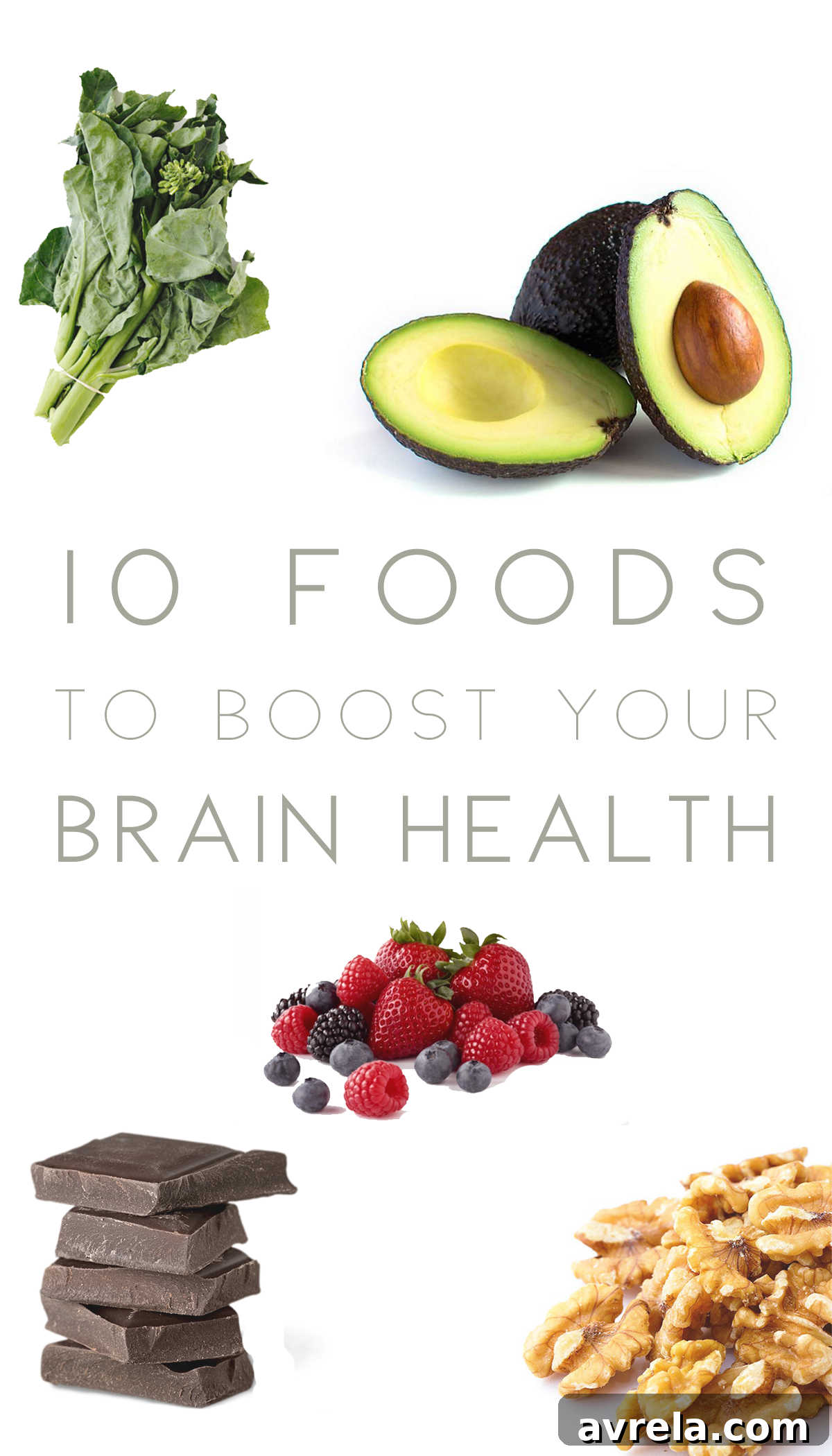
Who knew the foods we eat have a direct impact on gut health, mood and—most importantly—brain function? Actually, a lot of research supports that connection. Below are 10 brain-supporting foods I recommend adding to your routine. These selections help fight inflammation and are rich in antioxidants, vitamins, healthy fats, minerals and other micronutrients. They’re listed without ranking—just solid options to include more often.
1. Walnuts
Walnuts provide healthy monounsaturated and polyunsaturated fats and are a good plant source of omega-3 fatty acids, which play a key role in nervous system development and function. Since the body cannot produce essential omega-3s, getting them from foods such as walnuts is important. Walnuts also supply iron, selenium, zinc, vitamin E and B vitamins. Regular walnut consumption has been associated with improved blood pressure and cholesterol levels. A small handful makes a convenient, nutrient-dense snack.

2. Bone Broth
Bone broth is nutrient-dense, providing roughly 7–10 g of protein per cup along with gelatin, glycine, glutathione and other amino acids that support connective tissue, liver function and antioxidant defenses. It also supplies minerals such as calcium, phosphorus, magnesium and potassium that are less abundant in many diets. Traditionally used for its restorative qualities, bone broth is easy to incorporate into soups, stews or sips on its own for immune and gut support.

3. Extra Virgin Olive Oil
Extra virgin olive oil (EVOO) is a staple of Mediterranean-style eating and a valuable source of monounsaturated fat. Compounds in EVOO, including oleic acid and polyphenols, have been linked to reduced inflammation and cardiovascular risk and may support memory and learning. Regular use of high-quality EVOO as a primary cooking oil or finishing oil is a simple way to boost dietary anti-inflammatory lipids and antioxidant intake.

4. Dark Chocolate (Cacao)
Choose minimally processed dark chocolate with a high cacao percentage (72% or above) to get the most benefit. High-cacao chocolate contains flavanols and other polyphenols with antioxidant and anti-inflammatory effects that can improve blood flow to the heart and brain. Quality dark chocolate also provides minerals such as iron, copper, zinc, magnesium and phosphorus. Watch added sugars; natural sweeteners like coconut sugar or maple syrup are preferable when present.

5. Egg Yolks
Eggs are nutrient-rich, and the yolk contains choline, an essential nutrient important for fetal brain development and ongoing cognitive function. Many people do not get enough choline from their diets. Yolks also supply lutein, which can cross the blood–brain barrier and accumulate in regions linked to cognitive health, offering antioxidant protection. Two large egg yolks provide roughly half of the daily choline requirement for many adults. When possible, choose organic, pasture-raised eggs.

6. Salmon
Fatty fish—especially wild-caught salmon—are excellent sources of DHA, an omega-3 fatty acid that makes up a large portion of brain fat. Adequate long-term DHA intake has been associated with better memory, learning and slower cognitive decline. Choose wild-caught varieties when possible, as they typically offer higher nutrient density and fewer concerns related to some farming practices. Other fatty fish like mackerel, sardines and trout are also good options. If you don’t eat fish regularly, consider a reputable fish oil supplement.
7. Avocado
Avocados are rich in fiber and monounsaturated fats, which support healthy blood flow and have anti-inflammatory properties. They also provide folate, vitamin K and potassium—nutrients linked to vascular and cognitive benefits. Avocados contain glutathione, a powerful antioxidant, along with various bioactive phytochemicals that contribute to overall health. Add avocado to salads, smoothies, toast or sauces to increase nutrient density and healthy fats.
8. Turmeric
Turmeric’s active compound, curcumin, has potent anti-inflammatory and antioxidant effects. Curcumin supports immune function and may improve brain oxygenation and cognitive performance over time. Combining turmeric with black pepper enhances curcumin’s absorption. Turmeric is versatile—use it in cooking, smoothies, broths or as a standardized supplement—and a small daily amount can be beneficial.
9. Berries
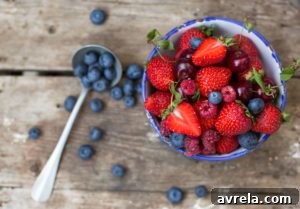
Berries are low on the glycemic scale and rich in antioxidants like anthocyanins, ellagic acid and resveratrol. These compounds help neutralize free radicals and support cellular health. Research links berry consumption with protection against age-related memory decline, improved blood flow to the brain and benefits for mood and concentration. Blueberries, strawberries and raspberries are easy to add to breakfasts, smoothies and snacks.

10. Leafy Green Vegetables
Dark leafy greens are nutrient powerhouses that are worth including daily. They provide folate, lutein, beta-carotene and vitamin E—nutrients associated with better cognitive performance—and vitamins A and K, which support inflammation control and bone health. Studies show that regular consumption of leafy greens is linked to a slower rate of cognitive decline in older adults. If you aren’t fond of raw greens, blend them into smoothies, add them to soups or incorporate them into sauces to increase intake without changing texture dramatically.
Including a variety of these foods regularly—nuts, nutrient-rich broths, healthy oils, antioxidant-dense fruits and vegetables, fatty fish and well-sourced animal products—can help support brain health as part of a balanced diet. Small, consistent changes to your daily meals make a meaningful difference over time.