
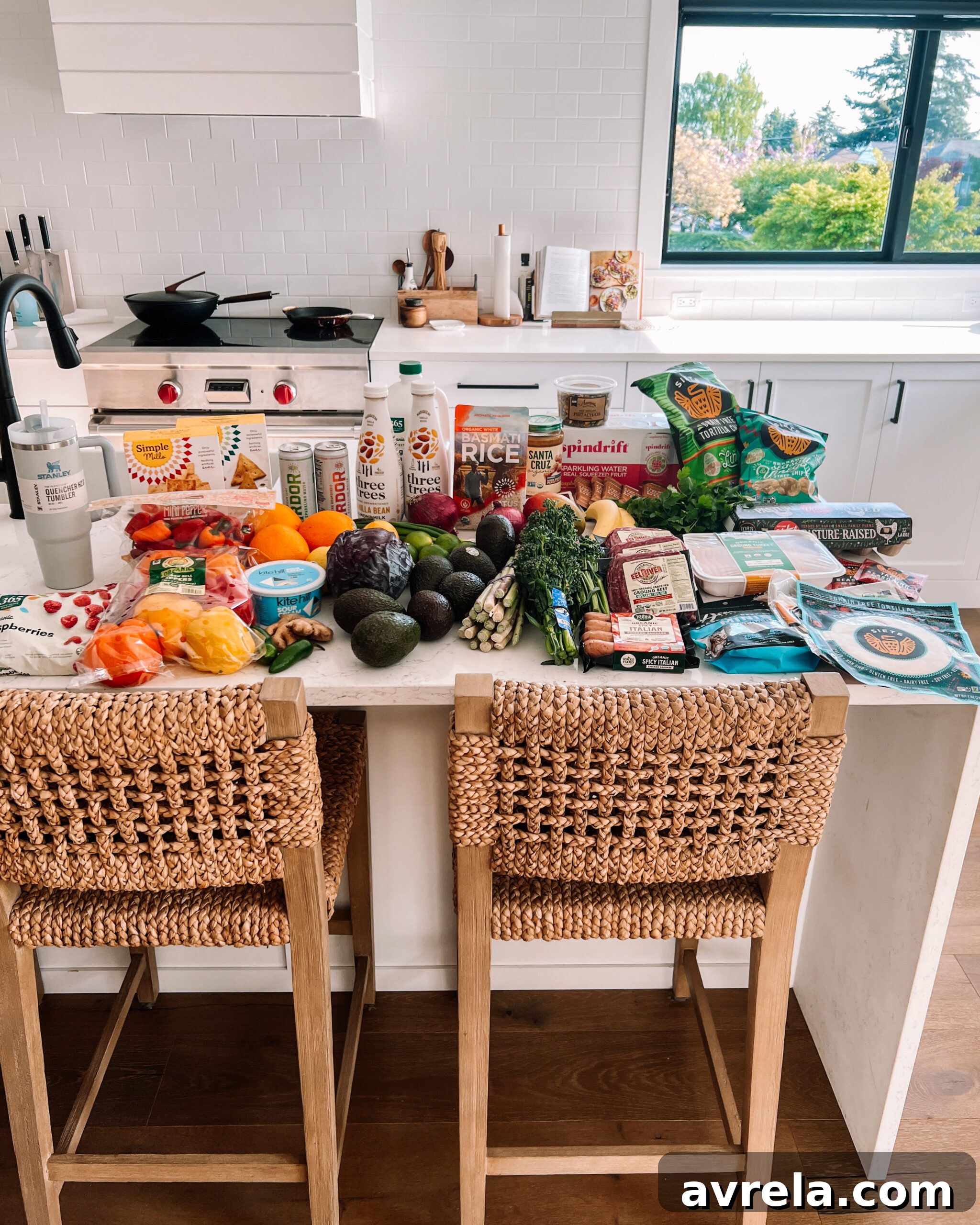
As a registered dietitian, I pay close attention to what’s in your food as much as what’s missing—because both matter for how you feel. Sugar tastes good, but it’s not doing us any favors. While we expect sugar in cookies and desserts, it’s surprising how many foods marketed as “healthy” contain hidden sugars—sometimes as much, or even more, than actual sweets.
Even more frustrating: brands often advertise products as “organic,” “natural,” or “immune-supporting” while a single serving can use up most of your recommended daily sugar. Those labels don’t guarantee a low-sugar product.
Learning to read ingredient labels is one of the most powerful tools for improving your nutrition and long-term health. Manufacturers frequently add sugar or starch blends to improve flavor and texture, but those additives can undermine health goals.
There are so many sneaky places sugar hides and so many names it uses on ingredient lists. Below I’ll help you spot common sources and recognize the names sugar can take.
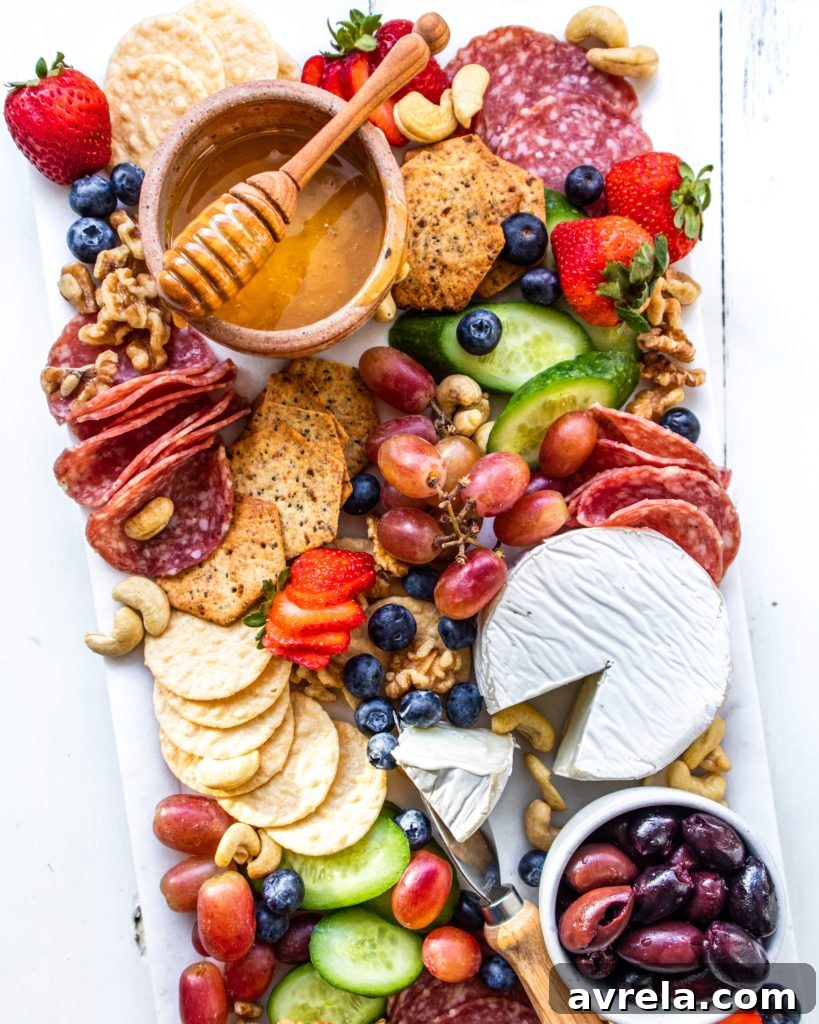
Where Is Sugar Hiding in “Healthy” Foods?
To help you shop smarter, here are 10 common categories where added sugars frequently appear. Keep these in mind when reading labels or clearing out your pantry:
- Breakfast foods: granola, cereals, flavored yogurts, protein bars.
- Condiments & dressings: ketchup, BBQ sauce, teriyaki sauce, and many salad dressings.
- Beverages: flavored creamers, fruit juices, kombucha varieties, and energy drinks.
- Snacks: crackers, granola bars, and pre-packaged “healthy” snack packs.
- Packaged baked goods: muffins, packaged breads, pancakes, tortillas, cauliflower crusts, protein wraps, and some gluten-free breads.
- Sauces & marinades: pasta sauces, stir-fry sauces, and glazes often contain added sweeteners.
- Dairy alternatives: flavored nut milks and plant-based yogurts commonly have added sugars.
- Frozen items: smoothie blends, ready-made meals, and frozen breakfast sandwiches can contain unexpected sugar.
- Nut butters & flavored spreads: even “natural” brands sometimes add sugar to flavored versions like vanilla or chocolate nut spreads.
- Supplements & wellness powders: many greens powders, collagen blends, and protein powders labeled as “clean” still include sweeteners, sugar alcohols, or added sugar.
Sneaky Ingredient Names for Added Sugar
Not only is sugar hiding in many products, it can appear under dozens of different names. Recognizing those names on ingredient lists makes it much easier to avoid added sugar.
Here are just a few common aliases sugar might use: organic cane sugar, brown rice syrup, fructose, agave nectar, maltodextrin, barley malt, and cane juice. There are many more—if an ingredient ends in “-ose” or includes “syrup,” there’s a good chance it’s a form of sugar.
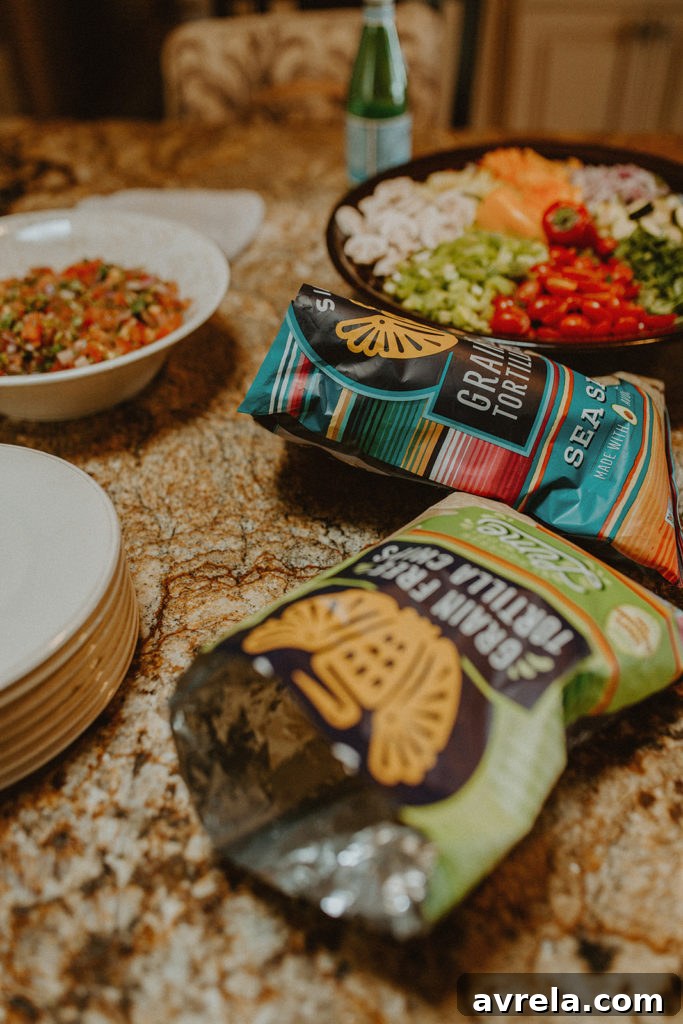
How to Spot Hidden Sugars on Labels
The Nutrition Facts panel is a quick way to see total sugars and added sugars, but the ingredient list tells the full story. Scan ingredients for the names above and watch for multiple sugar sources listed separately—manufacturers sometimes combine several sweeteners to lower their profile.
Quick tip: ingredients ending in “-ose” (like sucrose, glucose, dextrose) or including the word “syrup” are likely sugars. If sugar or a sugar-derived ingredient appears near the beginning of the list, that product contains a significant amount.
What to Do About It
It can feel overwhelming to check every label, especially when you’re short on time. Start by paying attention to the categories above and scanning ingredient lists for common sugar names. Over time you’ll recognize brands and products that consistently use added sugars and be able to make faster choices at the store.
If you want to reduce sugar intake, focus on whole foods—plain vegetables, whole grains, legumes, lean proteins, and unsweetened dairy or dairy alternatives—and prepare more meals at home where you control the ingredients. Small swaps, like choosing plain yogurt and adding fresh fruit, can make a big difference.
Use label reading as a habit: check the Nutrition Facts for “Added Sugars,” and read the ingredient list for hidden names. These simple steps give you more control over your daily sugar and help protect long-term health.