
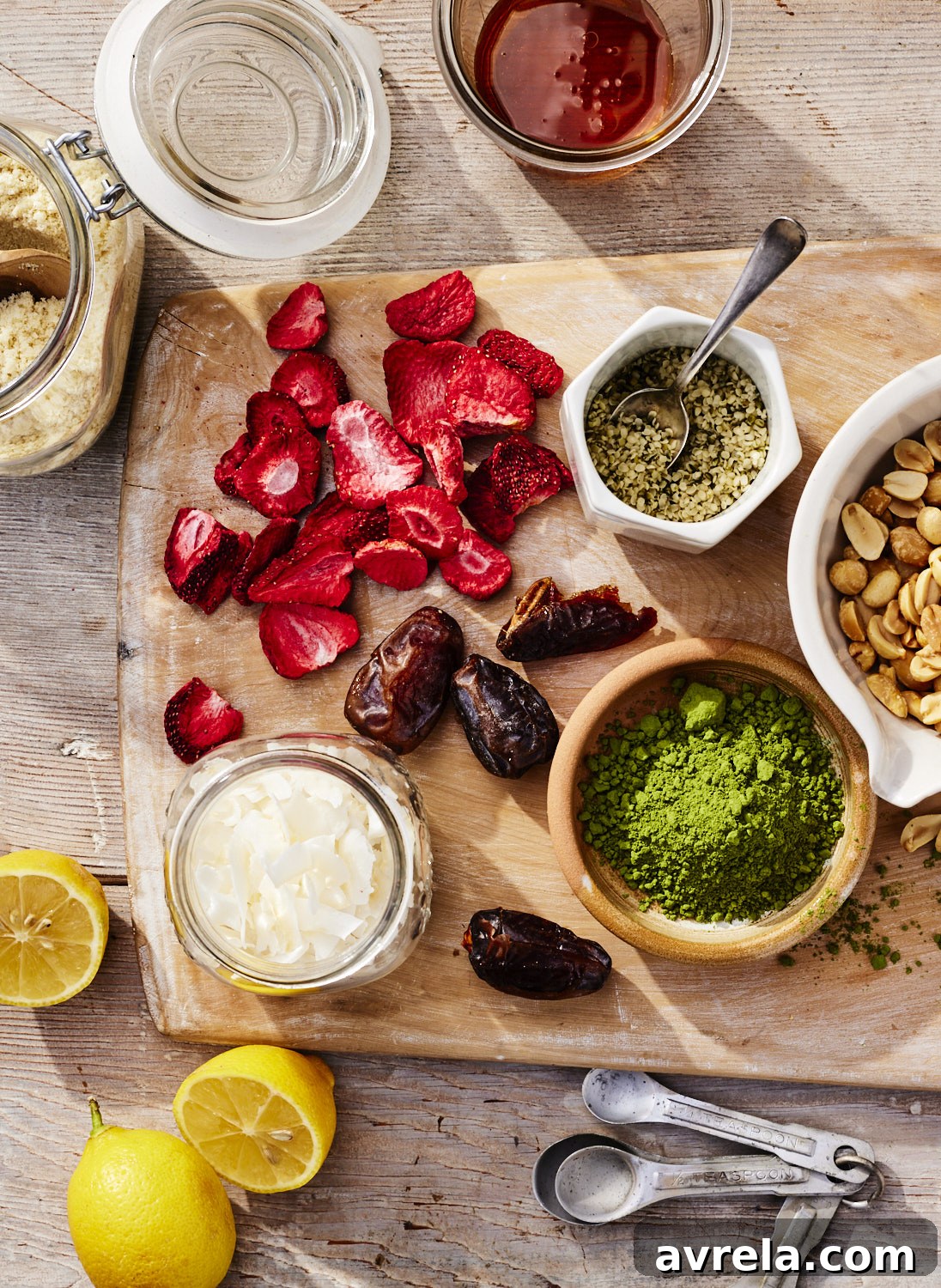
Maintaining a healthy gut can feel overwhelming with so much advice out there, but small, consistent changes to diet and lifestyle make a big difference. While many factors influence gut health — including sleep, stress, movement, and environment — nutrition is one of the easiest areas to improve quickly. Below are three simple, practical food-focused strategies you can incorporate into your daily routine to support your digestive health.
- High-fiber foods. Dietary fiber is essential because it feeds beneficial gut bacteria and supports regular digestion. Aim to include fruits, vegetables, whole grains, legumes, nuts, and seeds at meals and snacks. Adding chia seeds or ground flaxseed to smoothies, oatmeal, or baked goods is an effortless way to boost fiber intake without changing your routine. Fiber also supplies vitamins, minerals, and antioxidants that help overall health.
- Fermented foods. Fermented foods contain live cultures that can introduce helpful bacteria to your digestive tract. Incorporate options like kimchi, sauerkraut, pickled vegetables (fermented, not just vinegar-brined), kombucha, and naturally fermented condiments. If you tolerate dairy, yogurt and kefir are traditional sources of probiotics. Start with small portions to assess tolerance, and choose minimally processed varieties for the best results.
- Dark leafy greens. Leafy greens are nutrient-dense and act as natural prebiotics, supplying fiber and compounds that feed beneficial microbes. Include a generous handful of spinach, kale, collards, or mixed greens with lunch and dinner, or make a salad the main component of one meal each day. Greens also provide vitamins, minerals, and antioxidants that support immune and metabolic health. If you need extra convenience, a high-quality greens supplement can help fill occasional gaps, but whole foods should remain the foundation of your approach.
Start with one change at a time — for example, add a serving of leafy greens to your lunch for a week, then try a daily spoonful of ground flax in your smoothie the next week. Monitoring how your body responds and making gradual adjustments will lead to long-term, sustainable improvements. Beyond food, remember to prioritize sleep, regular movement, hydration, and stress management, as these habits work together with diet to promote a resilient gut.