
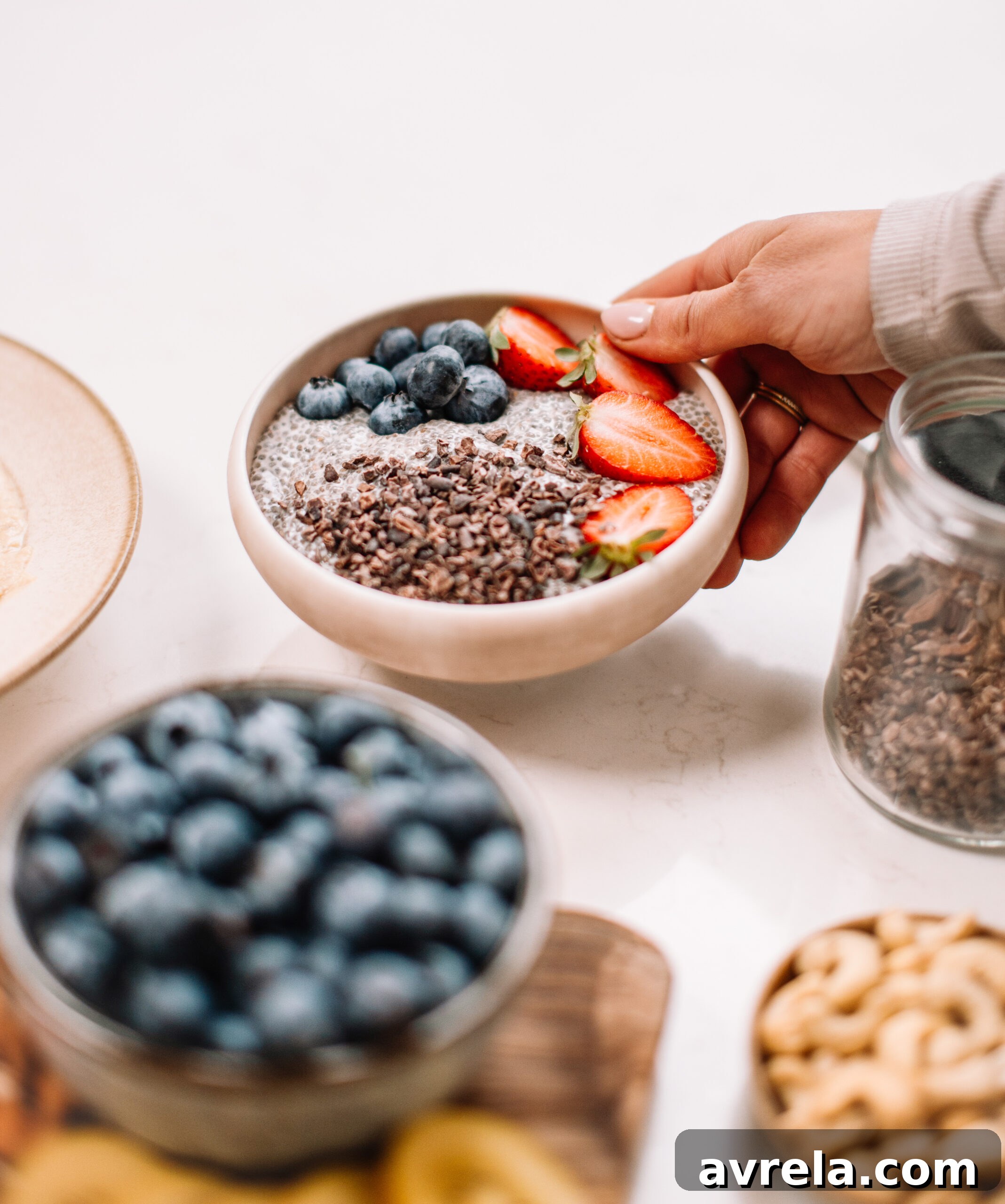
Gut health affects nearly every part of your daily life — from digestion and immune function to energy, mood, and even skin appearance. The good news is that you don’t need costly supplements to support a healthy gut. Simple, consistent habits practiced every day can help your microbiome thrive and improve overall wellness.
As a registered dietitian, I’ve written about gut health before. Here I offer five practical, natural strategies to support digestion, boost energy, and promote long-term well-being.
1. Prioritize Fiber-Rich Foods
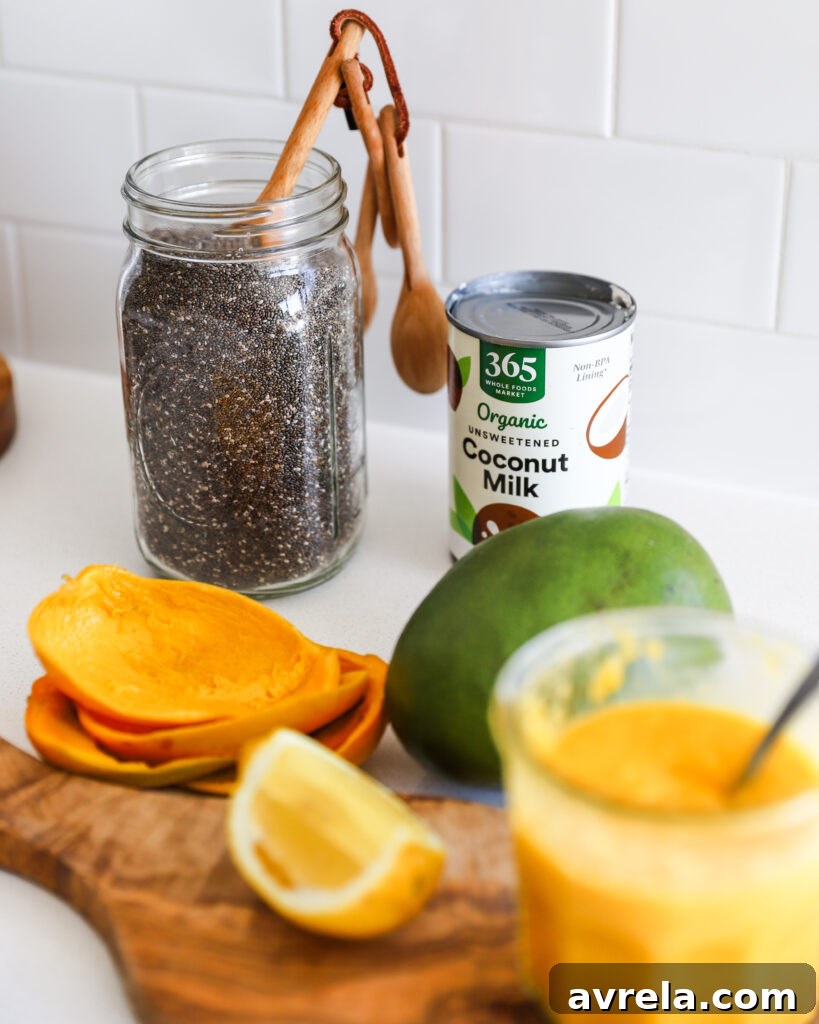
One of the most effective ways to support gut health is to increase your intake of dietary fiber. Fiber feeds the beneficial bacteria in your gut, supports regular digestion, and helps keep things moving. Aim to include a variety of both soluble and insoluble fiber from whole foods such as fruits, vegetables, legumes, whole grains, chia, and flax.
Most adults benefit from roughly 25–30 grams of fiber per day, which helps nourish gut bacteria and supports comfortable digestion without excessive gas or bloating. Focus on gradually increasing fiber and pairing it with adequate fluids to avoid digestive discomfort.
- Choose whole, minimally processed sources of fiber: berries, leafy greens, beans, oats, and seeds are easy ways to boost intake.
- Variety matters: different fibers feed different microbes, so include a range of plant foods across meals.


2. Stay Hydrated
Hydration and gut health are closely connected. Water helps break down food, moves fiber through the digestive tract, and prevents constipation. Even with a high-fiber diet, inadequate fluid intake can slow digestion and cause discomfort.
Alongside plain water, include water-rich foods such as cucumbers, citrus fruits, berries, and watermelon. In hotter weather or after exercise, adding electrolytes can help replace minerals lost through sweat.
- Herbal teas and fruit-infused water add variety without added sugars.
- Start the day with a tall glass of water to support digestion and hydration.


3. Manage Stress Daily
The gut and brain communicate constantly, so chronic stress can disrupt digestion, alter the microbiome, and cause symptoms like bloating or discomfort. Managing stress with daily habits supports both mental well-being and gut function.
Simple practices that help include short walks outdoors, deep-breathing exercises, brief screen breaks, light workouts, or a few minutes of quiet reflection. Regular movement and relaxation techniques lower stress hormones and support healthy digestion.
- Make small, consistent stress-reducing actions part of your routine — even five to ten minutes can help.

4. Eat Slowly and Mindfully
How you eat matters nearly as much as what you eat. Slowing down at meals and chewing thoroughly helps your digestive system work efficiently, reducing bloating and gas while improving nutrient absorption.
Try these simple mindful-eating habits:
- Sit down without distractions
- Put your phone away during meals
- Chew each bite thoroughly to aid digestion
These small changes also help your body recognize fullness cues, which can prevent overeating and curb mindless snacking.
5. Include Fermented Foods Regularly
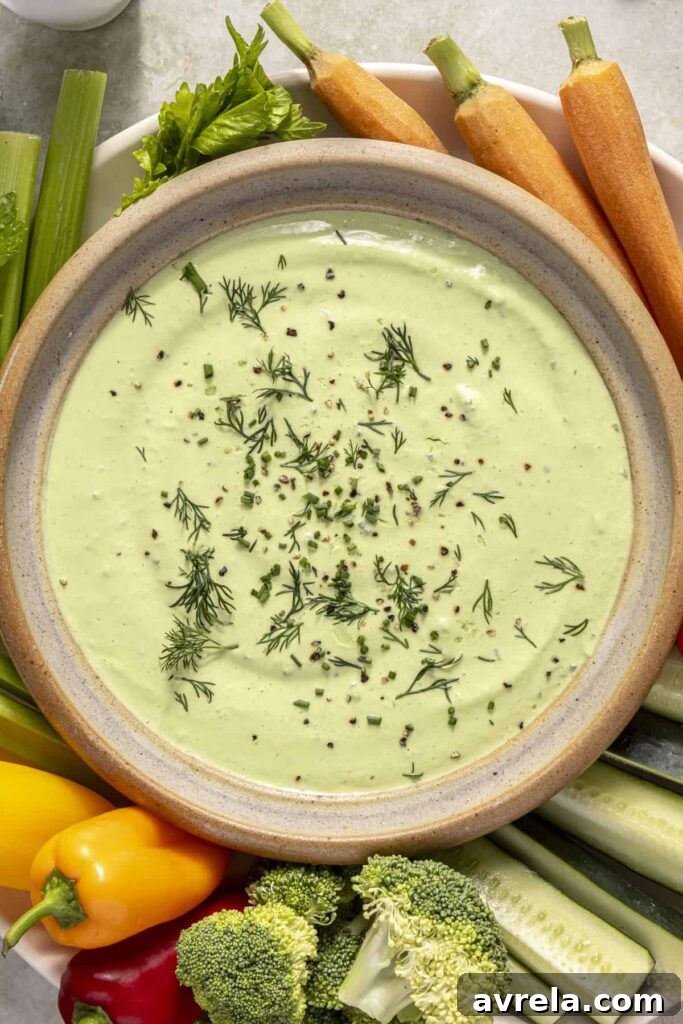
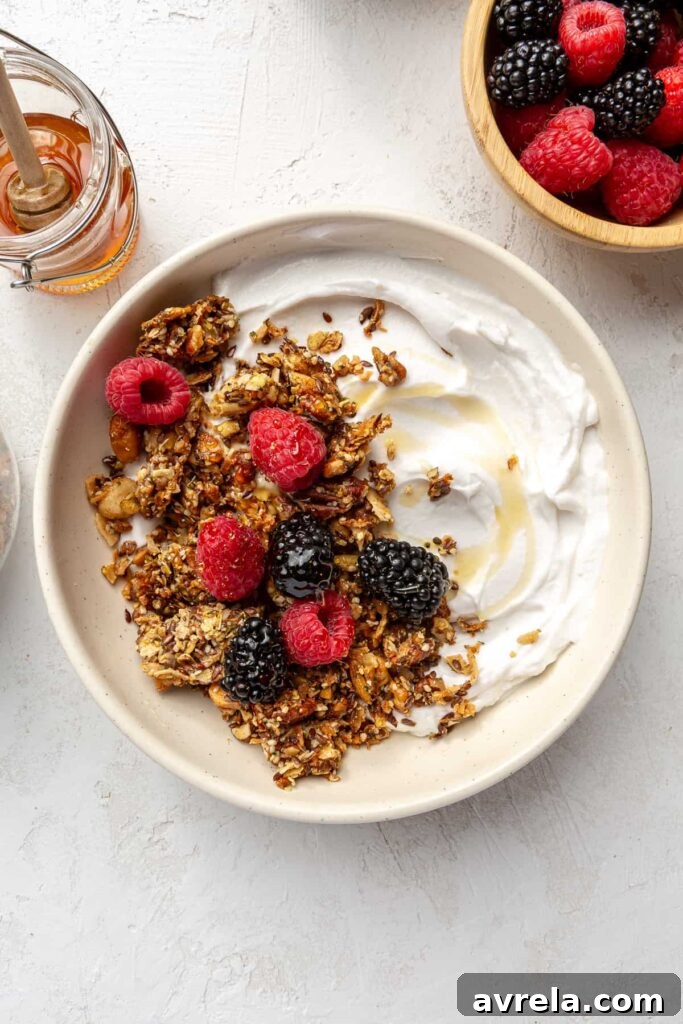
Fermented foods contain natural probiotics — live beneficial bacteria that help balance the gut microbiome. Regularly including these foods can support digestion, immunity, and even mood.
Probiotic-rich foods to consider:
- Yogurt or kefir with live active cultures
- Sauerkraut
- Kimchi
- Miso
- Tempeh
After a course of antibiotics, which can reduce both harmful and helpful bacteria, incorporating fermented foods can help restore microbial balance. While supplements can be useful for some people, many find consistent intake of fermented foods and fiber is sufficient.

One More Thing: Make Sleep a Priority
Sleep and circadian rhythm influence the gut microbiome. Poor or irregular sleep can disrupt digestion, weaken immune function, and increase cravings the next day. Aim for 7–9 hours of quality sleep per night to support gut health and overall recovery.
Build Habits That Stick
You don’t need a dramatic lifestyle overhaul to improve gut health. Focus on small, sustainable changes that fit your life — eating more fiber, staying hydrated, managing stress, practicing mindful eating, and adding fermented foods. Consistency over time yields the best results.
Gut health is not about perfection. Pay attention to what makes you feel best, and make incremental changes one step at a time.
Sources:
- Harvard Health — information on dietary fiber and gut health
- UCSF Health — guidance on increasing fiber intake
- Research linking stress, sleep, and the gut microbiome
Find more of my Nutrition Tips HERE on the blog.