
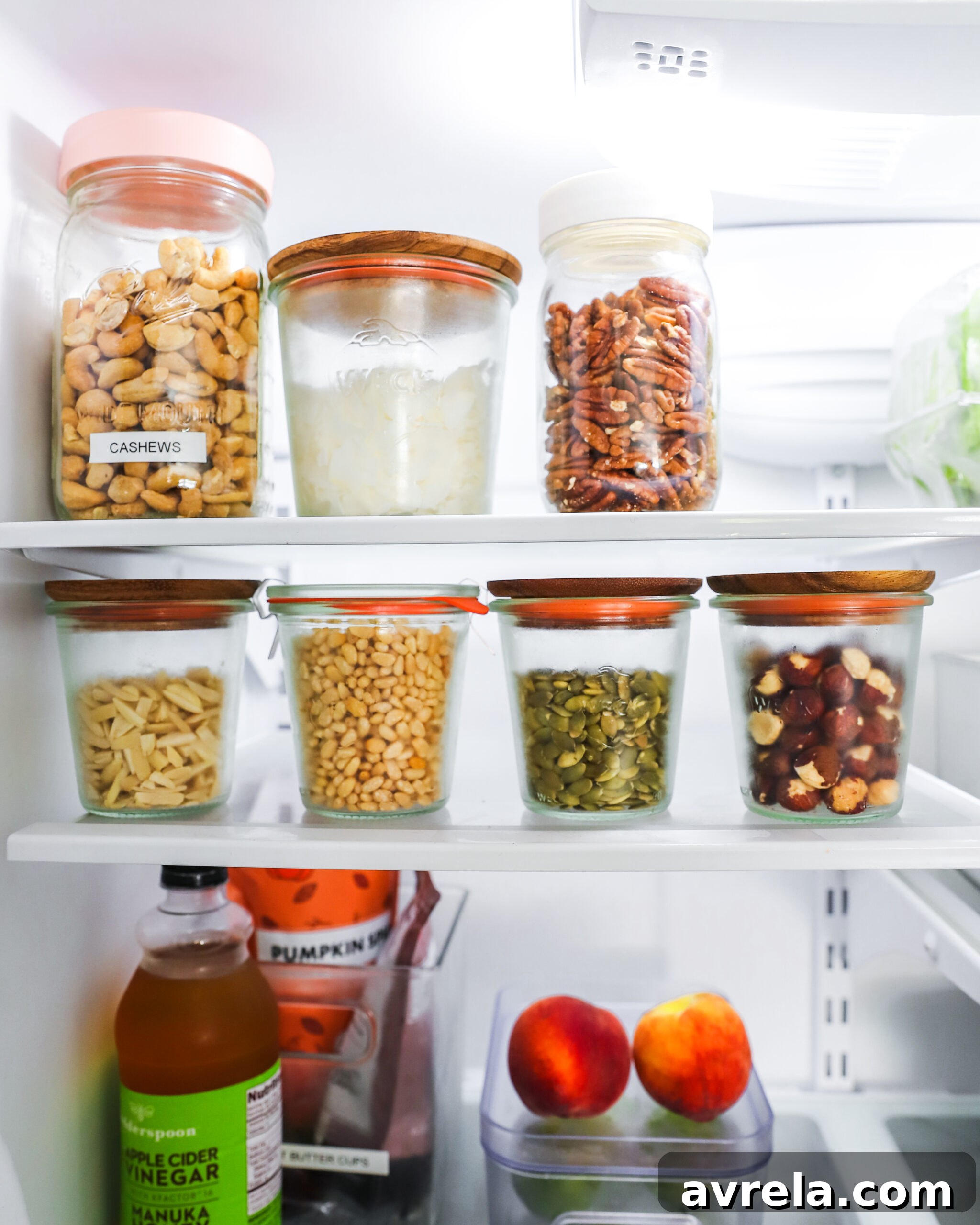
Stepping into a new home often sparks a desire for fresh starts, and for many, that extends to the kitchen. One area that frequently prompts questions, especially for those passionate about healthy eating, is the optimal storage of pantry staples. Among the most delicate yet vital ingredients are nuts and seeds – tiny powerhouses of nutrition that, if not properly cared for, can quickly lose their beneficial properties and delicious flavor. This comprehensive guide will equip you with the knowledge to store your nuts and seeds flawlessly, ensuring they remain fresh, potent, and ready to enhance your culinary creations.
Over years of exploring healthy eating and efficient kitchen management, I’ve come to understand the nuances of preserving ingredients for maximum nutritional value. Nuts and seeds are particularly special; they are abundant in healthy unsaturated fatty acids, which are crucial for our well-being. However, these very fats make them highly susceptible to environmental factors like heat, oxygen, and light. When exposed, these delicate fats can undergo oxidation, leading to rancidity. This chemical process results in an unpleasant, harsh, and bitter flavor, making them not only unappetizing but also potentially detrimental to digestion and overall health.
Given their sensitivity, nuts and seeds have a relatively limited shelf life compared to many other pantry items. This is why a thoughtful approach to purchasing and storage is paramount. Buying smaller quantities that you expect to use within a reasonable timeframe is a smart strategy. Furthermore, adopting refrigeration and freezing as primary storage methods can dramatically extend their freshness, preserving their taste, texture, and nutritional integrity. These versatile ingredients are perfect for quick snacking, enriching baked goods, adding crunch to salads, or garnishing savory dishes – making proper storage an investment in your health and culinary enjoyment.
The Ultimate Guide to Storing Nuts and Seeds for Maximum Freshness and Nutrition
Unlocking the full potential of nuts and seeds in your diet begins with understanding how to keep them at their peak. These small but mighty foods are packed with essential nutrients, including omega-3 and omega-6 fatty acids, plant-based protein, fiber, vitamins, and minerals. However, their rich oil content also makes them prone to spoilage. Mastering the art of storage will not only preserve their delightful taste and texture but also ensure you reap all their incredible health benefits. Let’s dive into the indispensable tips for keeping your nuts and seeds super fresh.
Essential Strategies for Preserving Your Nuts and Seeds
1. Airtight Containers: Your First Line of Defense Against Spoilage
Perhaps the most critical step in preventing nuts and seeds from turning rancid is storing them in an airtight environment. Imagine those half-opened bags of nuts shoved deep in your pantry – a common sight, but a recipe for accelerated spoilage! Oxygen is a primary enemy of the delicate fats found in nuts and seeds, initiating the oxidation process that leads to rancidity. By creating an airtight seal, you dramatically reduce their exposure to oxygen, significantly extending their freshness.
Beyond oxygen, airtight containers also protect your nuts and seeds from absorbing unwanted odors. Nuts and seeds are surprisingly porous and can quickly take on the smells of other strong-flavored items in your pantry or refrigerator. This means your almonds could end up tasting faintly of onions, or your sesame seeds might acquire a garlicky note – not ideal for their intended use! High-quality airtight containers, such as glass Weck jars, classic Mason jars, or durable glass food storage containers, are excellent choices. Not only do they provide an impermeable barrier against air and odors, but glass also offers the benefit of being non-reactive and easy to clean. When you bring nuts and seeds home from the grocery store, make it a habit to transfer them immediately from their original packaging into an airtight container. This simple step can make a world of difference in their longevity and flavor.
2. Embrace the Chill: Refrigeration and Freezing for Extended Freshness
While an airtight container is crucial, combining it with cool temperatures elevates your storage game. Nuts and seeds can last approximately 3-4 months in a cool, dark pantry when properly sealed. However, their shelf life can be substantially extended to 6 months or even longer when stored in the refrigerator, and upwards of a year or more in the freezer. The reason is simple: cold temperatures significantly slow down the chemical reactions (like oxidation) that cause fats to break down and turn rancid. Think of cold storage as hitting the pause button on the aging process for your precious ingredients.
For items you use frequently, like a handful of almonds for daily snacking or flaxseeds for your morning smoothie, the refrigerator is perfect. It keeps them readily accessible while providing enough chill to maintain freshness for several months. For larger quantities or less frequently used varieties, the freezer is your best friend. Freezing is particularly effective for highly perishable nuts such as walnuts, pecans, and pine nuts, which have a higher fat content. When freezing, it’s wise to portion them into smaller, airtight bags or containers. This allows you to thaw only the amount you need, preventing repeated thawing and refreezing, which can degrade quality. Most nuts and seeds can be used directly from the fridge or freezer in recipes, though some, like almonds for baking, might benefit from coming to room temperature first to ensure optimal texture. One common exception might be hemp seeds, which some people, including myself, keep on the counter if they go through them very quickly. Hemp seeds are celebrated for their impressive nutritional profile, boasting omega-3s and a substantial 10g of plant protein per just 2-3 tablespoons, making them a fantastic addition to smoothies, salads, and baked goods. Similarly, keeping delicate flours like almond flour in the refrigerator is highly recommended to prevent premature spoilage and maintain freshness.
3. Start Fresh: Prioritizing Raw and Whole Nuts and Seeds
The journey to fresh nuts and seeds begins at the point of purchase. For maximum shelf life and nutritional integrity, it’s always best to buy nuts and seeds in their raw, whole form. When nuts are chopped, ground into flour, or pre-roasted, their delicate fats become much more exposed to air and light due to increased surface area. This accelerates the oxidation process, causing them to go rancid significantly faster than their whole, raw counterparts. By purchasing them whole, you can perform any necessary processing at home, such as grinding your flaxseeds for optimal absorption, gently roasting cashews for a warmer flavor, or chopping almonds for a recipe, right before use. This control ensures you’re working with the freshest possible ingredient.
When sourcing your raw nuts and seeds, look for reputable suppliers. Places like Thrive Market, the bulk sections of stores with high turnover rates such as Whole Foods (where frequent restocking ensures freshness), or Trader Joe’s are excellent options. These sources often provide high-quality, fresh products. A crucial point to consider when buying nuts is to be wary of pre-roasted varieties. Many commercially pre-roasted nuts are prepared using harmful, highly processed vegetable oils like canola oil, soybean oil, or sunflower oil, which can contribute to inflammation and other health issues. Opting for raw nuts allows you to control the type of oil, or lack thereof, used if you choose to roast them at home. For more detailed information on why it’s beneficial to eliminate certain vegetable oils from your diet, you can click here.
Recognizing and Preventing Rancidity
Signs Your Nuts Have Gone Bad
Even with the best storage practices, it’s essential to be able to identify when nuts and seeds have crossed the line from fresh to rancid. The most telling signs involve your senses:
- Smell: Fresh nuts have a mild, pleasant, and slightly sweet or earthy aroma. Rancid nuts, however, will emit a distinct, unpleasant odor. This can range from paint-like, bitter, or chemical notes to something resembling old, stale oil or even crayons.
- Taste: If the smell doesn’t give it away, the taste certainly will. Rancid nuts and seeds will have a sharp, bitter, sour, or metallic flavor that is very different from their natural taste. It’s a taste you won’t forget and definitely won’t want to repeat.
- Appearance (Less Common): While less common for rancidity, if nuts or seeds have been exposed to moisture, they might show visible signs of mold or discoloration. If you see this, discard them immediately.
While consuming small amounts of rancid nuts might not cause immediate severe harm, regular consumption is not advised. The oxidized fats can contribute to free radical formation in the body, which is linked to cellular damage and inflammation. When in doubt, it’s always better to err on the side of caution and discard any nuts or seeds that exhibit signs of spoilage.
Tips for Optimal Freshness Beyond Storage
- Buy in Small Quantities: Resist the urge to stock up excessively, even if there’s a great sale. Unless you have a large family or frequently use specific nuts and seeds, buying smaller amounts ensures you’ll consume them within their prime freshness window.
- Label and Date: Whenever you transfer nuts and seeds to your storage containers, take a moment to label them with the purchase date. This simple practice helps you track their age and prioritize using older batches first, preventing waste.
- Roast at Home (When Needed): If a recipe calls for roasted nuts, consider roasting them yourself just before use. This intensifies their flavor and aroma significantly. However, remember that once roasted, their shelf life shortens, so consume them quickly or store them in the refrigerator in an airtight container for a few days.
Incorporating Fresh Nuts and Seeds into Your Diet
With your nuts and seeds perfectly fresh and ready, the culinary possibilities are endless! Their versatility makes them incredibly easy to integrate into a healthy diet. Sprinkle them on your morning oatmeal or yogurt for added crunch and nutrition. Blend them into smoothies for a creamy texture and protein boost. Use them as a healthy, satisfying snack on their own or mixed with dried fruit. They make excellent additions to salads, providing texture and a burst of flavor, and can elevate baked goods from muffins to bread. Ground flaxseeds are fantastic in virtually anything, from pancakes to meatballs, for a hidden dose of omega-3s and fiber.
Consuming fresh, properly stored nuts and seeds ensures you’re getting all the incredible health benefits they offer. From supporting heart health with their healthy fats to aiding digestion with their fiber content and building strong muscles with plant protein, these tiny treasures are vital components of a balanced diet. By implementing these straightforward storage strategies, you’re not just preserving ingredients; you’re investing in a healthier, more flavorful future for your kitchen and your body.
Adopting these practices for storing nuts and seeds will transform your relationship with these powerful superfoods. Say goodbye to bitter, rancid flavors and hello to the vibrant, nutritious ingredients they are meant to be. A little effort in proper storage goes a long way in maximizing the flavor, nutritional value, and longevity of your beloved nuts and seeds, ensuring every bite is as delicious and healthy as possible.