
The concept of wellness is a journey, not a destination, and for me, it has continually evolved and expanded with each passing year. My initial foray into health began at a young age, rooted in the energetic world of fitness through sports like soccer and basketball. This foundational passion soon broadened to encompass nutrition during my high school years, eventually leading me to become a Registered Dietitian – a path I embraced with immense dedication. Today, my understanding of wellness is holistic, deeply integrating factors like the quality of my sleep, my daily stress and energy levels, the intricate balance of my gut microbiome, and most recently, a profound dive into the fascinating realm of brain health.
Currently navigating the 36th week of pregnancy, the journey of growing a new life has offered an unparalleled education in human physiology. The sheer volume of information I’ve absorbed regarding nutrition and supplementation crucial for optimizing brain health, both for myself and my developing baby, has been immense. It’s truly astonishing how interconnected our dietary choices are with cognitive function, mood, and long-term neurological well-being. This profound learning experience has further solidified my conviction in the power of food as medicine, particularly when it comes to nurturing our most vital organ: the brain. Understanding the intricate dance between diet and cognitive performance has become a cornerstone of my personal and professional philosophy.
In this comprehensive guide, I’m eager to share my top four selections for brain-boosting foods, each offering unique and powerful nutrients to support cognitive vitality at every stage of life, with a special emphasis on their unparalleled benefits during pregnancy. These are not merely ingredients but nutritional powerhouses, carefully chosen for their scientifically-backed ability to enhance memory, improve focus, stabilize mood, and protect against neurological decline. By consciously incorporating these foods into your daily diet, you can lay a robust foundation for optimal brain function, ensuring both your mental clarity and the healthy development of your baby’s brain. Let’s delve into these culinary champions and unlock their full brain-enhancing potential.
Eggs: Nature’s Brain-Boosting Powerhouse
Eggs are an often-underestimated powerhouse when it comes to promoting superior brain health, and it’s imperative to emphasize: never, ever skip the yolks! The yolk is where a significant concentration of critical nutrients resides, making it an indispensable component for maximizing the brain-boosting benefits of eggs. These versatile breakfast staples are an exceptional source of choline, a vital nutrient that plays a pivotal role in the production of acetylcholine. Acetylcholine is a neurotransmitter that is absolutely essential for key cognitive functions, including memory retention, learning processes, and overall cognitive acuity. Adequate choline intake is particularly crucial during pregnancy, as it is foundational for the healthy development of the baby’s brain and spinal cord, influencing long-term cognitive outcomes.
Beyond choline, eggs offer a rich tapestry of other brain-supportive nutrients. They contain DHA (docosahexaenoic acid), a crucial omega-3 fatty acid that forms a significant structural component of brain cell membranes. DHA is indispensable for optimal neuronal function and communication, contributing to sharper memory and enhanced problem-solving abilities. Furthermore, eggs provide folate, vital for DNA synthesis and repair, and crucial for preventing neural tube defects in developing fetuses. They are also a good source of vitamin B12, which is critical for nerve health and the production of myelin, the protective sheath around nerves, ensuring efficient brain signaling. Lastly, vitamin D, also found in eggs, is increasingly recognized for its role in mood regulation and cognitive function, with deficiencies linked to cognitive decline and mood disorders.
Integrating eggs into your daily diet is simple and incredibly beneficial. From scrambled eggs to omelets, frittatas, or hard-boiled snacks, their versatility makes them easy to incorporate. I frequently highlight the importance of consistent egg consumption during pregnancy in this blog post, detailing why they are a non-negotiable part of my prenatal nutrition strategy. If you’re seeking a specific choline supplement to further support your baby’s early cognitive development, especially during critical prenatal stages, I highly recommend exploring this option. Ensuring sufficient choline intake through diet and supplementation provides a powerful advantage for both maternal brain health and optimal fetal neurological development, setting the stage for a lifetime of cognitive vitality.
Leafy Greens: The Unsung Heroes of Brain Nutrition
The message about the importance of leafy greens may seem ubiquitous, yet its significance for brain health cannot be overstated. Making an effort to incorporate these vibrant vegetables into at least one or two meals daily is a game-changer for cognitive function. My personal favorite, spinach, is remarkably versatile, blending seamlessly into a wide array of dishes without altering the flavor profile. It effortlessly disappears into creamy smoothies, can be finely chopped and added to hearty soups, or incorporated into main courses like my popular Baked Feta Pasta, which ingeniously features four cups of spinach. This stealthy approach ensures that even the most discerning palates—be it your family’s or your own—will benefit from these nutrient powerhouses without even noticing their presence.
Leafy greens are veritable treasure troves of antioxidants, vitamins, and minerals, functioning as your brain’s personal defense system against daily stressors. These compounds actively combat oxidative stress, a detrimental process caused by free radicals that can damage brain cells and accelerate cognitive decline. Furthermore, the potent anti-inflammatory properties of leafy greens help to mitigate chronic inflammation, which is increasingly linked to neurodegenerative diseases and mood disorders. Key vitamins like folate, present in abundance in greens, are essential not only for preventing neural tube defects during pregnancy but also for supporting crucial cognitive functions such as memory, information processing speed, and emotional regulation. Folate plays a vital role in the synthesis of neurotransmitters, impacting overall brain chemistry and mental well-being.
Beyond spinach, varieties like kale, collard greens, Swiss chard, and romaine lettuce each offer unique nutritional profiles that contribute to brain health. They are rich in vitamin K, which is known to play a role in brain cell signaling, and lutein, a carotenoid linked to improved cognitive function and protection against age-related macular degeneration, which also benefits brain health. The fiber content in leafy greens also supports a healthy gut microbiome, further emphasizing the crucial gut-brain axis connection and its impact on mental clarity and mood. For optimal benefits, I strongly recommend choosing organic leafy greens whenever possible. This minimizes exposure to pesticides and herbicides that can potentially interfere with neurological health. Understanding the differences between conventionally grown and organic produce can be further explored by checking out the Environmental Working Group’s (EWG) Dirty Dozen and Clean Fifteen lists here, which provide invaluable guidance on making informed purchasing decisions for your health and your family’s.
Berries: Nature’s Sweet Treat for Your Brain
Berries are truly nature’s candy, offering a delightful and nutrient-dense treat that directly benefits your brain. These vibrant fruits are not only delicious but also packed with compounds that are scientifically proven to support and enhance cognitive function. A practical tip for incorporating more berries into your diet, especially to manage cost without compromising nutritional value, is to opt for frozen organic berries. They maintain the same impressive nutrient density as their fresh counterparts but are often significantly more economical, making them a perfect addition to smoothies, yogurt bowls, healthy desserts, and even savory dishes. Freezing also preserves their delicate antioxidants, ensuring you get the maximum benefit in every serving. While fresh organic berries can be a delightful indulgence, their frozen equivalents are an equally potent and more budget-friendly option for consistent intake.
The brain-boosting power of berries lies primarily in their rich concentration of flavonoids, particularly anthocyanins, which are responsible for their beautiful red, blue, and purple hues. These potent plant compounds are powerful antioxidants and anti-inflammatory agents that play a critical role in protecting brain cells from damage caused by oxidative stress and inflammation. Chronic inflammation in the brain is a major contributor to cognitive decline and neurodegenerative diseases, making the anti-inflammatory properties of berries incredibly valuable. Flavonoids enhance communication between brain cells, which directly supports improved memory, faster learning capacity, and better overall cognitive processing. Studies have shown that regular consumption of berries can even help protect against age-related memory decline, keeping your mind sharper for longer.
Beyond flavonoids, berries also provide essential vitamins like vitamin C, another powerful antioxidant crucial for brain health and immune function. Their fiber content contributes to gut health, which is increasingly recognized as being intricately linked to brain health through the gut-brain axis, influencing mood and cognitive function. Incorporating a variety of berries—such as blueberries, strawberries, raspberries, and blackberries—ensures a broader spectrum of beneficial compounds. Each type offers a slightly different profile of antioxidants and phytochemicals, providing comprehensive support for your brain. For those wondering about the “why” behind organic choices, especially for produce items frequently sprayed with pesticides, refer to the Environmental Working Group’s (EWG) ‘Dirty Dozen’ and ‘Clean Fifteen’ lists. This resource here is invaluable for understanding which fruits and vegetables are most important to buy organic to reduce your exposure to potentially harmful chemicals, ensuring you’re nourishing your brain with the cleanest possible fuel.
Fatty Fish: The Omega-3 Goldmine for Brain Health
Fatty fish stands out as one of the most vital foods for optimal brain function, primarily due to its exceptional concentration of omega-3 fatty acids, specifically DHA (docosahexaenoic acid) and EPA (eicosapentaenoic acid). These healthy fats are not merely beneficial; they are absolutely crucial for building the structural integrity of your brain cells. DHA, in particular, is a major structural component of the cerebral cortex, the area of the brain responsible for memory, thought, and language. It plays a fundamental role in maintaining the fluidity of neuronal membranes, which is essential for efficient neurotransmitter function and effective communication between brain cells. This continuous, smooth neurotransmission is what keeps your memory sharp, your focus unwavering, and your mood stable.
The benefits of omega-3s extend far beyond just structural support. EPA, another key omega-3, is renowned for its potent anti-inflammatory properties. Chronic inflammation in the brain can contribute to a host of neurological issues, from cognitive impairment to mood disorders. By reducing neuroinflammation, fatty fish helps protect brain tissue, enhance cognitive performance, and potentially lower the risk of neurodegenerative diseases like Alzheimer’s. Furthermore, these essential fatty acids play a significant role in mood regulation. They are involved in the synthesis and function of neurotransmitters such as serotonin and dopamine, which are critical for feelings of well-being and happiness. Regular consumption of fatty fish has been linked to a reduced risk of depression and anxiety, highlighting its importance for mental health as much as cognitive function.
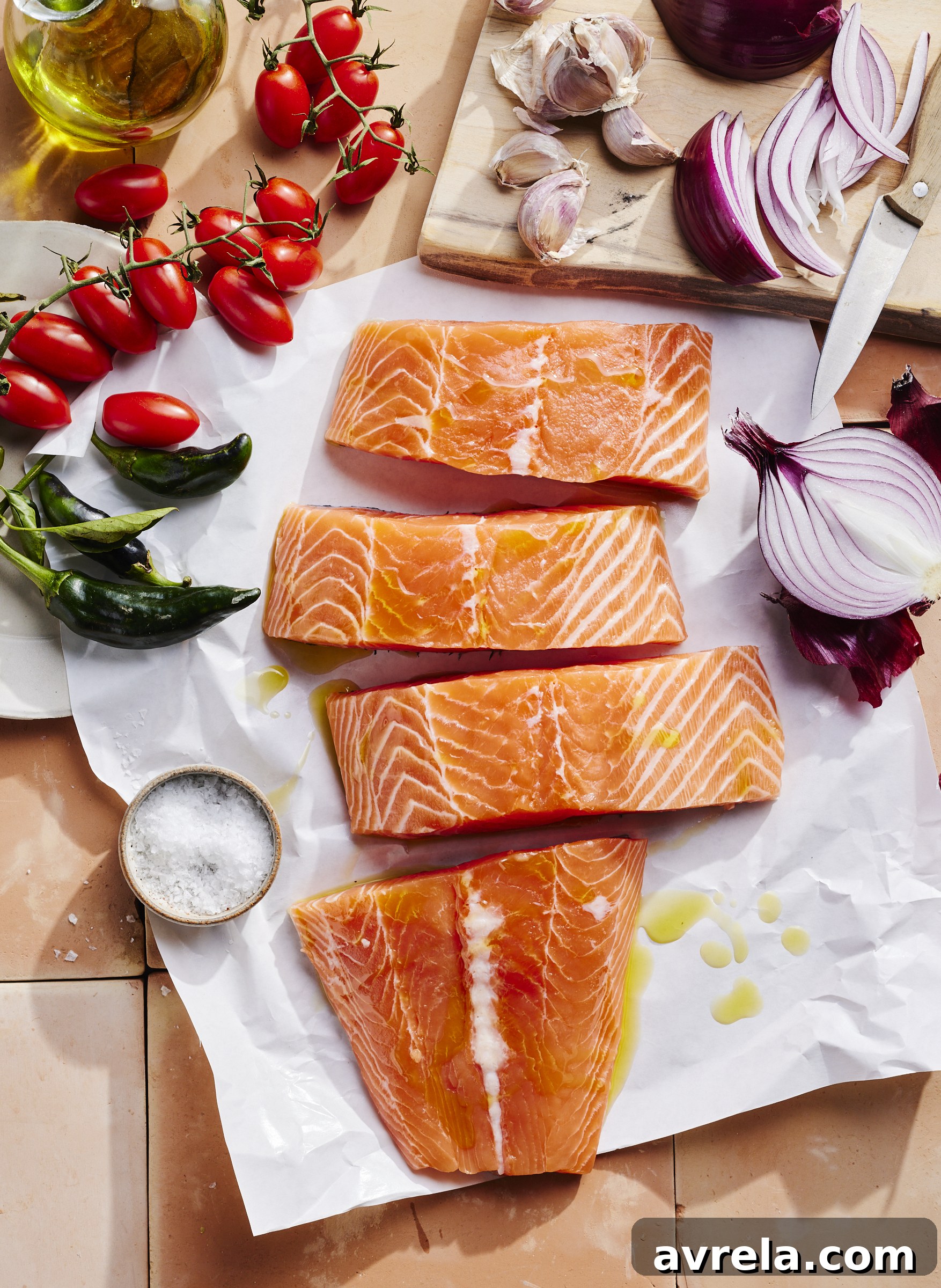
For maximizing the nutritional value, opting for wild-caught fatty fish is highly recommended. Wild-caught varieties typically boast higher levels of omega-3s and fewer contaminants compared to farmed fish. My personal favorite is wild-caught salmon, which is not only delicious but also incredibly versatile. Incorporating fatty fish into your diet two to three times per week can yield significant benefits. Beyond salmon, consider mackerel, sardines, anchovies, and trout as excellent sources of these brain-boosting fats. For those seeking fresh and flavorful ways to enjoy protein-rich fish, I highly recommend trying my Copycat Niçoise Salad, a vibrant and complete meal, or these insanely delicious Sesame Salmon Rice Bowls, which are quick, easy, and packed with flavor. These recipes not only provide a delicious culinary experience but also ensure a substantial intake of the vital omega-3s necessary for optimal brain health for both you and your developing baby.
Brain-Boosting Foods During Pregnancy: Nurturing Two Brains
During pregnancy, the significance of eating for brain health intensifies exponentially, extending beyond maternal well-being to encompass the foundational development of a new life. The nutrients you consume during this critical period play an absolutely vital and irreplaceable role in your baby’s brain development, particularly during the early stages when the neural tube forms and brain cells begin to rapidly proliferate and migrate. This remarkable period of growth, from the earliest weeks through the third trimester, is highly dependent on a steady supply of specific macro and micronutrients, making maternal diet a direct architect of future cognitive capabilities and neurological health for your child.
Omega-3 fatty acids, notably DHA, which are abundantly found in fatty fish, are nothing short of essential for the intricate development of your baby’s brain and nervous system. DHA is rapidly incorporated into the fetal brain and retina, contributing to visual acuity and the complex architecture of cognitive processing centers. Sufficient maternal DHA intake has been linked to improved infant cognitive development, better sleep patterns, and even positive behavioral outcomes. Simultaneously, leafy greens provide an array of essential vitamins and minerals, with folate standing out as a critical nutrient. Folate is paramount for preventing neural tube defects, serious birth defects of the brain and spine, making its adequate intake crucial even before conception and throughout the first trimester. Beyond this, folate also supports overall cell growth and division, which are constant processes during fetal development.
Furthermore, the rich antioxidants found in berries serve as protective agents for both you and your baby. They combat oxidative stress, which can be heightened during pregnancy, safeguarding delicate brain cells from damage. This antioxidant support contributes to overall brain health for both mother and child, potentially reducing the risk of complications and supporting resilient development. Eggs, with their high choline content, become another non-negotiable food during pregnancy. Choline is directly involved in fetal brain development, impacting memory and learning centers, and has been associated with lifelong cognitive benefits for the child. Iron, though not explicitly listed as one of the top four above, is another crucial nutrient during pregnancy for optimal brain health, ensuring adequate oxygen transport to the developing fetal brain. Prioritizing these nutrient-dense foods creates an optimal environment for fetal brain growth, impacting cognitive function and emotional regulation for a lifetime.
The benefits extend to the mother as well. Maintaining a nutrient-rich diet can help combat common pregnancy complaints like “pregnancy brain” (cognitive fogginess) and support stable mood, reducing the risk of prenatal and postpartum depression. By consciously fueling your body with these brain-boosting foods, you are not only taking proactive steps for your own cognitive well-being but are also directly nurturing your baby’s intricate brain development from the very start. For more detailed guidance on a comprehensive pregnancy nutrition plan that prioritizes these and other essential food groups, I encourage you to explore my extensive insights in this post. Remember, every nourishing bite you take is a powerful act of love, supporting two incredible brains and laying the groundwork for a healthy, vibrant future.
With these exceptional brain-boosting foods regularly integrated into your diet, you’ll not only experience an elevated sense of well-being and vitality but also proactively support the unparalleled health of your brain, benefiting you now and throughout your entire life. This commitment to nutritional excellence is an investment in your cognitive longevity and overall mental resilience. For a continuous stream of up-to-date nutrition and fitness advice, alongside my latest personal learnings and daily wellness journey, be sure to follow along on my Instagram. I’m always sharing new insights and practical tips over there, fostering a community dedicated to holistic health and conscious living.