
Embracing the Fourth Trimester: A Guide to Postpartum Life and Newborn Care
The journey into motherhood is a transformative experience, filled with immense joy, profound love, and often, unexpected challenges. The postpartum period, often referred to as the “fourth trimester,” is a crucial time for healing, bonding, and adjusting to a new rhythm of life. For many new parents, it can feel overwhelming, but with thoughtful preparation and realistic expectations, this precious time can be navigated with greater ease and confidence. This article offers an honest look at the early weeks postpartum, sharing practical advice, personal insights, and essential tips for new parents embarking on this incredible adventure.
Navigating Postpartum Recovery: Prioritizing Rest and Healing
The initial weeks following childbirth are a critical phase for maternal recovery, both physically and emotionally. More than any other aspect of my postpartum experience, prioritizing abundant sleep and rest proved to be the cornerstone of my well-being. The first seven days after birth made an immense difference in how my body began to feel, though I must admit, that entire first week was marked by significant soreness and general fatigue. Standing for extended periods often led to aching in my lower back, a constant reminder of the physical exertion my body had just endured. Despite these challenges, I consider myself a natural homebody, which meant I genuinely embraced the slower pace of life at home. There’s a unique comfort in taking things easy and fully immersing oneself in the newness of newborn life.
A noticeable shift in my physical and mental state occurred around ten days postpartum. It was at this point that I truly began to feel a significant improvement, a sense of returning strength and energy. This doesn’t mean recovery is linear; there are always ups and downs. However, understanding that your body has undergone a monumental event is key. Allowing ample time for rest isn’t a luxury; it’s a fundamental necessity for proper healing, hormone rebalancing, and energy replenishment. Many mothers feel societal pressure to “bounce back” quickly, but the most beneficial approach is to listen intently to your body’s signals and grant it the patience and care it deserves. This period is not about productivity, but about gentle restoration and deepening the bond with your baby. Prioritizing rest lays the foundation for a healthier, more sustainable postpartum journey, allowing you to fully cherish these fleeting early moments with your little one.
Smart Preparations for a Smoother Postpartum Period
Preparing for the postpartum period is arguably as crucial as preparing for labor and delivery itself. I am incredibly grateful that I had the major essentials prepped and organized well in advance. The reason for this became crystal clear in the initial weeks after birth: motivation and energy levels plummet. Engaging in any significant tasks, or even seemingly smaller daily chores like cooking and cleaning, felt utterly daunting. The foresight to set up critical areas beforehand saved us immense stress and allowed us to focus solely on our newborn.
Among the most impactful preparations were ensuring the changing table was fully stocked and ready for immediate use, and having a well-organized nightstand by our bed. These two areas quickly became our command centers, particularly during those frequent middle-of-the-night wake periods. Having everything within arm’s reach – diapers, wipes, burp cloths, creams, a fresh change of clothes for the baby, and snacks and water for mom – was an absolute game-changer. It minimized disruption, maximized efficiency, and allowed for precious extra minutes of rest.
Beyond the physical setup, stocking the kitchen was another non-negotiable step. I made sure to have several freezer-friendly meals ready to go, along with an abundance of easy, newborn-friendly snacks. As any new parent quickly learns, you often find yourself with only one free hand, especially while feeding or comforting your baby. Having nutritious, grab-and-go options like granola bars, fruit, nuts, and pre-cut veggies was invaluable. It ensured that I was nourishing my body without requiring elaborate meal preparation. For a comprehensive list of my top freezer-friendly go-to meals, which are perfect for new parents, be sure to check out this dedicated post. These preparations significantly eased the transition into new parenthood, allowing us to spend more quality time bonding as a family.
The Art of Naming Your Baby: How We Chose Hayes
Choosing a baby’s name is one of the most exciting and personal decisions parents make, often imbued with deep meaning and anticipation. For us, the name Hayes made its way onto our brainstorming list relatively early in the pregnancy. However, we weren’t entirely serious about it initially. We had a couple of other strong contenders for boys’ names – boy names, surprisingly, proved to be quite challenging for us to agree upon – and one beloved girl’s name ready, just in case. The decision process truly intensified in the final weeks, with Hayes solidifying its position as a strong possibility only about two weeks before his arrival.
The moment we saw him, it was an undeniable feeling: he was Hayes. There’s a unique connection that sometimes forms the instant you meet your child, where a name that was once just an option suddenly feels like their inherent identity. It was a beautiful and clear moment of certainty. We also chose to honor his father by giving him Bridger’s first name, Michael, as his middle name. It’s a lovely way to weave family history into his identity. For those curious, Bridger’s full name is quite a mouthful: Michael Bridger Floyd Harlington! Our journey to Hayes highlights that sometimes, despite all the planning and lists, the perfect name reveals itself in the most profound moment – when you finally lay eyes on your child. For parents struggling with names, trust your intuition, explore various sources, and remember that sometimes the name chooses the baby, rather than the other way around.
Slowly Re-Engaging with the World: First Outings Postpartum
The transition from the protected bubble of home to the outside world postpartum is a milestone that many new mothers approach with a mix of anticipation and trepidation. In the first few weeks, our outings were strictly limited to essential doctor appointments for both myself and the baby, along with brief, necessary errands. We consciously avoided any prolonged excursions, prioritizing rest and recovery above all else. This cautious approach proved to be incredibly beneficial, allowing my body ample time to heal without unnecessary strain or overwhelming sensory input.
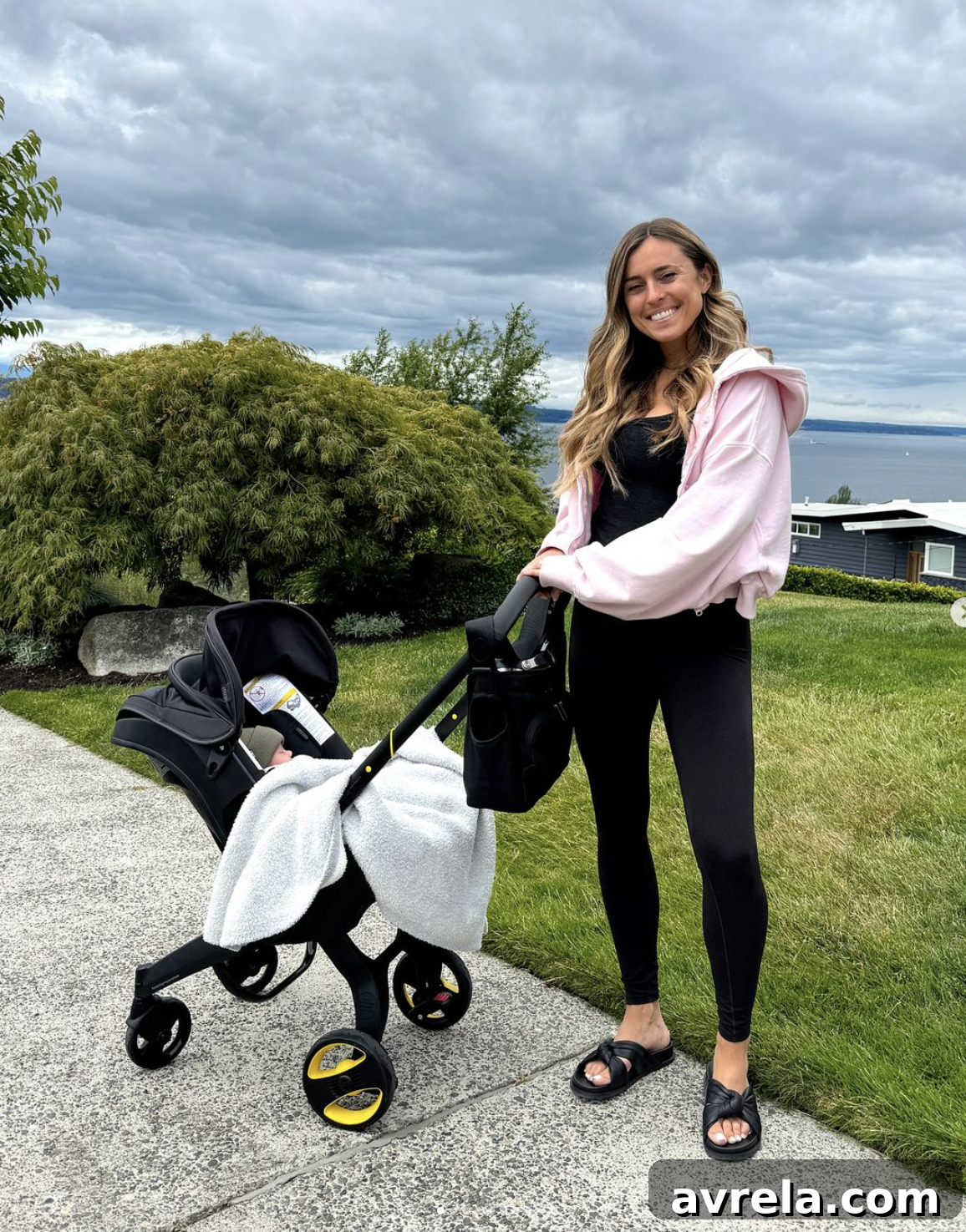
My very first leisurely walk outside, a gentle stroll in the fresh air, took place at 16 days postpartum. I am so glad I had diligently prioritized rest leading up to that point, as the walk felt incredibly refreshing and comfortable. It wasn’t rushed or forced; it was a peaceful reintroduction to movement and the world beyond our front door. A crucial tip I offer to any new mother is this: wait longer than you think you should to get back to your “normal” life. The pressure to resume pre-baby activities can be immense, but resisting it is one of the greatest gifts you can give yourself and your recovering body. My body is already thanking me for the extended period of rest, love, and gentle care it received. This patient approach not only aids physical healing but also supports mental well-being, reducing stress and allowing for a more profound connection with your newborn during this unique and fleeting phase. Embrace the slow pace, soak in the quiet moments, and step back into the world when you truly feel ready, not when you feel expected to.
The Unveiling of Parenthood: Biggest Surprises About Having a Newborn
Bringing a newborn home is an experience replete with surprises, both big and small. Where does one even begin to list them? Perhaps the most unexpected revelation for us has been the sheer amount of time dedicated to burping throughout the day. It truly feels like burping has become a primary occupation! We found ourselves constantly tapping, rubbing, and positioning our little one, sometimes for what felt like an eternity after each feeding. This constant effort highlights the delicate digestive systems of newborns and the importance of helping them release trapped air for comfort and proper feeding.
Another significant surprise was the sheer volume of diapers and changes of clothing required daily. Despite preparing with a substantial stash, the reality of how quickly we went through them was astonishing. Laundry cycles suddenly became a much more frequent affair, underscoring the need for ample supplies and a resilient washing machine!
Beyond the practicalities, I’ve been particularly surprised by how little motivation I have for anything outside of direct baby care. Pre-baby, I was often driven by various projects and tasks. Now, I find myself utterly content with the rhythmic cycle of burping, breastfeeding, relaxing with the baby, rocking him to sleep, and all the other intimate acts of newborn care. This profound shift in priorities is a testament to the overwhelming love and focus that a new baby commands. Time itself seems to transform into a “black hole” during these early weeks; days blend into nights, and the concept of linear time often dissolves into a beautiful, yet demanding, present moment. This period teaches you to let go of external expectations and fully embrace the unique, all-consuming journey of nurturing a brand-new human being.
Navigating Pregnancy Diet: Personal Choices and High-Quality Sourcing
The advice surrounding pregnancy diets can often feel overwhelming, with a long list of “do not eat” rules that vary widely depending on sources and cultural backgrounds. Personally, I found myself adopting a more nuanced approach rather than strictly adhering to every single traditional restriction. My philosophy during pregnancy was largely an extension of my regular, everyday diet, which already emphasizes whole, unprocessed foods. Instead of blanket avoidance, my personal rule centered on always sourcing the highest quality version of any food item and maintaining strong brand loyalty to producers I trust to uphold rigorous standards.
This meant that yes, I did consume foods typically listed as ‘restricted’ for pregnant women, but with careful consideration. For instance, I enjoyed sushi, but only from reputable establishments known for their fresh, high-grade ingredients. Pasture-raised runny yolks, grass-fed meat sticks, artisanal cheeses, and organic deli turkey meat were all part of my diet. The key for me was verifying the origin, freshness, and processing methods of these foods, focusing on minimizing risks through superior quality rather than absolute abstention. I firmly believe in informed choices and listening to your body, while always consulting with healthcare professionals for personalized advice.
A book that served as my personal ‘bible’ during this time, profoundly influencing my dietary choices and overall approach to prenatal nutrition, was this highly recommended read. It provided a well-researched perspective that empowered me to make educated decisions about what I consumed, focusing on nutrient density and overall wellness. Every woman’s body and pregnancy are unique, and what works for one may not work for another. The most important thing is to feel confident and nourished throughout your pregnancy journey.
Essential Insights for the Breastfeeding Journey
Breastfeeding is undeniably a full-time commitment, a journey that is as unique as each mother and baby dyad. It’s a testament to your body’s incredible capabilities, but it also requires immense patience, perseverance, and often, external support. It’s crucial to understand from the outset that it might take some time to figure out what truly works for you and your baby. There will be good days and challenging days, but trusting the process and, most importantly, trusting your body’s innate ability to nourish your child, is paramount.
One major, game-changing tip that was highly recommended to me by other experienced mothers is the use of a milk collector on the opposite breast while you are actively breastfeeding. This simple tool efficiently catches the let-down milk that would otherwise be lost, helping you build a freezer stash effortlessly. Specifically, I found the Boon Trove milk collector to be superior for my needs. While I also own and still use the popular Haakaa Ladybug, I often rotate between them, ensuring I always have a clean one ready. The Boon Trove’s design just offered a better fit and collection for me, but both are excellent options for maximizing milk collection without active pumping.
Beyond milk collection, keeping track of your baby’s feeding patterns and other crucial data is incredibly beneficial. We’ve been diligently using the Huckleberry app to document how often and for how long our baby nurses, the frequency of wet and soiled diapers, logging sleep periods, and tracking wake windows. Having a comprehensive log to look back on is genuinely vital because, trust me, the days with a newborn will inevitably start to blend into one another. The ability to reference the last feeding time, sleep duration, or diaper change provides immense peace of mind and crucial information for pediatric appointments, ensuring your baby is thriving and you can identify any potential concerns promptly.
Preparing for the Big Day: Tips and Must-Haves for Labor and Delivery
For first-time mothers, the prospect of labor and delivery can be both exhilarating and daunting. While every birth experience is unique, thoughtful preparation can significantly enhance your comfort and confidence. One of the best pieces of advice is to approach your birth plan with flexibility. While it’s wonderful to outline your preferences, be prepared for unexpected twists and turns. The ultimate goal is a healthy mother and baby, and sometimes that means deviating from the original plan.
When it comes to packing your hospital bag, think about both your physical comfort and practical necessities. For mom, essentials include comfortable, loose-fitting clothing (a robe and nursing-friendly pajamas are great), heavy-duty pads or postpartum underwear, nipple cream, a long phone charger, and comforting toiletries that make you feel a little more human. Don’t forget snacks and drinks for both you and your partner – labor can be long, and hospital food might not always hit the spot. For baby, pack a going-home outfit, a hat, and perhaps a special blanket. Your hospital will provide most of what the baby needs during your stay, so focus on the sentimental items.
During labor, remember that movement and breathing are powerful tools. Experiment with different positions – walking, rocking, using a birth ball – to find what brings you the most comfort. Your partner’s role is crucial: they can offer physical support, encouragement, and advocate for your wishes. Don’t hesitate to utilize the expertise of your medical team; they are there to guide you through every step. Most importantly, trust your body and its incredible strength. You are capable of amazing things, and preparing for this journey is an act of self-love and empowerment. For a detailed list of all my essential recommendations for labor and delivery, as well as postpartum recovery, you can find them conveniently linked here.
The postpartum period is a unique and challenging, yet incredibly rewarding, chapter in every parent’s life. By embracing rest, preparing thoughtfully, making informed choices, and trusting your instincts, you can navigate this journey with greater confidence and joy. Remember to be kind to yourself, seek support when needed, and cherish every precious moment with your new baby.