
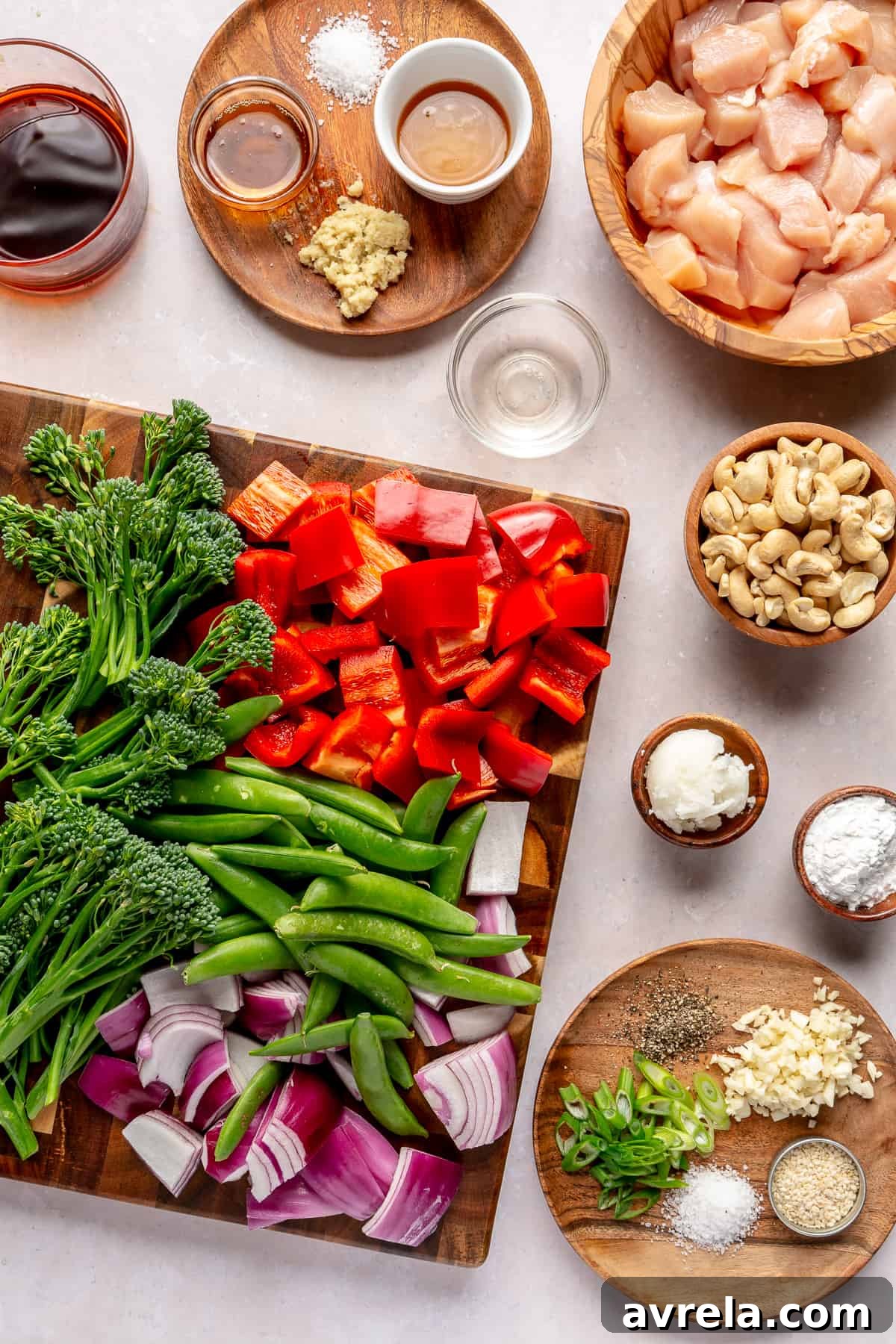
In the heart of every kitchen lies an essential tool, often overlooked but central to countless culinary creations: the cutting board. For many years, plastic cutting boards have been a convenient staple, praised for their perceived ease of use and dishwasher-friendly nature. However, a growing body of evidence suggests that clinging to these plastic options comes with significant downsides, impacting both our health and the environment. It’s time for a critical re-evaluation of this kitchen workhorse. This guide will delve into the compelling reasons why it’s not just a good idea, but a necessity, to transition from plastic to high-quality, durable, and aesthetically pleasing wood cutting boards. We’ll explore the science, the sustainability, and the practical benefits that make wood the undisputed champion of the kitchen countertop.
The Hidden Dangers: Why Plastic Cutting Boards Are A Kitchen Hazard
The seemingly innocuous plastic cutting board carries two significant threats that make it an unsuitable choice for a modern, health-conscious kitchen. These concerns center around the ingestion of microplastics and the profound environmental footprint left behind by plastic products.
Microplastics: An Invisible Contaminant in Your Food
First and foremost, the most concerning issue with plastic cutting boards is the insidious problem of microplastics. Over time, as your knife repeatedly glides across the plastic surface, it creates tiny grooves and scratches. These everyday actions, combined with the normal wear and tear of washing and scrubbing, cause the plastic to degrade, releasing microscopic plastic particles directly into your food. These particles, often invisible to the naked eye, become an unwanted ingredient in your meals.
The ingestion of microplastics is no longer a theoretical concern; it’s a rapidly emerging public health issue. Research indicates that these tiny plastic fragments, once inside the human body, can lead to a range of potential health risks. These include:
- Inflammation: Microplastics can act as foreign bodies, triggering inflammatory responses in various tissues and organs.
- Toxicity: The plastics themselves, or the chemicals leached from them (such as phthalates and BPA, often used in plastic manufacturing), can be toxic, potentially interfering with cellular functions.
- Hormone Disruption: Many chemicals associated with plastics are known endocrine disruptors, meaning they can mimic or interfere with the body’s natural hormones, potentially leading to reproductive issues, developmental problems, and metabolic disorders.
- Gut Microbiome Alterations: There is growing concern that microplastics could negatively impact the delicate balance of bacteria in our gut, which is crucial for digestion, immunity, and overall health.
Every chop, slice, and dice on a plastic board contributes to this cumulative intake, turning a kitchen staple into a silent source of potential health complications.
The Environmental Burden of Plastic
Beyond the personal health implications, plastic cutting boards contribute significantly to a global environmental crisis. Plastic, a material derived from non-renewable fossil fuels, is designed to last indefinitely. This permanence is its downfall when it comes to disposal:
- Persistence: Plastic takes hundreds, if not thousands, of years to break down in the environment. Even then, it doesn’t truly disappear but rather fragments into smaller and smaller microplastics and nanoplastics, continuing its journey through ecosystems.
- Pollution: Once discarded, plastic waste frequently ends up in landfills, where it occupies vast amounts of space, or worse, in our oceans, rivers, and soil. This pollution poses a severe threat to wildlife, entanglement, ingestion, and disruption of natural habitats.
- Resource Depletion and Carbon Footprint: The production of plastic requires significant amounts of petroleum, a finite resource, and involves energy-intensive processes that contribute to greenhouse gas emissions and climate change.
Choosing a plastic cutting board, therefore, is not just a decision for your kitchen, but a contribution to a broader cycle of unsustainable consumption and environmental degradation.
Embracing Superiority: Why Wood Cutting Boards Are The Healthier, Smarter Choice
In stark contrast to their plastic counterparts, wood cutting boards offer a wealth of advantages that make them the superior choice for any discerning home chef. They are not only safer and more sustainable but also bring an element of natural elegance to your kitchen.
Natural Defense: Wood’s Antimicrobial Power
One of the most compelling arguments for wood cutting boards lies in their inherent antimicrobial properties. Studies have consistently shown that wood surfaces are naturally inhospitable to bacteria like Salmonella, E. coli, and Listeria. The science behind this is fascinating: wood is porous and draws moisture away from the surface. When bacteria are exposed to this dry environment, they are trapped within the wood fibers and quickly dehydrate and die off. This process is significantly more effective than on plastic surfaces, which, despite appearing smooth, quickly develop knife marks and crevices that can harbor bacteria, allowing them to multiply.
This natural sanitation means that a properly cared-for wooden board provides a healthier surface for food preparation, reducing the risk of cross-contamination and foodborne illnesses. It’s a testament to nature’s ingenious design, offering protection without the need for synthetic chemicals.
Durability and Longevity: An Investment, Not an Expense
High-quality wooden cutting boards, especially those crafted from dense hardwoods like maple, walnut, or cherry, are renowned for their exceptional durability and longevity. Unlike plastic boards that become visibly scarred and degraded over time, wood possesses a remarkable ability to ‘self-heal.’ The wood fibers, when cut, tend to close back up, making knife marks less pronounced and extending the usable life of the board. With proper maintenance, a good wooden cutting board can last for many years, even decades, becoming a cherished heirloom in your kitchen.
This longevity translates into a smart economic and environmental investment. While the initial cost of a quality wood board might be higher than a cheap plastic one, its extended lifespan means fewer replacements are needed, saving money in the long run and reducing waste. Think of it as a tool that improves with age and care, rather than one destined for early obsolescence.
Sustainability and Aesthetics: Beauty with a Conscience
From an environmental perspective, wood is a far more sustainable choice than plastic. Sourced from responsibly managed forests, wood is a renewable resource. Unlike plastic, which persists for millennia, wood is biodegradable, eventually returning to nature without causing lasting pollution.
Beyond its ecological benefits, wood offers an unmatched aesthetic appeal. The natural grains, varied hues, and tactile warmth of wood add a touch of timeless elegance and organic beauty to any kitchen decor. A well-crafted wooden board can serve not just as a utilitarian tool but also as a beautiful display piece or even a serving platter, elevating the presentation of your culinary creations.
While I personally invested in a magnificent butcher-block style cutting board, which I use for the majority of my daily prep, its substantial presence on the counter means it’s always ready, minimizing the need for extra dishes and making cleanup a breeze. Its durability and aesthetic appeal make it a joy to use. For those who prioritize dishwasher compatibility, there are innovative composite cutting boards available today that offer the convenience of being dishwasher-friendly without the plastic degradation and microplastic release associated with traditional plastic boards. These typically combine wood fibers with a food-safe resin, offering a hybrid solution without the health and environmental drawbacks of pure plastic.
Choosing Your Perfect Wood Cutting Board: A Guide to Informed Decisions
With the understanding that wood is the superior choice, navigating the variety of options can seem daunting. Here’s what to consider when selecting the best cutting board for your kitchen:
Types of Wood and Construction: End-Grain vs. Edge-Grain
- End-Grain Boards: These boards are constructed by gluing together individual blocks of wood so that the end grain (the tree rings) is exposed on the cutting surface. This construction method creates a “self-healing” surface; knife blades go between the fibers rather than cutting across them, which is incredibly gentle on your knives and makes the board exceptionally durable. End-grain boards are often considered the professional’s choice and are typically thicker and heavier.
- Edge-Grain Boards: Made by gluing strips of wood together with the edge grain exposed. These are generally more affordable than end-grain boards, still durable, and excellent for everyday use. While not as “self-healing” as end-grain, they are still far superior to plastic in terms of knife friendliness and longevity.
- Hardwoods are King: Opt for dense hardwoods like maple, walnut, cherry, or teak. These woods are naturally hard-wearing, resist gouging, and are less porous, which helps with moisture resistance and hygiene. Avoid softwoods like pine, which are too easily scarred and absorb too much moisture.
- Bamboo Boards: While technically a grass, bamboo boards are popular for their eco-friendliness and hardness. However, their extreme hardness can be tougher on knife edges, and cheaper bamboo boards sometimes use adhesives that are not food-safe. Always choose high-quality, sustainably sourced bamboo with food-grade glues.
Size, Thickness, and Features
Consider the dimensions that best suit your kitchen space and cooking habits. A larger, thicker board offers greater stability and more surface area for prep, which is ideal for serious cooks. Smaller boards are handy for quick tasks. Look for features like:
- Juice Grooves: A channel around the perimeter of the board helps catch liquids from meats or juicy fruits and vegetables, keeping your counter clean.
- Non-Slip Feet: Rubber feet can prevent the board from sliding during use, enhancing safety.
- Handles: Integrated handles make heavier boards easier to lift and move.
Nurturing Your Investment: Essential Care for Wood Cutting Boards
To ensure your wooden cutting board remains a hygienic, beautiful, and long-lasting tool, proper care is paramount. It’s simpler than you might think, but consistency is key.
Immediate Cleaning and Drying
The golden rule for wood cutting boards is to wash them immediately after use. Do not let food residue dry and stick. Use hot water and a mild dish soap, and scrub with a sponge or brush. Avoid harsh detergents or abrasive scrubbers, which can strip the wood of its natural oils. Rinse thoroughly.
Crucially, never soak a wooden cutting board in water, and absolutely never put it in the dishwasher. The extreme heat, harsh detergents, and prolonged exposure to water in a dishwasher will cause the wood to warp, crack, and potentially harbor bacteria by opening up its pores. After washing, immediately dry the board with a clean towel, then stand it on its edge or use a drying rack to allow air to circulate evenly around all surfaces. This prevents uneven drying, which is a major cause of warping.
Oiling and Conditioning: The Secret to Longevity
Regular oiling and conditioning are vital for maintaining the health and appearance of your wood cutting board. This process replenishes moisture, prevents the wood from drying out and cracking, enhances its natural antimicrobial properties, and creates a protective barrier against food stains and moisture absorption.
- Food-Grade Mineral Oil: This is the most recommended choice as it is inexpensive, food-safe, and does not go rancid. Apply a generous amount of mineral oil to all surfaces of the board, including the sides, and let it soak in for several hours, or even overnight. Wipe off any excess oil.
- Board Butter/Wax Conditioner: A combination of mineral oil and beeswax (often called “board butter” or “cutting board wax”) provides an even stronger protective barrier. The beeswax helps to seal the wood, further preventing moisture absorption and enhancing its luster. Apply a thin layer, let it sit, then buff it in.
- Frequency: The frequency of oiling depends on how often you use and wash your board. As a general rule, aim for once a month, or whenever the board looks dry or dull. If water no longer beads up on the surface, it’s a clear sign it needs re-oiling.
Deep Cleaning and Sanitizing
For a deeper clean or to sanitize after cutting raw meat, you can use natural methods:
- Lemon and Salt: Sprinkle coarse salt over the board, then use half a lemon (cut side down) to scrub the surface. The salt acts as an abrasive, and the lemon’s acidity helps sanitize and remove odors. Rinse and dry thoroughly.
- Vinegar Solution: A spray bottle with a 1:1 ratio of white vinegar and water can also be used as a natural disinfectant. Spray, let sit for a few minutes, then rinse and dry.
By following these simple care instructions, your wood cutting board will not only provide a safe and effective surface for food preparation but will also become a beautiful, lasting fixture in your kitchen, improving with age and reflecting your commitment to quality and health.
In conclusion, the choice between plastic and wood cutting boards is more than just a matter of convenience; it’s a decision with far-reaching implications for your health, your culinary experience, and the planet. By making the switch to high-quality wood cutting boards, you’re not only safeguarding your family from the dangers of microplastics and promoting better food hygiene, but you’re also investing in a durable, sustainable, and aesthetically pleasing kitchen essential. Embrace the natural elegance and superior performance of wood, and elevate your cooking space with a tool that truly stands the test of time. Your kitchen, your health, and the environment will thank you for it.