
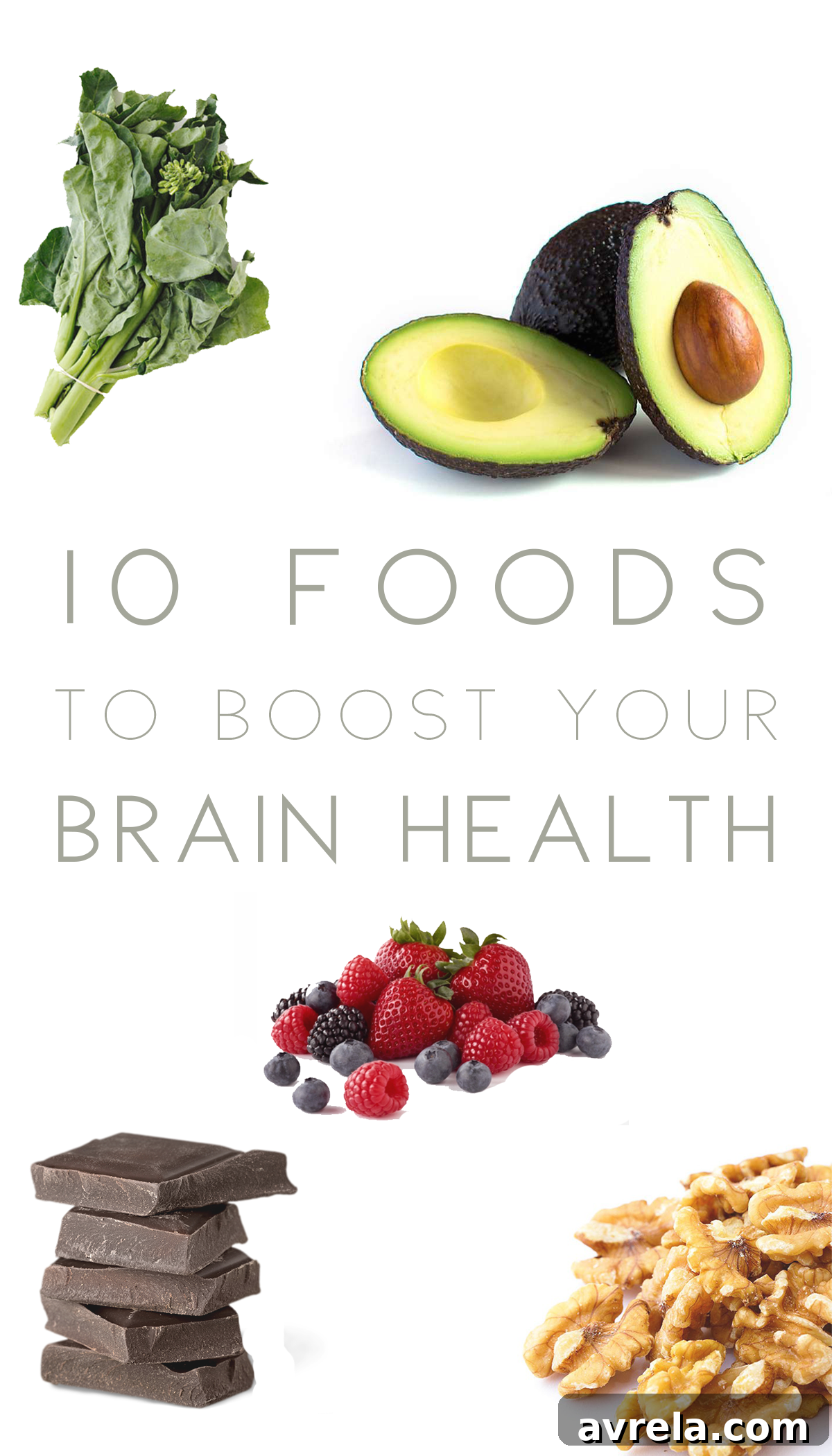
Unlock Your Brain’s Potential: Top 10 Brain-Boosting Foods for Optimal Cognitive Health
Did you know that the food choices we make every day profoundly impact not only our gut health and overall well-being but, most importantly, our brain health? Scientific research consistently demonstrates a powerful connection between nutrition and cognitive function, memory, and mood. By fueling your body with the right ingredients, you can enhance mental clarity, protect against cognitive decline, and foster a healthier, more resilient brain.
This comprehensive guide dives into 10 extraordinary brain-boosting foods that are packed with vital nutrients, powerful antioxidants, essential vitamins, healthy fats, and crucial minerals. These foods are renowned for their ability to combat inflammation, support neurological pathways, and provide the foundational building blocks for a sharp mind. Let’s explore these nutritional powerhouses (in no particular order) and discover how you can effortlessly integrate them into your daily diet to unlock your full cognitive potential.
1. Walnuts: The Ultimate Brain Nut
Often referred to as “brain food” due to their remarkable resemblance to the human brain, walnuts are far more than just a coincidence. They are an exceptional source of healthy fats, particularly monounsaturated and polyunsaturated fats, including a significant amount of alpha-linolenic acid (ALA), a plant-based omega-3 fatty acid. These essential fatty acids are critical for the development and optimal function of the central nervous system. Unlike some other nutrients, omega-3s cannot be produced by our bodies, making dietary intake absolutely essential for maintaining brain health.
Beyond healthy fats, walnuts deliver a rich profile of micronutrients vital for cognitive well-being. They contain iron, selenium, and zinc, all of which play roles in nerve function and protection. Vitamin E, a potent antioxidant abundant in walnuts, has been linked to helping ward off neurodegenerative conditions like Alzheimer’s disease by protecting brain cells from oxidative damage. Furthermore, B vitamins found in walnuts contribute to energy production and neurotransmitter synthesis, supporting overall brain function and mood regulation. Regular consumption of walnuts has also been associated with benefits extending beyond the brain, including lower blood pressure and improved cholesterol levels, which indirectly support brain health by ensuring robust blood flow. Incorporating just a handful of walnuts into your daily routine makes for a perfect, convenient, and highly beneficial snack any time of day, whether tossed in salads, blended into smoothies, or simply enjoyed on their own.
2. Bone Broth: Nourishing the Gut-Brain Axis
Bone broth, a time-honored elixir, has been cherished for centuries as a natural healer and has seen a resurgence in popularity due to its remarkable health benefits, especially concerning gut and brain health. This nutrient-dense liquid is much more than just a flavorful base for soups; it’s a profound source of essential compounds that support various bodily functions. Each cup typically provides 7-10 grams of protein, along with an abundance of gelatin, which is derived from collagen. Gelatin is renowned for promoting smooth and supple skin, healthy hair, and strong nails, but its benefits extend deep within, particularly to the gut lining.
The gut-brain axis is a critical communication pathway, and a healthy gut is fundamental for a healthy brain. Bone broth is rich in key amino acids like glycine, which supports liver detoxification and acts as an inhibitory neurotransmitter in the brain, potentially improving sleep and calming the nervous system. It also contains glutathione, often called the “master antioxidant,” which helps protect the brain from oxidative stress and inflammation. Other amino acids like proline and glutamine are crucial for maintaining the integrity of the intestinal wall, preventing “leaky gut,” which can contribute to systemic inflammation and negatively impact brain function. Furthermore, bone broth is an excellent source of readily absorbable minerals, including calcium, phosphorus, magnesium, and potassium—nutrients that are often lacking in modern diets but are vital for nerve signaling and overall cellular health. Its immune-boosting properties also contribute to a robust defense system, indirectly supporting brain health by reducing the burden of inflammation. Bone broth is truly an all-encompassing health food and an invaluable addition to any diet seeking to optimize both gut and brain function.
For an insightful deep dive into the benefits and preparation of bone broth, consider listening to this podcast: Bone Broth Explained
3. Extra Virgin Olive Oil (EVOO): Liquid Gold for Your Brain
Extra Virgin Olive Oil (EVOO) stands out as one of the most celebrated and thoroughly researched brain foods, and for good reason. As a cornerstone of the health-promoting Mediterranean diet, EVOO is predominantly a monounsaturated fatty acid (MUFA), specifically rich in oleic acid. This healthy fat is not only stable at room temperature but plays a critical role in protecting memory and enhancing learning ability by supporting the structural integrity of brain cell membranes. Beyond its healthy fat content, EVOO is packed with powerful polyphenols, such as oleocanthal and hydroxytyrosol, which are potent antioxidants and anti-inflammatory compounds.
Research indicates that oleic acid and these polyphenols found in EVOO can significantly reduce markers of inflammation throughout the body, including those that impact brain health. Chronic inflammation is a known contributor to cognitive decline and neurodegenerative diseases. Regular consumption of EVOO has been linked to a reduced risk of various cardiovascular diseases, high blood pressure, and stroke – all conditions that can severely impair brain function. By improving cardiovascular health, EVOO ensures a robust supply of oxygen and nutrients to the brain, which is crucial for optimal performance. Furthermore, adopting a Mediterranean-style diet, where EVOO is consumed in high quantities, has consistently been shown to promote superior cognitive function and may offer significant protection against conditions like Alzheimer’s disease by combating oxidative stress and promoting cellular health.
When selecting an extra virgin olive oil, prioritize high-quality, cold-pressed varieties to ensure maximum nutrient retention. My personal favorite is Kouzini Greek olive oil, known for its rich flavor and robust health benefits.
To learn more about how to choose the best EVOO and maximize its benefits, tune into this podcast: The Genius Life on EVOO
Sources:
- https://www.ncbi.nlm.nih.gov/pubmed/23670794
- https://www.ahajournals.org/
- https://www.ahajournals.org/doi/abs/10.1161/01.atv.0000214295.86079.d1
- https://www.ncbi.nlm.nih.gov/pubmed/25274026
4. Dark Chocolate (Cacao): A Sweet Treat for Cognitive Function
Let’s be clear: we’re not talking about just any sugary chocolate bar from the grocery store. To reap the true cognitive benefits, your dark chocolate needs to be of high quality and possess a significant cacao percentage. The key lies in its flavanol content. These powerful plant compounds boast remarkable antioxidant and anti-inflammatory properties. When consumed, cacao flavanols have been shown to improve blood flow to the heart and, crucially, to the brain, enhancing oxygen and nutrient delivery to neural tissues. This improved circulation can lead to better cognitive performance, including enhanced memory, focus, and problem-solving abilities.
The general rule of thumb is: “the darker the chocolate or the higher the cacao percentage, the greater the health benefits.” Aim for dark chocolate with at least 72% cacao or higher to receive substantial levels of beneficial flavanols. Moreover, be mindful of the type of sugar used; opt for bars sweetened with natural alternatives like coconut sugar/nectar, honey, or maple syrup rather than refined sugars, which can negate many of the positive effects. Beyond flavanols, dark chocolate is a rich source of other antioxidants, including polyphenols and catechins, which collectively protect brain cells from oxidative stress. It’s also abundant in essential minerals like iron, which is vital for oxygen transport to the brain; copper, important for neurotransmitter function; zinc, critical for nerve signaling; magnesium, involved in hundreds of biochemical reactions including nerve transmission; and phosphorus, a key component of cell membranes. Enjoying a small portion of high-quality dark chocolate can be a delightful and beneficial addition to a brain-healthy diet.
For a deeper dive into the health benefits of cacao, click here. Some excellent brands known for their high-quality, brain-friendly chocolate include Eating Evolved, Loving Earth, and Hu Kitchen.
Sources:
- https://www.ncbi.nlm.nih.gov/pubmed/16794461
- https://www.ncbi.nlm.nih.gov/pubmed/22892813
5. Egg Yolks: Choline and Lutein Powerhouses
Eggs are consistently hailed as an incredible source of nutrition, and for good reason, often earning a permanent spot in a brain-healthy diet. More specifically, the vibrant yolks are particularly rich in choline, an essential nutrient that plays a pivotal role in brain development, especially during fetal stages, and continues to be crucial throughout life. Choline is indispensable for the structural integrity of our cell membranes, supports optimal heart health, and ensures the proper functioning of our liver. Critically for cognitive health, choline is a precursor to acetylcholine, a neurotransmitter vital for memory, learning, and mood regulation. Unfortunately, a significant portion of the population, particularly in Western countries, is deficient in this key nutrient.
Beyond choline, egg yolks are also a fantastic source of lutein, a powerful carotenoid. Lutein is unique because it can readily cross the blood-brain barrier and accumulate in specific brain regions responsible for preserving healthy cognitive function as we age. Here, lutein exerts neuroprotective effects primarily through its strong antioxidant properties, guarding brain cells against oxidative damage and inflammation, which are major contributors to age-related cognitive decline. For vegetarians who do not consume eggs, it becomes especially important to consider supplementing with choline to meet daily requirements. However, if you do eat eggs, never skip the yolks! They are undoubtedly the most nutrient-dense part of the egg, providing approximately 230 mg of choline from just two large egg yolks, which is nearly half of your daily needs. To maximize these benefits, always opt for organic, pasture-raised eggs, as they tend to have superior nutrient profiles compared to conventionally raised eggs, ensuring you get the most potent brain-boosting compounds.
Sources:
- https://www.ncbi.nlm.nih.gov/pubmed/?term=Parahippocampal+Cortex+Mediates+the+Relationship+between+Lutein+and+Crystallized+Intelligence+in+Healthy%2C+Older+Adults
- https://lpi.oregonstate.edu/mic/other-nutrients/choline
- https://www.ncbi.nlm.nih.gov/pmc/articles/PMC2782876/
6. Salmon: The Omega-3 Superstar for Brain Health
Wild-caught salmon is undeniably a powerhouse when it comes to boosting brain health, primarily due to its exceptionally high concentration of omega-3 fatty acids, particularly docosahexaenoic acid (DHA) and eicosapentaenoic acid (EPA). These two forms of omega-3s are critical for brain structure and function. Astoundingly, more than two-thirds of the brain’s fatty acids are DHA, highlighting its essential role in maintaining the integrity and fluidity of brain cell membranes. DHA is vital for promoting synaptic plasticity, which is the brain’s ability to adapt and form new connections, directly impacting learning and memory.
Numerous studies have consistently demonstrated that consistent, adequate consumption of DHA and EPA is directly linked to improved memory recall, enhanced learning ability, and a significantly reduced rate of age-related cognitive decline. These omega-3s also possess potent anti-inflammatory properties, helping to mitigate chronic inflammation in the brain, which is a key factor in the progression of many neurological disorders. When choosing salmon, paying close attention to its source is paramount. Alaskan wild-caught salmon, for example, offers the most substantial benefits, boasting a richer nutrient profile and fewer contaminants compared to farm-raised varieties. You can often notice a distinct difference in color: wild-caught salmon typically exhibits a deeper, darker orange hue, indicating a higher concentration of beneficial carotenoids like astaxanthin, which also acts as a powerful antioxidant.
Incorporating fatty fish like salmon, cod, haddock, tuna, or halibut into your diet several times a week is an excellent strategy for supporting long-term brain health. If dietary restrictions or preferences make it challenging to consume enough fish, consider a high-quality fish oil supplement. I recommend my favorite fish oil supplement here to ensure you’re getting the essential omega-3s your brain needs.
Sources:
- https://www.nature.com/articles/ncomms8934
- https://www.eatright.org/health/wellness/healthy-aging/brain-health-and-fish
7. Avocado: A Creamy Delight for Brain Circulation and Protection
Avocados are nothing short of a superfood, boasting an impressive array of nutrients that provide profound benefits for brain health. They are an excellent source of dietary fiber, which supports gut health, and as we’ve discussed, a healthy gut is intimately linked to a healthy brain. However, their true power for cognitive function lies in their rich content of monounsaturated fats (MUFAs). These healthy fats are crucial for promoting robust blood flow to the brain, ensuring that brain cells receive a consistent supply of oxygen and essential nutrients. Furthermore, these MUFAs possess significant anti-inflammatory properties, helping to calm systemic and neural inflammation that can impede cognitive performance and contribute to neurodegenerative conditions.
A generous serving of avocado also provides substantial amounts of folate (Vitamin B9) and vitamin K. Both of these vitamins play critical roles in brain health: vitamin K is essential for preventing blood clots and improving cognitive function, while folate is vital for nerve tissue development and neurotransmitter synthesis, which impacts mood and memory. Additionally, avocados are rich in potassium, an electrolyte crucial for maintaining healthy nerve signals and regulating blood pressure. Optimized blood pressure is directly correlated with better brain health and a reduced risk of stroke. Beyond these vitamins and minerals, avocados are notable for their high content of glutathione, a master antioxidant that diligently helps to prevent free radical damage throughout the body, including the delicate tissues of the brain. They also contain a unique spectrum of bioactive phytochemicals, including carotenoids, terpenoids, D-mannoheptulose, persenone A and B, and various phenols, many of which have been reported to exert anti-carcinogenic and neuroprotective properties, further solidifying avocado’s status as a top-tier brain food.
Sources:
- https://www.ncbi.nlm.nih.gov/pubmed/22623392
- https://www.ncbi.nlm.nih.gov/pmc/articles/PMC3664913/
- https://lpi.oregonstate.edu/mic/vitamins/vitamin-K
- https://lpi.oregonstate.edu/mic/minerals/potassium
8. Turmeric: The Golden Spice of Cognitive Enhancement
Turmeric, the vibrant golden spice, holds a revered place in both culinary and medicinal traditions, largely owing to its primary active ingredient: curcumin. This remarkable compound is endowed with exceptionally powerful anti-inflammatory and antioxidant properties, making turmeric a formidable ally in the quest for optimal brain health. Curcumin’s benefits extend to bolstering the immune system and significantly improving the brain’s oxygen intake, which is crucial for sustained cognitive performance.
A fascinating scientific fact about turmeric is that when it’s paired with black pepper, specifically the compound piperine found in black pepper, the bioavailability of curcumin in the body dramatically increases. This synergy allows curcumin to be absorbed and utilized much more effectively, amplifying its brain-boosting effects. These benefits include marked improvements in memory and overall cognitive function. Curcumin actively works to prevent both inflammation and oxidative damage within the brain, two key drivers identified in the development and progression of neurodegenerative diseases like Alzheimer’s. Research suggests that curcumin can even cross the blood-brain barrier, where it may help clear amyloid plaques associated with Alzheimer’s and promote the production of Brain-Derived Neurotrophic Factor (BDNF), a growth hormone that supports the survival and growth of neurons. Integrating turmeric into your daily regimen is surprisingly versatile. It can be taken as a daily supplement (I prefer this one or this one for quality), brewed into comforting golden elixirs (try this premade mix for convenience!), stirred into soups, or added to bone broth following recipes like my favorite here. It’s also excellent seasoned into roasted vegetables or subtly incorporated into smoothies (just about 1/4 teaspoon, don’t forget a dash of black pepper for absorption!). The possibilities for enjoying this potent spice are endless.
Sources:
- https://www.ncbi.nlm.nih.gov/pmc/articles/PMC3281036/
- https://www.sciencedirect.com/science/article/pii/S0006899306027144
- https://onlinelibrary.wiley.com/doi/full/10.1111/j.1755-5949.2010.00147.x
9. Berries: Nature’s Antioxidant Powerhouses for Your Brain
Berries are truly a gift from nature, standing out in the low-glycemic bracket of fruits. This means they are digested more slowly and have a gentler, more stable effect on blood glucose levels, which is crucial for maintaining consistent energy and focus for the brain. The primary reason for their profound brain-boosting capabilities lies in their exceptional richness in antioxidants. These powerful compounds, including anthocyanins, ellagic acid, and resveratrol, are vital for neutralizing harmful free radicals in the body that cause oxidative stress, a significant contributor to cellular damage and disease, including cognitive decline.
Studies have extensively shown that the antioxidants found in berries help protect cells, reduce systemic inflammation, and may even offer protective effects against certain types of cancer. For brain health specifically, regular consumption of berries has been linked to combating age-related memory loss, a common concern for many. They achieve this by boosting blood flow and oxygen supply to the brain, optimizing neural activity. This improved circulation can lead to enhancements in concentration, focus, and short-term memory. Furthermore, the beneficial compounds in berries can positively influence mood and mental health, potentially by modulating neurotransmitter activity and reducing inflammatory pathways in the brain. Incorporating a daily serving of berries, such as blueberries, strawberries, raspberries, or blackberries, is an easy and delicious way to fortify your brain against the effects of aging and environmental stressors. I personally love adding blueberries to my morning smoothie every day for a vibrant start.
Sources:
- https://www.acs.org/content/acs/en/pressroom/presspacs/2012/acs-presspac-march-7-2012/strong-scientific-evidence-that-eating-berries-benefits-the-brain.html
- https://www.ncbi.nlm.nih.gov/pubmed/19057194
- https://www.ncbi.nlm.nih.gov/pmc/articles/PMC2850944/
- https://www.ncbi.nlm.nih.gov/pubmed/26501271
- https://www.sciencedirect.com/science/article/pii/S0963996911002572
- https://www.ncbi.nlm.nih.gov/pubmed/25788047
10. Leafy Green Vegetables: The Foundation of Brain Health
Leafy green vegetables are an absolute must-have in any diet aimed at optimizing brain health and general well-being. I consistently advocate for their daily consumption, and if you’re not typically a fan, rest assured there are countless creative ways to incorporate them without even noticing—think blended into smoothies, hidden in chunky sauces, or simmered into savory soups. When building my own meals at home, I always begin with a generous two handfuls of mixed greens, creating a nutrient-dense foundation for my plate. The benefits of integrating more leafy greens into your daily life are extensive and directly impact cognitive function.
These verdant powerhouses are brimming with crucial nutrients such as folate (vitamin B9), lutein, beta-carotene, and vitamin E, all of which are strongly correlated with superior brain power and a reduced risk of cognitive decline. For instance, a groundbreaking study found that older individuals who consumed one or more servings of leafy greens daily experienced a significantly slower rate of decline in memory and thinking skills compared to those who rarely or never ate these vegetables. This suggests a direct neuroprotective effect from consistent intake. Beyond these specific cognitive-enhancing compounds, most dark leafy greens, such as spinach, kale, and collard greens, are packed with vitamins A and K. Vitamin K is especially vital for maintaining bone health and plays a role in brain health by assisting in the synthesis of sphingolipids, fats that are densely packed into brain cells. Both vitamins A and K also contribute to fighting inflammation throughout the body, providing a stable environment for optimal brain function. They also contain nitrates which convert to nitric oxide in the body, promoting vasodilation and improved blood flow to the brain. Making leafy greens a cornerstone of your diet is a simple yet profoundly effective strategy for long-term brain health.
Sources:
- https://www.ncbi.nlm.nih.gov/pubmed/29263222
- http://n.neurology.org/content/90/3/e214
- https://www.sciencedaily.com/releases/2015/03/150330112227.htm
- https://www.ncbi.nlm.nih.gov/pmc/articles/PMC533861/
By consciously integrating these 10 remarkable foods into your daily routine, you’re taking proactive steps to nourish your brain, enhance your cognitive abilities, and foster long-term mental vitality. Remember, a healthy plate contributes to a healthy mind!