
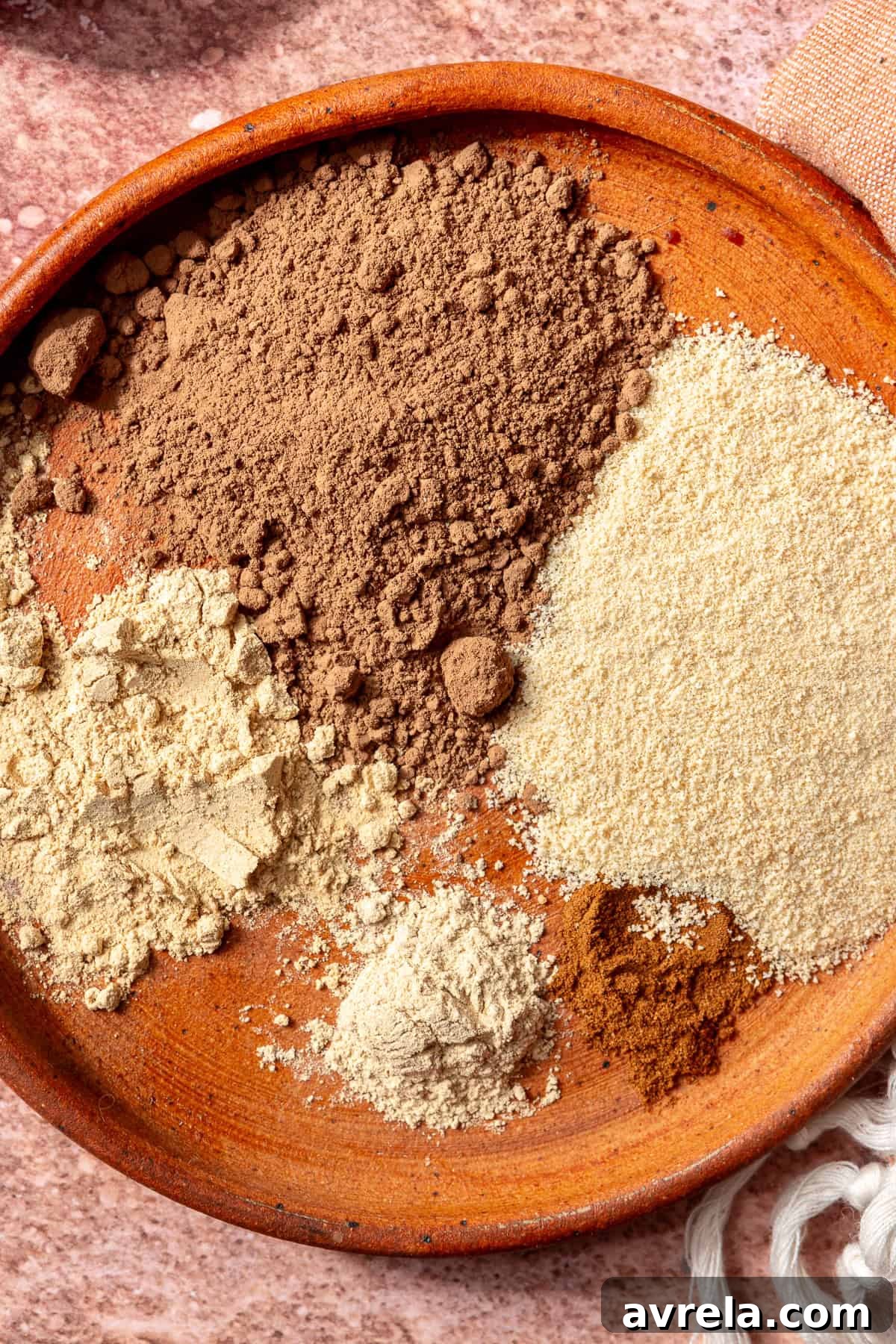
Navigating the vast world of protein supplements can often feel overwhelming. If you’ve ever stood in an aisle, pondering whether to choose pea protein or whey protein, rest assured, you’re not alone. Both are highly popular and effective options for individuals aiming to enhance muscle strength, accelerate recovery after exercise, and bolster their overall nutritional intake. However, despite their shared goal, they operate on different principles and cater to diverse dietary needs and preferences.
This comprehensive guide aims to demystify the debate of pea protein vs. whey protein. We’ll delve into the origins and characteristics of each, highlight their key differences, and provide clear insights to help you select the one that aligns perfectly with your unique lifestyle and fitness goals. Understanding these nuances is crucial for making an informed decision that supports your health journey effectively.
Understanding Whey Protein: The Dairy-Derived Powerhouse
Whey protein stands as one of the most extensively researched and widely consumed protein supplements globally. It is an animal-based protein derived from milk, specifically as a liquid byproduct generated during the cheesemaking process. That cloudy, watery substance you might see separating from curds? That’s whey. After undergoing a series of processing steps, including filtration and drying, it transforms into the versatile powder we recognize. Its immense popularity stems from its proven efficacy in promoting muscle growth, accelerating post-exercise recovery, and significantly contributing to daily protein requirements.
A key attribute of whey protein is its superior amino acid profile. It is classified as a complete protein, meaning it supplies all nine essential amino acids (EAAs) that the human body cannot synthesize on its own and must obtain from dietary sources. Notably, whey is exceptionally rich in branched-chain amino acids (BCAAs), particularly leucine. Leucine is a critical amino acid known for its pivotal role in stimulating muscle protein synthesis, which is the biological process responsible for muscle repair and growth. This makes whey an ideal supplement for athletes, bodybuilders, and anyone focused on enhancing their muscular development and recovery capabilities (Source: PubMed).
Beyond its robust amino acid content, whey protein is also characterized by its rapid digestion and absorption rate. This quick bioavailability means that the amino acids reach your muscles swiftly, making it an excellent choice for immediate post-workout replenishment. It blends effortlessly into smoothies, shakes, and various recipes, offering convenience and versatility to active individuals.
Types of Whey Protein: Tailoring Your Choice
To cater to different needs and preferences, whey protein is available in several forms, each distinguished by its processing level and nutritional composition:
- Whey Concentrate: This is the least processed form, retaining some carbohydrates (lactose) and fats. It typically contains 70-80% protein by weight and offers a good balance of nutrition, often at a more economical price point. It’s a great all-around option for most users who tolerate dairy.
- Whey Isolate: Undergoes further filtration to remove a significant portion of lactose, fats, and carbohydrates. With a protein content of 90% or higher, whey isolate is an excellent choice for those who are lactose sensitive or are strictly monitoring their calorie, fat, and carb intake. Its higher purity often means it’s digested even faster than concentrate.
- Whey Hydrolysate: This type is “pre-digested,” meaning the protein molecules have been broken down into smaller peptides through enzymatic hydrolysis. This process makes it the fastest-absorbing form of whey, ideal for critical recovery windows or for individuals with digestive issues. However, it can sometimes have a slightly bitter taste.
Exploring Pea Protein: The Plant-Based Alternative
Pea protein has emerged as a formidable contender in the protein supplement market, particularly for those seeking a plant-based protein powder. It is meticulously crafted from yellow split peas, making it a naturally dairy-free, gluten-free, and soy-free option. This makes pea protein an exceptional choice for individuals adhering to vegan or plant-based diets, as well as those with common allergies or sensitivities to dairy, gluten, or soy. Its hypoallergenic nature makes it a safe and inclusive option for a broader demographic.
A common misconception about pea protein is that it is not a complete protein. However, this requires a more nuanced understanding. Pea protein does contain all nine essential amino acids (EAAs), which are vital for human health and must be obtained through diet. These include leucine, isoleucine, valine, lysine, methionine, histidine, phenylalanine, threonine, and tryptophan. Where pea protein differs slightly from animal proteins like whey is in its relative abundance of certain amino acids. Specifically, it is a little lower in methionine and cysteine compared to optimal ratios for human metabolism. This is why it’s sometimes technically not categorized as a “complete” protein when consumed as a sole source, but this distinction should not be misinterpreted as inferiority.
The good news is that this minor amino acid imbalance is easily addressed. By pairing pea protein with other complementary protein sources, you can effortlessly achieve a complete amino acid profile. Excellent plant-based pairings include brown rice protein, quinoa, or even a variety of legumes and grains throughout your day. For those who consume animal products, combining pea protein with a small amount of dairy, eggs, or meat can also effectively fill any nutritional gaps. This strategic food pairing ensures you receive all the essential building blocks for muscle repair, growth, and overall bodily functions (Source: PubMed).
In terms of sensory experience, pea protein typically has a somewhat thicker or slightly grainier texture compared to the smoothness of whey. Its flavor profile is generally mild and earthy, often described as less sweet than many whey protein powders. This characteristic makes it highly versatile for culinary applications beyond just shakes. It integrates beautifully into smoothies, can be baked into cookies, muffins, and breads, and even mixed into oatmeal, pancakes, or savory dishes to boost their protein content without significantly altering the taste.
Pea Protein vs. Whey: A Side-by-Side Comparison of Key Differences
To provide a clear and concise overview, the table below summarizes the core distinctions between pea protein and whey protein. This quick reference can help you grasp the fundamental characteristics that set these two popular protein sources apart, guiding your decision-making process based on your specific needs and dietary philosophy.
| Feature | Whey Protein | Pea Protein |
| Source | Dairy (milk) | Plant-based (yellow peas) |
| Complete Protein Profile | Yes, contains all 9 essential amino acids in optimal ratios. | Contains all 9 essential amino acids but is relatively low in methionine and cysteine. Easily completed with other foods. |
| Digestibility* | Fast and efficient, especially isolates and hydrolysates, leading to rapid amino acid delivery to muscles. | Moderate, generally well-tolerated. Digestion can be slower than whey due to fiber content, promoting sustained satiety. |
| Common Allergens | Contains dairy and lactose, making it unsuitable for individuals with lactose intolerance or dairy allergies. | Naturally free from major allergens like dairy, gluten, and soy, making it a safe choice for sensitive individuals. |
| Texture/Flavor | Typically creamy, smooth, and easily dissolvable, available in a wide range of flavors. | Often described as earthy, slightly thicker, and can have a mildly grainy texture; generally less sweet. |
| Absorption Speed* | Very fast, particularly beneficial for post-workout recovery to quickly initiate muscle repair. | Slower and more sustained absorption, which can be advantageous for prolonged satiety and a steady release of amino acids. |
| Best Suited For | Rapid muscle building, immediate post-workout recovery, and individuals seeking maximum leucine content. | Individuals following plant-based or vegan diets, those with food sensitivities, and anyone looking for a natural, allergen-friendly protein. |
How to Choose the Right Protein Powder for Your Unique Needs
Deciding between pea protein and whey protein ultimately hinges on a combination of your personal health objectives, specific dietary requirements, and individual preferences. As a registered dietitian, I always emphasize that protein quality is paramount, irrespective of whether the source is animal or plant-based. Understanding how to assess and select a high-quality protein powder is crucial for maximizing its benefits. (For an in-depth guide, you can read my full blog post on how to identify high-quality protein powder; click HERE if you’re curious).
Consider the following guidelines to help you make an informed choice:
Choose Whey Protein if:
- You are prioritizing rapid muscle recovery and growth. Its fast digestion and rich BCAA profile, especially leucine, make it exceptionally effective for stimulating muscle protein synthesis immediately after exercise.
- You are looking for a fast-digesting option to consume immediately post-workout to kickstart the repair process and minimize muscle soreness.
- You tolerate dairy well and prefer a supplement with a smooth, creamy texture that blends easily into various beverages and recipes.
- Your primary focus is on maximizing lean muscle mass and strength gains, as whey has extensive research backing its efficacy in these areas.
Choose Pea Protein if:
- You strictly adhere to a plant-based or vegan diet, as it provides a complete protein source without any animal derivatives.
- You experience sensitivities or allergies to common ingredients like dairy, lactose, gluten, or soy, offering a safe and well-tolerated alternative.
- You are seeking a more natural, allergen-friendly protein source that is free from animal products and common irritants.
- You appreciate a protein that can contribute to sustained satiety due to its fiber content and slower digestion, which can be beneficial for weight management.
- You enjoy experimenting with protein in baking and cooking, as its mild flavor and slightly thicker consistency can integrate well into a variety of dishes.
Pro tip for maximum versatility: There’s no rule saying you must stick to just one! You can strategically mix and match protein powders depending on your daily routine, training schedule, and specific nutritional needs. For instance, you might opt for pea protein in your morning smoothie or baked goods for a delicious plant-based boost that keeps you feeling full. Then, switch to whey protein after an intense workout to capitalize on its rapid absorption for optimal muscle recovery. Alternatively, rotate between the two based on what else you’re eating that day to ensure a diverse amino acid intake, or adjust based on how your body feels and digests each type.
The Bottom Line: Personalize Your Protein Choice
In the ongoing debate of plant-based protein vs. whey protein, there isn’t a universally superior answer. Both types of protein powder offer significant benefits for individuals striving to meet their daily protein needs, support muscle health, and enhance overall well-being. The most effective choice is ultimately the one that best suits your individual body, dietary preferences, ethical considerations, and lifestyle. Personalization is key when it comes to nutrition and supplementation.
When you’re new to the world of protein powders or considering experimenting with different options, it’s always advisable to start simple. Look for a single-ingredient formula that is free from excessive sweeteners, artificial flavors, and unnecessary fillers. Pay close attention to how your body responds – monitor your digestion, energy levels, and overall feeling – and adjust your choice as needed. Listening to your body is one of the most reliable ways to find what truly works for you.
Should you be seeking specific product recommendations that align with high-quality standards, don’t hesitate to check out My 6 Favorite Protein PowdersHERE. These recommendations are based on careful consideration of ingredient quality and nutritional value to help you make an excellent start.
Sources & Further Reading:
- Investigating the Health Implications of Whey Protein Consumption: A Narrative Review of Risks, Adverse Effects, and Associated Health Issues (PubMed (National Library of Medicine))
- Plant Proteins: Assessing Their Nutritional Quality and Effects on Health and Physical Function (PubMed (National Library of Medicine))
- Pea Protein vs Whey: Which is Better? (SportsMD)
Discover my top-rated supplements in the Supplements folder of my Amazon Storefront,
and explore more of my expert Nutrition Tips HERE on the blog.
More Nutrition Blogs to Explore:
For those eager to deepen their understanding of nutrition and optimize their dietary choices, I invite you to explore these related articles on my blog:
- How to Identify High-Quality Protein Powder (+ My 6 Favorites HERE) – Learn the secrets to choosing effective and clean protein supplements.
- Colostrum Benefits: What It Is & Why It Matters – Dive into the benefits of this unique and powerful supplement.
- Creatine for Women: Benefits, Myths & How To Start – Debunk myths and discover how creatine can support women’s fitness goals.
- The Truth About High-Protein Diets: Why They Work and How to Start Today – Understand the science behind high-protein diets and how to implement them healthily.
- My Food Philosophy: A Registered Dietitian’s Approach to Healthy Eating & Detoxing – Gain insights into a holistic approach to nutrition from a registered dietitian’s perspective.