
Your gut health is far more than just digestion; it’s a powerful conductor orchestrating a symphony of vital bodily functions. From the strength of your immune system and your daily energy levels to the clarity of your skin and even your emotional well-being, a balanced gut microbiome plays a pivotal role. The encouraging news is that you don’t need to invest in expensive, trendy supplements to nurture this intricate inner ecosystem. Instead, cultivating small, consistent daily habits can deliver profound benefits, helping your gut not just survive, but truly thrive.
As a seasoned registered dietitian, I’ve frequently explored the expansive topic of gut health on this blog. However, this time, I’m approaching it with a renewed focus on simplicity and accessibility. We’ll delve into five fundamental, natural practices that can significantly bolster your digestion, elevate your energy, and foster a comprehensive sense of wellness that radiates from within.
1. Prioritize Fiber-Rich Foods for a Flourishing Gut Microbiome
One of the most impactful and scientifically backed strategies for cultivating a healthy gut is consistently incorporating more dietary fiber into your meals. Fiber isn’t just a digestive aid; it’s the primary fuel source for the trillions of beneficial bacteria residing in your gut microbiome. These “good” bacteria ferment fiber, producing short-chain fatty acids that nourish your gut lining, support immune function, and even influence mood.
Beyond its role as a prebiotic (food for beneficial bacteria), fiber is indispensable for smooth digestion. It adds bulk to your stool, facilitating regular bowel movements and preventing constipation, ensuring that waste products are efficiently moved through your digestive tract. This constant movement is key to a comfortable and functional digestive system. (Source: Harvard Health)
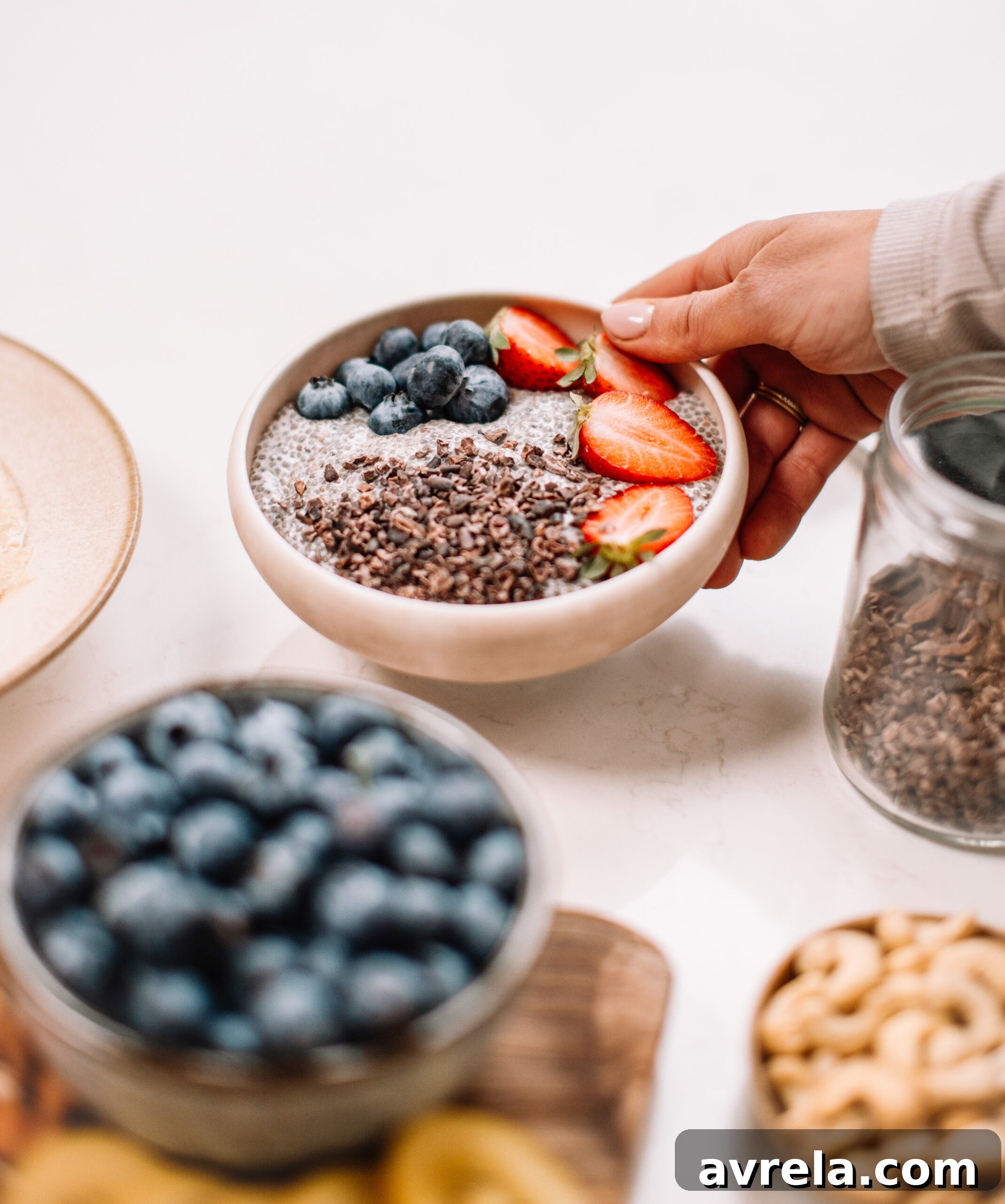
To maximize benefits, aim for a diverse intake of both soluble and insoluble fiber. Soluble fiber dissolves in water, forming a gel-like substance that helps regulate blood sugar and cholesterol, found in oats, apples, and beans. Insoluble fiber adds bulk and aids in the passage of food through the digestive system, present in whole grains and many vegetables. Focus on real, whole foods like a vibrant array of fruits, leafy green and root vegetables, nutrient-dense legumes (beans, lentils, chickpeas), whole grains (quinoa, brown rice, barley), and tiny powerhouses like chia seeds and flaxseeds.
The majority of adults should strive for an intake of 25–30 grams of fiber per day. This optimal amount is sufficient to robustly support your gut bacteria and maintain digestive regularity without leading to uncomfortable side effects like excessive gas or bloating, which can sometimes occur with a sudden, drastic increase in fiber. Gradually increasing your fiber intake allows your gut to adjust comfortably. (Source: UCSF Health)
- For a deeper dive into this essential nutrient, read more about Why Fiber is Essential for Gut Health. You can also easily boost your daily fiber intake with delicious recipes like my Coconut Mango Chia Pudding or my satisfying Berry Oatmeal Protein Muffins (High-Protein & Gluten-Free).
2. Stay Hydrated for Optimal Digestive Function
The synergistic relationship between hydration and gut health is undeniable. Water is not merely a thirst quencher; it’s a critical component in almost every bodily process, especially digestion. Adequate fluid intake helps to soften stool, allowing fiber to move more efficiently through your digestive system and preventing the uncomfortable onset of constipation. Without sufficient hydration, even a diet rich in fiber can become less effective, as your digestive system struggles to process food properly, leading to sluggishness and discomfort. (Source: Harvard Health)
While plain water is paramount, you can also significantly boost your hydration levels through an abundance of water-rich foods. Incorporating items like crisp cucumbers, tangy citrus fruits, juicy berries, and refreshing watermelon into your daily diet contributes valuable fluids and essential electrolytes. Personally, I find starting my day with a glass of water fortified with electrolytes to be incredibly invigorating, particularly during warmer months or following an intense workout session.
- If you’re looking to diversify your fluid intake beyond plain water, consider sipping on soothing herbal teas or enjoying fruit-infused water for a burst of natural flavor. And for a truly delicious and hydrating experience, don’t miss trying my Viral Watermelon Salad — it’s an incredibly fresh and flavorful way to stay hydrated and nourish your gut.
3. Manage Stress Daily to Nurture Your Gut-Brain Connection
The intricate connection between your gut and brain, often referred to as the “gut-brain axis,” means that your emotional state has a direct and profound impact on your digestive health. When you’re subjected to chronic stress, it doesn’t just affect your mood; it can significantly disrupt digestive processes, alter the delicate balance of your gut microbiome, and manifest as uncomfortable physical symptoms like bloating, stomach discomfort, and changes in bowel habits. This bi-directional communication highlights why mental well-being is inseparable from gut health. (Source: PubMed)
Integrating simple, consistent habits into your daily routine to mitigate stress can yield remarkable benefits for both your mind and your gut. Consider practices such as taking a rejuvenating walk outside to connect with nature, engaging in calming breathwork exercises to regulate your nervous system, scheduling regular screen breaks to reduce digital overload, performing short bursts of invigorating workouts, or simply dedicating a few minutes to quiet reflection or meditation. What benefits your mental health often directly translates into a healthier, happier gut. As the timeless adage reminds us: movement is medicine!
- If you’re seeking structured guidance to kickstart your fitness journey and reduce stress through physical activity, explore any of my comprehensive fitness guides. These resources offer pre-programmed, effective workouts designed to be enjoyable and accessible, ensuring there’s something suitable for every fitness level and preference.
4. Eat Slowly and Mindfully for Enhanced Digestion
In our fast-paced modern lives, it’s remarkably easy to overlook the critical importance of *how* we eat, often focusing solely on *what* we eat. However, the manner in which you approach mealtime profoundly impacts your digestive system. Intentionally slowing down and thoroughly chewing each bite provides your digestive enzymes with ample opportunity to break down food particles properly. This crucial preliminary step in digestion can significantly reduce common complaints such as bloating, excessive gas, and general discomfort post-meal.
Cultivating these simple, yet powerful, mindful eating habits can transform your relationship with food and improve your gut health:
- Whenever possible, make a conscious effort to sit down to eat without distractions. Create a calm environment that allows you to focus on your meal.
- Put your phone away, turn off the TV, and resist the urge to multitask. Engage your senses with your food rather than external stimuli.
- Aim to chew each bite 15–20 times. This thorough mastication is not just about breaking down food; it also signals your digestive system to prepare for the incoming meal, optimizing enzyme release.
I understand that integrating these practices into a busy schedule can be challenging, and they are indeed easier said than done. However, even making an effort to practice them as often as you can will allow you to notice a significant difference in how you feel. Furthermore, slowing down during meals provides your body with the necessary time to register feelings of fullness, which can naturally support better portion control and help curtail mindless snacking throughout the day, contributing to overall digestive harmony and weight management.
5. Include Fermented Foods Regularly for Probiotic Power
Fermented foods are celebrated for their rich content of natural probiotics — live microorganisms, primarily beneficial bacteria, that contribute to a healthy and balanced gut microbiome. Regular consumption of these foods can significantly enhance various aspects of your health, from optimizing digestion and nutrient absorption to bolstering your immune system and even positively influencing your mood through the gut-brain axis. They introduce a diverse array of microbial life that helps maintain a harmonious internal environment. (Source: MDPI)
Integrating a variety of probiotic-rich foods into your diet is simpler than you might think. Some of the most accessible and potent sources include:
- Yogurt or kefir: When selecting these dairy-based options, always look for labels that explicitly state “live and active cultures” to ensure you’re getting the beneficial bacteria.
- Sauerkraut: This fermented cabbage is a powerhouse of probiotics and adds a tangy crunch to meals.
- Kimchi: A spicy Korean fermented vegetable dish, often made with napa cabbage and radishes, offering both probiotics and vibrant flavor.
- Miso: A Japanese seasoning made from fermented soybeans, perfect for soups and dressings.
- Tempeh: A fermented soybean product with a firm texture, serving as an excellent plant-based protein source and probiotic contributor.
It’s particularly beneficial to emphasize probiotic-rich foods after a course of antibiotics. Antibiotics, while necessary, can indiscriminately clear out both harmful and beneficial gut bacteria. Replenishing your gut with these live cultures can help restore microbial balance more quickly. While supplements can offer targeted support in specific instances, a consistent diet rich in both fermented foods and diverse fiber often provides all the probiotic and prebiotic support your gut needs, potentially making additional supplements unnecessary.
One More Thing: Make Quality Sleep a Priority for Gut Harmony
At first glance, sleep might not seem like a direct player in gut health, yet scientific research increasingly reveals a profound and undeniable connection between your circadian rhythm and the health of your gut microbiome. Your gut microbes operate on their own daily cycles, influencing everything from digestion to hormone regulation. Poor sleep quality, inconsistent sleep schedules, or insufficient rest can throw these delicate rhythms out of sync, leading to a cascade of negative effects.
Disrupted sleep can directly impair digestion, weaken your immune system’s ability to ward off illness, and even dramatically impact your food cravings and choices the following day, often leading to less healthy decisions. It’s a fundamental pillar of holistic well-being that directly supports your gut’s optimal function. (Source: PubMed)
To foster a thriving gut and support your overall health, make it a non-negotiable goal to aim for 7–9 hours of quality, uninterrupted sleep each night. Your gut — and every other system in your body — will undoubtedly express its gratitude.
Build Sustainable Habits for Lasting Gut Health
Ultimately, achieving and maintaining optimal gut health doesn’t demand a radical lifestyle overhaul or a rigid adherence to restrictive diets. The true power lies in identifying and adopting practices that genuinely resonate with you and your routine. By focusing on small, yet highly impactful and sustainable habits — such as consistently incorporating diverse fiber-rich foods, ensuring adequate hydration throughout the day, proactively managing daily stress, mindfully consuming your meals, and regularly integrating fermented foods — you can instigate a profound positive change in your digestion, elevate your energy levels, stabilize your mood, and significantly enhance your overall well-being.
Remember, the journey to a healthier gut isn’t about striving for unattainable perfection; it’s about the consistency of your efforts and tuning into your body’s unique signals. Pay attention to what makes *you* feel your absolute best, and approach it one conscious, nourishing day at a time. Your gut is a reflection of your lifestyle, and with these simple steps, you can cultivate a vibrant inner ecosystem that supports you in every way.
Sources:
- “The Facts on Fiber” — Harvard Health (Harvard Health Publishing)
- “Increasing Fiber Intake” — UCSF Health (University of California San Francisco Health)
- “5 Simple Ways to Improve Gut Health” — Harvard Health (Harvard Health Publishing)
- Stress, depression, diet, and the gut microbiota: human–bacteria interactions at the core of psychoneuroimmunology and nutrition — PubMed (National Library of Medicine)
- Unraveling the Puzzle: Health Benefits of Probiotics—A Comprehensive Review (MDPI)
- Sleep, circadian rhythm, and gut microbiota — PubMed (National Library of Medicine)
Find more of my Nutrition Tips HERE on the blog.