
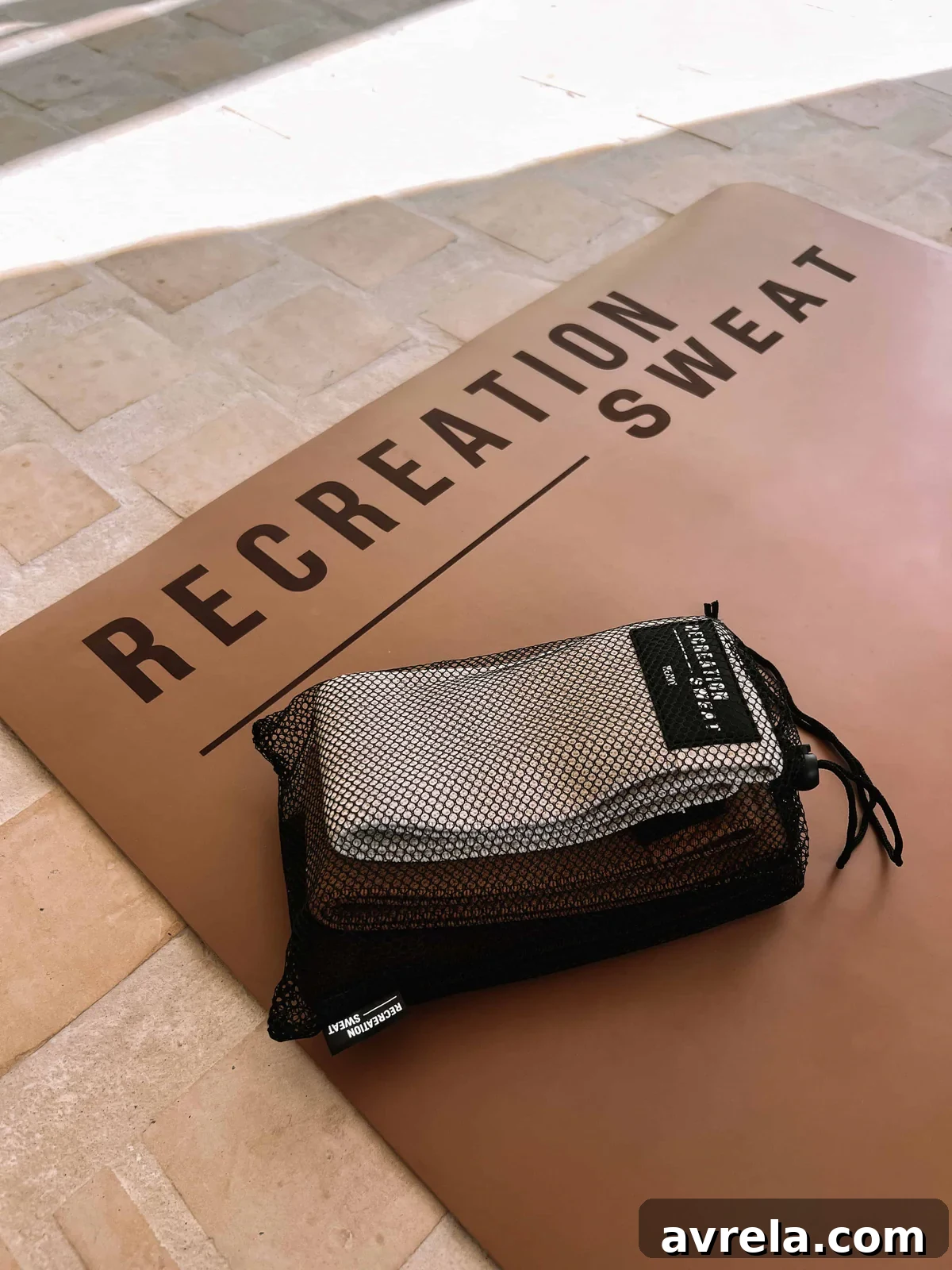
Resistance band workouts are one of the simplest and most effective ways to build strength, improve mobility, and fit a workout into your day—anywhere. If you’ve followed my routines or guides before, you know I frequently use resistance bands. Whether you’re just starting out or are more advanced, resistance bands are lightweight, portable, and highly versatile, making them an excellent piece of equipment to keep on hand.
In this article I’ll outline the two main types of resistance bands, explain the primary benefits of band training, and show practical ways to use them to get stronger and more mobile. Let’s dive in.
What Are Resistance Bands?
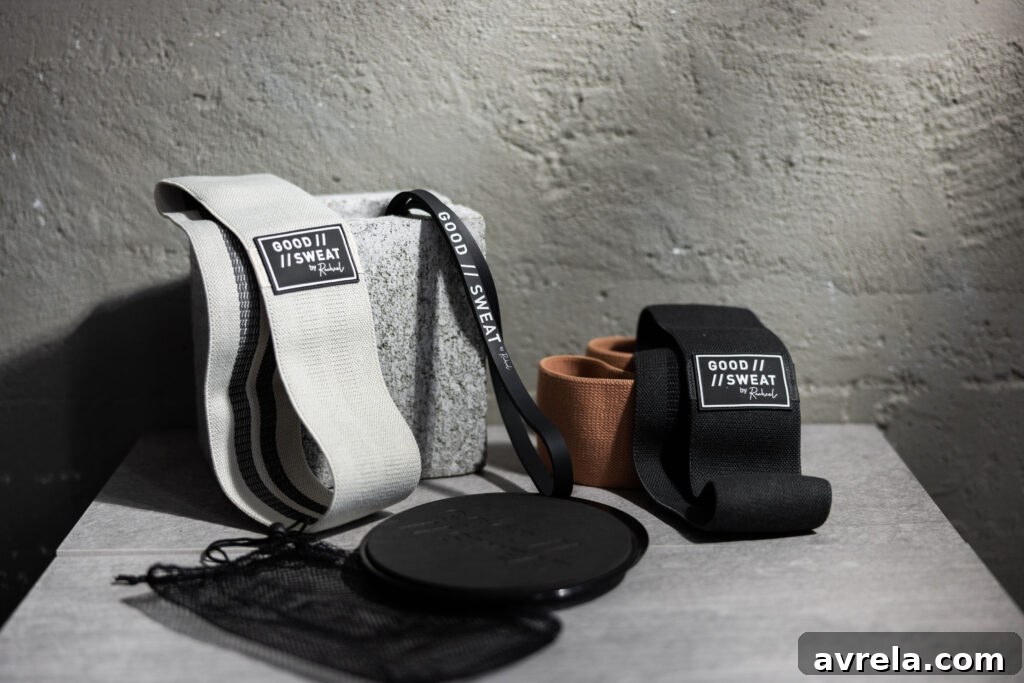
If you’re new to resistance training, you might be wondering what resistance bands are and how they work. At their core, bands are simple elastic tools that provide progressive tension throughout a movement. They’re easy to use and come in different shapes and resistance levels to match your goals.
There are two common types of resistance bands:
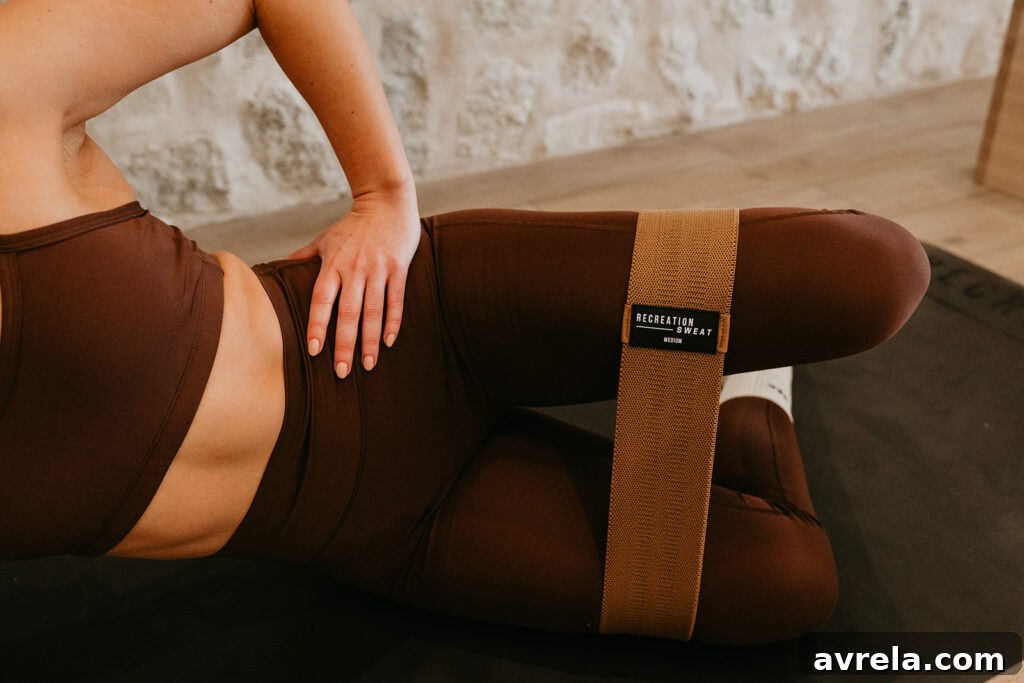
- Glute bands – Short, loop-style bands typically worn around the thighs or calves. They usually come in light, medium, and heavy resistance levels. Glute bands are ideal for activating the glutes and adding intensity to lower-body moves like squats, hip thrusts, and side steps. Although they’re popular for lower-body work, they can also be used creatively for upper-body and core variations.
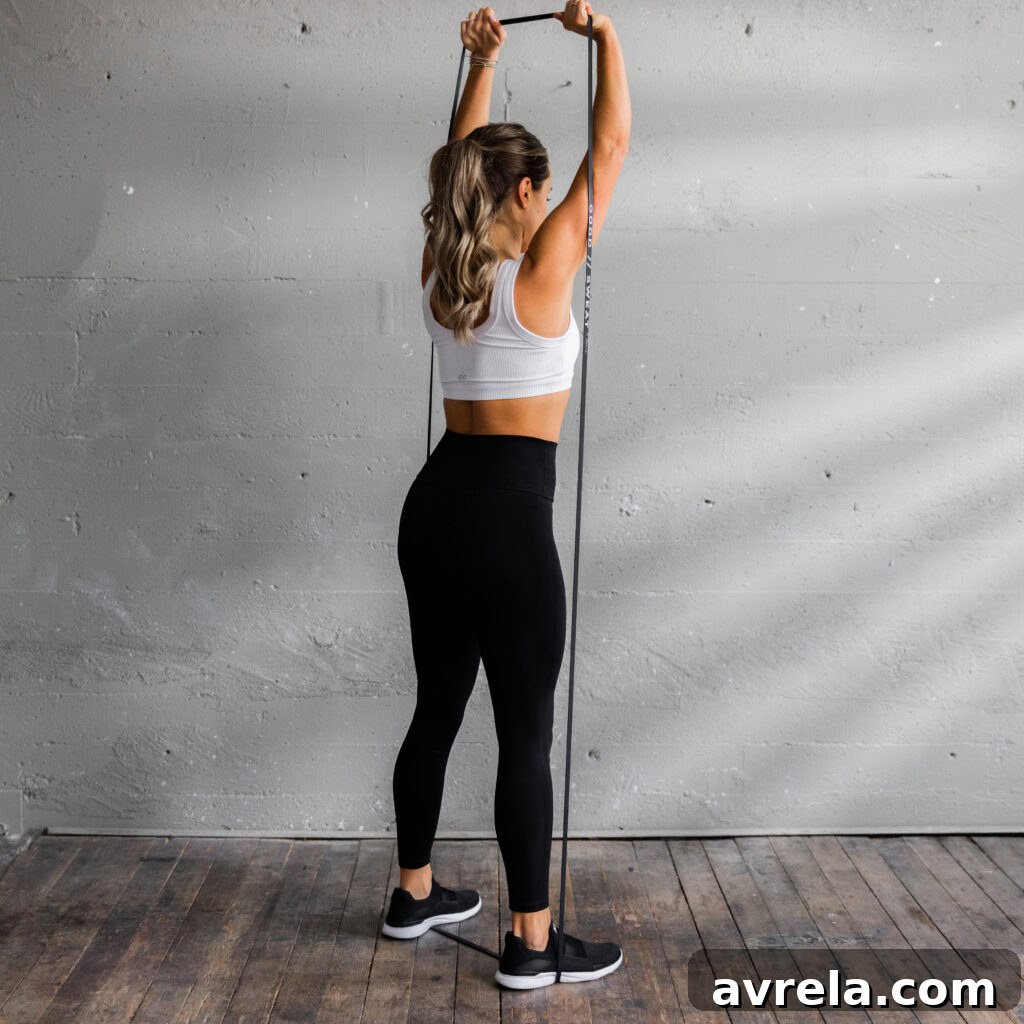
- Power bands – Longer continuous-loop bands suitable for both upper- and lower-body strength training. Power bands come in a wider range of resistances (for example, lighter bands might add 15–25 lbs of resistance while medium or heavy bands can add significantly more). They’re versatile enough to substitute for dumbbells on exercises such as rows and curls and are commonly used to assist or add resistance for movements like pull-ups.
Both glute and power bands provide constant tension throughout a movement, which helps improve strength, stability, and muscular endurance more effectively than bodyweight-only training. They’re compact and convenient, making them a reliable option for efficient workouts anywhere.
Benefits of Resistance Band Workouts
Resistance bands offer many advantages for people at any fitness level. Key benefits include:
- Portable and convenient – Bands are lightweight and easy to pack, so you can train at home, at the gym, or while traveling. All you need is a little space to move.
- Beginner-friendly – Bands make it easier to learn proper movement patterns and build a solid foundation before progressing to heavier loads.
- Joint-friendly – They provide scalable resistance without heavy impact, making them suitable for low-impact workouts and for rehabilitation work.
- Versatile – Bands can replace or supplement traditional weights for many exercises, allowing you to work the same muscle groups in different ways.
- Effective – Constant tension through a range of motion helps develop strength, stability, and mobility, all of which support better performance and faster recovery.
Because they’re affordable and space-efficient while delivering measurable results, resistance bands are an excellent addition to any fitness routine.
How To Use Resistance Bands
One of the best things about resistance bands is how adaptable they are. You can use them for focused muscle work or for full-body sessions, and they fit well into strength training, HIIT, mobility work, and Pilates-style programming. Here are common ways to use bands by target area:
- Lower body: Banded squats, glute bridges, lateral band walks, hip thrusts.
- Upper body: Rows, biceps curls, triceps extensions, shoulder presses using band tension or anchored bands.
- Core and mobility: Pallof presses, dead-bug variations with a band, banded stretches to improve hip and shoulder mobility.
Focus on maintaining good form and controlled tension throughout each repetition. That will maximize benefits and minimize risk of injury.
If you prefer structured programming, band-based plans can range from short 5-minute activation sequences to full 30-minute strength or conditioning workouts. For example, many guided band programs offer progressive sessions using a simple 3-piece glute band set to target strength, endurance, and mobility across multiple workouts.
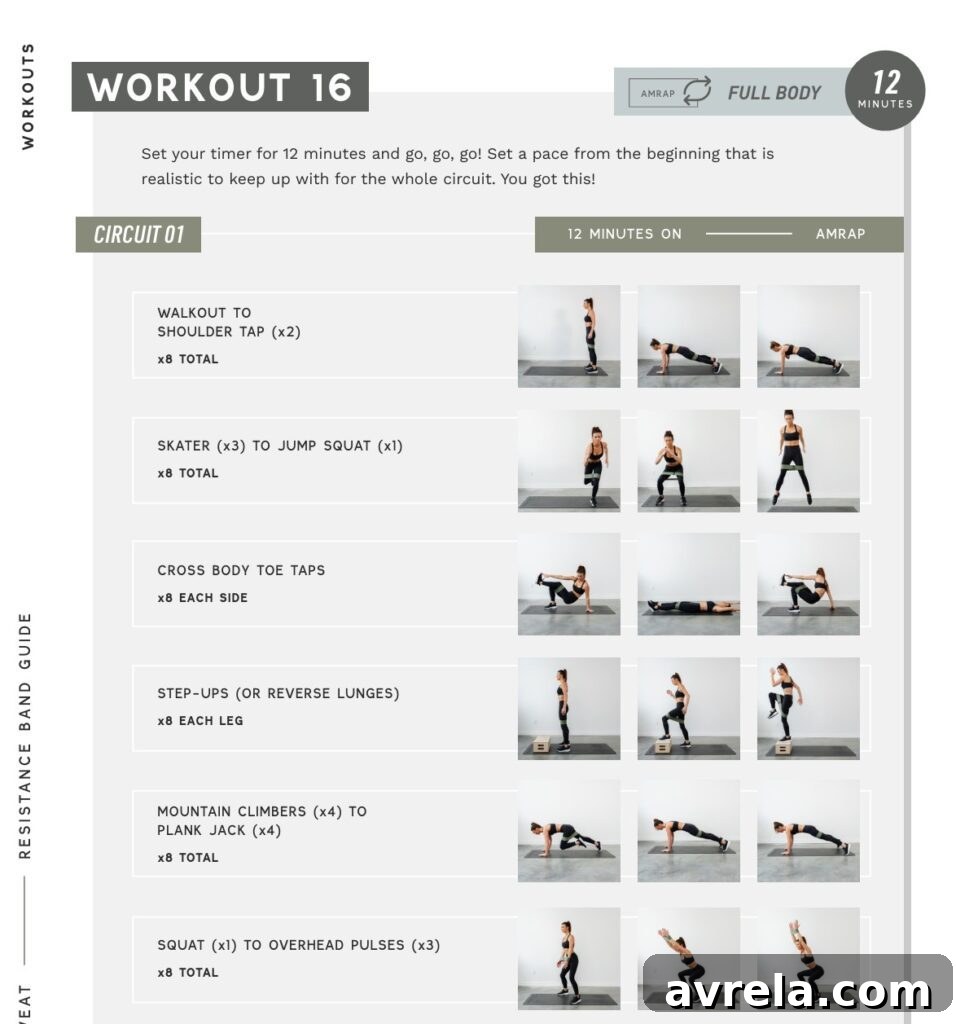
Resistance band training is a fun and effective way to vary your routine and challenge your body with minimal equipment. They’re compact enough to toss in a bag yet versatile enough to provide a complete, challenging workout. If you’re looking to get stronger, improve mobility, or simply make your sessions more convenient, bands are an excellent tool to explore.
Find my favorite fitness equipment and apparel at Recreation Sweat, and discover more helpful fitness content on the Fitness section of the blog.