
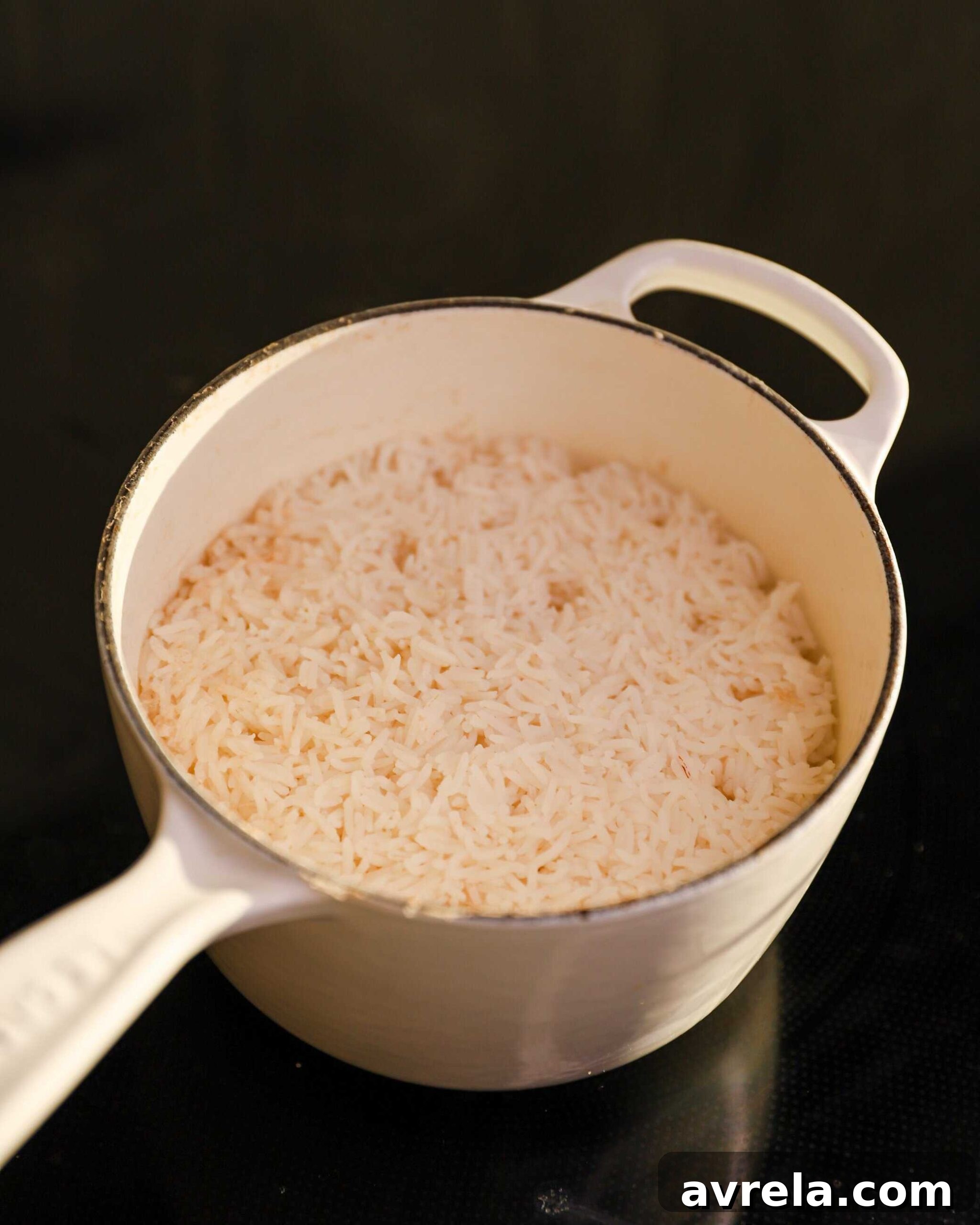
Rice shows up in many of my meals these days because it’s quick, versatile, and—when I’m honest—there’s little I love more than organic basmati with a bit of ghee. There’s a lot of confusion around rice and carbohydrates in general, so I want to clear up a few common misconceptions and share how I use carbs to support energy, performance, and recovery.
CARBOHYDRATE CRASH COURSE
Carbohydrates are the body’s primary source of fuel and are essential for daily function. As I’ve become more serious about strength training, I’ve paid closer attention to timing and type of carbs to support performance and recovery. Complex carbohydrates eaten 2–3 hours before a workout can provide steady energy, while carbs consumed after training help with recovery and muscle repair.
Complex carbs take longer to digest and often leave you feeling fuller longer. Examples include sweet potatoes, legumes, oats, and whole grains. Simple carbs are digested more quickly and can cause a rapid rise and fall in blood sugar when eaten alone. That said, simple carbs can be useful immediately before a workout to provide fast-acting glucose—examples include white bread, sugary beverages, honey, and fruit juice. The key is matching the type and timing of carbohydrate to your activity and overall meal composition.
MY TRAINING GUIDE & FITNESS FAVORITES
BROWN RICE VS WHITE RICE
The basic difference between brown and white rice comes down to processing. Brown rice is a whole grain that retains the bran (the fibrous outer layer) and the germ (the nutrient-rich core). White rice has had the bran and germ removed during processing.
Because it contains the whole grain, brown rice is a more complex carbohydrate: it delivers more fiber, protein, healthy fat, and micronutrients per serving than white rice. That makes brown rice a good choice when you want slower digestion, longer satiety, and steadier blood sugar.
White rice behaves more like a simple carbohydrate because it has less fiber and breaks down faster, providing quick energy. When white rice is served with protein, vegetables, and healthy fats—think salads, sautéed vegetables, avocado, or olive oil—the overall digestion slows and blood sugar spikes are minimized. In practice, combining foods on a plate is what determines the meal’s impact on energy and blood sugar.
IS BROWN RICE BETTER THAN WHITE RICE?
White rice often gets labeled as inferior simply because it’s not a whole grain, but context matters more than a single ingredient. From my experience as a dietitian, how you pair foods and balance your plate usually has a larger effect on nutrition and blood sugar than whether you choose brown or white rice.
Short answer: brown rice isn’t inherently better than white rice. Both have their place in a healthy diet. I personally prefer white rice for taste and digestibility, and I find it works well for me when included as part of a balanced meal. If you need a slower-digesting option, brown rice is a great pick. The important thing is to choose the rice that fits your needs and to balance it with protein, vegetables, and healthy fats.
SHOP MY KITCHEN ON AMAZON
HEALTHY MEALS WITH WHITE RICE
You can easily swap brown rice into any of these recipes if you prefer. Below are some of my go-to meals that pair white rice with protein and vegetables to create balanced plates.
Grilled Honey Dijon Chicken With Veggies And Rice
Spicy Southwest Chicken Skillet
20-Min Honey Sesame Chicken
Creamy Sesame Chicken Skewers
If you want more healthy, approachable recipes, check out my New York Times Best Selling cookbook, Rachael’s Good Eats, which features over 110 easy, nutrient-rich recipes that make balanced eating simple and enjoyable.