
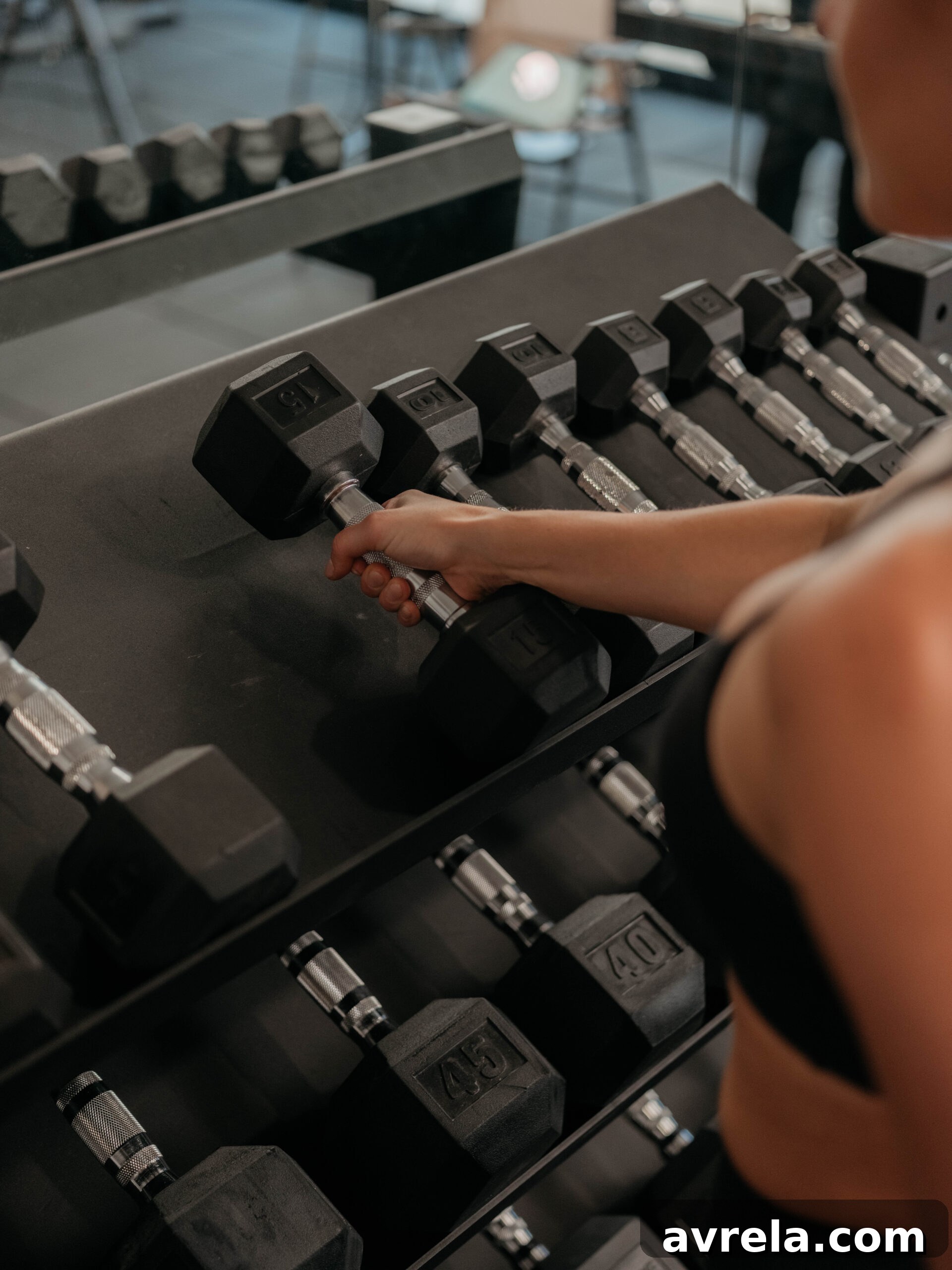
If your workouts aren’t producing the same gains they once did—or you’re just beginning your fitness journey and want to see consistent progress—you’re not alone. Progressive overload is a simple, proven method to build strength, stimulate muscle growth, and keep your training effective over time.
Whether you lift weights, do bodyweight training, or follow a guided program, understanding workout progression is essential to getting stronger and avoiding plateaus.

What Is Progressive Overload?
Progressive overload is the practice of gradually increasing the total weight or volume you move over time so your body adapts by getting stronger and building muscle. The concept is simple: apply a bit more stress than your body is used to, and it will respond by improving.
To do this safely and effectively, adjust one or more training variables incrementally. Common levers include increasing load, adding repetitions or sets, extending time under tension, and shortening rest periods. Two primary factors I focus on are volume and intensity:
- Volume: the total amount of weight moved in a session, determined by sets and reps.
- Intensity: the load used for individual repetitions. Gradually increasing intensity means you’re lifting heavier on a rep-by-rep basis even if total volume stays similar.
Combined, these adjustments help your body adapt, grow stronger, and avoid training plateaus. The goal is consistent, small progress rather than dramatic, risky jumps.


Why It Matters
Repeating the exact same workout indefinitely can lead to stalled progress. By intentionally manipulating volume and intensity—even slightly—you continue to recruit muscle fibers in new ways, stimulate hypertrophy, and build endurance. Progressive overload makes each session count more, especially when paired with proper recovery, nutrition, and consistency.
How To Use Progressive Overload in Your Routine
Progressive overload doesn’t require hitting personal records every week. Small, sustainable changes are most effective. Here are practical ways to implement gradual overload:
- Increase weights by 2–5 lbs when a movement starts to feel easy.
- Add 1–2 extra reps or an additional set for a given exercise.
- Slow the lifting tempo to increase time under tension.
- Reduce rest time between sets to raise training density.
Even modest adjustments, applied consistently, compound into meaningful gains over months and years.
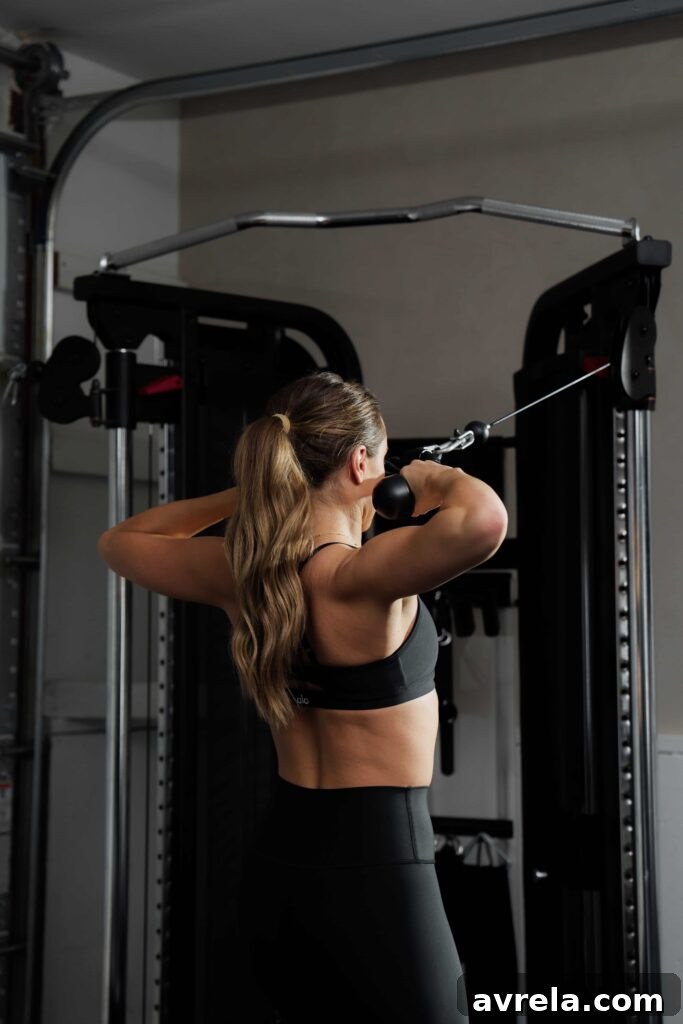
Want a Plan That Uses Progressive Overload?
Programs built around progressive overload provide structure and flexibility so you can progress without guesswork. A well-designed plan will guide gradual increases in volume and intensity while allowing for rest and recovery. Whether you’re new to training or already consistent, a progressive program helps you level up at your own pace.
Progressive overload doesn’t have to be complicated: show up, stay consistent, and make small, smart adjustments over time. Your future self will thank you.
More Fitness Tips & Workouts to Keep You Moving:
10 Benefits of Strength Training
When to Modify Workouts During Pregnancy
FREE 35-Minute Cardio & Core Workout You Can Do At Home
5 Glute-Focused Resistance Band Exercises You Can Do Anywhere
Why Women Should Care About Building Muscle (No, You Won’t Get Bulky)