
Packing school lunches daily can feel overwhelming, especially when you want meals that are healthy, balanced, and actually eaten.
As a dietitian and a mother, I focus on simple, nutritious school lunches that support energy, focus, and growth—without making things complicated.
These healthy school lunch ideas for kids are:
- Easy to prep
- Balanced with protein, fiber, and healthy fats
- Made with real, whole foods
- Kid-friendly and customizable
If you’re stuck in a lunch rut, this guide offers fresh, realistic ideas you can use right away.
What Makes a Healthy School Lunch?
A balanced lunch doesn’t have to be complicated. Aim to include a mix of nutrients that keep kids full, focused, and energized throughout the school day.
Aim for these 4 components:
- Protein → supports growth and keeps kids full
- Fiber-rich carbs → provide steady energy (fruit, whole grains)
- Healthy fats → support brain development and satiety
- Fruits + veggies → add vitamins, minerals, and color
This simple formula makes it easy to build balanced kids lunchboxes without overthinking it.
The Back-to-School Lunch Dilemma
Even with the best intentions, it’s easy to default to familiar snacks just to get out the door. With back-to-school season here, many parents ask: what will actually keep my child fueled all day?
I recently saw a deconstructed lunch that stuck with me—not to judge, but to show how small changes can boost nutrition. That lunch contained leftover pasta (no protein), chocolate-covered pretzels, Pringles, a packaged granola bar, apple slices, and mixed berries. It’s normal and relatable, but mostly carbs and sugar with little protein, fiber, or healthy fats to sustain a busy child.
There may be reasons for that choice—picky phases, time constraints, or preference. When you have flexibility, though, being intentional with a few swaps can make a big difference. Protein, fat, and fiber help kids stay focused, feel emotionally balanced, and avoid post-lunch energy crashes.
Healthy School Lunch Ideas for Kids: How to Upgrade a Deconstructed Lunchbox
Using that example as a case study, the ingredients weren’t bad—they just lacked staying power. With a few simple swaps or add-ins, you can turn a carb-heavy meal into one that supports steady energy, focus, and mood.
Here’s how to make small, practical upgrades:
Pasta → Add Protein
Keep the pasta if your child likes it. Pair it with protein:
- Mini beef or turkey meatballs (homemade or freezer-friendly)
- Lentil or chickpea pasta for higher protein content
- Shredded rotisserie chicken or cottage cheese stirred into the sauce
Apple slices → Pair with Healthy Fats
Apples are great, but add a fat to slow digestion and keep blood sugar steady. Keep the skin on for extra fiber.
- Scoop of peanut, almond, or sunflower butter (choose minimal-ingredient spreads)
- Sprinkle of cinnamon for added flavor
Chocolate-covered pretzels → Upgrade the Treat
You can include a sweet treat—just choose less processed options:
- Simple crackers with a small piece of dark chocolate
- Homemade energy bites made from oats, dates, and nut butter
Pringles → Smarter Crunch
For salty crunch, try better-for-you alternatives:
- Lesser Evil grain-free puffs
- Bare Snacks dried fruit chips (no added sugar)
- Roasted seaweed sheets for minerals and low ingredients
- Seed-and-nut flats or whole grain seed crackers for fiber and protein
- Raw carrots, cucumbers, or jicama slices with hummus or guacamole
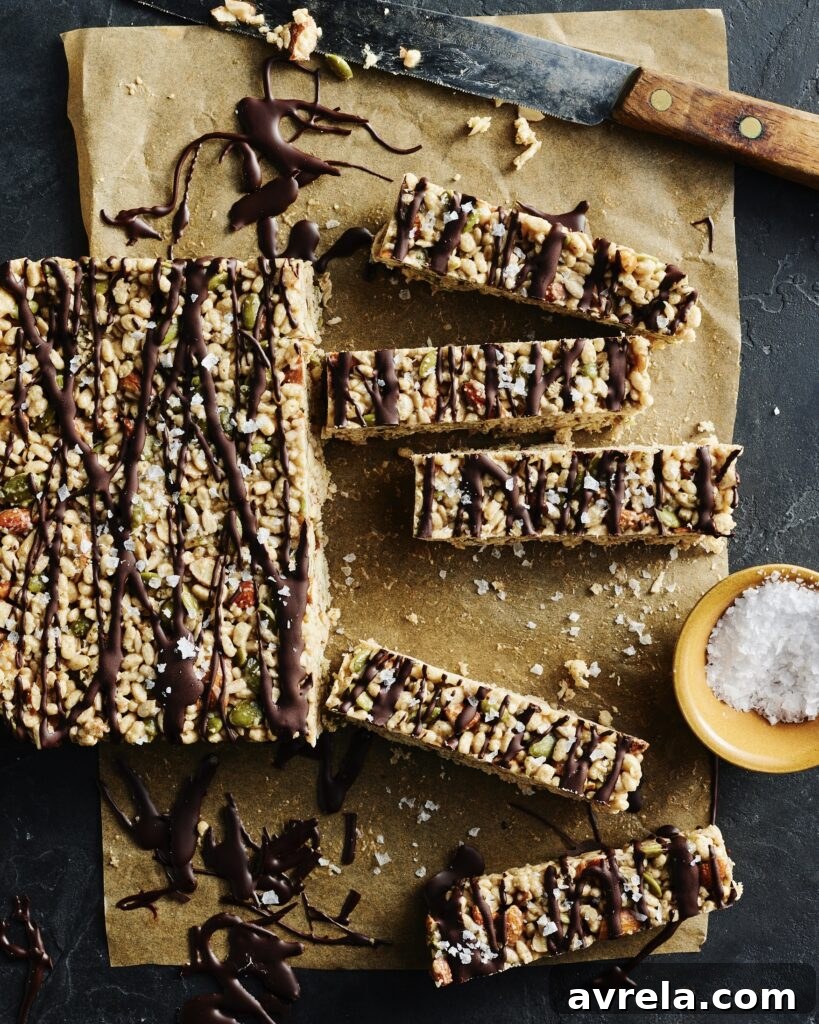
Packaged granola bar → Homemade Snack Bar
Many store-bought bars are high in sugar. Try homemade bars or bars made from whole ingredients:
- DIY bars blended from oats, nut butter, chia seeds, and a little honey or date paste
- Balls or bars that freeze well for grab-and-go convenience
The takeaway:
Keep familiar favorites but level them up with intentional swaps that deliver sustained energy and focus. Adding protein, healthy fats, and fiber transforms a filler lunch into one that truly fuels.
Why This Combo Works: Fueling Focus, Behavior & Fullness with Every Bite
What kids eat for lunch directly affects their energy, attention, mood, memory, and emotional regulation. Food feeds the brain, and balanced choices support better classroom performance and overall wellbeing.
Small, consistent changes matter. You don’t need to overhaul everything—simple habits like adding a protein or healthy fat can add up to meaningful improvements in focus, behavior, and satiety.
The Research:
- Protein improves academic performance: Higher protein intake is associated with improved academic outcomes.
- Fat + fiber support attention: Meals higher in fiber and healthy fats are linked to better attention and reaction times in children.
- Balanced meals boost cognition: Nutrient-dense meals rich in whole foods and omega-3s can improve memory, processing speed, and learning.
7 Healthy School Lunch Ideas:
Here are seven balanced, practical lunch ideas that hit the protein-fat-fiber boxes, come together quickly, and taste great.
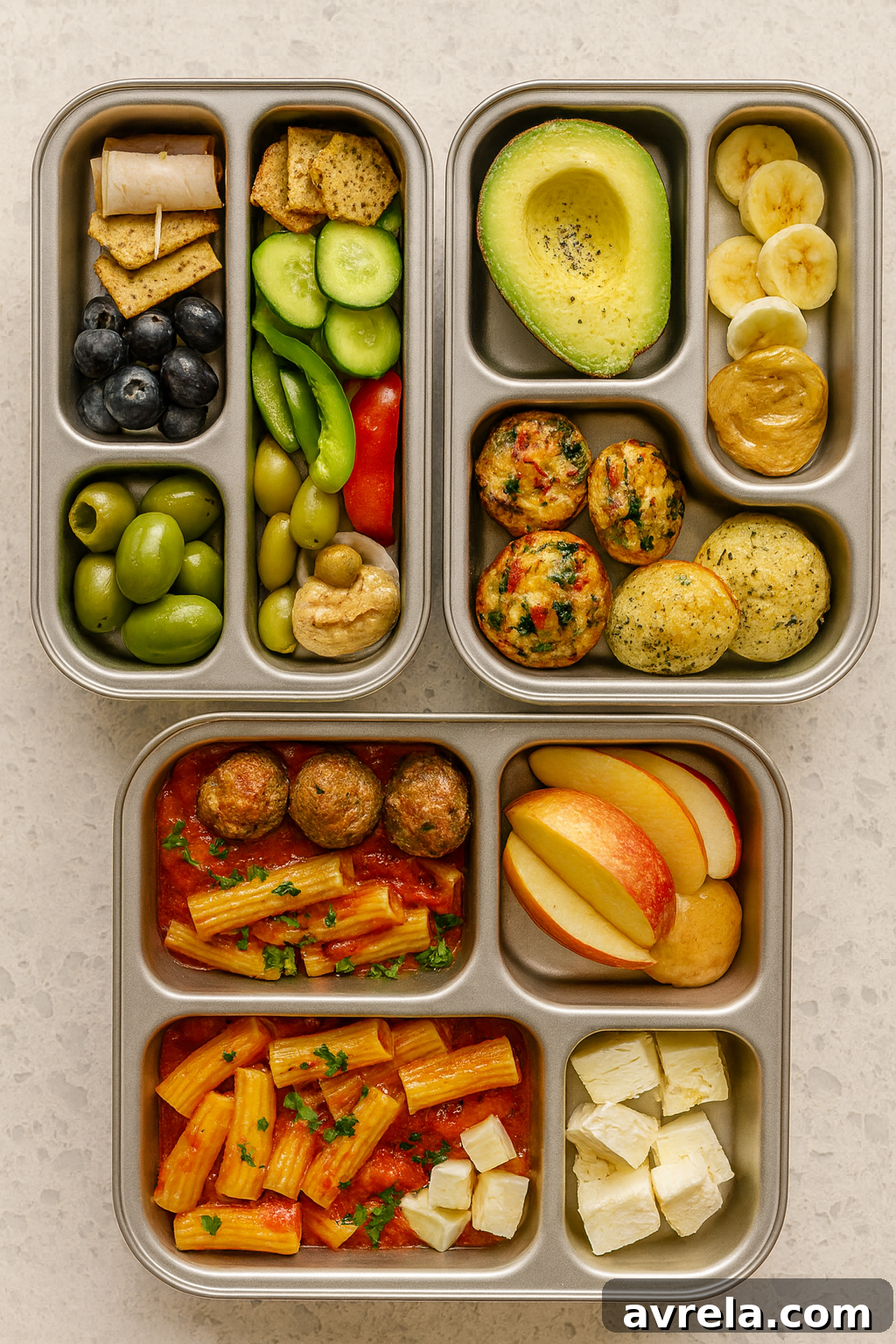
#1) Mediterranean Bento Box
- Roasted turkey or hard-boiled eggs
- Seed crackers
- Sliced cucumbers and mini bell peppers
- Pitted olives
- Hummus
- Fresh berries or orange slices
#2) Breakfast-for-Lunch
- Egg cups or mini frittatas with sausage and veggies
- Sliced avocado with lemon and sea salt
- Banana slices with almond butter
- Homemade oat bars or nutrient-dense muffins, frozen for convenience

#3) Easy Snack Plate
- Leftover grilled chicken or meatballs
- Crunchy veggies like carrot sticks or snap peas
- Chia pudding or coconut yogurt with hemp hearts and a drizzle of nut butter
- A small square of dark chocolate as a treat
#4) Easy Wrap Kit
- Tortilla (corn, flour, or alternative)
- Organic deli turkey, avocado slices, and microgreens
- Apple slices with peanut butter
- Veggie sticks or lightly seasoned popcorn
#5) Mix-and-Match Mini Lunch Boxes
Offer small portions from 4–5 food groups so kids can build their own plates:
- Protein & Fat: Grilled chicken bites, turkey sticks, or tuna/chicken salad
- Whole Grain/Fiber: Seed crackers or brown rice cakes
- Veggies & Dip: Carrots, cucumber, cherry tomatoes with hummus
- Fruit: Apple slices, mandarin wedges, or berries
- Treat: Dark chocolate or homemade bliss balls
#6) Warm Bento-Style Lunches (Perfect for Prep!)
- Mini taco cups with ground turkey, cheese, and guacamole
- Veggie-packed chickpea or lentil pasta with blended cottage cheese for protein
- Mini egg muffins with diced vegetables, easy to reheat or grab on the go
#7) Snack-Based Lunch (The Grazing Kid’s Dream)
- Protein: Hard-boiled egg, Greek yogurt, cheese cubes, or deli turkey rolls
- Crunch: Popcorn, roasted chickpeas, or dry roasted nuts
- Fruit/Veggies: Snap peas, bell pepper strips, apple slices, or berries
For Picky Eaters If your child is in a picky phase:
- Use bento boxes to offer smaller portions and reduce pressure
- Always include one “safe food” they like
- Let them help prep or choose a few items from a short list
- Repeat exposure—kids often accept foods over time
- Use fun shapes, cookie cutters, or picks to make meals playful
Additional Ideas to Try with Your Kids:
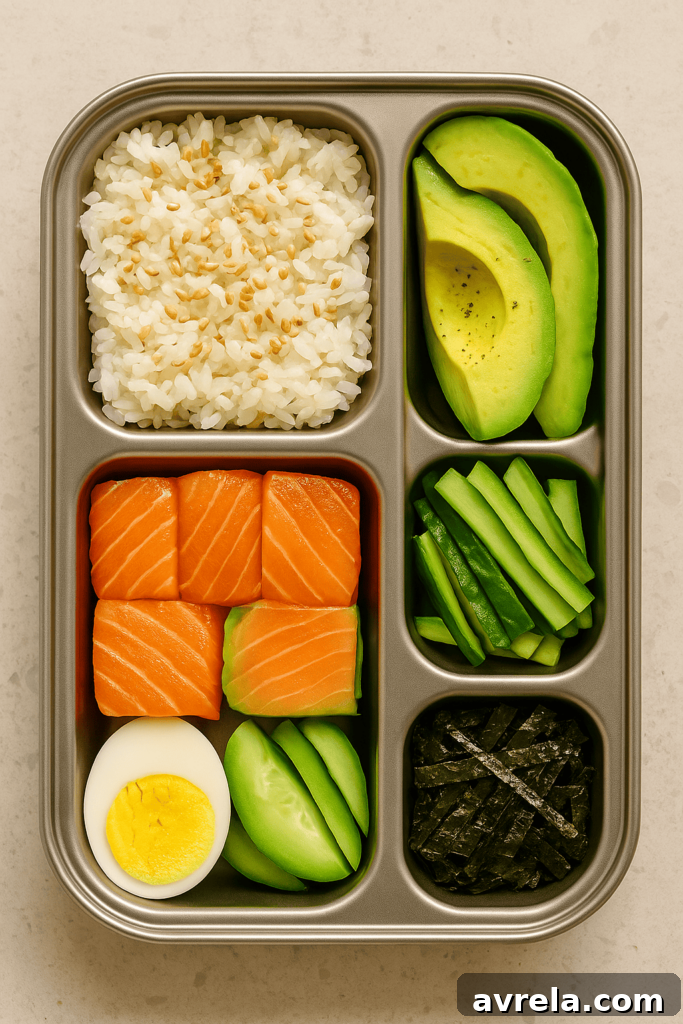
- Deconstructed sushi bowls (rice, avocado, salmon, cucumber, nori)
- Pita pizza rounds with sauce, veggies, and cheese
- Mini breakfast tacos with eggs, beans, and cheese
- Skewers of mozzarella, basil, tomato, or other favorites
Key Takeaways for the Lunch-Packing Parent
- Keep it simple: prioritize protein, healthy fats, and fiber.
- Upgrade what you already pack instead of reinventing everything.
- Pack color and texture variety to increase nutrient exposure and interest.
- Avoid ultra-processed snack packs; choose items with minimal, whole-food ingredients.
- Use leftovers to save time and reduce waste.
- Prep once or twice a week to save time—double recipes and freeze extras when possible.
- Progress over perfection: small, consistent changes make a big difference. Focusing on protein, fat, and fiber helps your family feel more satisfied and energized.
I hope this post helps parents planning school lunches or meals in general. If you found this useful, try involving your child in prep and keep experimenting with small swaps to find combinations they enjoy and that help them thrive.