
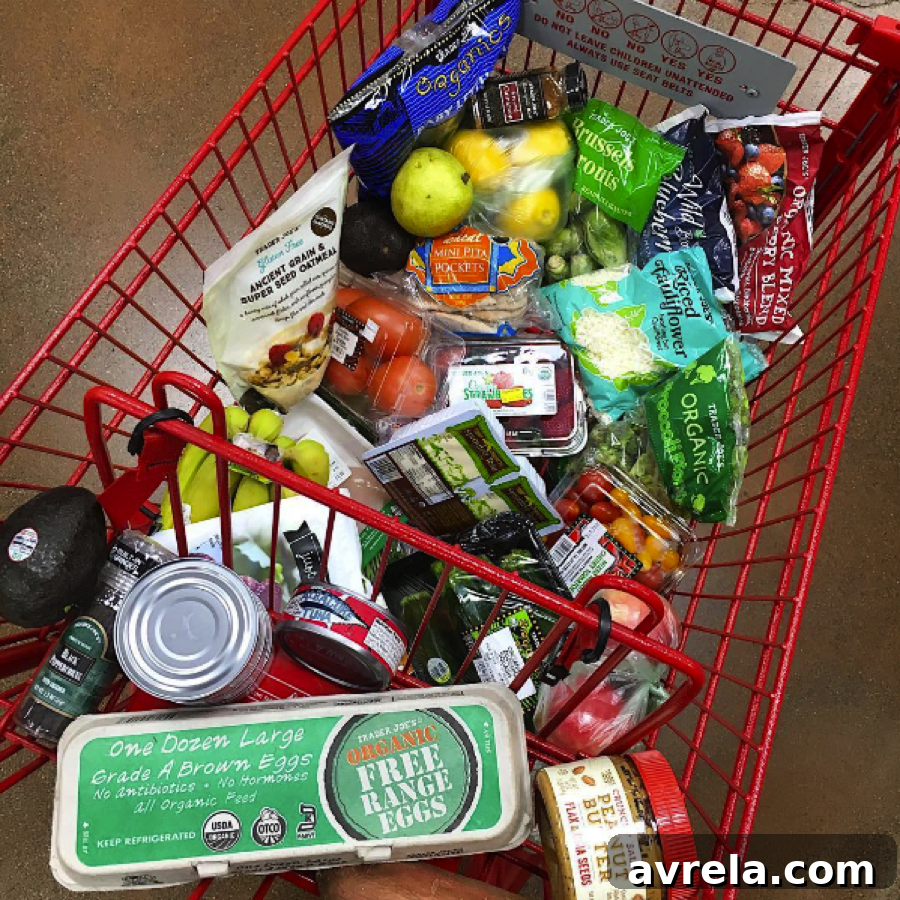
Transitioning from dorm meal plans and sorority dining to buying and preparing my own food was a gradual but important change. After living with meals provided by the university and later by a sorority chef, I eventually learned how to shop, store, and cook for myself. Over time I developed a reliable grocery routine and a weekly list of staples that made college life simpler—so I’m sharing what worked for me to help other students build a practical, healthy shopping list.
I attended Oregon State University (Go Beavs!), a small college town that took me a couple of years to love. At first I missed home and familiar faces, but college introduced me to new people and routines that became my own. Moving into a sorority sophomore year was a big change—from living with one close friend to being surrounded by 60 sisters. It wasn’t what I expected, but it gave me a chance to try different things and to learn how to eat sensibly in a large group setting.
Meals in the sorority were straightforward and plentiful: pasta pans to feed dozens, salad bars, hearty entrees, and cooked breakfasts. Our chef was talented and offered a variety of options. I developed a simple plate routine—fill half your plate with vegetables and salad, reserve about a quarter for complex carbohydrates like sweet potato, quinoa, brown rice, or beans, and use the remaining quarter for protein. Snacks I relied on included carrots and hummus, whole grain pretzels, yogurt cups, seasonal fruit, nut butters, and premade salads I’d buy from a nearby health food store and stash in the shared fridge.
My sophomore year, I stayed relatively fit by avoiding heavy drinking, prioritizing workouts (often six times per week), eating balanced meals, and getting enough sleep. One nightly favorite that stuck with me was plain popcorn paired with carrots. I’d pop about two tablespoons of kernels in a brown paper bag—no oil—microwaved until the popping slowed. Sometimes I’d add a light spray of coconut oil and cinnamon for a sweet twist, or coconut oil with nutritional yeast and black pepper for a dairy-free, savory, “cheesy” flavor. Popcorn is an inexpensive, healthy alternative to chips as long as you avoid prepackaged buttery microwave bags or movie-theater popcorn, which tend to be high in saturated fat, sodium, and trans fats.
By junior year I was fully responsible for my meals, sharing a townhouse and a single small fridge with four other girls, which meant buying strategically and maximizing shelf life. I usually shopped on Sundays to prepare for the week and rotated between Trader Joe’s, Fred Meyer, and Market of Choice depending on what I needed. I also shopped at seasonal farmers’ markets. For specialty items I couldn’t find locally, I would look to larger health food stores when possible.
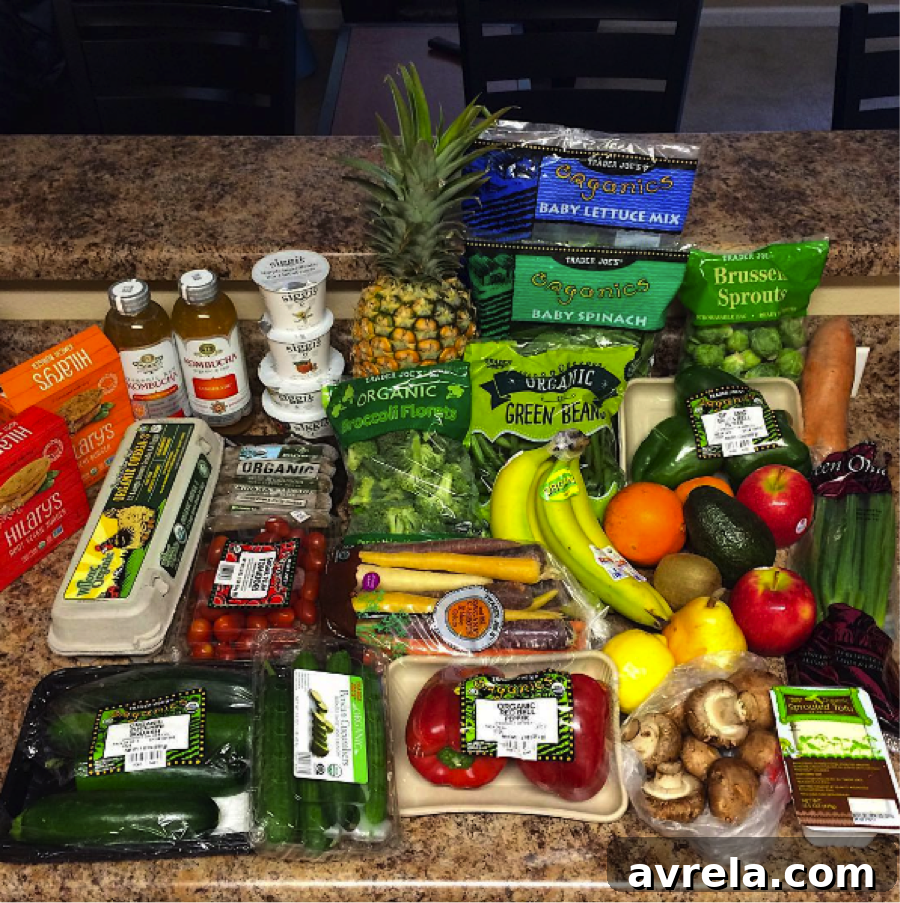
Photo taken of grocery haul after a trip to Trader Joe’s and Market of Choice
One unexpected source for affordable health-food finds was discount home stores like Marshalls, TJ Maxx, and HomeGoods. These stores often stock seasonings, oils, honey, and nut butters at good prices—just check expiration dates before buying. My basic shopping habits evolved into a few regular rules:
- I tended to buy many of the same staples each week and repurpose them into different meals to reduce waste and save time.
- Trader Joe’s often offered the best deals on organic produce, nuts, and pantry staples.
- Shopping at stores with bulk sections helped me stock up on favorites for lower prices.
- When possible, I chose organic to reduce exposure to pesticides and GMOs.
Below is a practical grocery list I used regularly—split between Trader Joe’s items and specialty items I would pick up at larger health food stores like Market of Choice.
Trader Joe’s
Produce
Green beans, bell peppers, Brussels sprouts, cucumber, spinach, tomatoes, avocados, broccoli, cauliflower, zucchini, mushrooms, green onions, tri-colored carrots, red onion, lemons and limes, sweet potatoes, asparagus, apples, bananas, berries.
Refrigerated
Organic sprouted extra-firm tofu, crumbled feta or goat cheese, plain Greek yogurt, organic ground beef, organic chicken breasts, chicken sausage, white bean hummus.
Canned & Jarred
Beans (kidney, black, garbanzo), canned tomatoes or pasta sauce, no-salt-added tuna.
Superfoods & Supplements
Chia seeds, ground flaxseed, apple cider vinegar.
Seasonings, Spices & Oils
Cinnamon, red pepper flakes, garlic powder, ginger, ground black pepper, 21 Seasoning Salute, cumin, turmeric, organic olive oil, organic coconut oil.
Dry Goods & Snacks
Organic nut butters, mixed nuts, 10-minute farro, quinoa, coconut flour, baking powder, plantain chips, organic rice cakes, popcorn kernels, steel-cut oats, sprouted bread or tortillas, RXBARs.
Frozen
Mixed berries, raspberries, mango chunks, frozen vegetables, riced cauliflower.
Market of Choice / Specialty Health Stores
Refrigerated
Pasture-raised eggs, plain Icelandic-style yogurt, unsweetened almond milk, specialty dairy-free cheeses, chickpea pasta, kombucha.
Frozen
Veggie burgers and bites, alternative grain or vegetable-based tortillas, high-quality chicken sausage.
Dry Goods
Raw organic honey, bulk nuts and trail mix, specialty mustards and condiments, gluten-free crackers and other specialty snacks.
This list kept my weekly shopping efficient, my meals varied, and my budget manageable. By focusing on versatile staples, fresh produce, and a few specialty items, I was able to prepare nourishing meals without wasting food—or time—during busy semesters.