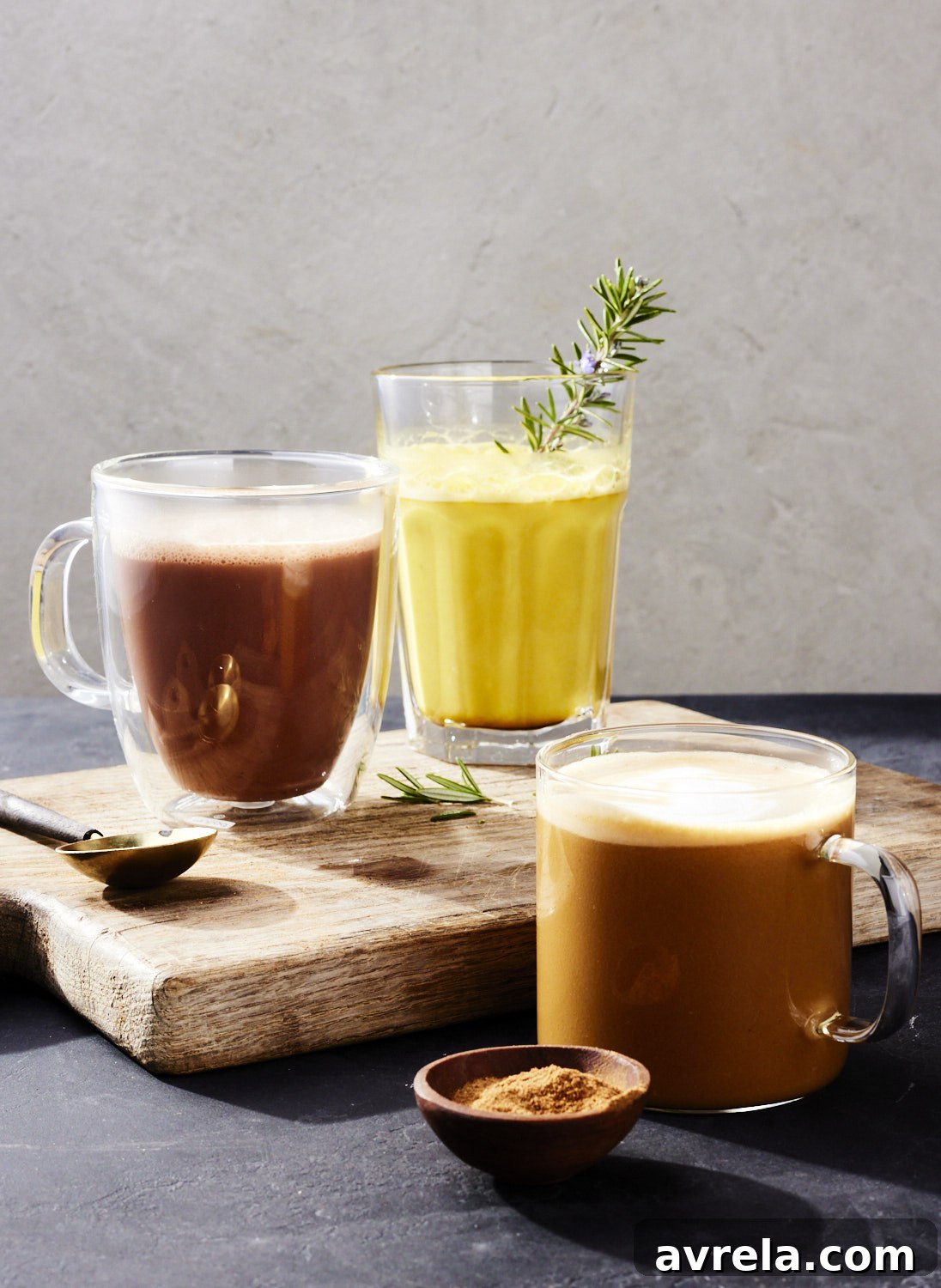
Coming off the holidays, when many of us feel worn down and ready to return to productive, healthy routines, sickness often seems to follow. This season it feels like everyone is taking turns getting ill. If you’ve managed to avoid it so far, here are practical, science-aligned tips to help you stay well and resilient.
1. Prioritize Your Wellness Routine
It may sound simple, but maintaining a consistent wellness routine is one of the best defenses against getting sick. If your healthy habits slipped over the holidays, focus on a few high-impact practices:
- Get fresh air and aim for a daily step goal. Ten thousand steps is a solid target for many people, and brief walks outdoors boost both physical health and mental clarity.
- Make time for regular movement. Consistent exercise raises energy levels, supports immune function, and improves mood—small, frequent workouts often beat sporadic long sessions.
- Schedule downtime to decompress. Simple rituals—making a cup of tea, doing a short face mask, taking a bath, or reading—help reduce stress and restore balance.
- Explore supportive practices like yoga, sauna sessions, or cold showers/plunges, depending on what fits your preferences and health status.
2. Support Your Gut Health
Eating nutrient-dense foods helps, but gut health encompasses more than diet. It refers to the balance and diversity of the gut microbiome, which is influenced by sleep quality, stress, environmental exposures, and daily habits.
- Focus on a balanced diet with adequate protein, plenty of vegetables and fruits, and sufficient fiber. Hydration is essential—especially during peak illness seasons—so increase water intake to support digestion and overall health.
- Consider daily supplements that support gut balance when appropriate. Many people find probiotics helpful for maintaining microbial diversity, and targeted supplements can support gut lining and immune defenses. Discuss options with a healthcare provider to find what’s right for you.
- Add nourishing, easy-to-digest options like bone broth to your routine. A warm cup of nutrient-dense broth can be comforting, hydrating, and supportive for digestion and immunity.
3. Make Time to Rest and Recover
Rest is productive. When life gets busy, sleep and recovery are the foundations that allow your body and mind to perform at their best.
- Improve sleep hygiene. Prioritizing consistent, restorative sleep supports immune function, cognitive performance, and emotional resilience. Aim for regular sleep and wake times and create a comfortable sleep environment.
- Build a calming evening routine. Reduce screen time before bed, create a wind-down ritual, and give yourself time to transition from the day’s activities into restful sleep—this helps you fall asleep faster and improves sleep quality.