

With the growing availability of gluten-free products and the popularity of the diet, a common question I hear is: “Is going gluten-free actually healthier?”
Short answer: not always. For people with celiac disease, a wheat allergy, or other diagnosed gluten-related conditions, avoiding gluten is essential for health. For most people, however, simply removing gluten from the diet does not automatically lead to better health. Many processed gluten-free products are highly refined, lower in fiber and nutrients, and sometimes higher in added sugars and saturated fat compared with their gluten-containing counterparts. A gluten-free label indicates the absence of gluten, not a guarantee of superior nutrition.
What is gluten anyway?
Gluten is a group of proteins found in wheat, barley, and rye that give bread and other baked goods their elasticity and chew. You’ll find gluten in bread, pasta, crackers, baked treats, some cereals, and in certain sauces and processed foods. For most people, gluten is harmless; for a subset of people, it can cause significant health problems.
So, is gluten-free actually healthier?
For people without an underlying gluten-related condition, evidence does not support the idea that cutting gluten alone improves health, reduces inflammation, increases energy, or causes weight loss. What matters is what you replace gluten-containing foods with. A diet centered on whole, minimally processed foods—whether gluten-free or not—will be more nutritious than one reliant on packaged gluten-free substitutes.
That said, going gluten-free can be the healthier choice for individuals who experience digestive discomfort, bloating, headaches, fatigue, or other symptoms after eating gluten. In those cases, reducing or eliminating gluten can provide meaningful symptom relief and improved well-being. Whether that improvement stems from gluten itself or other components of wheat (like fructans, a FODMAP) can vary person to person.

Why I personally eat mostly gluten-free
As a registered dietitian, I don’t recommend blanket removal of any entire food group for everyone. I encourage reading labels, understanding ingredients, and paying attention to how foods make you feel. I choose to eat mostly gluten-free because it helps me feel my best: when I consume more gluten than usual I often feel heavy and sluggish. That is a personal response, not a universal rule. Nutrition is individual, and dietary choices should reflect what supports your own health and daily functioning.
Who actually needs to go gluten-free?
There are three main groups for whom a gluten-free diet is necessary or beneficial:
- Celiac disease: an autoimmune condition in which ingesting gluten damages the small intestine. Even trace amounts can cause harm, so strict, lifelong avoidance of gluten is required.
- Wheat allergy: an allergic reaction to proteins in wheat. Depending on the allergy, some gluten-containing grains may still be acceptable, but wheat must be avoided.
- Non-celiac gluten sensitivity (NCGS): people with NCGS experience symptoms from gluten-containing foods but test negative for celiac disease. Symptoms can include bloating, abdominal pain, fatigue, and brain fog. In some cases, other components of wheat like FODMAPs may be responsible; in others, a non-celiac immune response could be at play.

Naturally gluten-free foods: where to start
A major misconception is that a gluten-free diet must rely on specialty packaged products. You can include gluten-free breads, pastas, and crackers if you enjoy them, but they don’t need to form the core of your meals. Focusing on naturally gluten-free whole foods makes it easier to meet nutrient needs and build satisfying, balanced meals.
Naturally gluten-free foods include:
- Fruits: berries, apples, bananas, oranges, melons, grapes
- Vegetables: leafy greens, broccoli, peppers, carrots, tomatoes, zucchini
- Potatoes and sweet potatoes: versatile sources of carbohydrates and nutrients
- Rice: white, brown, wild and other varieties
- Quinoa: a protein-containing, gluten-free grain-like seed
- Beans and legumes: black beans, chickpeas, kidney beans, lentils
- Eggs: naturally gluten-free, nutrient-dense protein
- Meat, poultry, fish, and seafood: plain unprocessed cuts and fresh seafood
- Nuts and seeds: almonds, walnuts, chia, pumpkin, flax
These foods deliver protein, fiber, vitamins, minerals, and healthy fats—key elements of a nourishing diet whether or not you eat gluten.
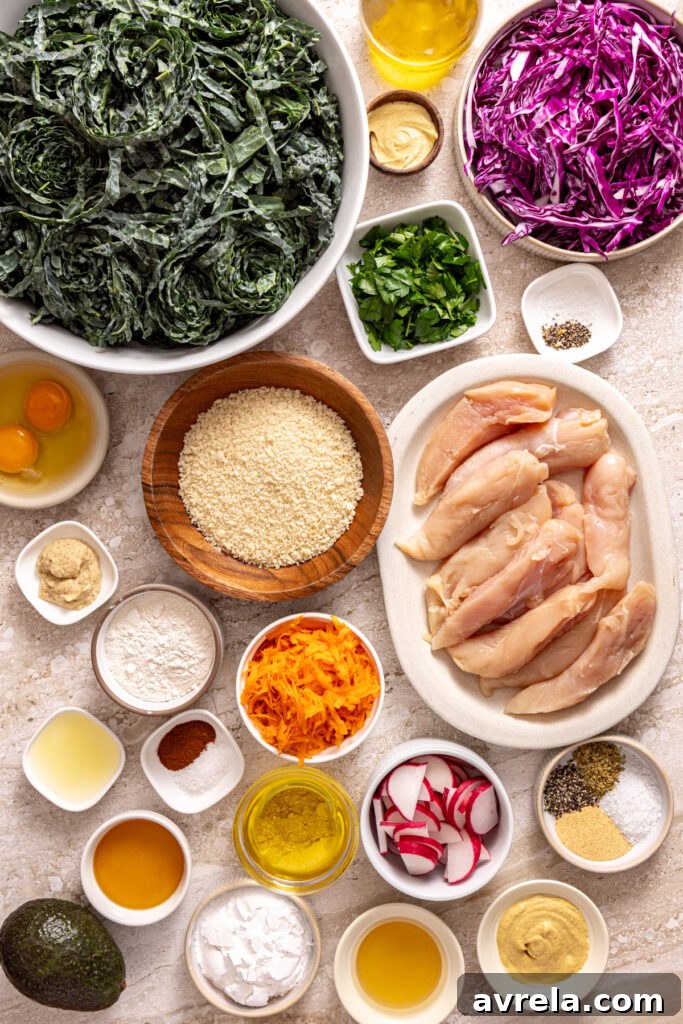
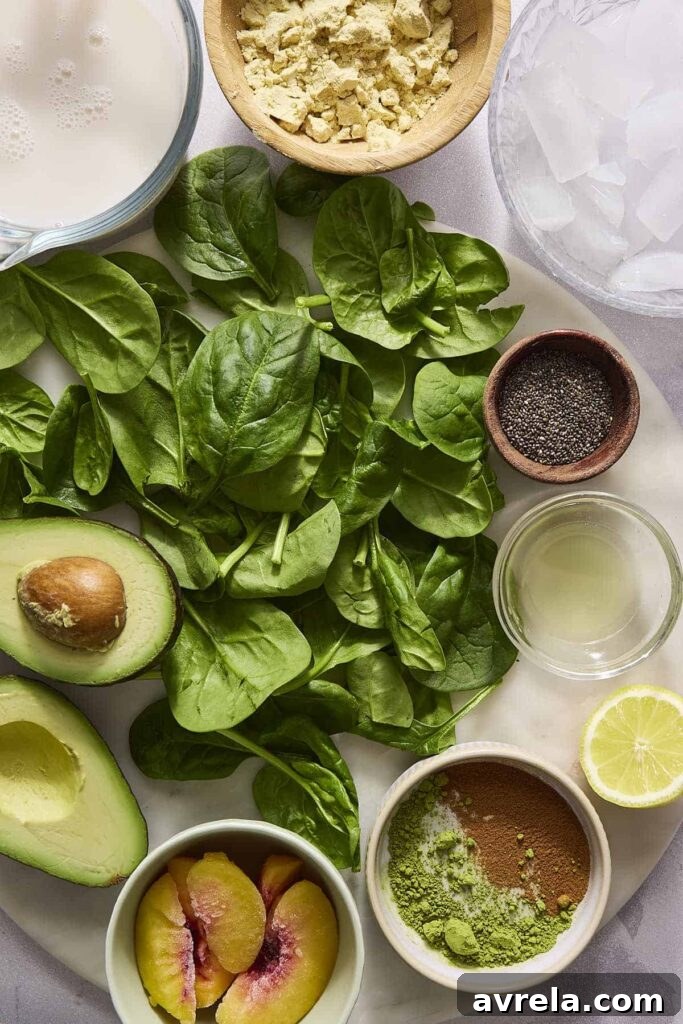
“But isn’t gluten-free hard?”
It can feel intimidating at first, but I find it straightforward in daily life. With a few staple ingredients and simple recipes, eating mostly gluten-free becomes routine. You don’t have to give up favorite flavors or meals; many dishes simply swap in naturally gluten-free grains or use alternative preparations. Learning to read labels and choosing whole foods lowers the stress of navigating grocery aisles.
The healthiest way to eat gluten-free
Whether you avoid gluten for medical reasons or personal preference, prioritize whole, naturally gluten-free foods: lean protein, eggs, vegetables, fruits, potatoes, rice, quinoa, beans and lentils, nuts and seeds, and certified gluten-free oats when desired. These foods supply the protein, fiber, healthy fats, vitamins, and minerals your body needs. Avoid relying heavily on packaged gluten-free substitutes and read nutrition labels to choose options that support your health goals.
So, should you go gluten-free?
If you have celiac disease or another diagnosed condition requiring avoidance of gluten, the answer is yes. If you notice consistent symptom relief and better energy when you reduce gluten, that is a valid reason to continue. If you don’t experience negative effects from gluten, there is no compelling evidence that eliminating it will improve your health. Ultimately, the right choice depends on your medical needs, symptoms, and personal experience.

Frequently asked questions
Is a gluten-free diet healthier?
It depends. For people with celiac disease, a wheat allergy, or non-celiac gluten sensitivity, a gluten-free diet can be essential or beneficial. For others, removing gluten without changing overall diet quality does not automatically improve health.
Does gluten cause inflammation?
In people with celiac disease, gluten triggers an autoimmune inflammatory response. In people without celiac disease, current research does not show that gluten causes widespread inflammation.
Can gluten make you feel tired?
Some people with celiac disease or non-celiac gluten sensitivity report fatigue after consuming gluten. Others notice personal improvement when they limit gluten. However, there is no strong evidence that gluten causes fatigue in otherwise healthy people across the board.
Is gluten-free better for weight loss?
Not inherently. Weight management depends on overall calorie balance, food choices, and lifestyle. Many gluten-free packaged foods have similar or higher calorie content compared with their traditional versions.
Is it hard to eat gluten-free?
Initially it can feel overwhelming, but with a few reliable staples and recipes, eating gluten-free is manageable and flexible. Emphasize whole foods and simple preparations to make the transition easier.
What are the healthiest gluten-free foods?
Whole, minimally processed items such as vegetables, fruits, lean proteins, beans and lentils, potatoes, rice, quinoa, nuts, seeds, and certified gluten-free oats are among the healthiest gluten-free choices.