
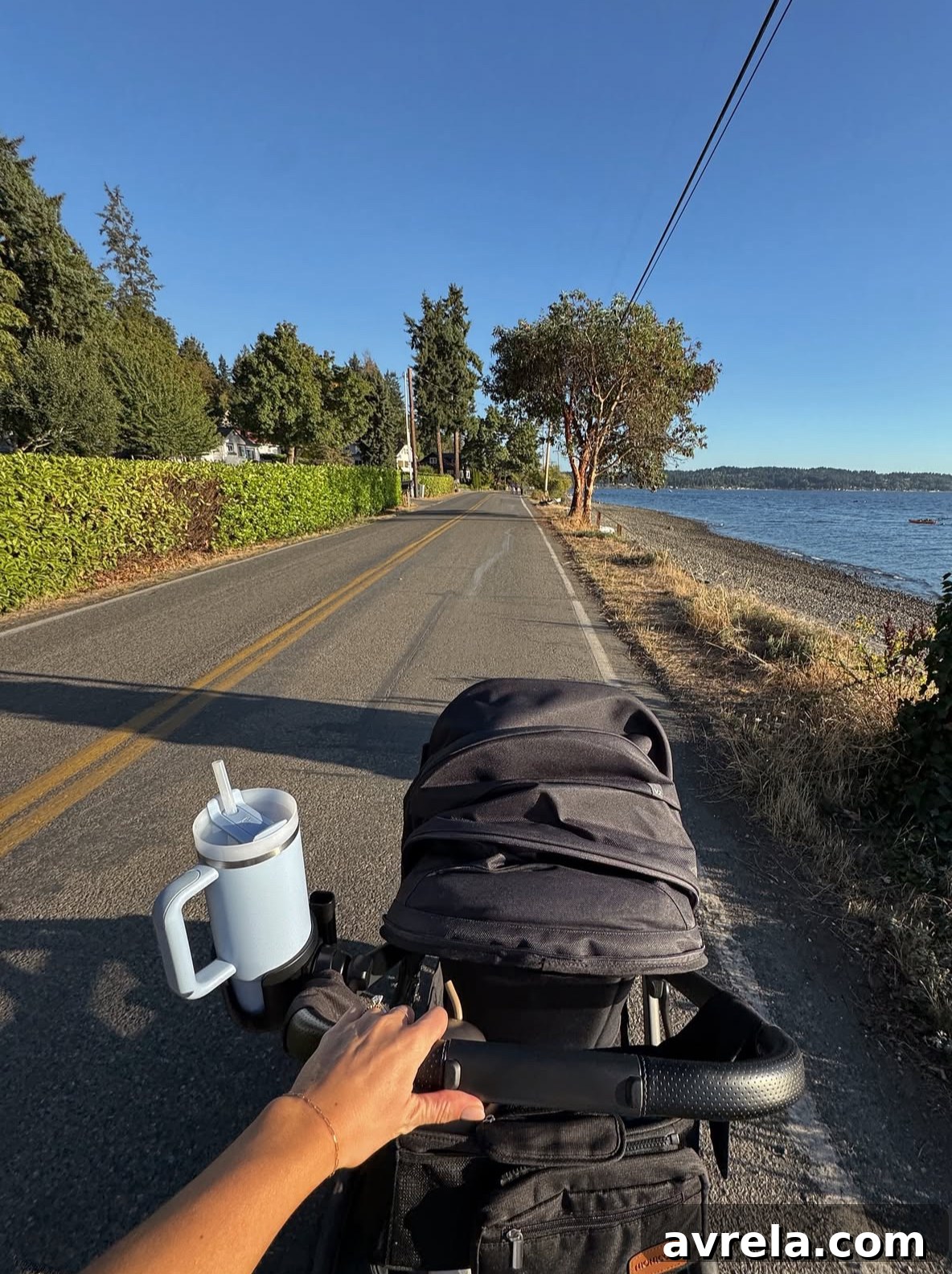
One of the most beneficial changes I made to my fitness routine was converting full rest days into active rest days. Active rest helps speed recovery, reduce soreness, and maintain movement without the strain of a hard workout. Instead of remaining completely inactive, these lighter days promote circulation and mobility so you arrive at your next session feeling refreshed.
What Are Active Rest Days?
Active rest days prioritize low-intensity, purposeful movement rather than intense training. The goal is to give muscles and joints a break while encouraging blood flow, reducing stiffness, and supporting recovery. Unlike complete rest—where you avoid exercise entirely—active rest keeps the body moving in a gentle, controlled way that enhances repair and reduces the chance of stiffness or soreness.
Why Active Rest Days Matter
Active rest should be understood as smart training, not laziness. Planned recovery days enhance performance and long-term adherence. Key benefits include:
- Improved physical recovery: Light movement helps clear metabolic waste and supports muscle repair.
- Mental restoration: Gentle activity improves mood, lowers stress, and offers a break from intense sessions.
- Consistency and longevity: Regular recovery reduces the risk of overtraining and helps you stay consistent over months and years.
- Burnout prevention: Active rest makes training sustainable and helps you stay motivated.
What To Do on Active Rest Days
Active rest should feel enjoyable and restorative, not exhausting. Choose activities that move your body gently and leave you feeling refreshed. Examples include:
- Walking outdoors or on an incline treadmill
- Gentle yoga, mobility sequences, or stretching routines
- Easy cycling or low-intensity swimming
- Foam rolling and targeted mobility work
- Recreational sports like tennis or pickleball played at a light effort
Tip: Keep the intensity low. You should not feel fatigued afterward—just looser and more energized.
How To Structure Active Rest Days
- Duration: Aim for 20–45 minutes of movement—enough to increase circulation but not to cause fatigue.
- Recovery fundamentals: Pair movement with hydration, balanced nutrition, and quality sleep to maximize recovery.
- Planned frequency: Including one to two active rest days per week helps maintain momentum while allowing recovery without losing progress.
Common Mistakes to Avoid
- Overdoing it: Don’t treat an active rest day like another intense workout. The purpose is recovery.
- Skipping recovery: Ignoring rest days undermines progress and increases injury risk.
- Neglecting mobility: Stretching and mobility work are small investments that yield big recovery benefits.
- Ignoring signals: If you feel unusually fatigued, take a full rest day. Listen to your body.
Want Better Progress in Your Fitness?
Progress comes from a balanced plan that trains all muscle groups, progressively increases demands, and intentionally builds in recovery. Structured programs that include active rest help prevent plateaus and support sustainable improvement. When you combine progressive overload with planned recovery, you protect gains and keep workouts effective over the long term.

FAQ
How long should an active rest day last?
20–45 minutes of low-intensity activity is typically ideal—enough to stimulate circulation and mobility without taxing the system.
Can I do cardio on an active rest day?
Yes. Keep it low-intensity, such as walking, easy cycling, or relaxed swimming. Reserve high-intensity intervals or sprints for your dedicated training days.
More Fitness Content
Explore related topics like warming up properly, applying progressive overload, and targeted resistance-band exercises to complement your training and recovery routine.