
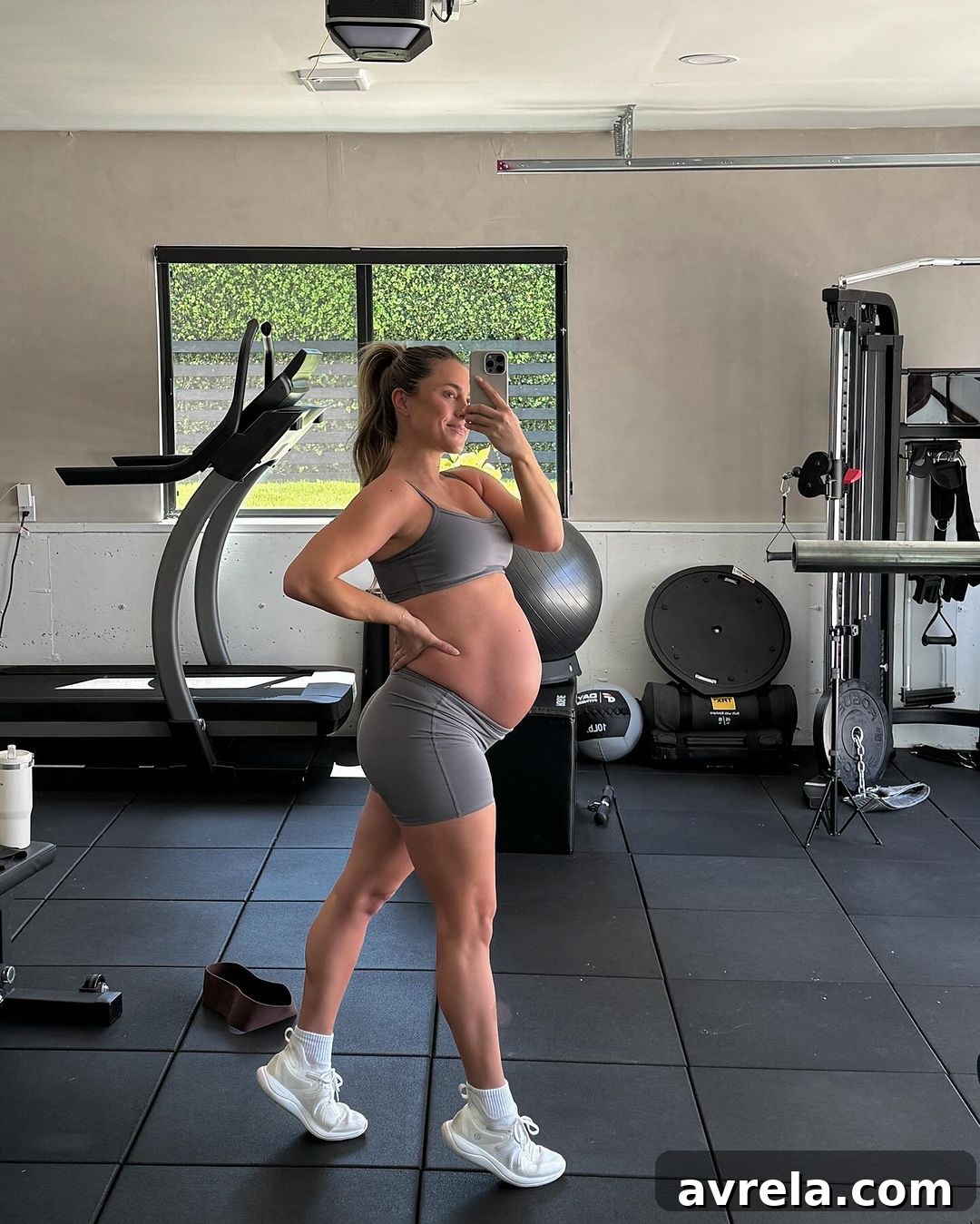
Embarking on a journey of pregnancy-friendly workouts has transformed my experience, and I’m absolutely loving every moment. At 38 weeks pregnant, a milestone that still feels wonderfully surreal, I am deep into testing the final stages of my comprehensive pregnancy fitness guide workouts. Each day, I eagerly anticipate these sessions, finding them to be the perfect balance that keeps me feeling energized, incredibly strong, and consistently reminds me to prioritize essential stretching and mobility. This dedication isn’t just about maintaining fitness; it’s about nurturing my body through one of life’s most significant transitions.
My collaboration with a highly experienced Pilates instructor and physical therapist has been instrumental in developing this guide. Our goal is to create a resource that is not only robustly educational but also packed with effective, low-impact movements, thoughtful modifications for every stage, and workouts designed to foster consistency throughout your entire pregnancy. We believe this guide will serve as the ultimate companion for expecting mothers, making it an ideal starting point for anyone new to working out during pregnancy. It’s crafted to empower you, providing the tools and confidence to stay active and healthy. Below, you’ll find a glimpse into the kind of supportive and effective workouts featured in the guide.
The Benefits of Prioritizing Prenatal Fitness
Engaging in regular physical activity during pregnancy offers a multitude of benefits, extending far beyond simply maintaining your physical appearance. For expectant mothers, a well-structured prenatal fitness routine can significantly improve overall well-being. It helps in boosting energy levels, which is crucial as your body works harder to support a growing baby. Strengthening your muscles, particularly your core and pelvic floor, can alleviate common pregnancy discomforts like back pain and prepare your body for the demands of labor and delivery. Furthermore, consistent exercise enhances circulation, reduces swelling, improves sleep quality, and can even uplift your mood, combating prenatal blues.
Prioritizing mobility and flexibility, as emphasized in my guide, is key. As your body changes, your center of gravity shifts, and joints become more lax due to hormonal changes. Stretching and mobility exercises help maintain range of motion, prevent stiffness, and improve posture, making daily activities more comfortable. It’s about building a resilient body that can adapt to pregnancy’s evolving challenges and recover more smoothly postpartum. This holistic approach ensures you’re not just exercising, but truly nourishing your body and mind throughout this extraordinary period.
Your Comprehensive Pregnancy-Friendly Workout
This full-body workout is meticulously designed to support your body’s needs during pregnancy, focusing on strength, stability, and flexibility. Remember to listen to your body, modify as needed, and consult with your healthcare provider before starting any new exercise routine.
Warm-up: Get Your Body Ready
Begin every session with a gentle warm-up to prepare your muscles and joints for movement. A 10-15 minute brisk walk is ideal to elevate your heart rate gradually and increase blood flow, ensuring your body is adequately warmed before diving into more intense exercises.
Circuit 1: Mobility & Lower Body Activation (2 Rounds)
Focus on dynamic stretches and controlled movements to activate your lower body and improve hip mobility. Take your time with each exercise, prioritizing form over speed.
- Adductor Stretch: Hold for 60 seconds. This helps open up the hips and inner thighs, crucial for comfort and preparing for labor.
- Reverse Lunge to High Knee Drive: Perform for 30 seconds each leg. You can choose to add a hop for a low-impact cardio boost or keep it controlled for stability.
- Fire Hydrant: Complete 12 repetitions on each leg. This exercise targets the glutes and hips, enhancing hip stability.
Rest for 2 minutes between rounds to recover and prepare for the next circuit.
Circuit 2: Strength & Power (3 Rounds)
This circuit focuses on building strength in your glutes, hamstrings, and quads, using weights for added resistance. Always choose a weight that allows you to maintain proper form.
- Hip Thrusts: Perform 12 repetitions. Using a resistance band is optional to increase glute activation.
- DB Squats (or Squat Rack): Complete 12 repetitions. Dumbbells are a versatile option, or use a squat rack if comfortable and advised by your professional.
- Weighted RDLs on Bench: Execute 10 repetitions on each leg. Using a bench provides excellent support and allows for a controlled range of motion.
Rest for 1 minute between rounds.
Circuit 3: Cool-down & Flexibility (1-2 Rounds)
Conclude your workout with gentle stretches to cool down your muscles, improve flexibility, and promote relaxation. Focus on deep breathing throughout these stretches.
- Runner’s Lunge Stretch: Hold for 30 seconds on each leg. This targets the hip flexors and quadriceps.
- Child’s Pose: Hold for a comfortable duration. A wonderful pose for back relief and gentle spinal decompression.
Adductor Stretch: Enhancing Hip Mobility
One of the most valuable additions to my pregnancy-friendly workout routine is a greater emphasis on stretching and mobility. The adductor stretch is a prime example, crucial for adequately warming up before engaging in any weight-bearing exercises. Beyond its preparatory role, the sensation of stretching my legs and back provides immense relief, a welcome respite from the constant exertion of growing and carrying a baby. This simple yet profound movement helps to gently open the hips, promoting flexibility in the inner thighs and groin—areas that can become tight and uncomfortable during pregnancy. By incorporating such stretches, we not only prepare the body for physical exertion but also support its natural changes and alleviate common discomforts, making daily life and movement much more comfortable. Always move slowly into the stretch, holding it at a point of gentle tension rather than pain.
Reverse Lunge To High Knee Drive: Stability and Dynamic Movement
The Reverse Lunge to High Knee Drive is a fantastic exercise for pregnant individuals, offering both strength and dynamic movement while being easily adaptable to various fitness levels. You can choose to perform this as a strictly low-impact move by simply driving your knee upwards in a controlled manner, focusing on balance and muscle engagement. For those feeling more energetic and stable, you have the option to add a gentle hop at the peak of the knee drive. However, it is paramount to prioritize your stability and balance before introducing any jumping movements. During pregnancy, your ligaments become more lax, which can affect your balance. Therefore, a controlled, deliberate motion without the hop is often the safest and most effective choice. This exercise not only strengthens your legs and glutes but also improves coordination and core stability, which are vital during pregnancy.
Fire Hydrants: Targeting Hip Strength and Pelvic Stability
Fire Hydrants are an excellent exercise for strengthening the gluteus medius and improving hip stability, which becomes increasingly important as your belly grows and your center of gravity shifts. During pregnancy, I’ve found that performing these on an incline, rather than on all fours, feels significantly more comfortable and effective. This modification helps alleviate pressure on the wrists and provides better abdominal support, especially in the later stages of pregnancy. You can easily achieve this incline by using a sturdy bench, a chair, or even leaning against a wall. The key is to find a position where you can maintain a neutral spine and comfortably engage your core without strain. Focus on controlled movements, lifting your knee out to the side while keeping your hips stable and avoiding any rocking motion. This targeted strengthening contributes greatly to pelvic stability, potentially reducing lower back and hip pain common during pregnancy.
Hip Thrusts: Building Glute Strength with Support
Hip thrusts are unparalleled for building powerful glutes and strengthening the posterior chain, which are crucial for supporting your pelvis and alleviating back discomfort during pregnancy. While resistance bands are often incorporated to enhance glute activation, they are entirely optional here, allowing you to tailor the intensity to your comfort level. Personally, I find immense benefit from using a medium resistance band from Rec Sweat (don’t forget code RACHAEL10 for 10% off sitewide!). The real game-changer for me, especially in late pregnancy, is the use of a stability ball or a similar soft support for my upper back. This accessory provides an incredible amount of comfortable support, making the exercise much more accessible and enjoyable. It cradles the spine and upper body, allowing me to focus on the glute engagement without any strain. Remember to keep your chin tucked, drive through your heels, and squeeze your glutes at the top of the movement for maximum benefit. This controlled and supported approach ensures you’re effectively strengthening your glutes safely throughout your pregnancy journey.
Weighted Squats: Foundation of Lower Body Strength
Squats are a foundational exercise for building lower body strength and are incredibly beneficial during pregnancy for strengthening the legs, glutes, and core. They also help in preparing the body for labor by improving hip mobility and leg endurance. If you have access to a barbell and are comfortable with back squats, feel free to incorporate them, ensuring proper form and a manageable weight. However, dumbbells offer a fantastic and highly versatile alternative, allowing for a goblet squat or holding one in each hand. The beauty of squats during pregnancy is their adaptability; you can even perform them with just your body weight, focusing purely on form and depth, depending on how you feel on any given day. As your pregnancy progresses, you might find that a wider stance or squatting to a bench or chair provides more comfort and support. Always prioritize stability and control throughout the movement, descending to a comfortable depth where your core remains engaged and your back stays neutral. Listen to your body and adjust the weight or intensity as needed.
Weighted RDLs (On Bench): Supported Hamstring and Glute Engagement
Romanian Deadlifts (RDLs) are exceptional for targeting the hamstrings and glutes, crucial muscles for posture and pelvic support throughout pregnancy. Performing Weighted RDLs with one leg elevated on a bench offers a fantastic modification that provides added support and stability. This variation allows for a more focused engagement of the muscles, ensuring controlled movement and reducing any potential strain on your lower back. I absolutely adore this modification because it emphasizes stability and control throughout the entire range of motion, rather than pushing for excessive weight. The goal is to feel the stretch in your hamstring and the squeeze in your glute as you hinge at your hips, keeping your back straight and your core engaged. By utilizing the bench for support, you can safely work on strengthening these vital muscle groups, improving both flexibility and strength without compromising your balance or putting undue stress on your pregnant body. Always move with intention and listen to your body’s feedback.
General Tips for Safe Pregnancy Workouts
Maintaining an active lifestyle during pregnancy is highly recommended, but it’s essential to do so safely and intelligently. Always consult your healthcare provider before beginning any new exercise regimen. Here are some general guidelines to ensure your workouts are beneficial and safe:
- Listen to Your Body: This is perhaps the most crucial tip. Pregnancy is not the time to push for personal bests. If something feels uncomfortable or painful, stop immediately.
- Stay Hydrated: Drink plenty of water before, during, and after your workouts to prevent overheating and dehydration.
- Avoid Lying Flat on Your Back: After the first trimester, avoid exercises that require you to lie flat on your back for extended periods, as this can compress a major blood vessel (vena cava) and reduce blood flow to your baby.
- Maintain Proper Posture: As your belly grows, your center of gravity shifts. Focus on maintaining good posture to prevent back pain.
- Modify Exercises: Don’t hesitate to modify exercises as your body changes. Use props, reduce range of motion, or decrease weight if necessary.
- Wear Supportive Gear: Invest in a good quality sports bra and comfortable, breathable clothing. A maternity support belt can also provide comfort for some.
- Know When to Stop: Be aware of warning signs such as dizziness, headache, chest pain, calf pain or swelling, vaginal bleeding, or fluid leaking. If you experience any of these, stop exercising and contact your doctor.
- Breathe Deeply: Ensure you are breathing consistently throughout your exercises. Avoid holding your breath.
Looking For More Pregnancy-Friendly Workouts?
Staying active and strong throughout your pregnancy is a gift you give to yourself and your baby. For more tailored guidance and diverse routines, explore these additional resources designed with your comfort and safety in mind:
Full-Body Pregnancy-Friendly Workout: A comprehensive routine for holistic strength.
Pregnancy Challenge Workout: See how even partners can benefit from these modified exercises!
Lower-Body Workout (Pregnancy-Friendly): Focus on strengthening your foundation with these targeted moves.
20-Minute DB-Only Workout (Pregnancy-Friendly): Quick, effective, and requires minimal equipment.
We are incredibly excited for you to experience the full benefits of our upcoming pregnancy guide. Stay tuned for more details and get ready to embrace a stronger, more vibrant you throughout your pregnancy journey and beyond!