
Revolutionize Your Kitchen: The Ultimate Guide to Healthy Fridge & Grocery Shopping Hacks
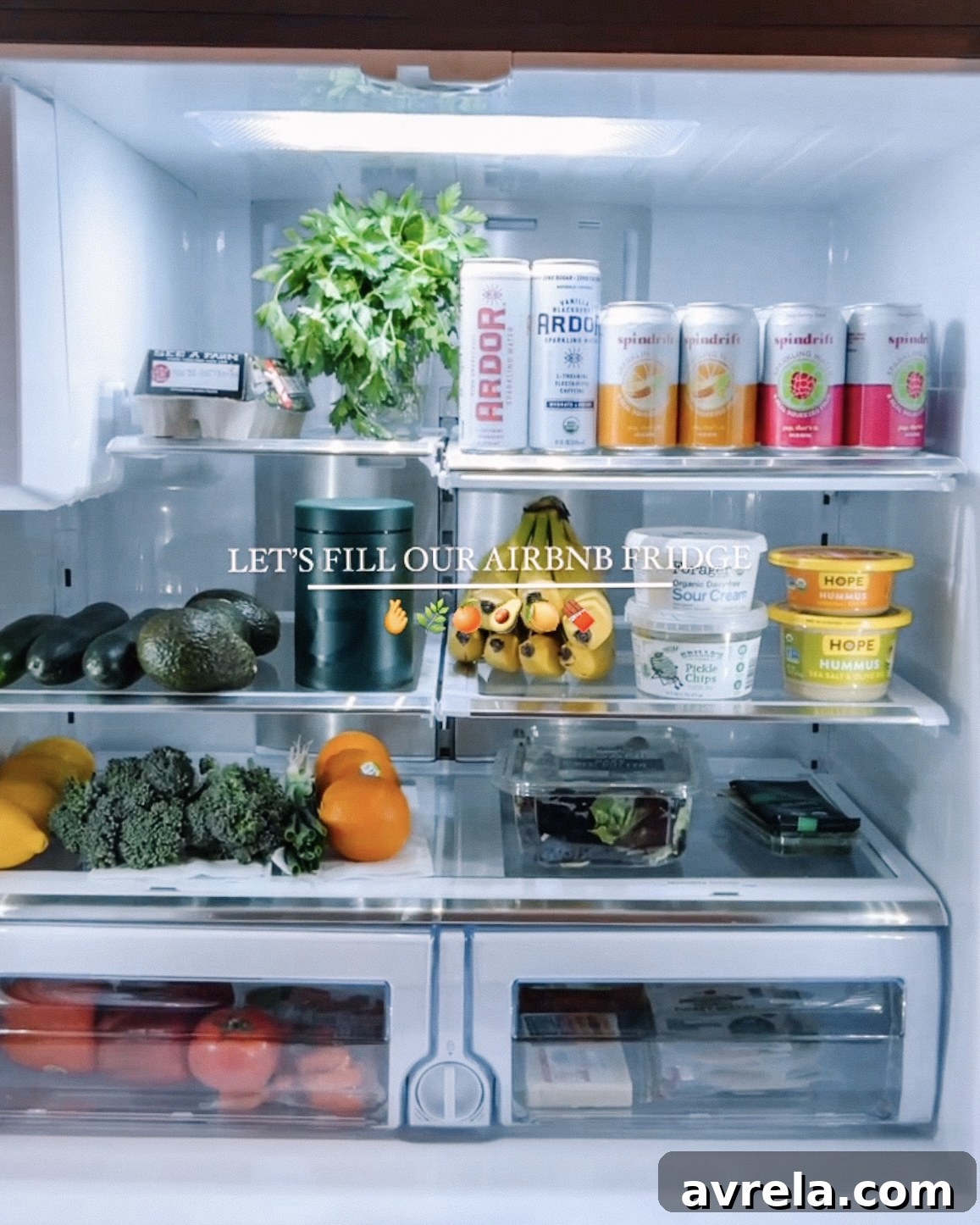
When I shared a glimpse into how I stock our Airbnb fridge, I was overwhelmed by the incredible response and the sheer volume of ingenious healthy fridge and grocery shopping tips you all shared. It quickly became clear that these pearls of wisdom deserved a dedicated space where we can all revisit them for inspiration. This post rounds up some of the most practical and helpful hacks to transform your kitchen routine, reduce food waste, and make healthy eating even easier. While some of these might seem intuitive, I guarantee you’ll find a few game-changers that will simplify your life. If you have any other brilliant tips that absolutely need to be featured, please share them in the comments below!
Unlock a Healthier Kitchen: Top Fridge & Grocery Hacks
-
Extend the Life of Fresh Herbs
One of the most frustrating aspects of cooking can be watching fresh herbs wilt away just days after buying them. Fortunately, there’s a simple yet highly effective solution to dramatically extend their freshness. Treat your herbs like a delicate bouquet of flowers: fill a mason jar or a tall glass halfway with water, then place the herb stems directly into the water. This method works wonders for common culinary herbs such as cilantro, parsley, basil, and even slender vegetables like asparagus, keeping them vibrant and crisp for significantly longer periods. For optimal results, remember to refresh the water every few days to maintain its cleanliness and effectiveness. Additionally, for an extra layer of protection, particularly beneficial for delicate varieties like cilantro, loosely place a plastic bag upside down over the top of the jar before refrigerating. This clever trick creates a mini-greenhouse effect, locking in essential moisture and further extending their shelf life. Implementing this simple hack will not only reduce food waste but also ensure you consistently have a supply of fresh, flavorful herbs ready to elevate your culinary creations.
-
Wash Berries with Vinegar for Extended Freshness
Berries are a delicious and nutritious addition to any diet, but they are notoriously prone to mold and rapid spoilage, often turning fuzzy just a few days after purchase. To combat this common issue and significantly extend their shelf life, give your berries a quick and gentle vinegar bath. Prepare a solution by mixing one part distilled white vinegar with three parts water in a large bowl. Carefully submerge your berries – including strawberries, blueberries, raspberries, and blackberries – in this solution for approximately 30 seconds to a minute. The mild acidity of the vinegar acts as a natural fungicide and bactericide, effectively killing mold spores and bacteria that contribute to spoilage, all without imparting any lingering vinegar taste. After their bath, it’s crucial to thoroughly rinse the berries under cool running water to wash away any remaining vinegar residue. The most critical step that follows is ensuring they are completely dry before storage. Lay them out in a single layer on a clean kitchen towel or several sheets of paper towel, or utilize a salad spinner if available. Once perfectly dry, transfer them to an airtight container lined with a fresh paper towel and store them in the refrigerator. This simple yet powerful washing technique can prevent the premature spoilage of expensive berries, saving you money and ensuring you can enjoy them for much longer.
-
Keep Greens Crispy with a Damp Paper Towel
There’s nothing more disheartening than reaching for a bag of fresh spinach or a container of mixed greens, only to discover them slimy, wilted, and unappetizing. This common problem, often caused by inconsistent moisture levels, can be easily remedied with a simple yet effective hack. When storing plastic containers or bags of leafy greens such as spinach, kale, romaine lettuce, or mixed salad blends, place a slightly damp, but not soaking wet, paper towel sheet directly on top of the greens before sealing the container or bag. The damp towel serves a dual purpose: it helps to maintain a consistent level of humidity within the storage environment, preventing the greens from drying out too quickly, while simultaneously absorbing any excess moisture that can lead to rapid spoilage and a slimy texture. This creates an ideal microclimate inside the container, ensuring your leafy greens remain crisp, vibrant, and fresh for a significantly longer period. For continuous freshness, make sure to swap out the paper towel if it becomes overly wet or completely dry. By implementing this easy step, your salads and green smoothies will always be made with wonderfully fresh produce.
-
Store Cut Carrots and Celery in Water for Crispness
For those who prioritize healthy snacking or engage in active meal preparation, this hack for cut vegetables is an absolute game-changer. Once you’ve taken the time to chop carrots or celery into convenient sticks or pieces, instead of storing them dry where they can quickly lose their crunch, immerse them in a container filled with water, enhanced with a small splash of vinegar, and store them in the fridge. The vegetables readily absorb the water, allowing them to remain incredibly crisp, firm, and as refreshing as if they were freshly cut. The minute addition of vinegar plays a crucial role by helping to keep the water fresh and inhibiting the growth of bacteria, ensuring a safe and appealing snack. This method is particularly fantastic for busy individuals who meal prep, guaranteeing that your raw veggies are always perfectly crunchy and ready for a healthy snack, a vibrant addition to dipping platters, or for incorporating into stir-fries and salads. While I haven’t personally put this particular hack to the test yet, it comes highly recommended by countless users for its ability to maintain that satisfying, fresh crunch that makes healthy eating so much more enjoyable.
-
Freeze Overripe Produce for Smoothies and Cooking
Don’t let perfectly good, slightly past-their-prime fruits and vegetables end up in the bin! Produce that’s on the verge of needing to be tossed out, such as bananas with prominent brown spots, zucchini that has softened a bit, or greens that are starting to show signs of wilting, are actually perfect candidates for freezing. This strategy is an excellent way to reduce food waste and always have healthy ingredients on hand. For bananas, simply peel them and chop them into convenient chunks. Slice up your slightly soft zucchini, and roughly chop any wilting greens. To prevent them from clumping together into a solid block, flash freeze these prepared items by spreading them in a single layer on a baking sheet until solid, then transfer them to freezer-safe bags or airtight containers. These frozen ingredients are absolutely ideal for adding to smoothies, where their texture becomes irrelevant, and their nutritional value is fully retained. Overripe bananas, in particular, also contribute a wonderful natural sweetness to baked goods like banana bread or muffins. This hack not only combats food waste but also ensures you always have readily available healthy additions for your breakfast, post-workout drinks, or even quick baking projects, making healthy eating both convenient and economical.
-
Refrigerate Ripe Avocados for Extended Freshness
The quest for the perfect avocado can often feel like a race against time, as they frequently transition from rock-hard and unripe to overly soft and mushy in what seems like mere hours. To master the art of avocado preservation, once an avocado reaches your desired level of ripeness – typically indicated by a firm yet gently yielding texture when lightly squeezed – immediately transfer it to the refrigerator. The consistently cool temperature of the fridge significantly slows down the natural ripening process, allowing you to enjoy your perfectly ripe avocado for several additional days, sometimes even up to a week. This strategy is particularly useful when you purchase multiple avocados that ripen simultaneously, preventing them all from becoming overripe before you have a chance to consume them. It’s crucial, however, to ensure that the avocado is already ripe before refrigeration. Placing an unripe avocado in the cold can completely halt its ripening process, resulting in a fruit that never fully develops its creamy texture and rich flavor. By timing its entry into the fridge correctly, you can savor your perfectly ripe avocados at your leisure.
-
Separate Bananas to Slow Down Ripening
Bananas are known for their rapid ripening, often turning brown and spotty seemingly overnight. This accelerated process is largely due to ethylene gas, a natural plant hormone that bananas release. When a bunch of bananas is kept together, the ethylene gas produced by each fruit accumulates around the entire cluster, signaling and accelerating the ripening of its neighbors. To effectively slow down this process and gain a few extra days of perfectly yellow, enjoyable bananas, simply break your banana bundle into two or more separate bunches, or even individual bananas. This physical separation disperses the concentration of ethylene gas. For an even more effective strategy, you can try wrapping the stems of individual bananas tightly in plastic wrap or aluminum foil. This technique helps to contain the ethylene gas that is primarily released from the stem, further preventing its spread to other parts of the fruit or to adjacent bananas. This simple separation tactic can significantly extend the edible life of your bananas, reducing the chances of them becoming overripe before you have a chance to savor them in their prime.
-
Embrace Reusable and Eco-Friendly Food Storage Solutions
Beyond the immediate goal of extending food freshness, mindful food storage practices also involve a crucial step towards adopting more sustainable and environmentally conscious habits. Beeswax wraps and high-quality reusable silicone bags, such as those offered by Stasher, present excellent, eco-friendly alternatives to conventional single-use plastic wrap and disposable sandwich bags. Beeswax wraps are remarkably versatile; their breathable nature helps to keep certain produce types, cheeses, and baked goods fresh for longer periods, and they are fully washable and reusable for up to a year or more. Silicone bags, on the other hand, are incredibly robust and versatile, safe for use in the freezer, microwave, and dishwasher, making them perfect for storing a wide array of items including fruits, vegetables, snacks, and even components for meal prep. Investing in these sustainable storage options not only plays a significant role in reducing your household’s plastic consumption but often provides superior preservation capabilities for your food, contributing positively to both a healthier planet and a more organized, less wasteful pantry.
-
Keep Produce Visible in Your Fridge for Timely Consumption
The time-honored adage “out of sight, out of mind” holds significant truth when it comes to effective refrigerator organization and reducing food waste. A common habit is to stash fresh produce in crisper drawers, where it can easily be forgotten amidst other items and regrettably spoil before being consumed. Instead, consider adopting a strategic approach: store your most perishable fruits and vegetables on the main shelves or even the door shelves of your fridge, positioning them where they are in plain sight every time you open the door. This constant visual reminder serves as a powerful psychological nudge, encouraging you to grab healthy snacks and utilize your fresh produce before it has a chance to go bad. To maintain an organized and appealing appearance on the shelves and prevent clutter, utilize clear containers or bins to neatly separate and categorize different types of produce. Reserve your crisper drawers or less visible sections for items such as condiments, dairy products, or other less perishable goods that don’t require immediate consumption. Making healthy food choices visible and accessible is an incredibly effective trick for fostering a healthier lifestyle and minimizing unnecessary waste.
-
Label Everything with Expiration and Preparation Dates
One of the most significant contributors to household food waste is the simple act of forgetting when items were opened, prepared, or purchased. This seemingly minor oversight can lead to unnecessary spoilage and safety concerns. This simple yet incredibly effective hack can save you money, prevent foodborne illness, and drastically reduce waste: arm yourself with a permanent marker and clearly label everything in your fridge, freezer, and pantry with its expiration date, the date it was opened, or the date it was prepared. This practice is particularly crucial for items like opened broths, sauces, dairy products, deli meats, and especially any homemade leftovers. When freezing food, always meticulously write the date it was frozen, which allows you to track its storage duration and ensures proper rotation of your stock, adhering to “first-in, first-out” principles. This diligent labeling practice eliminates all guesswork, significantly reduces the risk of consuming spoiled food, and helps you prioritize what needs to be eaten first. A simple label can make a profound difference in effectively managing your food inventory, contributing to a more efficient and less wasteful kitchen.
-
Utilize Shared Digital Grocery Lists for Family Efficiency
This particular tip truly impressed me, demonstrating an almost superhuman level of organization and collaborative efficiency! Imagine the convenience of maintaining a shared, constantly updated grocery list with your partner or family members, accessible instantly on your smartphones. Many modern reminder applications (such as Apple Reminders, Google Keep, or dedicated grocery list apps like AnyList or Cozi) offer robust features for creating shared lists, often allowing for categorization by specific stores you frequently shop at. This innovative system ensures that everyone in the household is always aware of exactly what supplies are needed and what items are already in stock, preventing redundant purchases and forgotten essentials. The beauty of this collaborative approach is that if one person happens to be out running errands, they can quickly check the list and pick up items for the other, streamlining errands and saving valuable time for everyone. This shared digital list not only makes grocery shopping incredibly efficient but also significantly reduces the temptation for impulse buys and ensures your pantry and fridge are consistently stocked with only the items you genuinely require, fostering a more organized and harmonious household.
-
Pre-Prepare Kid’s Snacks & Lunch Components for Easier Mornings
For busy parents, time is an exceptionally precious commodity, particularly during the hectic rush of packing school lunches or preparing quick snacks. This hack involves a small upfront investment of time that yields immense payoffs throughout the week, significantly simplifying daily routines. Dedicate a specific block of time each week to wash, cut, and portion various healthy fruits and vegetables, such as carrot sticks, crisp cucumber slices, sweet grape tomatoes, or perfectly cut apple wedges. Beyond produce, organize other healthy lunch components like cheese sticks, individual yogurt pouches, or whole-grain crackers. Store these healthy snacks and pre-portioned items into individual bins or containers, neatly arranged within the refrigerator. This system creates an incredibly accessible and efficient “grab-and-go” station, making it remarkably easy for older children to independently select their own healthy snacks or for you to swiftly assemble their lunches each morning. This strategic meal preparation not only promotes independent healthy eating habits among children but also significantly reduces morning chaos, effectively making healthy choices the path of least resistance for the entire family.
-
Store Lemons and Limes in Water for Prolonged Juiciness
Lemons and limes, while appearing quite robust, can surprisingly dry out rather quickly, becoming hard, shriveled, and yielding significantly less juice than desired. This phenomenon occurs because their peels are quite porous, allowing essential moisture to escape over time, especially in the dry environment of a refrigerator. To effectively combat this dehydration and keep your citrus fruits juicy and fresh for a much longer duration, adopt this simple yet highly effective storage method: place whole lemons and limes in a bowl or an airtight container filled with water, then store them in your refrigerator. The water acts as a protective barrier, preventing moisture loss from their porous skins and keeping them plump, vibrant, and incredibly juicy for weeks on end. This technique is particularly beneficial if you use citrus only occasionally or tend to purchase them in larger quantities. Similar to the herb storage method, remember to change the water every few days to maintain its freshness and prevent any bacterial growth. When you eventually need a fresh slice or a generous squeeze, your lemons and limes will be perfectly hydrated and ready to deliver maximum flavor and zest to your dishes and drinks.
-
Avoid Overstocking Your Refrigerator for Optimal Freshness
It might seem counterintuitive, but a refrigerator that is excessively full can actually be detrimental to food freshness and lead to an increase in spoilage. An overstuffed fridge impedes proper air circulation, which is essential for maintaining consistent and uniformly cool temperatures throughout the unit. This lack of airflow can create warmer “hot spots” within the fridge, causing produce and other perishables to spoil much faster than they should. Moreover, a cluttered refrigerator makes it incredibly difficult to see what you have, leading to forgotten items being buried at the back, which inevitably go bad before they can be consumed. Embrace the “less is more” philosophy when it comes to stocking your fridge. Shop more strategically, focusing on buying only what you realistically expect to consume before its expiration or spoilage date. A well-organized, moderately stocked refrigerator not only keeps your healthy produce and other food items fresher for longer but also makes it significantly easier to find what you need, reducing frustrating searches, minimizing food waste, and ultimately making your kitchen environment more efficient and enjoyable.
-
Leverage Grocery Delivery Apps to Prevent Impulse Buys
Impulse purchases are a major contributing factor to both overspending on groceries and preventable food waste. The experience of physically walking through grocery store aisles can be a veritable minefield of tempting treats, enticing displays, and seemingly irresistible offers that often lead to unnecessary purchases. Utilizing grocery delivery apps, such as InstaCart, Amazon Fresh, or the dedicated delivery services offered by your local supermarket, can be an incredibly powerful tool for strategic and mindful shopping. When you build your shopping cart online, you are inherently more likely to stick to your meticulously pre-planned list, effectively sidestepping the allure of brightly lit end-cap displays and making more thoughtful, deliberate decisions about what truly needs to come into your home. This method not only results in significant savings of money and a substantial reduction in potential food waste but also frees up valuable personal time, allowing you to focus on other priorities while still ensuring your fridge and pantry are consistently stocked with healthy, essential items.
-
Create Specific Sections or “Homes” in Your Fridge for Organization
A disorganized and chaotic refrigerator can be a source of constant frustration, leading to forgotten food items, prolonged searches for ingredients, and increased levels of food waste. Establishing specific sections or “homes” for different categories of items can dramatically improve your fridge’s organization, efficiency, and overall usability. Designate particular shelves or zones for dairy products, fresh produce, various types of leftovers, pre-prepared meal components, and convenient grab-and-go snacks. To further enhance tidiness within these zones, consider using clear bins, drawer dividers, or small containers. For instance, all yogurts can consistently go in one designated bin, all berries in another, and all pre-chopped vegetables in their own accessible container. This systematic approach creates a more organized and welcoming environment, making it incredibly easy to quickly locate exactly what you need, effortlessly grab a healthy snack, and correctly put away newly purchased or prepared items. This method minimizes clutter, prevents food items from getting lost and spoiling unseen, and ultimately contributes to a more functional, less wasteful, and far more enjoyable kitchen experience.
-
Take Inventory & Clean Out Before Every Grocery Shopping Trip
This is arguably one of the most impactful and foundational healthy hacks for optimizing both your fridge management and your personal finances. Before you even begin to craft a grocery list or contemplate heading to the supermarket, dedicate a thorough and systematic review of your current inventory within your fridge, freezer, and pantry. What food items do you already have on hand? Which items are approaching their expiration dates and need to be consumed soon? What needs to be used up to make space? Simultaneously, take this opportunity to give your fridge a quick but effective clean-out, discarding anything that has visibly gone bad or is unequivocally beyond saving. This crucial preparatory step ensures that you possess an accurate and comprehensive understanding of exactly what you truly need to buy (and, perhaps more importantly, what you unequivocally do *not* need), thereby preventing redundant purchases and significantly reducing unnecessary food waste. It also thoughtfully creates ample space for your new groceries, ensuring a fresh and organized start. This mindful and strategic pre-shopping preparation transforms grocery shopping from a mundane chore into a highly efficient and strategic mission, saving you money, streamlining your kitchen, and fostering a healthier, more sustainable home environment.
Transform Your Kitchen, Transform Your Health
Implementing even a handful of these ingenious healthy fridge and grocery shopping hacks can have a profound and lasting impact on your daily routine, your household budget, and your overall well-being. From expertly extending the life of delicate produce to streamlining your entire shopping process, these practical tips empower you to take confident control of your kitchen, significantly reduce food waste, and seamlessly integrate healthy eating into an effortless part of your lifestyle. We’ve thoroughly covered everything from optimal produce storage techniques to smart shopping strategies and clever organization methods. Which of these impactful hacks will you be inspired to try first? Start small, observe the positive difference they make, and together, let’s cultivate kitchens that are smarter, healthier, more efficient, and ultimately more sustainable!
Don’t forget to share your own favorite kitchen hacks in the comments below – your unique tip could very well be the next game-changer for countless others!