
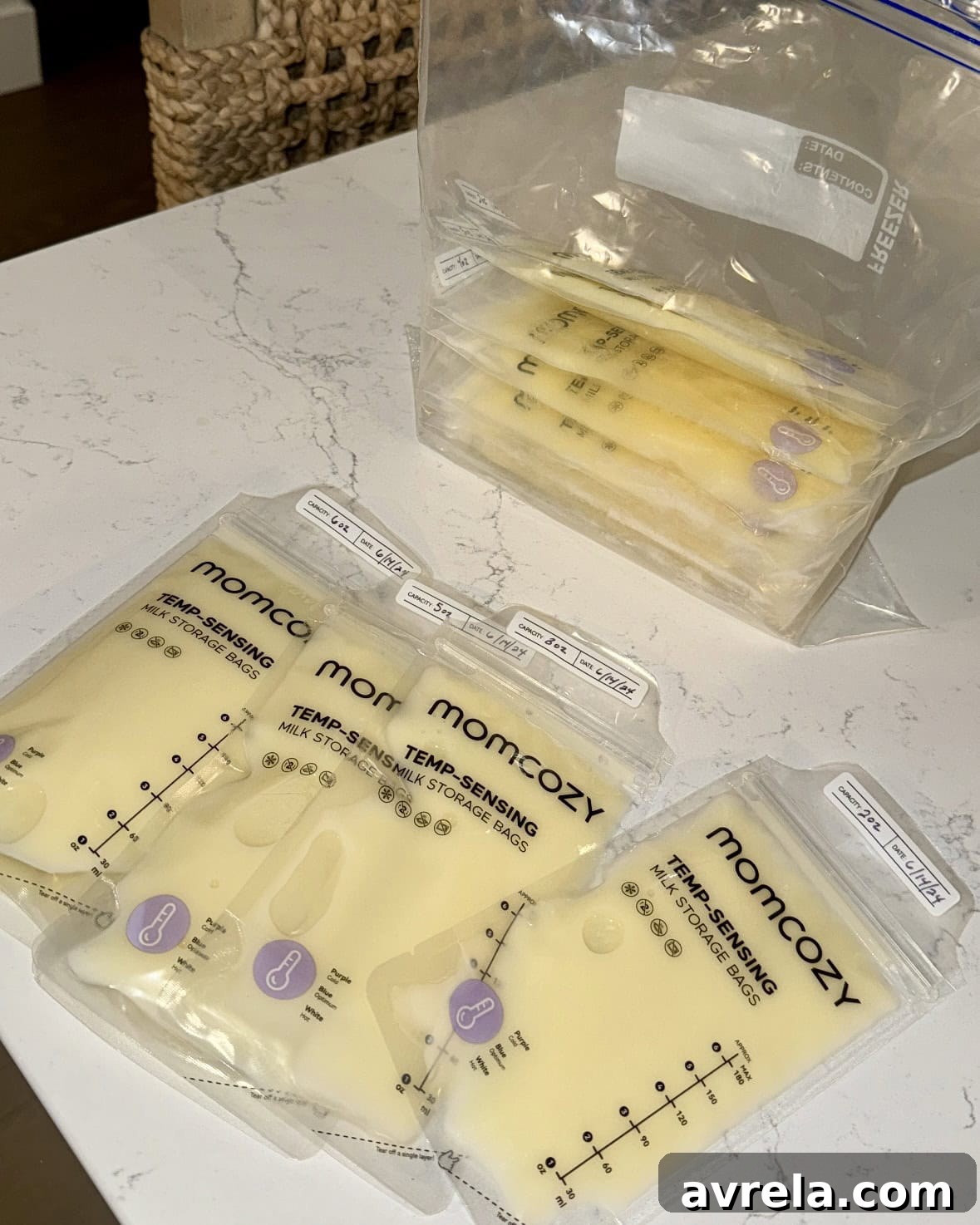
Breastfeeding is often envisioned as a serene, intuitive journey for new mothers. Yet, for many, this natural process can present unexpected hurdles that challenge even the most prepared parent. One such challenge, which I personally encountered, emerged when my meticulously built freezer stash, intended to nourish my baby, became completely unpalatable to him. Despite my efforts, my baby, Hayes, firmly refused the thawed breast milk, leading me down a path of discovery to understand the root cause: high lipase breast milk. This was a term I had never heard before, yet it held the key to why my precious stored milk was being rejected.
The realization that my stored milk was “bad” was heartbreaking and frustrating. Every ounce pumped represented time, effort, and love. To see it refused was disheartening. But understanding high lipase and implementing simple strategies transformed my breastfeeding journey, turning a seemingly insurmountable problem into a manageable one. This guide is dedicated to helping other mothers navigate this often-unspoken challenge, ensuring their hard-earned milk can still nourish their little ones.
Understanding High Lipase in Breast Milk: What It Is and Why It Matters
High lipase breast milk occurs when the enzyme lipase, naturally present in all breast milk, becomes exceptionally active, breaking down fats in stored milk more rapidly than typical. Lipase plays a crucial role in your baby’s digestion, helping to break down milk fats into essential fatty acids, making them easier for your baby to absorb. This enzymatic activity is a vital part of breast milk’s nutritional profile.
However, for some mothers, this normal enzymatic process accelerates during storage, whether refrigerated or frozen. The rapid breakdown of fats results in a noticeable change in the milk’s flavor and aroma. Mothers often describe high lipase milk as developing a distinct soapy, metallic, or even sour taste and smell. This alteration happens over time, typically after the milk has been expressed and stored, rather than immediately after pumping.
It’s critically important to understand that high lipase breast milk is completely safe for your baby to consume. The changes observed are purely in taste and smell, not in the milk’s nutritional quality, safety, or beneficial properties. The milk remains wholesome and nutritious. The challenge arises when babies, being sensitive to these taste changes, may suddenly refuse thawed or refrigerated milk, even if they nurse perfectly well directly from the breast.
This situation can be particularly frustrating and anxiety-inducing for pumping mothers. Those who rely on a stored milk supply for childcare, travel, or their return to work can find their carefully built stashes rendered unusable, leading to feelings of wasted effort and concern over their baby’s nutrition. My own experience was a testament to this, as Hayes’s refusal meant my freezer full of milk seemed destined for the drain.
The vast support and information I found online, and from other mothers, were invaluable. My biggest takeaway, and something I wish I had known sooner, was the importance of testing my milk *before* freezing large quantities. Once the issue was identified, the solution became clear. For us, the scalding method was a true game-changer. This process involves gently heating fresh milk on the stovetop until small bubbles appear around the edges – indicating it’s just below boiling – and then rapidly cooling it before freezing. This simple step effectively deactivates the lipase enzyme, preventing the undesirable flavor change. It saved our milk supply and allowed us to continue providing breast milk to Hayes without issue.
You can read more about my initial discovery and frustration here, when I realized all my frozen breast milk had seemingly gone “bad.”
Identifying High Lipase: How to Test Your Breast Milk at Home
If you suspect your milk might be affected by high lipase, performing a simple home test is the most reliable way to confirm it. This test allows you to observe how your milk changes over time and at what point the enzymatic activity becomes noticeable.
A simple, step-by-step guide to testing your milk:
- Pump Fresh Milk: Begin by pumping a small amount of fresh breast milk. It’s helpful to note the exact time of pumping.
- Refrigerate Immediately: Store this fresh milk in a clean, airtight container in the refrigerator.
- Conduct Regular Sensory Checks: Over the next few days, you will periodically check the milk for changes in smell and taste. It’s crucial to be consistent with your checks.
- After 6 hours: Remove a small amount and gently swirl before smelling and tasting.
- After 12 hours: Repeat the smell and taste test.
- After 24 hours: Perform another sensory check.
- Continue Daily Testing: For a comprehensive understanding, continue to test your milk daily for up to 3 days (72 hours), or until a noticeable change occurs.
If, over these intervals, the milk begins to develop a distinct soapy, metallic, or sour taste or smell that wasn’t present when fresh, it is highly likely that high lipase activity is the cause. The intensity and speed of this change will vary from person to person.
Important Tip: Always taste only a small amount of the milk. Tasting your own breast milk is completely safe and is a commonly recommended practice by lactation consultants to help identify various milk properties and issues.
This diagnostic test is invaluable. It not only confirms the presence of high lipase but also helps you determine how quickly the lipase enzyme affects your milk. This information is critical for deciding on appropriate storage strategies and whether immediate action, such as scalding, is necessary before freezing or extended refrigeration.
Comprehensive Strategies for Managing High Lipase Milk
Discovering you have high lipase milk can feel overwhelming, but it’s a manageable condition with several effective strategies. Here are practical tips to help you overcome this challenge and continue to provide your baby with your precious breast milk:
- Test Early To Know If Your Milk Is Affected: Proactive testing is perhaps the most crucial step. Breast milk composition, including lipase activity, can vary not only from mother to mother but also potentially with each baby you have. By freezing a small “test batch” of milk for a few days, thawing it, and then tasting or smelling it, you can identify high lipase early on. This simple, quick test can prevent the emotional and practical setback of building an entire freezer stash that your baby ultimately refuses. Early detection empowers you to implement preventative measures from the start, saving time, effort, and valuable milk.
- Scald Your Milk: The Most Effective Solution: If your milk is confirmed to be high lipase, scalding is often the most recommended and effective method to neutralize the enzyme.
- When to Scald: Scalding should be done with freshly pumped milk, or milk that has been refrigerated for a very short period (e.g., within 24-48 hours), depending on how rapidly lipase affects your milk. The goal is to scald before the flavor changes occur.
- The Process: Pour the fresh milk into a clean saucepan. Heat it gently on the stove over medium heat, stirring constantly. Watch for tiny bubbles to form around the edges of the pan, indicating it’s just below boiling temperature. This usually happens around 180°F (82°C). Do not allow the milk to come to a rolling boil, as this can destroy more nutrients.
- Rapid Cooling: Once tiny bubbles appear, immediately remove the saucepan from the heat. To stop the enzyme activity and cool the milk quickly, place the saucepan into an ice bath (a larger bowl filled with ice and water). Stir the milk gently until it cools down to room temperature or cooler.
- Storage: Once cooled, transfer the scalded milk into portioned breast milk freezer bags, label them with the date, and freeze immediately.
- Nutrient Impact: While scalding can slightly reduce some heat-sensitive nutrients and antibodies, the overall nutritional and immune benefits of breast milk remain substantial, far outweighing formula. The benefit of your baby consuming breast milk, even scalded, often outweighs the minimal nutrient loss, especially if it’s the only way they will accept it. My philosophy was that any breast milk is better than none, and my baby would receive plenty of fresh milk directly from me.
- Mix Fresh and Frozen Milk: For babies who are only mildly sensitive to the taste of high lipase milk, mixing it with fresh, un-scalded milk can be an effective compromise. Start with a small ratio of high lipase milk to fresh milk (e.g., 1 part frozen to 3 parts fresh) and gradually increase the proportion of high lipase milk if your baby tolerates it. This method can help ease your baby into the slightly altered taste and extend the usability of your stored supply.
- Use Alcohol-Free Vanilla Extract: Many mothers have found success in masking the altered taste of high lipase milk by adding a tiny drop of alcohol-free vanilla extract. The key is to use a very minimal amount, typically just one or two drops per 4-6 ounces of milk, to subtly alter the flavor without making it taste too sweet or artificial. Always ensure the vanilla is alcohol-free and consult with your pediatrician before introducing any additives to your baby’s milk.
- Utilize Your Milk Strategically Beyond Drinking: Even if your baby consistently refuses high lipase milk for drinking, your valuable breast milk does not have to go to waste. As your baby grows and begins to eat solids, high lipase milk can be incorporated into various baby-friendly recipes.
- In Purees and Baby Food: Use it to thin out homemade purees, cereals, or mashes, adding essential nutrients and a familiar taste.
- In Smoothies: For older babies and toddlers, high lipase milk can be blended into fruit and vegetable smoothies.
- Breast Milk Ice Pops: For teething babies, frozen breast milk pops can offer soothing relief and nutritional benefits.
- Harness Topical Healing: Milk Baths and Skin Issues: Breast milk is renowned for its incredible healing properties when applied topically. This is a wonderful way to utilize high lipase milk that your baby won’t drink.
- Milk Baths: Add your frozen high lipase milk directly to your baby’s warm bathwater. Breast milk baths are excellent for soothing and healing various skin conditions such as diaper rash, eczema, cradle cap, and dry skin. The antibodies and anti-inflammatory components in breast milk can work wonders on sensitive skin.
- Direct Application: For localized skin irritations, you can apply a small amount of thawed high lipase milk directly to the affected area.
- Consider Milk Donation: If, despite all efforts, your baby genuinely won’t drink your high lipase milk, and you have an excess supply, consider donating it. While some milk banks might have specific criteria regarding scalded milk, others may accept it, or you might find local community groups or individuals in need who are open to receiving it. Even if not for direct consumption by another baby, milk banks may have other uses for it, or local moms may accept it for milk baths or other topical uses.
Facts & Frequently Asked Questions About High Lipase Breast Milk
High lipase breast milk often raises many questions for mothers. Here, we address some of the most common concerns and provide clarity on this natural phenomenon.
Is high lipase breast milk safe for my baby?
Absolutely, yes — high lipase breast milk is completely safe and healthy for your baby. Lipase is an enzyme that is naturally present in all breast milk, and its primary function is to assist babies in digesting fats. When milk exhibits high lipase activity, the enzyme simply breaks down these fats more quickly during storage. This process can alter the milk’s smell and taste, giving it a soapy or metallic flavor, but it does not in any way compromise the milk’s safety, nutritional value, or its beneficial components.
If your baby happily drinks stored milk that you suspect might have high lipase, there is absolutely no need to change your storage practices or how you use your milk. Some babies are simply more discerning or sensitive to flavor changes than others, which explains why they might refuse thawed or refrigerated milk even though it is perfectly safe and nourishing.
Why does high lipase milk smell or taste soapy?
The characteristic soapy or metallic smell and taste of high lipase milk are a direct result of the lipase enzyme breaking down the milk fats. During storage, the active lipase enzyme efficiently hydrolyzes triglycerides (milk fats) into free fatty acids at an accelerated rate compared to milk with typical lipase levels. It is these liberated fatty acids that create the distinct soapy, metallic, or sometimes slightly sour flavor that many parents notice.
This flavor transformation specifically occurs during the storage period, not immediately after pumping. Freshly expressed breast milk generally tastes mild and subtly sweet. However, as lipase continues its work over time, particularly under refrigeration or after thawing from a frozen state, the accumulation of these broken-down fatty acids becomes much more noticeable, leading to the distinct taste and smell.
How quickly does stored breast milk change flavor due to high lipase?
The speed at which breast milk develops a changed flavor due to high lipase activity varies significantly from one mother to another. For some parents, the taste alteration can become noticeable within a few hours of refrigeration. For others, it might take 24 to 72 hours before the soapy or metallic taste emerges. In some cases, the change might only become apparent after the milk has been frozen and then thawed.
This variability is precisely why conducting a home test (as described earlier) is incredibly helpful. By regularly tasting or smelling your milk at different intervals after pumping and storing, you can accurately gauge how quickly lipase affects your individual milk supply. This knowledge allows you to make informed decisions about your storage routine, such as whether scalding is necessary, and if so, how soon after pumping it needs to be done to preserve the milk’s palatability.
Does scalding breast milk destroy nutrients?
Scalding breast milk is a safe method for managing high lipase, but it’s important to understand its potential impact on certain components. Heating breast milk, particularly to the temperature required for scalding, can slightly reduce some heat-sensitive nutrients and immune properties, such as certain antibodies, vitamin C, and some enzymes. However, it’s crucial to emphasize that scalded breast milk still retains a vast majority of its nutritional value and immune benefits. It provides significantly more robust nutritional and immunological advantages than infant formula.
For babies who outright refuse high lipase milk, scalding often represents a worthwhile compromise. It allows them to continue receiving the myriad benefits of breast milk, preventing the need to discard a valuable stored supply or resort to formula. Many lactation consultants strongly recommend scalding as a practical strategy when taste changes interfere with a baby’s willingness to consume breast milk, prioritizing the consumption of breast milk over the minor reduction of select nutrients.
Can I prevent high lipase in my breast milk?
Unfortunately, no. High lipase activity is a natural biological phenomenon that occurs in some mothers’ milk, and it cannot be prevented. It’s not a reflection of diet, lifestyle, or any fault in breastfeeding practices. It’s simply how your body’s enzymes function. Since it’s a natural occurrence, the focus shifts from prevention to effective management strategies, such as scalding or strategic use, to ensure your baby still benefits from your breast milk.
Can high lipase milk become truly spoiled?
It’s important to distinguish between high lipase activity and truly spoiled milk. High lipase milk simply undergoes a taste and smell change due to fat breakdown, but it remains safe and nutritious. Truly spoiled milk, on the other hand, will typically have a distinctly foul, sour, or putrid smell (beyond just soapy/metallic), may appear chunky or separated even after swirling, and could be accompanied by mold or off-colors. This spoilage is usually due to bacterial growth, not lipase activity. Always trust your instincts: if milk smells genuinely rotten, discard it. However, if it only has the characteristic soapy or metallic scent of high lipase, it is safe, even if unpalatable to your baby.
Breastfeeding is an incredible journey, and the challenges along the way, like high lipase, can feel disheartening. The thought of your hard-earned milk going to waste is something no mother wants to experience. However, a high lipase diagnosis doesn’t mean your breastfeeding journey is over, nor does it mean you can’t build a valuable freezer stash. It simply means understanding your milk a little better and perhaps incorporating a few extra steps into your routine. With knowledge and the right strategies, you can ensure your baby continues to receive the invaluable benefits of your breast milk. Hang in there, mama – you are doing an absolutely amazing job!