
Mastering Your Lifts: A Comprehensive Guide to Choosing the Right Weights for Optimal Gains
Embarking on a strength training journey or even continuing one, often brings forth a common yet critical question: “How much weight should I lift?” This dilemma is particularly prevalent for beginners or those not following a structured program. The answer isn’t always straightforward, as it hinges on a multitude of factors unique to each individual. However, a foundational principle to always remember is: when in doubt, start light and prioritize impeccable form. This comprehensive guide will equip you with the knowledge and strategies to confidently determine the optimal weights for your workouts, ensuring both safety and maximum effectiveness.
The Foundation of Strength Training: Why Weight Selection Matters
Choosing the correct weight is not merely about lifting heavy; it’s about intelligent training that fosters sustainable muscle growth, prevents injury, and propels you toward your fitness goals. Lifting too light might not provide sufficient stimulus for progress, while lifting too heavy significantly increases the risk of injury and can hinder proper muscle development by compromising form. The sweet spot lies in finding a weight that challenges your muscles adequately within your target rep range, allowing for a high-quality contraction with controlled movement. This balance is crucial for unlocking the full benefits of progressive overload, the cornerstone of any effective strength program.
Mastering Your Lifts: Four Key Principles for Optimal Weight Selection
To navigate the complexities of weight selection, we’ve broken down the process into four actionable principles. These guidelines will serve as your compass, helping you make informed decisions every time you step into the gym.
1. Prioritize Impeccable Form Over Heavy Weight
This principle is paramount and cannot be overstated. Proper form is the bedrock of effective strength training. It ensures that the target muscles are adequately engaged, minimizing the risk of injury to joints, ligaments, and tendons. Compromising good form is the clearest and earliest indicator that you are, in fact, lifting too heavy.
- Why Form is Crucial: Correct form maximizes muscle activation, meaning the intended muscles do the work, leading to better gains. It also protects your body from undue stress, preventing compensatory movements that can lead to imbalances and injuries over time. Long-term progress hinges on a healthy, functional body.
- How to Monitor Your Form:
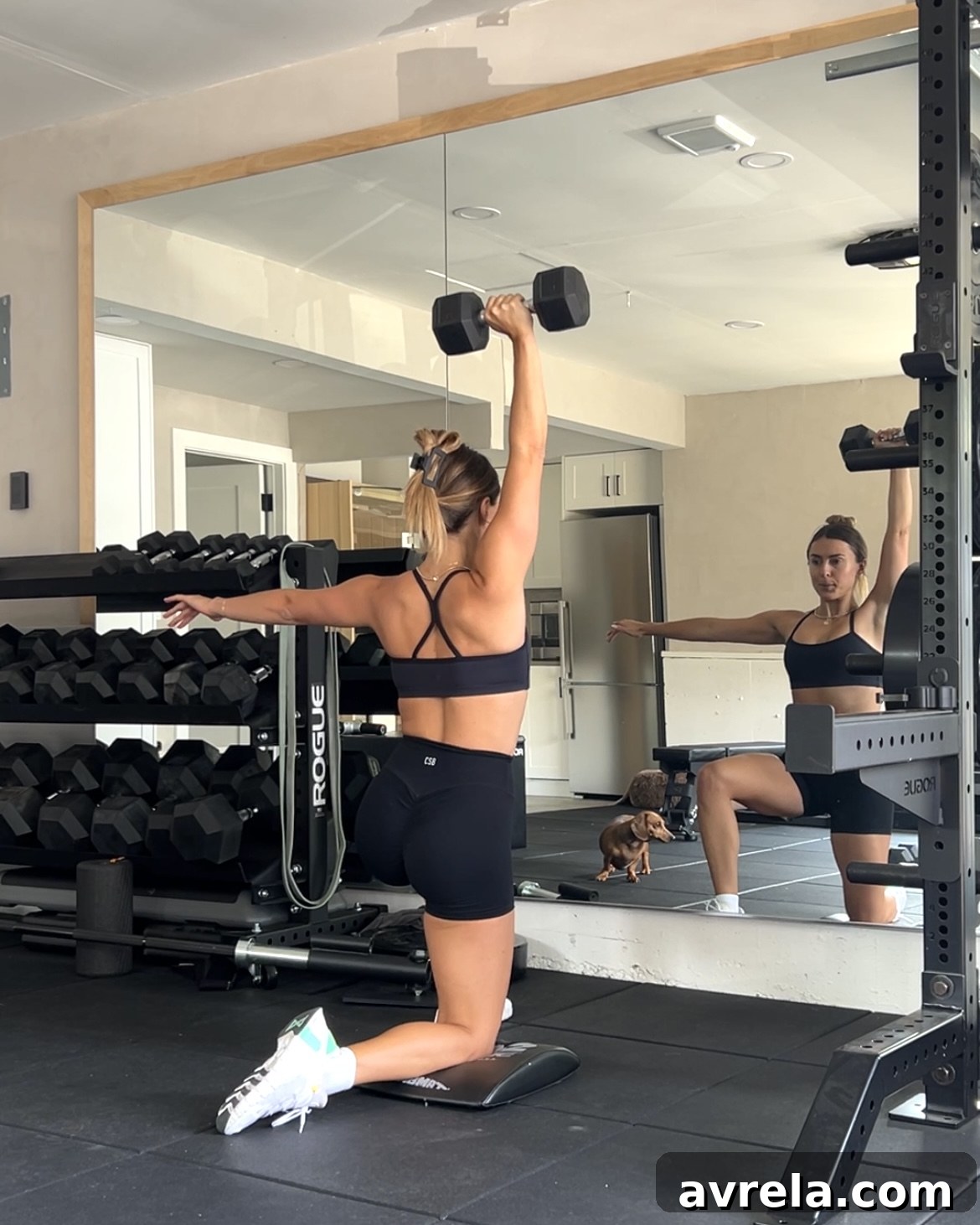
- Utilize Mirrors: Many gyms have mirrors for a reason. Watch yourself during your sets to ensure your movements are smooth, controlled, and align with the exercise’s proper technique.
- Film Yourself: Modern smartphones make it easy to record your sets. Reviewing these videos allows for a more objective assessment of your form, revealing subtle deviations you might miss in real-time. Make it a habit to compare your form week over week, especially as you increase your weights, to ensure quality isn’t sacrificed.
- Seek Expert Feedback: If possible, consider working with a certified personal trainer or coach. They can provide immediate, personalized feedback and correct your form, which is invaluable for both safety and effectiveness.
- Consequences of Poor Form: Beyond the immediate risk of injury, poor form can lead to inefficient workouts (muscles not being properly worked), muscle imbalances, chronic pain, and ultimately, a plateau in your progress as your body struggles to adapt to incorrect movement patterns. If your form breaks down after just a few reps, it’s a definite sign to reduce the weight.
2. Understand and Manage Fatigue for Sustainable Progress
Distinguishing between an appropriate challenge and excessive exertion is fundamental to effective weight selection. Your body’s fatigue response provides critical clues about whether the weight you’ve chosen is right for your goals. The goal is to push your muscles to a point of productive fatigue, not debilitating exhaustion, within your desired rep range.
- The Rep Range Indicator: Consider an exercise where you’re aiming for 10-12 repetitions.
- Too Heavy: If you feel significant fatigue, muscle shake, or your form starts to falter during the first 1-3 repetitions, you have undoubtedly started too heavy. This indicates that the weight is overloading your system far too early, making it impossible to complete the set effectively or safely.
- Appropriately Challenging: If you can comfortably perform the first 5-7 reps with good form, but by rep 8-12, you feel a strong burn, your muscles are working hard, and the last few reps are challenging but still manageable with maintained form, then you’ve likely picked a weight that is appropriately challenging. This is the zone where genuine muscle adaptation and growth occur.
- Types of Fatigue: Understand that there’s muscular fatigue (the burning sensation in the target muscle) and systemic fatigue (overall tiredness). The former is what we aim for in a set; the latter, if occurring too early or too intensely, suggests an excessive load or insufficient recovery.
- Beyond the Burn: While the “burn” is a good indicator, also pay attention to your ability to maintain control and speed of movement. If the bar speed significantly slows down, or you find yourself having to use momentum or other muscle groups, it’s a sign of excessive fatigue for that specific weight.
3. Embrace Incremental Progression for Consistent Gains
The concept of “progressive overload” is the engine of muscle growth. It means continually increasing the demands placed on the musculoskeletal system. The most common and effective way to do this, especially with weights, is through incremental increases. Skipping steps can often lead to plateaus or, worse, injuries.
- The “Next Available Weight” Rule: A simple yet powerful rule of thumb is to always choose the next available increment in weight. For instance, if you’re confidently lifting 10 lb dumbbells for your target reps with good form, the logical next step is to grab 12 lb dumbbells, not jump straight to 15s or 20s. This methodical approach allows your body (muscles, tendons, ligaments, and nervous system) to adapt gradually and sustainably.
- Why Small Increments Matter:
- Body Adaptation: Your body adapts to stress. Small, consistent increases provide just enough stress to stimulate growth without overwhelming your system.
- Nervous System Efficiency: Your brain learns to recruit more muscle fibers more efficiently with gradual challenges.
- Confidence Building: Successfully lifting slightly heavier weights builds confidence and adherence to your program.
- Practical Challenges and Solutions:
- Gym Availability: Some gyms may lack smaller incremental weights (e.g., jumps from 5 lbs to 10 lbs, then 15 lbs, with no 7.5 lbs or 12.5 lbs in between). In such cases, consider investing in your own fractional plates or micro-loading plates that can be added to barbells, or even smaller dumbbells for home use.
- Home Workouts: For home gym enthusiasts, adjustable dumbbells or resistance bands can offer a wide range of resistance, making incremental progression more feasible.
- Avoiding Plateaus: Plateaus often occur when the body stops responding to a stimulus because it’s no longer challenged. Consistently increasing the weight, even by a small margin, prevents your body from fully adapting and ensures continuous progress. Be sure not to skip over these smaller milestones; increasing slowly is the most reliable way to maintain forward momentum and avoid hitting a wall.
4. Adapt and Modify – Your Safety Net in the Gym
There will be days when a specific weight just doesn’t feel right, or you’re unable to find an appropriate increment. Rather than pushing through with bad form or risking injury, modifying your workout is a smart and responsible strategy.
- Dropping Weight or Going Bodyweight: If the listed weight feels too heavy, or you’re struggling to maintain form, don’t hesitate to reduce the weight significantly or even drop it completely. Completing an exercise with bodyweight only (e.g., squats, lunges, push-ups) is always preferable to using too much weight with poor execution. This still allows you to practice the movement pattern and engage the muscles, albeit with less resistance.
- Choosing Alternative Exercises: If a particular exercise and its available weights aren’t working for you, or if you have a nagging discomfort, opt for an alternative exercise that targets the same muscle groups. For example, if barbell squats feel off, try goblet squats, leg press, or even bodyweight squats with a pause at the bottom. The key is to understand which muscle groups an exercise targets and find a comparable movement.
- Regressions for Complex Movements: For more complex lifts like deadlifts or overhead presses, there are often regressions that can be performed. For instance, if a conventional deadlift feels too heavy or challenging, Romanian deadlifts or rack pulls can be excellent alternatives to build strength in the posterior chain with less risk.
- The Ultimate Rule: No exercise or amount of weight is worth risking injury. Listen to your body. Pain is a signal, not a challenge to overcome. Pushing through sharp or sustained pain is a recipe for sidelining yourself from the gym for weeks or months. Your long-term health and ability to train consistently are far more valuable than any single lift.
Beyond the Basics: Advanced Considerations for Weight Selection
As you become more experienced, other factors will influence your weight selection and overall program design.
The Broader Role of Progressive Overload
While increasing weight is a primary method of progressive overload, it’s not the only one. When you can’t increase weight, or want to challenge your body in new ways, consider these other methods:
- Increasing Reps: If you’re hitting the top of your rep range easily, add a few more reps before increasing weight.
- Increasing Sets: More sets can mean more total volume, which is another form of overload.
- Decreasing Rest Times: Shorter breaks between sets increase the intensity and metabolic demand.
- Increasing Time Under Tension (TUT): Slowing down the eccentric (lowering) phase of a lift makes the muscles work harder for longer.
- Improving Form/Technique: Executing a lift with more precision and control can be a form of progressive overload in itself, as it targets the muscles more effectively.
- Increasing Frequency: Training a muscle group more often over the week can also stimulate growth.
Listening to Your Body and Recovery
Your ability to lift a certain weight can fluctuate daily based on factors like:
- Sleep Quality: Poor sleep impairs muscle repair and nervous system recovery, directly impacting strength.
- Nutrition: Adequate caloric and macronutrient intake fuels your workouts and recovery.
- Stress Levels: High stress (physical or psychological) can elevate cortisol, hindering recovery and performance.
- Overall Fatigue: If you’re feeling unusually tired, it’s wise to slightly reduce your weights or volume for the day, rather than pushing through and risking injury or overtraining.
Understanding these variables helps you make smart, daily adjustments to your training, ensuring you’re working with your body, not against it. Sometimes, a deload week or an extra rest day is the most progressive step you can take.
Tracking Your Progress Consistently
To truly master weight selection and progressive overload, consistent tracking is essential. Keeping a workout log or journal allows you to:
- Identify Trends: See which weights you used, for how many reps and sets, and how you felt. This data is invaluable for planning future workouts.
- Celebrate Progress: Seeing your strength increase over time is incredibly motivating.
- Spot Plateaus: If your numbers aren’t moving, your log helps identify where you might need to adjust your approach (e.g., try a different form of overload).
- Ensure Incremental Gains: It’s hard to remember the exact weight you used two weeks ago for a specific exercise without a log, making proper incremental increases difficult.
Ready to Apply These Principles? Consider a Structured Program
Navigating the nuances of weight selection and progressive overload can seem daunting, but a well-designed strength program takes the guesswork out of the equation. These programs are meticulously crafted to guide you through consistent, sustainable progress, often incorporating the very principles we’ve discussed.
My gym-based strength program, GOOD // SWEAT Strength, is built on the foundation of progressive overload. It’s designed to create sustainable muscle growth by incrementally increasing the challenge week over week, allowing your body to adapt and strengthen without risking injury. You can read more about the science behind progressive overload here and how it’s implemented in the program.
GOOD // SWEAT Strength is suitable for anyone – from beginners taking their first steps in strength training, to intermediate lifters looking for structured growth, and even seasoned athletes aiming to enhance their performance. To fully utilize the program, you’ll need access to a well-equipped gym, including a squat rack, a variety of dumbbells, a cable machine, a sturdy bench, and resistance bands. It provides a clear roadmap to help you apply these weight selection principles effectively and consistently.
Conclusion
Choosing the right weights is an art refined through practice, self-awareness, and adherence to fundamental principles. By prioritizing impeccable form, understanding and managing fatigue, embracing incremental progression, and knowing when to adapt, you’ll build a strong, resilient body while minimizing the risk of injury. Remember, strength training is a marathon, not a sprint. Consistent, intelligent effort will always yield superior results over sporadic, reckless attempts at lifting heavy. Arm yourself with these strategies, listen to your body, track your progress, and embark on a fulfilling journey towards a stronger, healthier you.