
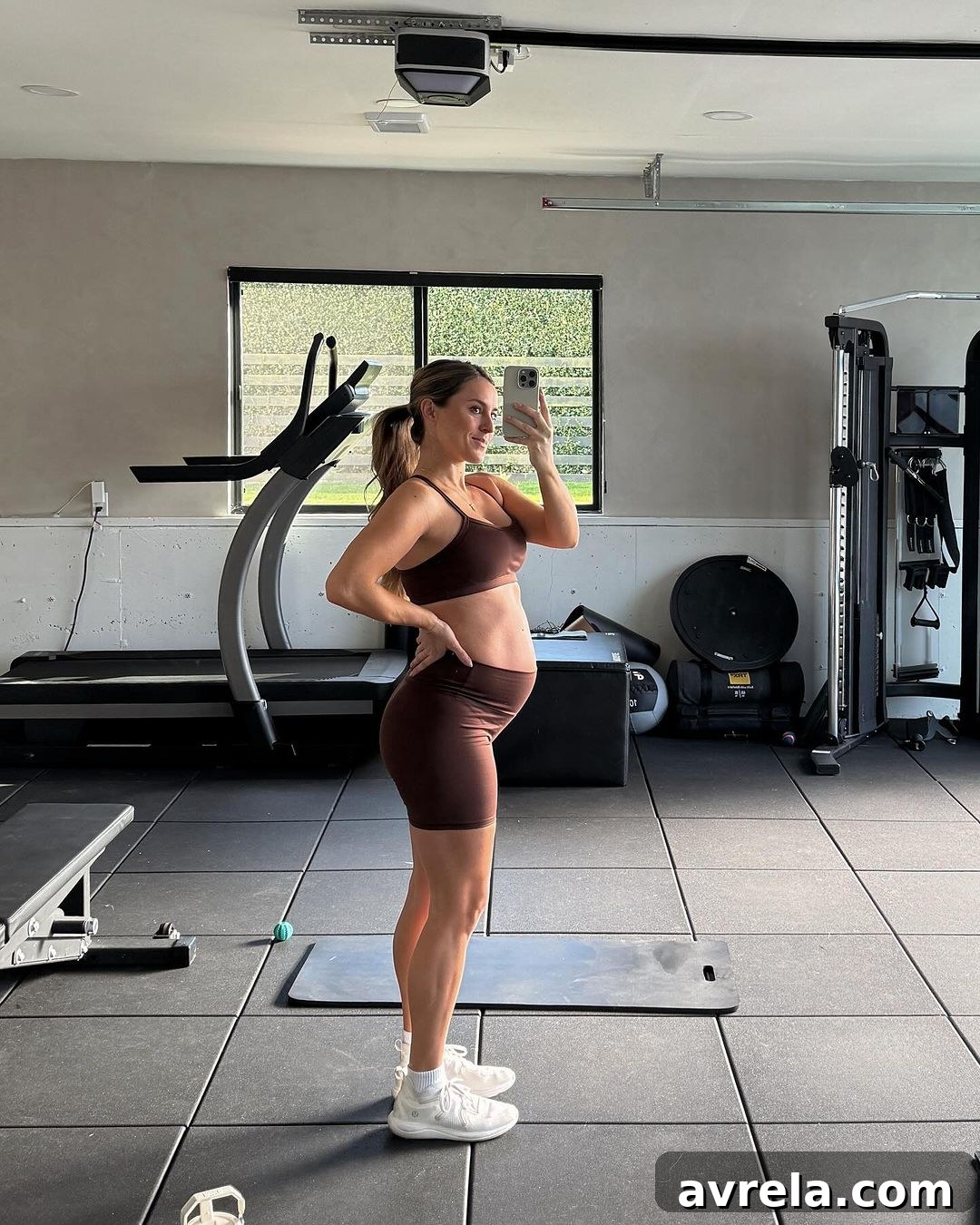
As a certified personal trainer, prenatal exercise specialist, and registered dietitian, I’ve had the immense privilege of guiding countless expecting mothers through one of life’s most transformative journeys. A question I consistently encounter is whether it’s truly safe—or even necessary—to maintain an exercise routine while pregnant. My unequivocal answer? Absolutely! When approached with safety and mindfulness, exercise during pregnancy emerges as one of the most powerful tools available to support both your body and mind during this incredibly unique and beautiful season of change.
Navigating pregnancy brings a whirlwind of physical and emotional shifts, and incorporating thoughtful movement can make a world of difference. In this comprehensive guide, I’m excited to delve into the profound benefits of prenatal fitness, offer practical advice on how to adapt your workouts as your body evolves, and underscore why truly tuning into your energy levels is just as vital as the physical movement itself. Let’s explore how you can embrace a strong, healthy, and empowered pregnancy journey through safe and effective exercise!
The Profound Benefits: Why Exercise During Pregnancy is Essential
Staying active throughout your pregnancy extends far beyond simply “staying in shape.” It’s about cultivating a robust foundation for your overall health and well-being, directly impacting crucial aspects like your heart health, sustained energy for daily tasks, and significantly promoting better sleep and mood. From a professional standpoint, I cannot emphasize enough the immense value regular movement offers for your mental well-being alone. Pregnancy can be emotionally demanding, and exercise serves as a natural mood booster, stress reliever, and a powerful way to maintain a sense of control and empowerment. Moreover, consistent, safe movement is instrumental in strengthening your muscles, which in turn provides enhanced support for your rapidly changing joints and posture as your baby grows.
The physiological changes during pregnancy, such as increased blood volume and shifting center of gravity, can introduce new challenges. Thoughtful exercise helps your body adapt to these changes more gracefully. Additionally, thoughtfully designed safe pregnancy workouts can specifically help you:
- Improve Circulation and Reduce Swelling: Regular movement helps to enhance blood flow, which is crucial for delivering oxygen and nutrients to both you and your baby. This improved circulation can significantly reduce common pregnancy discomforts like swelling in the ankles and feet, known as edema.
- Boost Endurance and Stamina for Labor: Labor is often compared to a marathon, requiring significant physical endurance. Maintaining cardiovascular fitness and muscular strength during pregnancy can help you build the stamina needed to navigate contractions and the physical demands of childbirth.
- Stay Connected to Your Breathing and Pelvic Floor: These are two incredibly important components for a smoother labor, delivery, and postpartum recovery. Exercise, particularly focusing on conscious breathing and gentle core work, can help you develop a stronger mind-body connection with these vital areas, preparing them for the intense work ahead and aiding in their recovery.
- Ease Common Discomforts: Many expecting mothers experience back pain, constipation, and fatigue. Targeted exercises can strengthen core muscles to alleviate back strain, stimulate digestion to prevent constipation, and paradoxically, boost energy levels to combat fatigue.
- Feel Strong, Capable, and Empowered: Pregnancy is a time of immense physical change. Engaging in exercise allows you to celebrate your body’s strength and resilience, fostering a deep sense of confidence and empowerment as you prepare for motherhood. It’s an active step in taking charge of your health.
One of the most remarkable aspects is that these profound exercise benefits for pregnant women frequently extend into the challenging yet rewarding postpartum phase. By building strength and resilience prenatally, you often feel more physically and mentally prepared for the demands of early parenthood, from carrying your baby to navigating sleep deprivation with greater stamina and emotional fortitude.
Navigating Your Journey: How to Approach Prenatal Fitness
It’s vital to remember that every pregnancy is a unique journey, and what feels right for one person or even for you in one trimester might need adjusting in another. This is precisely why I always emphasize the paramount importance of listening to your body. This isn’t just a suggestion; it’s the golden rule of prenatal fitness. Pay close attention to how you feel each day, each hour, and even during each exercise. If a particular movement ever feels too intense, causes pain, dizziness, or undue discomfort (for instance, the high impact of jump squats or the core pressure of mountain climbers as your belly grows), don’t hesitate to modify. You might swap those high-impact movements for more grounded, pregnancy-friendly alternatives like regular squats, slow marching in place, or even wall push-ups instead of full push-ups. Remember, any movement that feels comfortable and safe still counts and contributes significantly to your well-being.
Beyond structured workouts, there are many lower-intensity activities that I frequently recommend to expectant mothers, especially on days when a full, higher-intensity session isn’t feasible or simply doesn’t feel right. These activities are excellent for maintaining consistent movement and nurturing your body:
- Daily Walks: Whether you opt for a leisurely stroll on flat ground or a more invigorating walk with a gentle incline, walking remains one of the safest and most accessible ways to stay active during pregnancy. It’s fantastic for boosting mood, promoting healthy circulation, and offers the added benefit of getting some fresh air and mental clarity. Aim for 20-30 minutes most days of the week.
- Stairs: Incorporating stairs into your routine, whether at home or in a public building, is an excellent option for low-impact cardio. It gently elevates your heart rate without putting excessive stress on your joints or increasing pressure on your pelvic floor, making it a safe and effective way to build stamina.
- Stretching + Mobility: Even a mere 10–15 minutes of light stretching and mobility work can work wonders in easing muscle tension, improving flexibility, and maintaining good posture as your body changes. Focus on areas commonly affected by pregnancy, such as the hips, lower back, and shoulders. (For guided support, I’ve put together a list of The 5 Stretches You Should Do Daily for Pregnancy HERE.)
- Prenatal Yoga or Pilates: These practices are specifically designed to support the pregnant body, focusing on gentle stretching, strengthening core muscles (without crunches), improving balance, and mindful breathing. They are excellent for both physical and mental preparation for labor.
- Swimming or Aqua Aerobics: The buoyancy of water offers incredible relief from the extra weight of pregnancy, making swimming or water aerobics a fantastic full-body workout. It’s gentle on joints, helps reduce swelling, and provides a refreshing way to stay active.
Above all, remember this essential principle: consistency over intensity is key. Some weeks, you might wake up brimming with energy, ready for a challenging workout. Other weeks — perhaps due to fatigue, nausea, or simply the daily demands of life — you might struggle to get off the couch. It’s all an integral part of the pregnancy journey. Showing up, in whatever way feels best and most supportive for you that day, whether it’s a quick walk or just a few gentle stretches, is always a win for your health and well-being.
My Philosophy: A Balanced Approach to Pregnancy Workouts
During my own pregnancy, I intimately experienced the fluctuating energy levels and unique challenges that come with carrying a baby. I quickly found that if I didn’t complete my workout earlier in the day—ideally before noon—it simply wasn’t going to happen. This personal insight resonated deeply with what I’ve observed professionally: many women endure particularly rough first trimesters, often not regaining a significant portion of their energy until about week 13 or even later. These experiences underscored the critical need for flexibility and understanding in prenatal exercise.
It was with this profound understanding and desire to support other mothers that I created my GOOD // SWEAT Pregnancy Guide. Designed with ultimate flexibility and safety in mind, this guide includes 26 weeks of carefully curated workouts, specifically tailored for your second and third trimesters. The core philosophy behind its design is to provide a structured plan that supports your evolving body without increasing intensity over time. Instead, it’s meant to help you stay active at a pace that consistently feels right for you, acknowledging that some days will naturally be more challenging than others.
The program focuses on functional movements, building strength in key areas like the back and glutes, enhancing mobility, and improving core stability (without traditional crunches or planks that can strain the abdominal wall). It integrates both strength training and gentle cardiovascular elements, alongside stretches that alleviate common pregnancy discomforts. Whether you’re navigating persistent fatigue, occasional nausea, or simply juggling a demanding schedule, the workouts within the guide are thoughtfully designed to support your foundational strength, functional mobility, and unwavering confidence as your incredible body undergoes its miraculous transformation. It’s about providing guidance and structure while empowering you to make choices that honor your body’s needs each day.
Empowering Your Journey: Making Pregnancy Exercise Work for You
To encapsulate the essence of all we’ve discussed, remember that exercise during pregnancy is not a rigid, all-or-nothing endeavor. It’s a spectrum of movement and self-care tailored to your unique needs on any given day. Some days, your energy might allow for a focused strength circuit, building vital muscle groups. On others, it might simply look like a refreshing walk in the fresh air, connecting with nature and clearing your mind. And there will be days where a deep, restorative stretch on the floor is precisely what your body craves—and all of these forms of movement genuinely count and contribute to your holistic well-being.
The most crucial aspect is to engage in movement that consistently feels safe, genuinely energizing, and deeply supportive to you and your growing baby. Always prioritize listening to your body’s signals, and never hesitate to consult with your healthcare provider before starting or significantly changing any exercise regimen during pregnancy. Your health and your baby’s health are paramount.
If you’re seeking guidance, a well-structured plan, and a program specifically designed to navigate the beautiful complexities of this season of life, my Pregnancy Guide truly is a phenomenal place to begin. It’s built on principles of safety, adaptability, and empowerment, ensuring you have the tools to move confidently throughout your pregnancy.
Sending all you incredible mamas-to-be an abundance of love, strength, and confidence as you embrace this miraculous chapter!
Further Resources and Essential Reading on Exercise During Pregnancy:
Deepen your understanding and explore more valuable insights with these related articles:
- 3 Things That Improved My Pregnancy
- When to Modify Workouts During Pregnancy
- Prenatal Fitness: Exercises To Avoid While Pregnant
- 9 Reasons Why Strength Training Is Beneficial During Pregnancy
- Building Your Pregnancy Support Squad: 5 Helpful Experts to Consider on Your Journey
- Yoga Ball Exercises for Pelvic Floor During Pregnancy: 7 Moves for Strength & Flexibility