
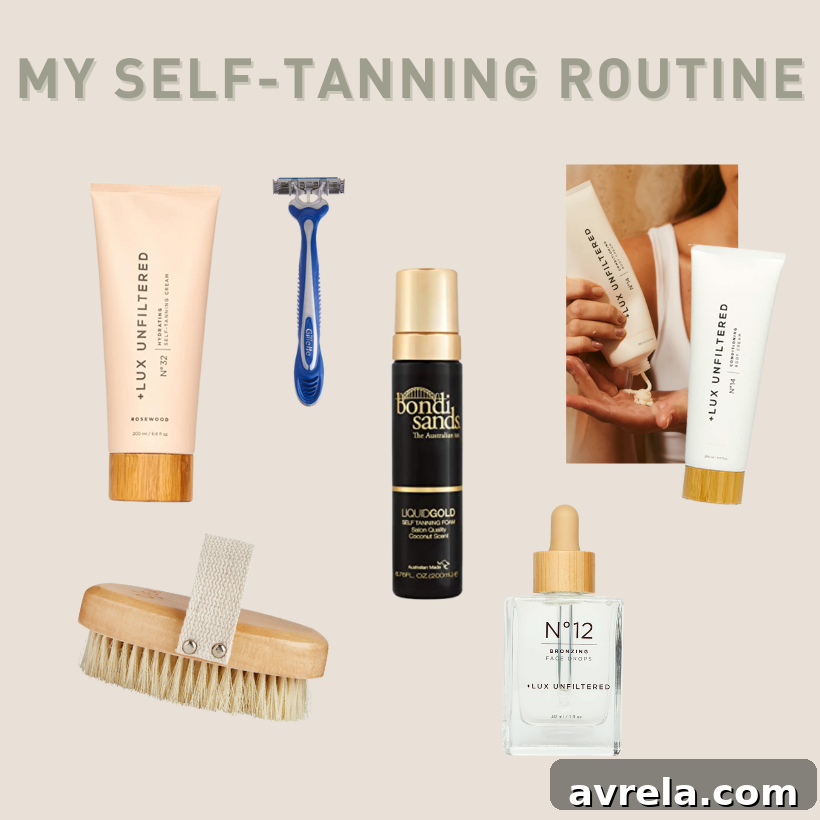
I love a good tan—who doesn’t? I don’t have time to bake in the sun for hours, and tanning beds and excessive sun exposure are harmful to skin and health. Over the years I’ve refined a straightforward self-tanning routine that gives me a natural bronze glow year-round: exfoliate, shave, tan, moisturize, repeat. I’ve tested many products, and the ones I keep using actually deliver a believable color without streaks or orange tones. If you’re curious about my approach and tips for a flawless at-home tan, read on.
Preparation matters. Start by exfoliating thoroughly to remove dead skin and create a smooth surface for the tanning product to adhere to. Focus on rough areas like elbows, knees, and ankles, but be gentle so your skin isn’t irritated. After exfoliating, shave or wax as needed. Shaving right before applying self-tanner helps the product spread evenly and prevents it from settling into stubble or cuts.
Choose the right formula for your skin and desired intensity. Mousse and foam tanners spread easily and dry quickly, which makes them good for beginners; lotions and creams are hydrating and work well on dry skin; gradual tanners are great for maintaining color without a dramatic change. When applying, use light, circular motions and build color slowly, blending well around joints and hairlines. A tanning mitt is a small investment that makes a big difference in preventing streaks and protecting your hands.
Take care with tricky areas. Apply less product to knees, elbows, and ankles to avoid dark patches; blend outward from these spots. For the hands and feet, use a smaller amount and rub the product in thoroughly, paying attention to cuticles and between fingers and toes. If you overapply, blot excess product with a damp cloth before it develops.
Give the tan time to develop. Follow the product instructions for development time and avoid showering or sweating during that period. When you do shower, use cool to lukewarm water and avoid heavy scrubbing. Pat your skin dry instead of rubbing, and moisturize daily to prolong the life of your tan. Moisturizers with shea butter or glycerin help keep the skin hydrated and prevent patchy fading.
Maintenance is simple. Re-exfoliate lightly every few days and reapply self-tanner as needed to maintain an even color. If you notice uneven fading, blend the area with a small amount of tinted moisturizer or gradual tanner. For longer-lasting results, keep skin hydrated and avoid long hot baths or chlorinated pools, which can fade color faster.
Color correction tips: If your tan develops too dark or uneven, a sugar scrub or an oil-based cleanser can help lighten and blend areas without stripping all the color. For mild orange tones, exfoliating gently and applying a cooler-toned bronzer or dusting of powder can neutralize warmth temporarily until the tan fades.
Finally, remember that practicing on a small area or using a gradual tanner first can help you find the right product and technique for your skin tone. With a consistent routine—exfoliate, shave, tan, moisturize—you can achieve a natural-looking, healthy glow without risking sun damage.