
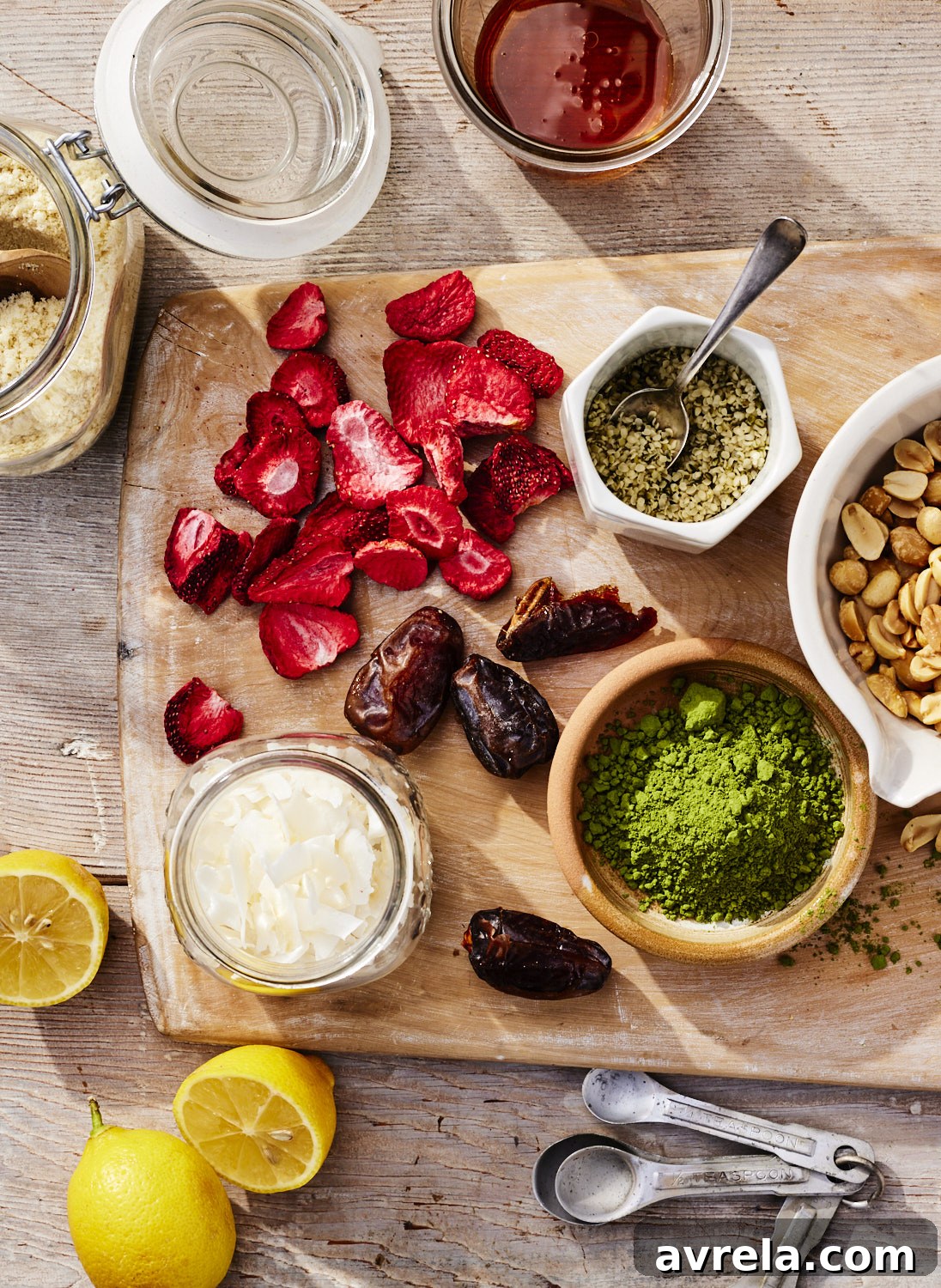
Unlock Your Gut’s Potential: Simple Nutritional Steps for Optimal Digestive Wellness
In an increasingly complex world, navigating the vast landscape of health information can feel overwhelming, especially when it comes to the intricate world of gut health. Our digestive system, often referred to as our “second brain,” plays a pivotal role in everything from immunity and nutrient absorption to mood regulation and overall vitality. While factors like lifestyle, exercise, stress management, mental well-being, and environmental influences all contribute to a healthy gut ecosystem, diet stands as a cornerstone.
The journey to a healthier gut doesn’t have to be a daunting overhaul. Instead, adopting a mindful, step-by-step approach—analyzing various aspects of your life and implementing one small, sustainable change at a time—often yields the most profound and lasting results. Rather than striving for perfection, focus on consistency and gentle adjustments. To help you embark on this path, we’ve identified three fundamental nutritional swaps and additions that you can effortlessly integrate into your daily routine, promising significant positive impacts on your digestive wellness with minimal effort.
Understanding the Gut Microbiome: The Foundation of Your Health
Before diving into specific foods, it’s crucial to grasp the concept of the gut microbiome. This vast community of trillions of microorganisms—bacteria, fungi, viruses, and other microbes—resides predominantly in your large intestine. A diverse and balanced microbiome is indicative of a healthy gut. These tiny inhabitants perform countless vital functions: they help digest food, synthesize vitamins, train your immune system, protect against harmful pathogens, and even influence brain function through the gut-brain axis. When this delicate balance is disrupted, often by poor diet, stress, or certain medications, it can lead to various health issues, from digestive discomfort to more systemic problems.
Beyond the Plate: The Holistic Approach to Gut Health
While this article focuses primarily on dietary strategies, it’s important to remember that gut health is multifaceted. Stress, for instance, can directly impact gut motility and permeability, while adequate sleep allows your body to repair and reset. Regular physical activity can positively influence gut microbiota diversity, and maintaining a healthy environment free from excessive toxins further supports your body’s natural processes. By acknowledging these interconnected elements, you can foster a truly holistic approach to your well-being, complementing your dietary changes with supportive lifestyle habits.
Transform Your Digestive Wellness: Top 3 Gut-Friendly Nutritional Boosts
Now, let’s explore three powerful categories of foods that are scientifically recognized for their ability to nurture a thriving gut microbiome. These aren’t just trendy ingredients; they are foundational components of a diet geared towards optimal digestive health and are surprisingly simple to incorporate into your daily life.
-
High-Fiber Foods: Fueling Your Microbiome with Prebiotics
Fiber is perhaps the unsung hero of digestive health. Often overlooked, it is the primary food source for the beneficial bacteria residing in your gut, acting as a powerful prebiotic. When these good bacteria ferment fiber, they produce short-chain fatty acids (SCFAs) like butyrate, which are crucial for maintaining the integrity of your gut lining, reducing inflammation, and even supporting brain health. Incorporating a variety of high-fiber foods ensures a diverse microbial ecosystem, leading to better digestion, regular bowel movements, and enhanced nutrient absorption.
Fiber comes in two main forms: soluble and insoluble. Soluble fiber, found in foods like oats, apples, and beans, dissolves in water to form a gel-like substance, helping to lower cholesterol and regulate blood sugar levels. Insoluble fiber, present in whole grains and many vegetables, adds bulk to stool, facilitating its passage through the digestive system and preventing constipation. A balanced intake of both types is essential for optimal gut function and a well-functioning digestive tract.
How to easily boost your fiber intake for a healthier gut:
- Fruits and Vegetables: Make it a habit to add a serving of fruit or vegetables to every meal. Think berries in your breakfast, a colorful side salad with lunch, and steamed greens with dinner. This simple change significantly increases your daily fiber intake and provides essential micronutrients.
- Seeds: Chia seeds and ground flaxseeds are incredibly versatile and potent fiber powerhouses. Just a tablespoon of chia seeds can provide several grams of fiber, along with beneficial omega-3 fatty acids, which also contribute to overall health. Ground flaxseeds offer similar benefits and are excellent for digestive regularity. They can be seamlessly incorporated into smoothies, oatmeal, yogurt, baked goods, and even healthy treats without significantly altering the taste.
- Whole Grains and Legumes: Opt for whole grains like quinoa, brown rice, oats, and whole-wheat bread over refined grains. Lentils, chickpeas, black beans, and other legumes are also phenomenal sources of fiber and plant-based protein, making them excellent additions to soups, stews, salads, and curries.
Remember to increase your fiber intake gradually to avoid digestive discomfort, and ensure you’re drinking plenty of water, as fiber absorbs water to work effectively and keep things moving smoothly through your digestive system.
-
Fermented Foods: A Probiotic Powerhouse for Gut Health
Fermented foods are a natural treasure trove of probiotics—live microorganisms that, when consumed in adequate amounts, confer a health benefit to the host. These beneficial bacteria colonize your gut, bolstering the existing microbial community, inhibiting the growth of harmful pathogens, and supporting a robust immune response. The fermentation process itself can also enhance the bioavailability of nutrients and break down anti-nutrients, making foods easier to digest and their nutrients more accessible to your body.
Incorporating fermented foods into your diet is an excellent strategy for introducing a diverse array of beneficial bacteria, which is key to a resilient gut microbiome. Here are some of the best sources and ways to enjoy them:
- Kimchi: This spicy Korean fermented cabbage is bursting with probiotics and often includes other gut-friendly vegetables and spices like ginger and garlic. Its complex, umami-rich flavor makes it a fantastic accompaniment to almost any meal, from eggs to grilled proteins.
- Pickled Vegetables: Beyond traditional cucumber pickles, look for naturally fermented varieties of carrots, radishes, or green beans. It’s crucial to ensure they are made with brine (salt and water) rather than vinegar, as commercial vinegar pickling often lacks live cultures. “Lacto-fermented” on the label is a good indicator.
- Vinegar-Based Dressings (with ACV): While not strictly a “fermented food” in the same way as kimchi, apple cider vinegar (ACV) is a fermented product and can offer digestive benefits. Using dressings with raw, unfiltered ACV (distinguishable by the cloudy “mother” at the bottom) can introduce beneficial enzymes and prebiotics, supporting digestion and microbial balance.
- Dairy Ferments: For those who tolerate dairy, options like yogurt, kefir, and cottage cheese are superb sources of probiotics. Kefir, a fermented milk drink, typically contains a wider variety of bacterial strains and yeasts than yogurt, making it a powerful choice for gut diversity. Always check labels for “live and active cultures” to ensure you’re getting the probiotic benefits. If dairy is an issue, look for non-dairy alternatives like coconut or almond-based yogurts and kefirs that also contain live cultures.
- Other Fermented Delights: Explore options like sauerkraut (fermented cabbage), tempeh (fermented soybeans), miso (fermented soybean paste used in soups and dressings), and kombucha (a refreshing fermented tea). Each offers unique probiotic strains and nutritional profiles, adding variety to your gut-friendly diet.
Start with small portions and gradually increase your intake to allow your gut to adjust to the influx of new bacteria, preventing any potential initial digestive upset.
-
Greens: Nature’s Superfood for a Healthy Gut and Overall Vitality
The message about dark leafy greens is ubiquitous for a reason: they are truly nature’s superfood, and their benefits extend profoundly to gut health and overall well-being. These vibrant vegetables are not only packed with an astonishing array of essential vitamins (A, C, K, folate), vital minerals (iron, calcium, magnesium), and powerful antioxidants, but they also serve as natural prebiotics, feeding your beneficial gut bacteria and promoting a thriving internal ecosystem. This dual action makes them indispensable for digestive wellness.
The insoluble fiber in leafy greens adds bulk to your stool, facilitating smooth digestion and regularity, which is crucial for preventing constipation and maintaining a healthy colon. Meanwhile, their soluble fiber content supports a healthy microbial balance by acting as a food source for gut bacteria. Beyond fiber, greens contain specific compounds like sulforaphane (found abundantly in cruciferous greens like kale and collards) that have potent anti-inflammatory and detoxifying properties, further safeguarding gut health and protecting against cellular damage.
Creative and easy ways to incorporate more greens into your diet:
- Meal Boost: Make it a habit to add a generous handful of spinach, kale, or arugula to your lunch and dinner plates. They wilt down easily and can be incorporated into stir-fries, omelets, pasta dishes, and grain bowls without overpowering other flavors.
- Main Dish: Make one of your main meals a vibrant and nutrient-dense salad. Experiment with different types of greens like romaine, butter lettuce, spring mix, or even bitter greens like endive and radicchio for varied flavors, textures, and nutrient profiles.
- Smoothie Power-Up: Don’t underestimate the power of adding a cup or two of spinach or kale to your morning smoothie. The taste is often completely masked by fruits and other ingredients, yet you gain all the nutritional advantages without even noticing.
- Soups and Stews: Stir in chopped greens during the last few minutes of cooking soups, stews, or pasta sauces for an instant nutrient upgrade and a beautiful pop of color.
- Supplemental Support: While whole foods are always preferred and should form the foundation of your diet, high-quality greens powders or comprehensive nutritional supplements like AG1 can be a convenient way to ensure consistent intake of essential micronutrients and prebiotics, especially on busy days or when fresh greens are less accessible.
Aim for a variety of greens to benefit from their diverse nutrient profiles. Generally, the darker the green, the higher the nutrient density and antioxidant content.
Beyond Nutrition: Cultivating a Gut-Friendly Lifestyle
While the focus here has been on diet, remember that your gut health journey is holistic and interconnected with your overall lifestyle. Complementing these nutritional changes with mindful lifestyle choices will significantly amplify their benefits. Prioritize quality sleep, aiming for 7-9 hours per night, as this allows your body and gut to repair and rejuvenate. Manage stress through techniques like meditation, deep breathing exercises, yoga, or spending time in nature. Engage in regular physical activity, as exercise has been shown to positively influence gut microbiota diversity. Finally, stay adequately hydrated throughout the day, as water is essential for digestive processes and nutrient absorption. Listen to your body, observe how different foods and habits affect you, and be patient with the process. Healing and optimizing gut health is a continuous journey, not a fixed destination.
Start Your Gut Health Journey Today: Small Changes, Big Impact
Transforming your gut health doesn’t require drastic measures or complex, unsustainable protocols. By thoughtfully incorporating more high-fiber foods, embracing the power of fermented options, and prioritizing nutrient-dense greens, you can significantly empower your digestive system. These simple, yet incredibly effective, dietary additions serve as a powerful foundation for a thriving gut microbiome, leading to improved digestion, enhanced immunity, better mood, reduced inflammation, and a greater sense of overall well-being. Don’t feel pressured to implement everything at once. Pick just one change to start with today, integrate it consistently, and experience the profound ripple effect on your health and vitality. Your gut, and your entire body, will thank you.