
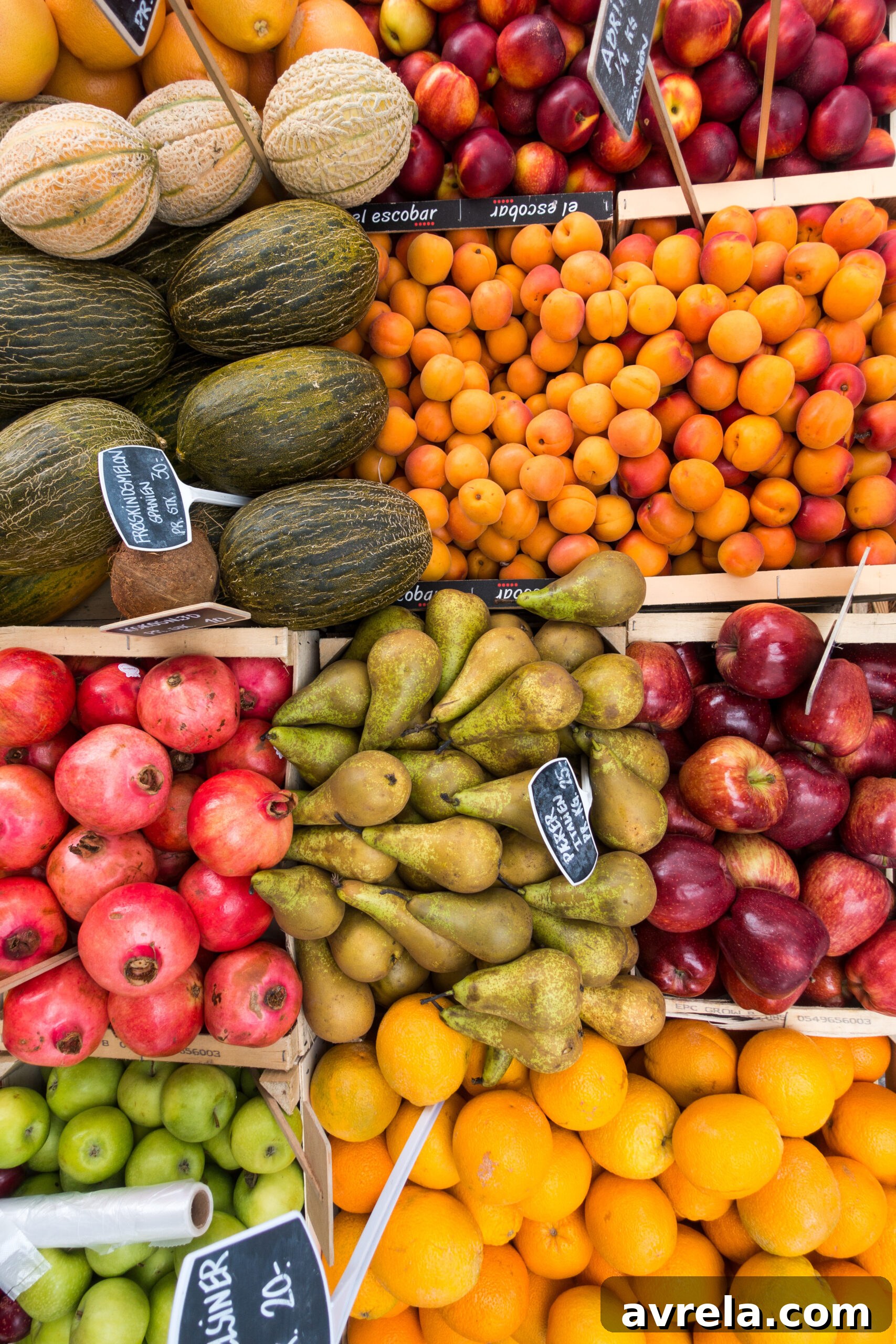
Savoring the Season: Your Essential Guide to Peak Summer Produce
Embrace the vibrant flavors and unparalleled freshness of summer with nature’s finest offerings. There’s an undeniable magic to peak summer produce in season—every bite tastes incredibly better: juicier, sweeter, and crisper. Beyond the delightful taste, seasonal fruits and vegetables are often more affordable and boast superior nutrient density. At their peak, these natural wonders provide essential vitamins, minerals, and antioxidants, fueling your body and enhancing your meals. Whether you’re exploring the bustling aisles of your local grocery store or immersing yourself in the community spirit of a farmer’s market, this comprehensive guide is your go-to resource. Discover my top 10 in-season summer produce picks, delve into their impressive nutrient benefits, and explore creative, easy ways to incorporate them into your daily meals.
Why Prioritize Organic: The Dirty Dozen Explained
Before we dive into my favorite summer produce picks, let’s discuss the topic of organic shopping. While I don’t believe every single item needs to be organic, there are specific fruits and vegetables that I strongly recommend prioritizing. These are typically the ones that tend to retain higher levels of pesticide residues, even after washing. This is where the crucial Dirty Dozen list becomes your invaluable shopping companion.
The Dirty Dozen is an annually updated list published by the Environmental Working Group (EWG), a non-profit organization dedicated to protecting human health and the environment. This list ranks the top 12 conventionally grown produce items found to have the highest pesticide levels. By focusing your organic purchases on these particular items, you can significantly reduce your exposure to potentially harmful chemicals. During the summer months, when these items are abundant and frequently consumed, making the organic choice can be particularly beneficial for your health and peace of mind. (Below is the updated list, reflecting common items for mindful shopping):
- Strawberries
- Spinach
- Kale, collard & mustard greens
- Peaches
- Pears
- Nectarines
- Apples
- Grapes
- Bell peppers & hot peppers
- Cherries
- Blueberries
- Green Beans
Expert Tip: A simple rule of thumb: if a fruit or vegetable has a thin, soft, or edible skin, it is generally more susceptible to retaining pesticides. These are the items where investing in organic options can offer the greatest benefits. Conversely, produce with thick, peelable skins (like avocados or bananas) often have lower pesticide concerns, making conventional options a more budget-friendly choice without significant compromise.
Top 10 Seasonal Fruits and Vegetables for Summer Wellness
With a better understanding of how to make informed choices about organic produce, let’s explore the stars of the season! My curated list highlights the top 10 summer produce in season, each chosen for its exceptional flavor, robust nutrient profile, and versatility in the kitchen. While many of these fruits and vegetables can be found year-round, there is truly nothing comparable to the taste and nutritional vibrancy of whipping up a fresh meal with peak summer produce. Get ready to elevate your summer cooking with these delicious and health-boosting ingredients.
1. Zucchini & Summer Squash: A Versatile Staple
Nutrient Benefits: Zucchini and summer squash are nutritional powerhouses, particularly high in Vitamin C, an essential antioxidant for immune support and skin health, and Vitamin B6, crucial for metabolism. They also provide a good source of potassium, which supports healthy blood pressure. Thanks to their high water and fiber content, they are excellent for digestion and promoting satiety without excess calories.
How to Use It:
- Quick & Healthy Zoodles: Spiralize fresh zucchini into “zoodles” and toss with a vibrant pesto, cherry tomatoes, and grilled chicken or shrimp for a light, low-carb meal.
- Grilling Perfection: Slice thick rounds or planks, brush with olive oil, sprinkle with sea salt and black pepper, then grill until tender-crisp for a smoky side dish.
- Baked Goods Boost: Grate zucchini into muffins, quick breads, or even savory protein loaves for added moisture, nutrients, and a subtle sweetness.
- Sautéed Side: Lightly sauté diced zucchini with garlic and herbs for a simple yet flavorful side dish ready in minutes.
2. Tomatoes: Sun-Kissed Superfood
Nutrient Benefits: Tomatoes are celebrated for their rich content of lycopene, a potent antioxidant responsible for their red hue. Lycopene is extensively studied for its benefits in supporting skin health by protecting against UV damage, reducing inflammation throughout the body, and contributing to cardiovascular wellness. They also offer Vitamin C and Vitamin K.
How to Use It:
- Classic Caprese: Create a refreshing caprese salad with thick slices of ripe tomatoes, fresh mozzarella, fragrant basil leaves, a drizzle of balsamic glaze, and creamy avocado for a satisfying summer lunch.
- Roasted Sauce Base: Halve cherry or grape tomatoes, toss with olive oil, garlic, and herbs, then roast until burst and caramelized. This makes an incredibly flavorful and easy base for pasta sauces, bruschetta, or side dishes.
- Chopped Summer Salad: Combine diced tomatoes with crisp cucumbers, red onion, and a lemon-herb vinaigrette for a simple, hydrating, and vibrant side salad.
- Fresh Salsa: Chop tomatoes finely with jalapeño, cilantro, onion, and lime juice for a homemade salsa perfect with chips or as a topping for grilled fish or chicken.
3. Berries (Strawberries, Blueberries, Raspberries, Blackberries): Antioxidant-Rich Delights
Nutrient Benefits: A true superfood category, berries are bursting with antioxidants, especially anthocyanins (giving them their deep colors), which combat oxidative stress and support brain health. They are exceptionally high in Vitamin C, vital for immunity, and packed with dietary fiber, promoting digestive regularity and helping to manage blood sugar levels. Their naturally low glycemic index makes them a sweet treat without the sugar spike.
How to Use It:
- Smoothie Power-Up: Blend a generous handful of mixed berries with your favorite protein powder, chia seeds, and a liquid base for a delicious and nutrient-dense breakfast or snack.
- Yogurt Bowl Topper: Layer fresh berries over Greek yogurt or plant-based alternatives, then add a dollop of almond butter or a sprinkle of granola for added texture and healthy fats.
- Frozen Treats: Freeze individual berries for a simple, refreshing snack, or use them to chill summer beverages like iced tea, lemonade, or even a homemade sangria.
- Chia Seed Jam: Cook down berries with a touch of maple syrup and chia seeds for a quick, healthy homemade jam without refined sugars.
4. Peaches & Nectarines: Sweet Summer Stone Fruits
Nutrient Benefits: These juicy stone fruits are an excellent source of Vitamin C, bolstering your immune system, and Vitamin A (in the form of beta-carotene), which is vital for vision and skin health. They also contain natural enzymes that can aid digestion, along with a good dose of dietary fiber.
How to Use It:
- Savory Pairings: Grill or pan-sear slices of peaches or nectarines and serve them alongside grilled chicken, pork chops, or even a fresh summer salad for a delightful sweet and savory contrast.
- Smoothie & Pudding Enhancer: Blend fresh peaches or nectarines into your morning smoothies or layer them into overnight oats or chia pudding for natural sweetness and a creamy texture.
- Grilled Dessert: Halve and pit peaches, brush with a touch of honey, grill until slightly charred and tender, then top with a dollop of coconut yogurt or a sprinkle of cinnamon for a healthy, delicious dessert.
- Fruit Salsa: Dice peaches with red onion, jalapeño, and cilantro for a refreshing salsa that pairs wonderfully with fish tacos or grilled shrimp.
5. Corn: The Taste of Summer
Nutrient Benefits: Often mistakenly avoided, corn is a nutrient-dense grain rich in B vitamins (especially thiamine and niacin), which are essential for energy metabolism. It also provides dietary fiber for digestive health and contains beneficial antioxidants like lutein and zeaxanthin, known for supporting eye health and protecting against age-related macular degeneration.
How to Use It:
- Grilled Mexican Street Corn (Elote): Grill corn on the cob until slightly charred, then slather with a lightened-up creamy sauce made from Greek yogurt, lime juice, chili powder, and a sprinkle of cotija cheese or nutritional yeast.
- Off-the-Cob Versatility: Cut corn kernels directly off the cob to add a burst of sweetness and crunch to tacos, grain bowls, black bean salads, or summer salsas.
- Creamy Chowder: Blend fresh or frozen corn with vegetable broth, a touch of milk (dairy or non-dairy), and seasonings for a comforting, creamy corn chowder.
- Sautéed & Sweet: Sauté corn kernels with butter or olive oil, a pinch of sugar, and a dash of salt for a simple and delicious side dish.
6. Cucumbers: Ultimate Hydration
Nutrient Benefits: Composed of over 95% water, cucumbers are incredibly hydrating and help maintain electrolyte balance during hot summer days. They are a good source of Vitamin K, essential for blood clotting and bone health, and contain various antioxidants, including flavonoids and tannins, which have anti-inflammatory properties.
How to Use It:
- Quick Pickled Salad: Thinly slice cucumbers and red onion, then toss them in a simple vinegar-based dressing for a quick, tangy, and refreshing side salad.
- Dipping Delight: Slice cucumbers into spears or rounds for an ideal, crunchy vessel for dipping into hummus, tzatziki, or other healthy spreads.
- Infused Water: Add cucumber slices, fresh mint leaves, and a squeeze of lemon to your water pitcher for a spa-like, refreshing beverage that encourages hydration.
- Chilled Soup: Blend cucumbers with Greek yogurt, garlic, dill, and a splash of olive oil for a delicious and cooling chilled cucumber soup.
7. Watermelon: Sweet and Refreshing
Nutrient Benefits: A quintessential summer fruit, watermelon is not only delicious but also incredibly nutritious. It’s high in Vitamin C for immune support and Vitamin A for vision. Its high water content makes it exceptionally hydrating, while natural electrolytes help replenish what’s lost through sweat. Like tomatoes, it also contains lycopene, offering antioxidant benefits.
How to Use It:
- Viral Summer Salad: Cube watermelon and pair it with crumbled feta cheese, fresh mint leaves, and crisp cucumber for a harmonious blend of sweet, salty, and refreshing flavors, as demonstrated in this popular Viral Watermelon Summer Salad recipe.
- Homemade Popsicles: Blend watermelon chunks with a squeeze of lime juice, pour into popsicle molds, and freeze for a healthy, natural, and incredibly satisfying summer treat.
- Savory Sprinkle: Sprinkle cubed watermelon with a pinch of sea salt or a dash of Tajín seasoning (a chili-lime seasoning) to enhance its natural sweetness and add a zesty kick.
- Watermelon Smoothie: Blend with ice, a few berries, and a touch of ginger for a revitalizing drink.
8. Bell Peppers: Colorful and Crisp
Nutrient Benefits: Bell peppers, especially the red and yellow varieties, are a phenomenal source of Vitamin C—even more so than oranges! This potent antioxidant is crucial for immune function, collagen production (for healthy skin), and wound healing. They also provide significant amounts of beta-carotene (precursor to Vitamin A) and Vitamin B6, contributing to overall health and vitality.
How to Use It:
- Healthy Snack Sticks: Slice bell peppers into colorful strips and use them for dipping into cashew queso, hummus, guacamole, or your favorite healthy dip.
- Grilled for Flavor: Grill or roast bell pepper halves or strips until tender and slightly smoky, then add them to grain bowls, salads, or sandwiches for a burst of flavor and nutrients.
- Stuffed & Baked: Hollow out bell peppers and stuff them with a mixture of ground turkey or lentils, rice (or cauliflower rice), diced veggies, and herbs, then bake until tender.
- Stir-fries & Fajitas: Add colorful bell pepper strips to stir-fries, fajitas, or scrambles for vibrant color, crunch, and a wealth of vitamins.
9. Cherries: Nature’s Sleep Aid
Nutrient Benefits: Cherries are renowned for their high antioxidant content, including anthocyanins, which contribute to their deep red color and powerful anti-inflammatory effects. They are also a natural source of melatonin, a hormone that regulates sleep-wake cycles, making them excellent for promoting restful sleep and aiding muscle recovery after exercise. They also contain Vitamin C and potassium.
How to Use It:
- Fresh or Frozen Snack: Enjoy fresh, pitted cherries as a naturally sweet and satisfying snack. Keep a bag of frozen cherries on hand for a quick, cool treat or to add to smoothies.
- Oats & Smoothies: Fold pitted and halved cherries into your morning oatmeal, Greek yogurt, or blend them into protein smoothies for a delicious nutritional boost.
- Homemade Compote or Jam: Gently cook down cherries with a touch of sweetener and a squeeze of lemon juice to create a simple compote or chia jam, perfect for topping toast, pancakes, or desserts.
- Tart Cherry Juice: Consider tart cherry juice (unsweetened) before bed for its natural melatonin properties.
10. Green Beans: Crisp and Nutritious
Nutrient Benefits: Green beans are a wonderfully crunchy vegetable rich in dietary fiber, which supports healthy digestion and blood sugar regulation. They are also an excellent source of folate, crucial for cell growth and DNA formation, and Vitamin K, vital for bone health and proper blood clotting. They also contain Vitamin C and a variety of antioxidants.
How to Use It:
- Garlic & Olive Oil Sauté: Sauté fresh green beans with minced garlic and a drizzle of olive oil until tender-crisp for a classic, delicious, and healthy side dish.
- Elevated Side Dish: For a more gourmet touch, try my popular Green Bean Sauté with Sun-Dried Tomatoes and Pine Nuts, a flavorful recipe found in my cookbook, Rachael’s Good Eats.
- Sheet Pan Roasting: Toss green beans with chicken or salmon, olive oil, and your favorite seasonings, then roast everything on a single sheet pan for an easy, complete, and nutritious meal.
- Blanched & Chilled: Blanch green beans briefly in boiling water, then shock in ice water. They make a great addition to salads or a refreshing crudités platter.
Final Tips for Shopping, Storing, and Enjoying Summer Produce In-Season
Maximizing the deliciousness and nutritional value of summer produce is all about smart shopping and proper care. Before you head out to stock your kitchen, here are a few final, actionable tips to help you shop smarter, preserve freshness, and fully enjoy the best summer produce while it’s at its peak:
- Embrace the Farmer’s Market Experience: Whenever possible, make a trip to your local farmer’s market. Not only does buying directly from farmers ensure you get the freshest, most flavorful produce imaginable, but it also supports local economies and reduces your food’s carbon footprint. Local produce is often harvested at its peak ripeness, unlike grocery store items that might be picked early for transport.
- Freeze for Future Enjoyment: Don’t let excess produce go to waste! When summer favorites like berries, peaches, or corn are abundant and on sale, buy extra and freeze them. Berries can be frozen whole on a baking sheet before transferring to bags. Peaches can be peeled, sliced, and frozen. Corn can be blanched and cut off the cob. Freezing allows you to lock in their nutrients and enjoy a taste of summer long after the season ends.
- Prioritize Organic with the Dirty Dozen: Use the Dirty Dozen list as your guiding principle for organic purchases. Focusing your budget on buying these specific items organic significantly reduces your exposure to pesticides, making your healthy eating habits even healthier. For items not on the Dirty Dozen (the “Clean Fifteen”), conventional options are often perfectly acceptable and more budget-friendly.
- Learn How to Select Ripe Produce: A little knowledge goes a long way. For watermelons, look for a dull spot where it rested on the ground and give it a firm tap – a hollow sound indicates ripeness. Peaches should have a fragrant smell and a slight give when gently squeezed. Berries should be plump and uniformly colored.
- Proper Storage is Key: Store most fruits and vegetables in the crisper drawer of your refrigerator. However, tomatoes, peaches, and other stone fruits often taste best when stored at room temperature until fully ripe, then moved to the fridge to extend freshness. Keep berries unwashed until just before consumption to prevent mold.
By following these guidelines, you’ll not only enjoy the unparalleled taste of summer’s bounty but also nourish your body with wholesome, nutrient-rich foods. Happy shopping and even happier eating!
For all my go-to kitchen and cooking essentials, trusted tools, and more recommendations that make healthy eating a breeze, explore my curated Amazon Storefront.