
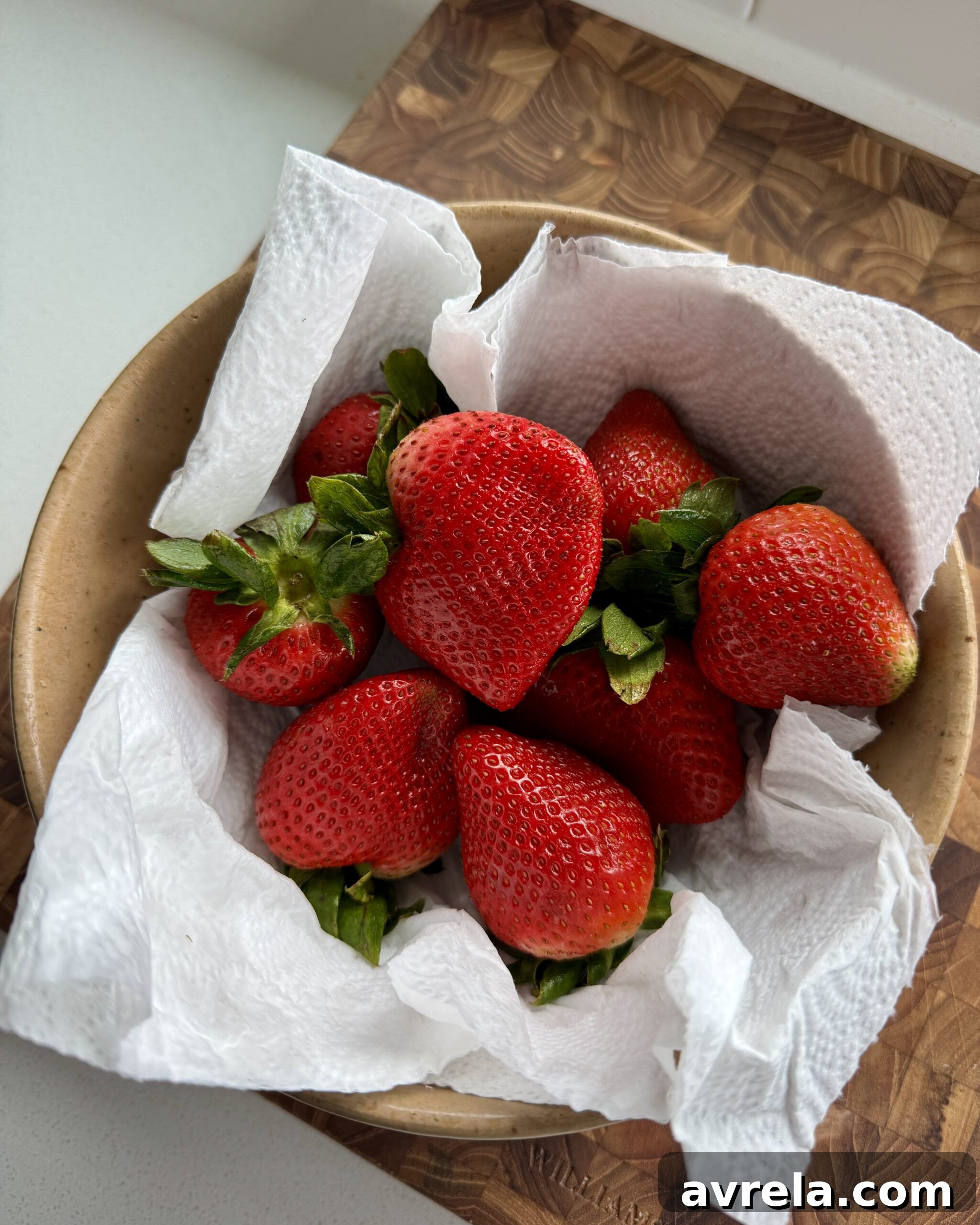
There’s nothing quite like the vibrant burst of flavor from fresh, ripe berries. Whether it’s the juicy sweetness of strawberries, the tart pop of blueberries, or the delicate texture of raspberries and blackberries, these nutritional powerhouses are a household favorite. However, that joy can quickly turn into frustration when you open your fridge only to find your beautiful berries covered in mold, often just a day or two after purchase. If you’ve experienced the disheartening sight of throwing out half a carton of expensive berries before you even get to enjoy them, you’re not alone. I used to struggle with this constantly, feeling like I was wasting both money and delicious produce. But I’ve discovered that knowing how to properly wash and store berries can make all the difference, transforming them from a fleeting treat into a long-lasting delight.
Properly washing berries goes far beyond just rinsing off visible dirt. It’s a crucial step in preventing the spread of mold and bacteria, removing unwanted pesticide residues, and ultimately extending their shelf life. This guide will walk you through effective methods, from a quick rinse for immediate enjoyment to a powerful vinegar soak for extended freshness, and even a non-toxic alternative. Get ready to say goodbye to prematurely spoiled berries and hello to a fridge full of fresh, vibrant fruit that lasts.
Why Washing Your Berries Matters More Than You Think
Berries are undeniably delicious, but they are also notoriously delicate and prone to spoiling quickly. This susceptibility is due to several factors that make proper washing an essential part of your kitchen routine. Berries, especially popular varieties like strawberries, blueberries, raspberries, and blackberries, often come straight from the farm, carrying with them unseen contaminants and vulnerabilities.
Firstly, the surface of berries can easily harbor dirt, dust, and tiny debris from their journey from the field to your grocery cart. Beyond the visible grime, they can also carry various bacteria and microorganisms, some of which could potentially cause foodborne illnesses. Even if you don’t plan to eat them with the skin on (which isn’t usually the case for berries!), handling unwashed fruit can transfer these contaminants to your hands and other surfaces.
Secondly, for conventionally grown berries, pesticide residues are a common concern. While regulations are in place, rinsing can help reduce the amount of these chemicals on the fruit’s surface, offering a healthier eating experience. Even organic berries, while grown without synthetic pesticides, can still pick up dirt, natural bacteria, and other environmental elements that warrant a good wash.
Most importantly for extending freshness, berries are highly susceptible to mold. Their delicate skin and high moisture content create an ideal environment for mold spores to thrive, especially when packed closely together in a container. Excess moisture, combined with naturally occurring mold spores, accelerates spoilage. Properly washing them helps to:
- Effectively Remove Dirt and Bacteria: Cleaning the surface significantly reduces the presence of unwanted particles and microorganisms.
- Minimize Pesticide Residues: Rinsing helps wash away surface-level chemicals, providing peace of mind.
- Prevent Mold Growth and Extend Freshness: This is arguably the biggest benefit. By removing mold spores and ensuring proper drying, you can dramatically increase how long your berries stay fresh and edible, saving you money and reducing food waste.
However, it’s crucial to understand that washing them incorrectly—or at the wrong time—can actually make them spoil faster. The key is knowing which method to use and when. Let’s explore the best approaches to keep your berries at their peak.
The Quick Rinse Method (Perfect for Immediate Enjoyment)
Sometimes, you just need a handful of berries for your morning cereal, a quick snack, or to top off a dessert. In these instances, a simple and swift rinse is all that’s required. This method is ideal when you intend to consume your berries almost immediately after washing, as it focuses on removing surface dirt without the long-term preservation benefits of deeper cleaning techniques.
Here’s how to give your berries a quick, effective rinse:
- Rinse under Cold Running Water: Place your berries in a colander. Position the colander under a stream of cool, gently running water. Allow the water to flow over the berries for about 20-30 seconds, gently tumbling them with your hand to ensure all surfaces are exposed to the water.
- Swish Gently for Delicate Berries: For particularly delicate berries like raspberries and blackberries, which can easily bruise or fall apart under direct faucet pressure, it’s better to use a gentler approach. Instead of rinsing under the faucet, place them in a bowl filled with cool water and gently swish them around for a brief moment. This allows dirt to release into the water without damaging the fruit.
- Drain and Pat Dry: After rinsing, lift the berries out of the water (if using the bowl method) or remove the colander from under the tap. Allow them to drain thoroughly. Then, gently spread the berries out in a single layer on a clean, absorbent kitchen towel or a few layers of paper towels. Very gently pat them dry. The goal is to remove excess surface moisture without crushing them.
This quick rinse method is excellent for those spur-of-the-moment berry cravings or when you know you’ll finish the portion within a day. It effectively removes loose dirt and some surface bacteria, ensuring your berries are clean and ready to eat. However, if your goal is to make your berries last longer than 24-48 hours, especially an entire carton, you’ll need a more robust strategy to combat mold and bacteria growth.
The Vinegar Wash (Your Secret Weapon for Extended Freshness)
If you’re tired of seeing those dreaded white fuzzy spots appear on your berries just days after bringing them home, the vinegar wash is about to become your new best friend. This method is a game-changer for extending the shelf life of your berries, sometimes keeping them fresh and mold-free for up to a week, or even longer for some varieties. The magic lies in white vinegar’s acetic acid, a natural antimicrobial agent that effectively kills mold spores and bacteria without leaving a noticeable taste if rinsed properly.
This powerful yet simple technique is one of the most effective tricks to prevent premature spoilage and ensure you get to enjoy every single berry you buy.
How to Wash Berries with Vinegar for Maximum Longevity:
- Prepare the Solution: In a large bowl, combine one part white vinegar with three parts cool water. For example, if you’re washing a standard pint of berries, use about 1/2 cup of white vinegar and 1 1/2 cups of water. The ratio is more important than the exact volume, ensuring the vinegar is diluted enough not to harm the berries but strong enough to be effective.
- Submerge and Soak the Berries: Gently add your berries to the vinegar-water solution. Make sure they are fully submerged. Let them soak for approximately five minutes. This soaking time is crucial as it allows the acetic acid to work its magic, effectively neutralizing mold spores and bacteria lurking on the fruit’s surface. Avoid soaking for much longer than five minutes, as prolonged exposure to vinegar, even diluted, could potentially affect the berries’ texture or flavor.
- Rinse Thoroughly: After the soak, transfer the berries to a colander and rinse them exceptionally well under cold, running water. This step is vital to wash away any residual vinegar taste. Continue rinsing until you can no longer detect the vinegar smell. Gentle handling is key, especially for softer berries.
- Dry Completely – This is Critical!: Spread the rinsed berries out in a single layer on a clean, absorbent kitchen towel or several layers of paper towels. The most critical step for success with the vinegar wash (and any berry washing method for long-term storage) is to ensure they are completely air-dried before storing them. Any residual moisture will negate the benefits of the vinegar wash and encourage mold growth. You can gently roll them around on the towel or even use a salad spinner (lined with a paper towel for delicate berries) to speed up the drying process. Let them air dry for an hour or more, if needed, turning them occasionally, until no moisture is visible or felt.
If you’ve consistently struggled with berries spoiling quickly, integrating this vinegar wash into your routine will undoubtedly make a huge difference. By eliminating mold spores before they have a chance to proliferate, this method actively helps your berries stay fresh, firm, and delicious for significantly longer periods.
A Non-Toxic Option: Washing Berries with Branch Basics
Embracing a healthier lifestyle often starts with what we bring into our homes, especially when it comes to cleaning products. One of my easiest and most impactful recommendations is to swap out harsh, chemical-based cleaners, including bleach, for non-toxic, plant-based alternatives. Our family has personally relied on Branch Basics for years, not only for its effectiveness in maintaining a clean home but also for peace of mind regarding our health and the well-being of our future children. The Branch Basics Concentrate is a remarkable product that offers an excellent, food-safe way to clean your berries without resorting to vinegar, which some people might prefer to avoid due to its smell or taste concerns.
Branch Basics Concentrate is a versatile, plant-based solution that is free from harmful chemicals, fragrances, and dyes. When diluted, it becomes a powerful yet gentle cleaner that is safe enough to be used on produce. It works by breaking down contaminants, effectively lifting dirt, bacteria, and pesticide residues from the surface of your berries, leaving them impeccably clean and ready to enjoy.
How to Wash Berries with Branch Basics:
- Dilute the Concentrate: In a large bowl, add approximately one teaspoon of Branch Basics Concentrate to about four cups of cool water. The concentrate is highly potent, so a small amount goes a long way. Stir gently to mix the solution.
- Soak the Berries: Carefully place your berries into the diluted Branch Basics solution. Allow them to soak for a short duration, typically one to two minutes. This brief soak is sufficient for the plant-based surfactants to loosen and lift away dirt, bacteria, and any lingering residues from the fruit’s delicate skin.
- Rinse Exceptionally Well: After the soaking period, transfer the berries to a colander. Rinse them thoroughly under cold, running water. Ensure that all traces of the Branch Basics solution are washed away. You want your berries to be clean, not taste like soap! Gentle rinsing is key to preserving their delicate structure.
- Dry Completely Before Storing: Just as with the vinegar method, the final and perhaps most crucial step is to ensure your berries are fully dry before you even think about putting them in the fridge. Spread them out in a single layer on a clean, dry towel and allow them to air dry completely. You can gently blot them, but avoid rubbing too vigorously. Any lingering moisture is an invitation for mold to flourish.
This method provides a fantastic, gentle yet highly effective alternative if you’re not keen on using vinegar or are simply looking for a non-toxic, all-natural approach to cleaning your produce. It ensures your berries are pristine and ready for enjoyment, without introducing any harsh chemicals or strong odors.
How to Store Berries to Keep Them Fresh for Longer
Washing your berries properly is half the battle; the other half is knowing how to store them to maximize their freshness and prevent premature spoilage. Even the best washing technique can be undone by poor storage. The primary enemy of fresh berries in storage is moisture, which creates the perfect breeding ground for mold. Here’s a comprehensive guide to storing your clean berries for optimal longevity:
- Inspect and Sort Before Storing: Before placing your washed and dried berries into storage, take a moment to inspect them carefully. Remove any berries that are bruised, crushed, soft, or already showing signs of mold. One bad berry can, unfortunately, spoil the entire batch very quickly. It’s better to discard or use these immediately than to risk contaminating the whole container.
- Utilize a Breathable Container: Berries need air circulation to stay fresh. Avoid airtight containers, which can trap moisture and accelerate mold growth. Instead, opt for glass or plastic containers with some form of ventilation or a lid that can be left slightly ajar. Line the bottom of the container with a clean, dry paper towel. The paper towel acts as a moisture wick, absorbing any condensation or residual dampness that might accumulate. Arrange the completely dry berries in a single layer if possible, or in shallow layers, placing another paper towel between layers if necessary.
- Maintain Absolute Dryness: This cannot be emphasized enough. Moisture is the leading cause of mold on berries. After washing using either the vinegar or Branch Basics method, ensure your berries are absolutely, positively dry before they go into their storage container. If they feel even slightly damp, continue air-drying them. A salad spinner (lined with a paper towel) can be a great tool to remove excess water after rinsing.
- The “Wait to Wash” Rule (with Exceptions): Generally, if you are not using the vinegar or Branch Basics wash methods which are designed for longer preservation, it’s best to wait to wash berries until just before you’re ready to eat them. This is because conventional rinsing adds moisture that can trigger mold growth during storage. However, if you’ve followed the thorough drying steps after a vinegar or Branch Basics wash, they are ready for immediate storage.
- Refrigerate or Freeze Smartly:
- Refrigeration: Fresh, properly washed, and dried berries do best in the main compartment of your refrigerator. They should typically be consumed within 5-7 days after a thorough wash and dry, though this can vary by berry type and initial freshness. Avoid storing them in the crisper drawer if it tends to hold too much humidity; a well-ventilated spot is better.
- Freezing: For longer-term storage (months), freezing is an excellent option. To prevent them from clumping together, first spread the completely dry berries in a single layer on a baking sheet lined with parchment paper. Freeze them for 1-2 hours, or until solid. Once frozen solid, transfer the berries to an airtight freezer-safe bag or container. This flash-freezing technique ensures they remain individual, making it easy to grab just the amount you need for smoothies, baking, or desserts later. Label the bag with the date for easy tracking.
By implementing these thoughtful storage techniques in conjunction with proper washing, you’ll dramatically extend the life of your berries, reduce food waste, and always have fresh, delicious fruit on hand when you want it.
FAQs About Washing Berries
Should you wash berries before storing them?
Generally, it’s best to wait until right before eating to wash berries, as adding moisture can encourage mold growth. However, if you plan to use a specialized method like the vinegar wash or Branch Basics solution, then yes, wash them beforehand. The key is to ensure they are completely dry before storing them after these types of washes. This critical drying step helps remove the moisture that otherwise leads to spoilage.
How long should I soak berries in vinegar?
A soak of about five minutes in a diluted white vinegar solution (one part vinegar to three parts water) is usually plenty. This duration is sufficient to kill most bacteria and mold spores on the surface without affecting the berries’ delicate flavor or texture. Remember to rinse them thoroughly afterward to remove any vinegar residue.
Do you need to wash organic berries?
Absolutely, yes! While organic berries are grown without synthetic pesticides, they are still exposed to dirt, dust, and environmental bacteria. They can also carry naturally occurring mold spores. Washing organic berries is just as important as washing conventional ones to ensure cleanliness and help prevent spoilage.
What’s the best way to wash strawberries vs. blueberries and raspberries?
The general washing methods (quick rinse, vinegar, or non-toxic) are applicable to all berry types. However, when it comes to technique, there’s a slight difference: Strawberries and blueberries are generally more robust and can withstand rinsing directly under a gentle stream of cold running water in a colander. Raspberries and blackberries, on the other hand, are much more delicate. For these fragile berries, it’s best to place them in a bowl of cool water and gently swish them around rather than direct rinsing, to prevent bruising and damage.
Can I use commercial fruit and vegetable washes for berries?
Yes, many commercial fruit and vegetable washes are designed to remove pesticides, waxes, and dirt from produce. If you prefer using one, follow the product’s specific instructions for berries. However, homemade solutions like the vinegar wash or a diluted non-toxic cleaner like Branch Basics are often just as effective, more economical, and free from any additional chemicals or fragrances.
The Bottom Line: Enjoy Fresher Berries, Reduce Waste
Mastering the art of washing and storing berries isn’t just about cleanliness; it’s about getting the absolute most out of every delicious batch you bring home. By implementing the right techniques, you can significantly extend the life of your berries, ensuring they stay fresh, taste better, and remain free from unsightly mold for days longer. This not only enhances your culinary experience but also makes a tangible difference in reducing food waste and saving money.
Whether you choose a simple quick rinse for immediate consumption, embrace the highly effective vinegar wash to proactively prevent mold and achieve up to a week of freshness, or opt for a gentle non-toxic wash with Branch Basics for a chemical-free approach, these methods will transform your berry management. The effort invested upfront in proper washing and drying truly pays off.
If you haven’t yet experimented with the vinegar soak method, I wholeheartedly encourage you to give it a try. I believe you’ll be genuinely surprised and delighted by how much longer your berries maintain their peak freshness. Say goodbye to prematurely spoiled fruit and hello to a continuous supply of vibrant, delicious berries ready for any meal or snack.
Hope these comprehensive tips help you enjoy your berries to the fullest. As always, feel free to share any personal tips or tricks you’ve discovered below! xx