

I’m here to talk about pregnancy nutrition in a calm, practical way. Too often guidance about eating while pregnant is framed as long, fear-inducing lists of foods to avoid. There’s a lot to learn before, during, and after pregnancy, and it can feel overwhelming—especially the first time. Pregnancy is an extraordinary experience, and nutrition should feel empowering, not frightening.
My goal is to provide clear, approachable nutrition advice for pregnancy and postpartum that’s evidence-informed and easy to apply. The good news: optimal pregnancy nutrition doesn’t have to be restrictive or complicated. With a few simple daily habits, you can cover most nutrient needs for you and your baby.
Below are three food categories to include daily that will support your pregnancy nutrition. These focus on nutrients that matter most and are practical to incorporate into everyday meals.
Why You Should Eat Nutrient-Dense Foods to Support Your Pregnancy
Eating nutrient-dense foods during pregnancy is one of the most effective ways to support both your health and your baby’s development. Pregnancy increases your nutrient needs as your body supports fetal growth, so each meal is an opportunity to build nutrient stores. Balanced, nourishing meals help provide steady energy, support healthy weight gain, and deliver the vitamins, minerals, and macronutrients essential for brain development, immune function, and overall growth.
Focus on simple, balanced meals that combine protein, healthy fats, and a variety of vegetables and whole grains. Small, consistent steps add up—aim for regular meals and simple swaps that increase nutrient density without adding stress.
1. The Importance of Eggs During Pregnancy
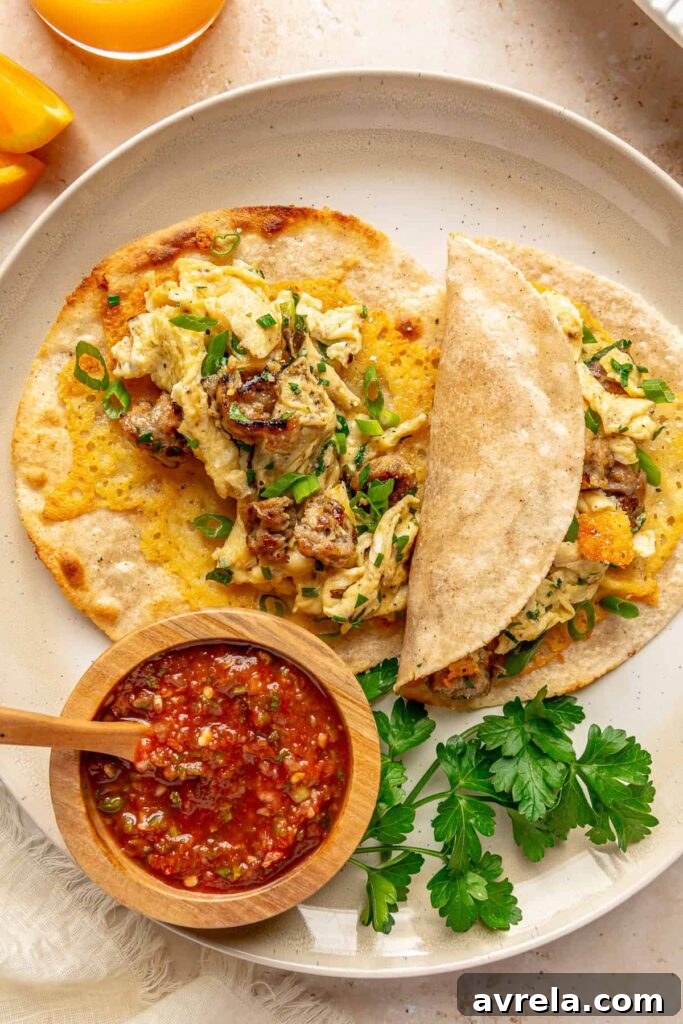
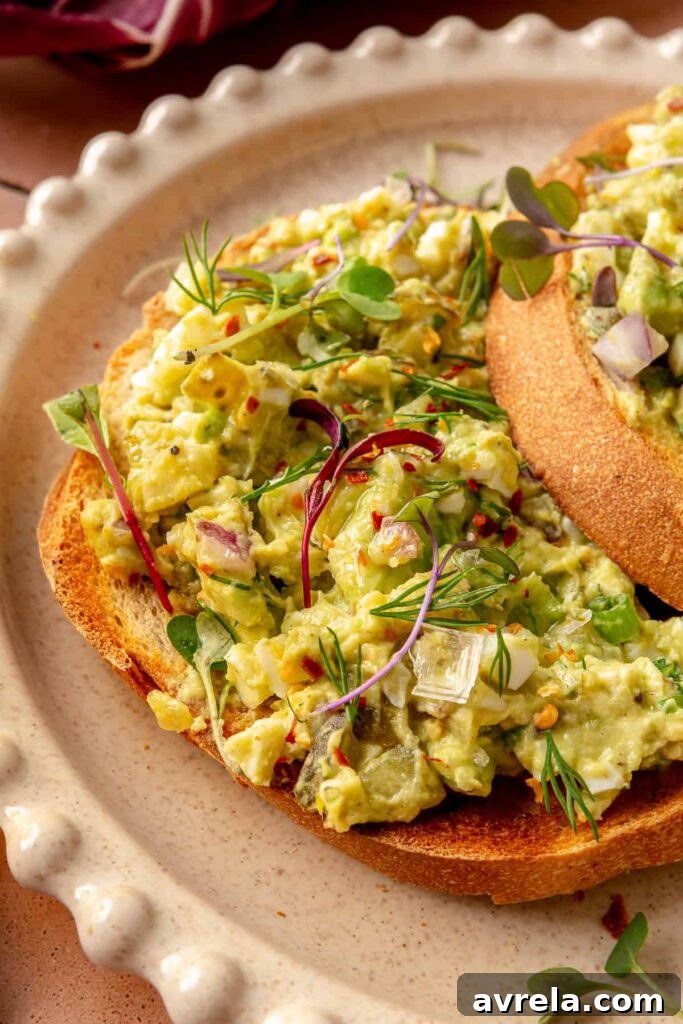
Eggs are a top pregnancy food. They’re a rich source of choline—especially the yolks—which supports fetal brain and spinal development. Eggs also provide some DHA (an important omega-3 fat), folate, B vitamins, antioxidants, and trace minerals. These nutrients are highly relevant to pregnancy and fetal growth.
Eggs are convenient and versatile. They deliver complete protein and healthy fats, keep you full, and help stabilize appetite. Fried, scrambled, poached, or hard-boiled, eggs are an easy way to boost nutrient intake at any meal. Pair them with whole-grain toast, fruit, oatmeal, or a smoothie for a balanced breakfast that supports sustained energy.
Easy Egg Recipes

2. How to Sneak More Veggies into Your Diet
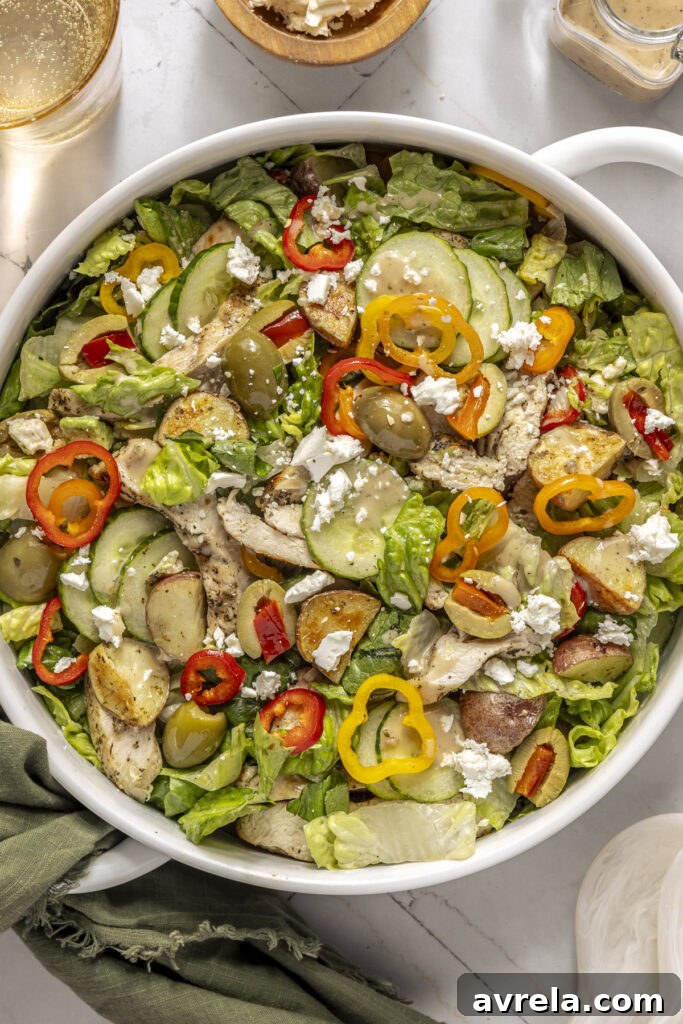
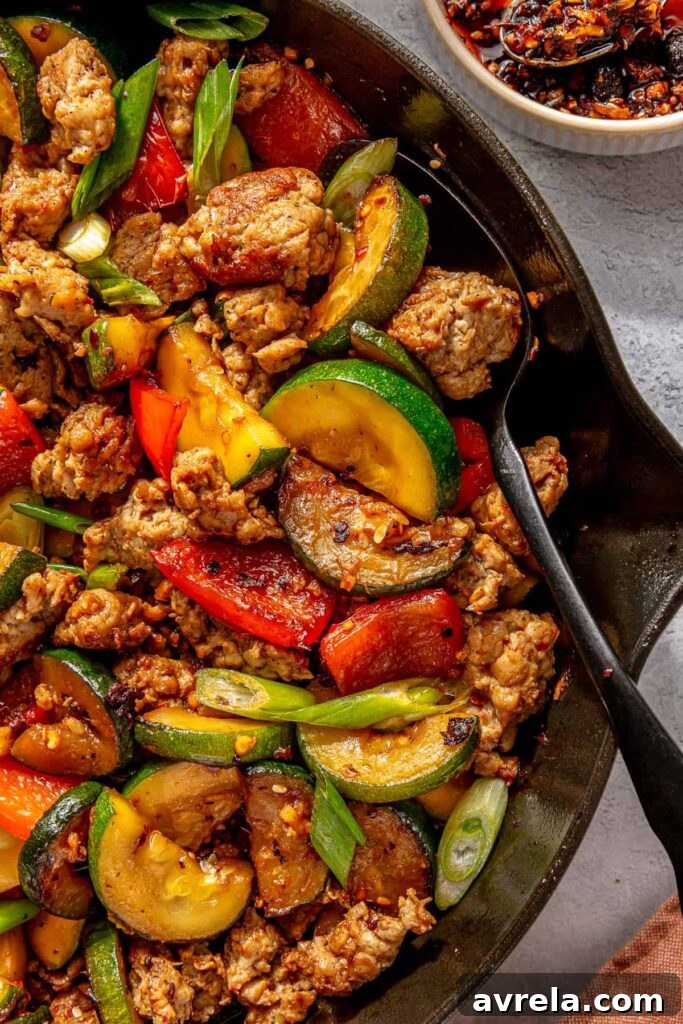
Colorful vegetables—especially leafy greens—are the second daily essential. Greens are among the best sources of folate, which is critical for neural development, and they provide vitamin C, beta-carotene, fiber, B vitamins, and trace minerals.
Some days you may crave a big, crunchy salad; other days you might need to hide vegetables in more palatable forms like smoothies, soups, or blended sauces. Both approaches are fine—what matters is getting variety across the week.
Key reasons to prioritize vegetables during pregnancy:
- Fiber: supports digestion and helps prevent constipation.
- Flavor exposure: varied vegetable intake contributes to flavor learning in utero, which can influence infant food preferences later on.
- Gut health: vegetables feed beneficial gut bacteria, which supports maternal and infant microbiome health.
Veggie-Forward Meals

3. Eating 100+ Grams of Protein
Protein is essential during pregnancy—proteins are the building blocks of tissues and are critical for fetal growth. High-protein meals help you feel full longer, stabilize blood sugar, support energy levels, and can reduce pregnancy-related nausea for some people.
Recommendations vary, but research indicates protein needs rise during pregnancy, often substantially. For many women, optimal intake can exceed 100 grams per day, particularly in the second and third trimesters. If your current intake is lower, gradually increase protein at each meal and snack rather than making abrupt changes.
Include a variety of protein sources to ensure a full complement of amino acids and complementary vitamins and minerals. Animal proteins tend to be nutrient-dense: beef supplies iron and zinc, chicken is lean and versatile, and low-mercury fish like salmon and sardines provide omega-3s important for brain and eye development. Plant-based options—beans, lentils, peas, nuts, seeds, and dairy—also contribute valuable protein and fiber.
Top Protein Sources During Pregnancy
Mix animal and plant proteins across meals: beef, chicken, fish (low-mercury choices), eggs, yogurt, cheese, beans, lentils, peas, nuts, and seeds. Combining these sources helps ensure you get a variety of amino acids, iron, zinc, calcium, and other pregnancy-relevant nutrients.
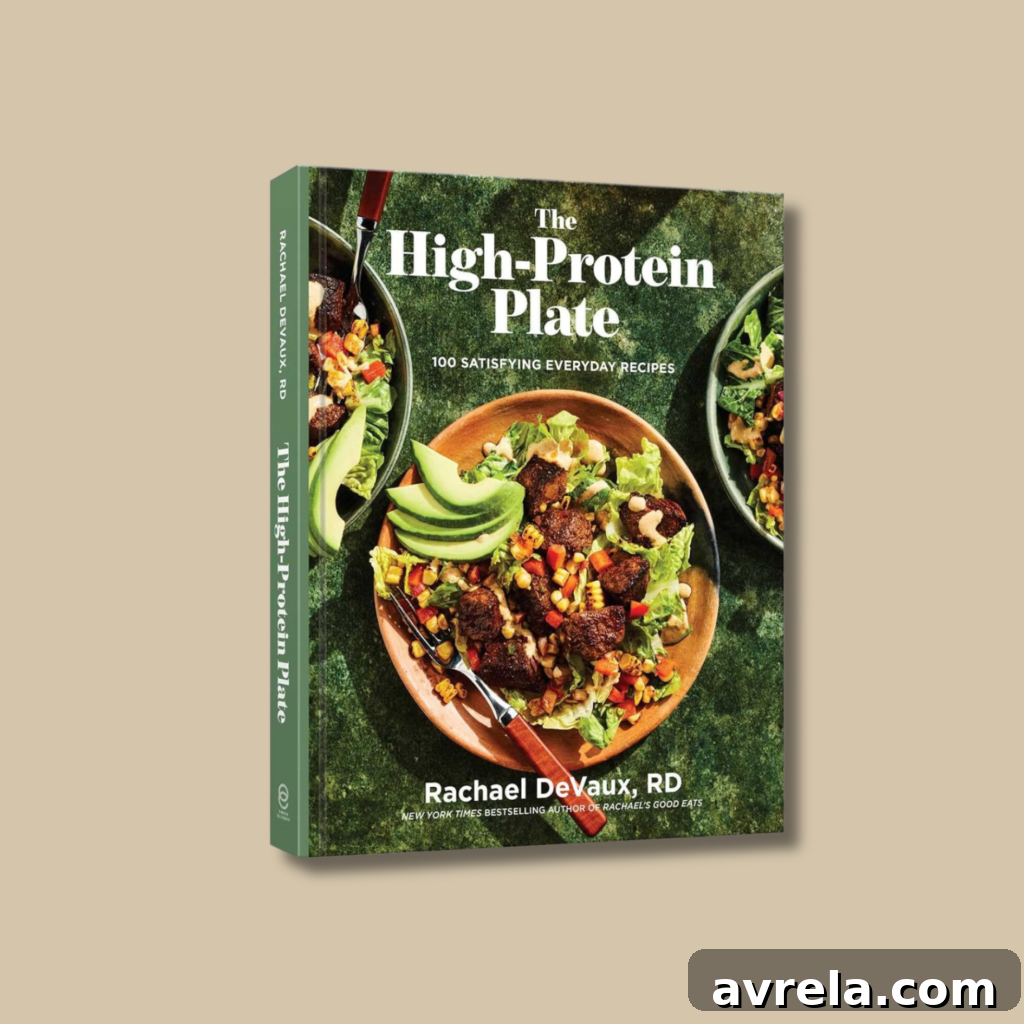
The High-Protein Plate
Eating Well During Pregnancy: Practical Tips & Reminders
- Eat regularly: Aim to eat every 3–4 hours to maintain energy and stabilize blood sugar.
- Prioritize whole foods: Choose minimally processed foods and simple meals you can prepare ahead of time. Batch-cooking dinners for leftovers makes balanced eating easier.
- Don’t strive for perfection: Nausea, aversions, and fatigue are common. Focus on consistency over perfection—one good choice at each meal adds up.
- Use supplements appropriately: Prenatal supplements support nutrient needs (for example, folate, iron, and DHA) but don’t replace a balanced diet. Food should remain the primary foundation of nutrition during pregnancy.
Source:
Nichols, Lily. Real Food for Pregnancy. 2018.