
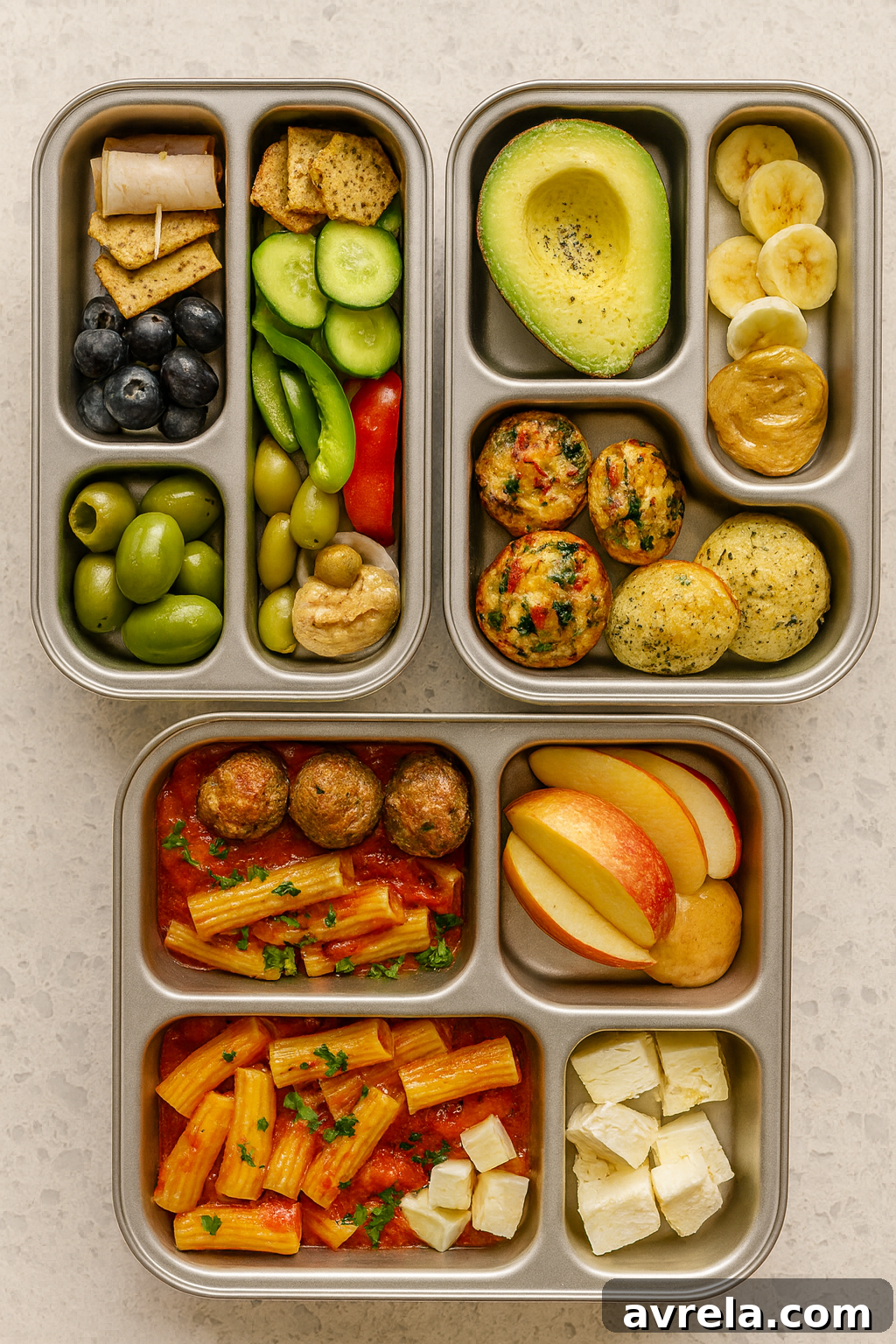
Packing nourishing and exciting school lunches for your children can often feel like a daily culinary quest. Parents, from those new to the game with toddlers to seasoned veterans of elementary school hallways, frequently grapple with the same challenge: How do I create quick, balanced, and genuinely appealing meals that keep my child fueled and focused all day long? The struggle is real, and trust us, you’re not alone. The secret to conquering this daily puzzle lies in thoughtful planning and understanding the foundational elements of a truly energizing lunchbox.
Fueling Young Minds: The Ultimate Guide to Healthy School Lunch Ideas for Kids
The back-to-school season inevitably brings with it the renewed pressure of lunch packing. Amidst the morning rush, it’s easy to fall into the trap of convenience, reaching for the same familiar snacks that might get your kids out the door but don’t necessarily support their optimal growth and cognitive function. This guide is designed to empower parents of toddlers through elementary school-aged children with practical, dietitian-approved strategies to build lunchboxes that not only satisfy hunger but actively promote focus, stable energy, and emotional balance throughout their busy school days.
Recently, a common online lunchbox example sparked a vital conversation. It typically featured items like leftover pasta (often lacking protein), sugary treats such as chocolate-covered pretzels, highly processed snacks like potato crisps, a packaged granola bar, and some fruit. While undeniably normal and relatable in many households, from a nutritional standpoint, this combination often falls short. It primarily delivers quick carbs and sugars, offering minimal protein, fiber, or healthy fats – crucial components for sustaining a child’s energy, concentration, and feeling of fullness, especially for active, growing bodies.
Of course, context is always key; sometimes a child might be navigating a particularly picky eating phase, and parents do their best to ensure they eat anything at all. In such scenarios, flexibility is paramount. However, when there’s room for intentional adjustments, even small tweaks can yield significant benefits. As nutrition experts, we advocate for meals balanced with a powerful trio: protein, healthy fats, and fiber. This dynamic combination is scientifically proven to help children maintain focus in class, regulate emotions more effectively, and avoid the dreaded post-lunch energy slump. Our goal isn’t to overhaul your entire routine but to provide simple, actionable insights that build confidence in packing lunches that genuinely nourish your kids’ bodies and brains. Food plays an indispensable role in their development, behavior, and overall well-being. This guide will share a wealth of ideas to upgrade typical lunchboxes into vibrant, nutrient-dense meals.
The Power Trio: Why Protein, Healthy Fats, and Fiber Are Non-Negotiable
Understanding the “why” behind what we pack is often the biggest motivator for consistent, positive change. The foods we provide our children are far more than just sustenance; they are the literal building blocks for their growing bodies and developing brains. The direct impact of a balanced lunch extends to their energy levels, capacity for focus, memory retention, mood regulation, and even their immune system and overall growth. Let’s delve into the crucial roles of protein, healthy fats, and fiber.
Protein: Building Blocks for Brain and Body
Protein is essential for growth, tissue repair, and the production of enzymes and hormones. For children, it’s particularly vital for muscle development and providing sustained energy without the spikes and crashes associated with simple carbohydrates. Protein helps children feel fuller for longer, reducing the likelihood of mid-afternoon hunger pangs that can lead to unhealthy snacking or irritability. In the brain, protein helps synthesize neurotransmitters, which are critical for mood, focus, and cognitive function. Research consistently shows a positive correlation between adequate protein intake and improved academic performance, including better math scores.
Healthy Fats: Fuel for Focus and Development
Often misunderstood, healthy fats are fundamental for a child’s brain development and overall health. They are vital for absorbing fat-soluble vitamins (A, D, E, K), providing a concentrated source of energy, and supporting nerve and brain cell function. Omega-3 fatty acids, found in sources like flax seeds, chia seeds, and certain fish, are particularly crucial for cognitive development, memory, and attention. Healthy fats also contribute to satiety, ensuring children remain satisfied and energized throughout their school day, preventing the brain fog that can hinder learning. Studies have demonstrated that children consuming meals rich in healthy fats and fiber perform better on attention and reaction time tasks.
Fiber: Digestive Health and Stable Energy
Fiber, primarily found in fruits, vegetables, whole grains, and legumes, plays a critical role in digestive health. It promotes regular bowel movements and supports a healthy gut microbiome, which is increasingly linked to mood, immunity, and overall well-being. Beyond digestion, fiber is a superhero for blood sugar regulation. It slows down the absorption of sugars into the bloodstream, preventing rapid spikes and subsequent crashes. This steady release of energy is key for maintaining consistent focus and preventing mood swings in the classroom. Combined with protein and healthy fats, fiber ensures that the energy from food is released gradually, keeping children alert and engaged.
Transformative Tweaks: Upgrading a Typical Lunchbox (A Case Study)
Let’s take that common real-life lunch example and demonstrate how simple, intentional swaps can transform a carb-heavy, sugar-laden meal into one that genuinely supports focus, balanced energy, and improved moods. You don’t need to discard foods your child loves; instead, focus on enhancing their nutritional profile with strategic additions.
Pasta: Elevate with Protein Power
Pasta itself isn’t “bad,” but plain pasta, especially from a restaurant, often lacks significant protein, leading to a quick energy spike followed by a crash.
- Upgrade: Keep the pasta, but pair it with a robust protein source. Consider adding a few mini beef or turkey meatballs (homemade or store-bought for convenience – batch cook and freeze for easy defrosting). Alternatively, opt for lentil or chickpea-based pasta for a naturally higher protein and fiber content. If using a red sauce, blend in shredded rotisserie chicken or cottage cheese for an invisible protein boost that even picky eaters might not notice.
- Why it works: Protein stabilizes blood sugar, promotes satiety, and provides essential amino acids for sustained energy and cognitive function.
Apple Slices: Pair with Healthy Fats for Sustained Energy
Apple slices are a fantastic fruit choice, rich in vitamins and natural sugars. However, without a fat source, their sugars can lead to a quicker blood sugar rise.
- Upgrade: Complement apple slices with a scoop of nut butter (peanut, almond) or seed butter (sunflower for allergies). Look for brands with minimal ingredients—just nuts/seeds and salt. For an extra nutritional punch and flavor, sprinkle with cinnamon, known for its blood sugar-stabilizing properties. Remember, keeping the skin on fruit significantly boosts its fiber content, further slowing digestion.
- Why it works: Healthy fats slow down the digestion of carbohydrates, ensuring a more gradual release of sugar into the bloodstream, which means sustained energy and longer-lasting fullness.
Chocolate-Covered Pretzels: Smart Sweet Treats
Every child loves a treat, and there’s no need to eliminate sweets entirely. The key is to choose options with fewer additives and higher-quality ingredients.
- Upgrade: Swap highly processed chocolate-covered pretzels for simpler alternatives. Try pairing Simple Mills almond flour crackers with a small piece of dark chocolate (like Hu Kitchen Dark Chocolate Gems or Squares) for a better ingredient profile. Homemade bliss balls or energy bites, made with oats, dates, and nut butter, are also excellent choices, offering natural sweetness alongside fiber and healthy fats. Recipes like PB Chocolate Chip Protein Bliss Balls are perfect for this.
- Why it works: Choosing treats with fewer artificial ingredients and incorporating healthy fats and fiber alongside the sweetness helps mitigate blood sugar spikes and provides some nutritional value.
Pringles: Conquer Cravings with Nutrient-Rich Crunch
The desire for a salty, satisfying crunch is universal, but many conventional potato crisps offer little nutritional value beyond empty calories.
- Upgrade: Replace highly processed options with smarter, more nutrient-dense crunchy snacks. Consider Lesser Evil grain-free puffs or Bare Snacks dried fruit chips (ensure no added sugar). SeaSnax Organic Seaweed Sheets, roasted in olive oil, are mineral-rich, low in ingredients, and a unique crunchy option. Ella’s Flats, made from nuts and seeds, are a fantastic source of fiber and protein that many kids adore. Mary’s Gone Crackers (Original) offer whole-grain and seed-based crunch with excellent fiber content. For a fresh and hydrating crunch, include raw carrots, cucumbers, or jicama slices, paired with hummus or guacamole for added healthy fats and fiber.
- Why it works: These alternatives provide essential vitamins, minerals, fiber, and healthy fats, satisfying the crunch craving while contributing positively to overall nutrition and satiety.
Packaged Granola Bar: Homemade Goodness or Mindful Store-Bought Options
Many commercially marketed “kid-friendly” granola bars are essentially glorified candy bars, packed with added sugars and artificial ingredients.
- Upgrade: Opt for homemade snack bars where you control the ingredients. Recipes like “Chewy Snack Bars” from a reliable cookbook are ideal. You can also blend oats, nut butter, chia seeds, and a touch of honey or date paste into DIY bars or balls that freeze beautifully for grab-and-go convenience. If buying store-bought, scrutinize labels for low sugar content, whole ingredients (oats, nuts, seeds, dried fruit), and a good source of fiber and protein.
- Why it works: Homemade bars allow you to pack in nutrients and avoid excessive sugar and additives. When choosing store-bought, prioritizing whole ingredients ensures a more balanced energy source without the sugar crash.
The overarching takeaway is this: you don’t need to completely overhaul your child’s favorite foods. Instead, focus on elevating them with intentional swaps and additions that deliver the most nutritional “bang for your buck.” A meal heavy in simple carbs and sugary fruits alone will not provide lasting energy, leading to quicker hunger and potential behavioral dips. Conversely, by consciously adding protein, healthy fats, and fiber, you fundamentally change how a meal functions, transforming a “filler” lunch into one that truly fuels their day, enhancing their ability to learn, play, and thrive.
Beyond the Basics: Diverse & Delicious Lunchbox Inspirations
Variety is the spice of life, and it’s also key to keeping kids interested in their lunches and ensuring a broad spectrum of nutrients. Here are more realistic, “protein-fat-fiber” approved lunchbox combinations, ranging from easy grab-and-go options to make-ahead recipes, guaranteed to be yummy and nourishing.
The Mediterranean Marvel Bento Box
- Protein & Fat: Sliced Applegate roasted turkey or pasture-raised hard-boiled eggs for easy protein.
- Fiber & Healthy Grains: Seed crackers (like Simple Mills or Mary’s Gone Crackers) for crunch and fiber.
- Veggies: Sliced cucumbers and mini bell peppers for hydration and vitamins.
- Healthy Fats: Pitted olives of any variety for healthy fats and unique flavor.
- Dip: Hummus (Hope brand, made with olive oil, or homemade) for protein, fiber, and healthy fats.
- Fruit: Fresh berries or sliced oranges for vitamins and natural sweetness.
Breakfast-for-Lunch Brilliance
- Protein-Packed Main: Prepare Meal Prep Egg Cups with chicken sausage and diced veggies. These can be made in advance and reheated or eaten cold.
- Healthy Fats: Sliced avocado with a pinch of sea salt and a squeeze of lemon.
- Energy Booster: Banana slices with almond butter for potassium, healthy fats, and quick energy.
- Fiber & Treat: A homemade oat bar or a nutrient-dense muffin (like Double Chocolate Zucchini Blender Muffins, GF Chocolate Banana Blender Muffins, or Healthy Lemon Poppyseed Protein Muffins), frozen ahead for convenience.
Savvy Snack Plate Strategy
- Protein Power: Leftover grilled chicken, mini meatballs, or Toddler Chicken Nuggets for a savory bite.
- Crunchy Veggies: Any crunchy vegetable your child loves: carrot sticks, sugar snap peas, Persian cucumbers, or bell pepper strips.
- Healthy Fats & Fiber: Chia pudding or coconut yogurt (Stonyfield organic plain is a good choice) topped with hemp hearts and a dollop of nut/seed butter (ingredients: just nuts/seeds and salt).
- Sweet Treat: A few Hu Kitchen Dark Chocolate Gems or Squares.
Easy & Engaging Wrap Kits
- Wrapper: A tortilla (corn, flour, almond flour, or cassava-based for gluten-free options).
- Fillings: Organic deli turkey, fresh avocado slices for healthy fats, and microgreens for an added nutrient boost.
- Sweet Side: Apple slices with peanut butter.
- Crunchy Side: Lesser Evil Himalayan Pink Salt Veggie Sticks or air-popped popcorn tossed with olive oil and sea salt.
Creative Mix-and-Match Mini Lunches
Empower your child by letting them “build their own” meal from small, appealing portions of 4-5 food groups. This approach reduces pressure and encourages picky eaters to explore new foods.
- Protein & Fat: Grilled chicken bites, organic turkey stick (Chomps, Applegate, or Archer Farms), or tuna/chicken salad made with olive oil (Wild Planet is a great brand for canned options).
- Whole Grain/Fiber: Simple Mills almond flour crackers, seed-based crackers (like Mary’s Gone Crackers), or brown rice cakes.
- Veggies & Dip: Carrot sticks, cucumber rounds, or cherry tomatoes paired with hummus or guacamole.
- Fruit: Apple slices (with skin!), mandarin wedges, grapes, or a mix of berries.
- Treat: A small dark chocolate square or a homemade bliss ball.
Cozy Warm Bento-Style Meals (Perfect for Prep!)
For kids who prefer a warm meal, a quality thermos can be a game-changer. These options are fantastic for make-ahead prep.
- Mini Taco Cups: Ground turkey seasoned with taco spices, shredded cheese, a dollop of guacamole, and finely chopped veggies, served in Siete almond flour tortillas baked into cups.
- Veggie-Packed Pasta: Chickpea, lentil, or whole grain pasta tossed with a tomato sauce secretly blended with cottage cheese (for protein), roasted carrots, zucchini, or spinach.
- Mini Egg Muffins: Scramble eggs with diced veggies and bake in a muffin tin. These are excellent for reheating or grabbing one or two for a quick breakfast on the way to school.
The Grazing Kid’s Dream: Snack-Based Wonders
Some children aren’t keen on large sandwiches or a single main dish. A “snack plate” approach can be highly effective for grazers, ensuring they still get balanced nutrition.
- Protein Powerhouses: Hard-boiled eggs, Greek yogurt (Stonyfield organic plain is a good choice), cheese cubes, or feta cheese (many kids love feta; Mt Vikos single-serve packs are convenient). Organic deli turkey rolls (secured with toothpicks for older kids or simply rolled for toddlers).
- Healthy Crunch: Popcorn, roasted chickpeas, or dry-roasted nuts (ensure appropriate for age and allergies).
- Vibrant Fruits & Veggies: Snap peas, colorful bell pepper strips, apple slices, kiwi halves, or organic berries.
Navigating Picky Eaters: Strategies for Success
The picky eating phase is a common challenge for many parents, but it doesn’t have to derail your efforts to pack healthy lunches. Patience, consistency, and a few clever strategies can make a significant difference:
- Utilize Bento Boxes: The compartmentalization of bento boxes can reduce pressure for picky eaters. Smaller, separated portions often feel less overwhelming and more approachable than a single large dish.
- Always Include a “Safe Food”: Ensure at least one item in the lunchbox is a food your child reliably eats and enjoys. This provides a sense of security and ensures they eat something, even if they reject new items.
- Involve Them in the Process: Children are more likely to eat what they’ve helped choose or prepare. Let them select 2-3 items from a healthy chart or assist with simple tasks like washing fruits or tearing lettuce. This fosters a sense of ownership.
- Embrace Repeat Exposure: Don’t give up if a child refuses a food once. It can take 10-15 (or more!) exposures for a child to accept a new food. Continue to offer it without pressure; just because they refused it last week doesn’t mean they’ll refuse it forever.
- Make it Fun: Use cookie cutters to create fun shapes from sandwiches, cheese, or fruits. Incorporate colorful lunch picks or themed containers to make mealtime more engaging and less intimidating.
- Model Good Eating Habits: Children learn by example. When they see you enjoying a variety of healthy foods, they are more likely to try them themselves.
- Respect Division of Responsibility: As the parent, you decide *what* and *when* food is offered. Your child decides *whether* and *how much* to eat. This approach reduces mealtime power struggles.
Additional Creative Ideas to Spark Joy and Nutrition:
- Deconstructed Sushi Bowls: A fun way to introduce new flavors and textures. Include rice, avocado slices, cooked salmon or tuna, cucumber sticks, and nori sheets for wrapping or crumbling.
- Pita Pizza Rounds: Use gluten-free pita bread as a base, add a simple tomato sauce, finely chopped veggies, and a sprinkle of cheese. Can be eaten cold or warmed.
- Mini Breakfast Tacos: Scrambled eggs, black beans, and a pinch of cheese in mini corn tortillas. A protein-rich, hand-held option.
- Skewer Sticks: A visually appealing way to serve various foods. Alternate mozzarella balls, fresh basil leaves, cherry tomatoes, and folded ribbons of organic turkey. Experiment with other kid-friendly combinations like olives, cheese cubes, and grapes.
Empowering Parents: Key Takeaways for Sustainable Lunch Packing
Packing nourishing lunches doesn’t have to be a source of stress. By focusing on a few core principles and adopting a flexible mindset, you can create a sustainable routine that benefits both you and your children:
- Prioritize the Power Trio: Always aim to include a source of protein, healthy fats, and fiber in every lunch. This is the simplest and most effective way to ensure sustained energy, focus, and fullness.
- Upgrade, Don’t Overhaul: You don’t need to reinvent the wheel. Start with what your child already enjoys and make small, intentional swaps or additions to boost its nutritional value.
- Embrace Color and Texture Variety: A visually appealing lunchbox with diverse colors and textures increases nutrient exposure and keeps kids engaged and interested in trying new foods.
- Choose Whole Foods, Minimize Processed: Whenever possible, opt for brands with minimal, whole-food ingredients. If you don’t recognize something on the label, your kid’s body probably won’t either. Read labels carefully for hidden sugars and additives.
- Leverage Leftovers: Leftovers from dinner can be a major time-saver for lunch. Adapt them creatively to fit into a lunchbox (e.g., leftover roasted chicken can become part of a snack plate or wrap).
- Plan and Prep Strategically: If you have a few hours of free time once or twice a week, dedicate it to preparing 1-3 recipes. Double the batch and freeze portions for even greater efficiency, providing ready-to-go options for days or weeks later.
- Progress Over Perfection: Remember that no one is perfectly “clean” 100% of the time. The goal is consistent progress and increased awareness. Every small step towards more nutrient-dense options makes a big difference in how your children feel, function, and learn. Focus on incorporating protein, fat, and fiber regularly, and your family will thrive with enhanced well-being and vitality.
We truly hope this comprehensive guide has provided valuable insights and practical ideas for parents planning school lunches or even just daily family meals. For a deeper dive into the daily meals we feed our little ones, explore our “TODDLER FOOD” highlight on Instagram for more inspiration and real-life examples. Your feedback and questions are always welcome, so please share your thoughts in the comments below!