
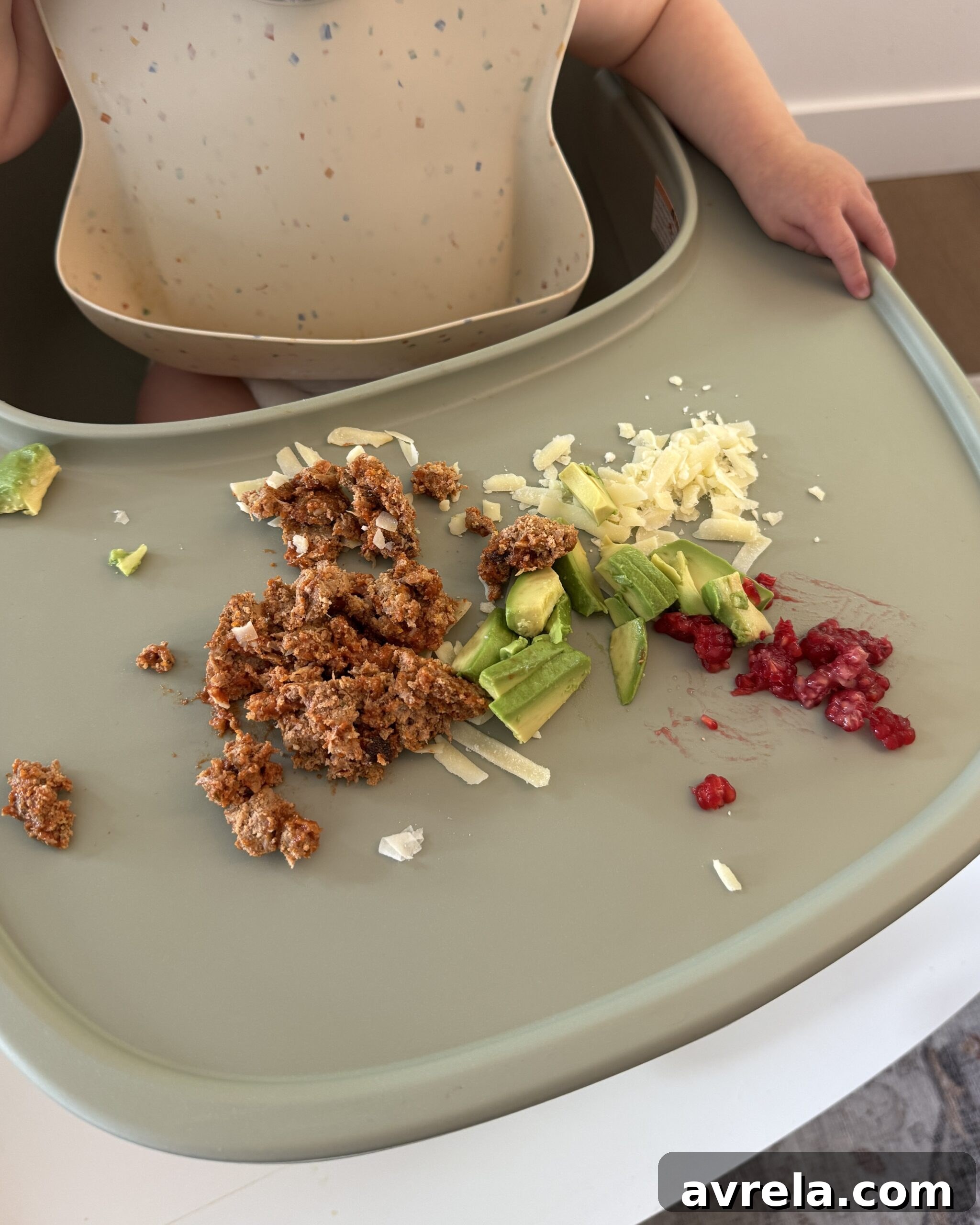
As a registered dietitian and a new mom, watching my son, Hayes, embark on his food discovery journey has undoubtedly become one of my most cherished experiences. It’s a privilege to guide him through the world of flavors and textures, knowing that every bite contributes to his incredible development. Today, I’m excited to share a comprehensive guide on what to feed a 10-month-old, drawing directly from the strategies that have fostered Hayes’s love for wholesome foods and nurtured his thriving appetite. He truly has become a little foodie, eagerly anticipating mealtimes and enjoying a wide variety of nourishing options.
While the journey of preventing picky eating is ongoing, I firmly believe that establishing a foundation of wholesome, real foods from the very beginning has made a profound difference. Our solids journey began at six months, and from day one, my focus has been on simplicity, nutrient density, and a strict avoidance of added sweeteners. Unlike conventional recommendations that often suggest fortified rice cereal as a first food, our path has centered on nutrient-rich alternatives. This approach, rooted in sound nutritional science and personal experience, aims to build healthy eating habits that will last a lifetime.
In this guide, I’ll break down exactly how I structure Hayes’s meals at 10 months old, offering practical and actionable ideas that you can easily adapt for your own little one. Our goal is to empower you with the knowledge and confidence to nourish your baby with the best possible start.
Why the First 1,000 Days Matter Immensely for Your Baby’s Health
The period spanning the first 1,000 days of life – from conception through a child’s second birthday – represents an unparalleled window of opportunity for growth, development, and shaping lifelong health. This critical timeframe is characterized by rapid and profound changes. A baby’s brain develops at an astonishing pace, forming billions of neural connections that lay the groundwork for cognitive function, language acquisition, and emotional regulation. Simultaneously, their vital organs mature, establishing robust immune systems, efficient digestive processes, and balanced metabolic functions. Crucially, it’s also when a child’s foundational relationship with food, including taste preferences and eating habits, begins to form.
Extensive research consistently demonstrates that optimal nutrition during this pivotal window has far-reaching and long-lasting effects. It impacts everything from metabolic health and immune system resilience to cognitive development, academic performance, and even future food preferences (PMC, 2022; Thousand Days; Danone Research). The quality and variety of foods introduced during these early months can significantly influence a child’s susceptibility to chronic diseases later in life, their ability to learn, and their overall well-being.
Understanding this scientific backing is precisely why I’ve been so intentional and mindful about how I feed Hayes. My approach is centered on offering a diverse array of real, nutrient-dense foods, ensuring mealtimes are enjoyable and stress-free experiences. While striving for perfection can be overwhelming – and believe me, our mealtimes are far from flawless – establishing a strong nutritional foundation during this early season provides immense benefits. It empowers a child’s body and mind, helping to shape healthy eating habits and fostering a positive association with food that can last for years to come. It brings me immense pride and peace of mind knowing that the healthy options I provide are actively contributing to his little body’s long-term health and vitality.
What to Feed a 10-Month-Old: A Holistic Approach to Infant Nutrition
Navigating the world of infant feeding can feel overwhelming with conflicting advice, but my strategy for a 10-month-old is designed to be straightforward, sustainable, and highly effective. Here’s a detailed look at my approach, focusing on key nutritional pillars and practical implementation:
1. Emphasize Whole, Unprocessed Foods for Optimal Growth
At 10 months, babies are capable of enjoying a wide array of whole foods, and this is where the primary focus of their diet should lie. Whole foods are minimally processed, retaining their natural nutrient profiles, fiber, and beneficial compounds. They expose babies to natural flavors and textures, reducing the likelihood of developing a preference for artificial or overly sweet tastes. My kitchen routine often involves steaming or roasting large batches of vegetables like broccoli, cauliflower, carrots, and sweet potatoes at the start of the week. These can be easily mashed, pureed, or cut into soft, manageable pieces for Hayes. Freezing portions in individual servings is a lifesaver for busy days, ensuring a quick, healthy component is always on hand.
A crucial aspect of our feeding philosophy is including Hayes in family mealtimes whenever possible. Eating alongside us at the table isn’t just fun; it’s a powerful educational tool. He observes how we eat, experiences a wider range of foods, and develops social skills around the dinner table. This exposure to diverse textures and aromas from our shared meals helps normalize a varied diet and can be instrumental in preventing picky eating behaviors later on. By consistently offering whole, real foods, we provide his developing body with the essential building blocks it needs while nurturing a positive and adventurous relationship with food.
2. Prioritize Healthy Fats and High-Quality Proteins for Rapid Development
For a 10-month-old, healthy fats and proteins are not just important; they are absolutely essential for their explosive growth and rapid development. These macronutrients are critical for brain development, supporting the myelination process that insulates nerve fibers and speeds up neural communication. They also contribute to a healthy nervous system, robust hormone production, a stable metabolism, and consistent physical growth. Babies’ bodies are working overtime to build muscle tissue, strengthen their immune systems, and lay the foundation for optimal brain and vision health. High-quality proteins and healthy fats are absolutely key to supporting all these intricate processes.
- Proteins provide the essential amino acids necessary for cellular repair, muscle development, and the production of enzymes and hormones. They are fundamental for every tissue in a baby’s body.
- Healthy fats are crucial for brain maturation, vision development, and, importantly, the absorption of fat-soluble vitamins (A, D, E, and K), which play vital roles in immunity, bone health, and vision.
I ensure that every single one of Hayes’s meals includes both a source of high-quality protein and healthy fats. My approach mirrors how I build my own plate: with a strong emphasis on protein, healthy fats, and fiber. Here are some examples of what we incorporate:
- Healthy Fats:
- Generous avocado slices (a staple for most meals due to its creamy texture and healthy monounsaturated fats).
- A drizzle of organic extra virgin olive oil over steamed vegetables or purees.
- Cooking eggs or vegetables in grass-fed ghee (clarified butter, rich in beneficial fatty acids).
- Full-fat unsweetened coconut milk in smoothies or puddings.
- Nut butters (ensure they are smooth and free of added sugars and salt).
- Proteins:
- Pasture-raised scrambled eggs, often with a spoonful of smooth peanut butter mixed in (a great way to introduce allergens safely, if cleared by a pediatrician).
- Grass-fed ground beef meatballs, softened and cut into tiny pieces.
- Wild Planet’s no-salt-added sardines (after carefully removing any bones) and wild-caught tuna (their line-caught option is excellent), rich in Omega-3 fatty acids.
- Grass-fed sharp cheddar cheese, cut into thick, easy-to-grasp pieces (Hayes loves this!).
- Organic chicken, turkey, or pork, finely shredded or minced.
- Lentils and beans, well-cooked and mashed.
For convenience, especially when we’re on the go, Serenity Kids pouches have become a game-changer. I appreciate that these pouches offer a substantial 5g of protein and 5g of fat per serving. Many other baby food pouches on the market tend to be fruit-heavy and sugary, lacking the essential macronutrients needed to balance blood sugar and provide sustained energy. With Serenity Kids, I have peace of mind knowing that Hayes is getting quality nutrition that actively supports his growth and development, whether we’re at home or out and about.
When selecting healthy fats, I pay particular attention to quality. For instance, extra virgin olive oil (EVOO) is a staple for its benefits in supporting brain health, digestion, and nutrient absorption. When purchasing EVOO, look for labels indicating “cold-pressed” and “single-origin” to ensure the highest quality and purity. A dark-tinted bottle is another excellent indicator of high-quality EVOO, as it helps protect the oil from light exposure, which can cause oxidation and degrade its beneficial nutrients and delicate flavor. I’ve been particularly impressed with Thrive Market’s organic extra virgin olive oil. If you’re considering trying Thrive Market for your healthy grocery needs, you can click here for an exclusive offer of 40% off your first order, making it easier to stock up on premium ingredients for your family.
3. Vigilant Monitoring of Sodium Intake for Kidney Health
Before the age of 12 months, a baby’s kidneys are still developing and are not yet fully equipped to efficiently process large amounts of sodium. High sodium intake can place an unnecessary strain on their delicate systems and, over time, potentially contribute to health issues. Therefore, I am meticulous about keeping Hayes’s sodium intake to a minimum. The general recommendation for babies under 12 months is to consume less than 1 gram of salt per day, which is equivalent to approximately 400 mg of sodium. This often means being very selective about ingredients.
I always opt for low- or no-added-salt versions of foods like canned sardines, tuna, and even broths when preparing stews, pureed soups, or cooking grains. It’s important to read labels carefully, as many processed foods designed for adults can contain surprisingly high levels of sodium. Instead of salt, I rely on a variety of herbs and mild spices to introduce diverse flavors without compromising his kidney health. Think a pinch of turmeric, a dash of cinnamon, or fresh herbs like parsley and cilantro. This not only keeps sodium levels in check but also expands his palate to a wider range of natural tastes.
4. Incorporate Antioxidant-Rich Fruits with Prudence
Fruits are a wonderful addition to a baby’s diet, offering natural sweetness, essential vitamins, fiber, and valuable antioxidants. For fruits, I typically lean towards organic berries, such as blueberries and raspberries, which are packed with antioxidants that support immune health and overall cellular protection. Hayes has developed an amusing obsession with oranges, a fruit that coincidentally was my most intense pregnancy craving during my third trimester. He absolutely loves them, and I’m happy to offer them in small, soft pieces.
However, it’s crucial to approach fruit introduction with balance. I consciously avoid overloading his diet with fruit or leading with overly sugary carbohydrate-rich foods. While fruits are healthy, their natural sugars can lead to blood sugar spikes if consumed in large quantities without accompanying fats or proteins. My philosophy is to integrate fruits as a complement to a protein and healthy fat-rich diet, rather than making them the main component. This approach is consistent with how I build my own meals and what I recommend to my clients as a dietitian.
Safety is paramount, so I always chop fruits into very small, manageable pieces and ensure they are soft enough for him to chew and swallow easily with his five emerging teeth. For produce, I aim to buy organic whenever possible. When organic options are unavailable or out of season, I refer to the Environmental Working Group’s (EWG) Dirty Dozen list for 2025. This list highlights fruits and vegetables that tend to have the highest pesticide residues, guiding me on which conventional produce to minimize or avoid when organic alternatives aren’t feasible. Conversely, the “Clean Fifteen” list helps identify conventionally grown produce with lower pesticide levels. For reference, the 2025 Dirty Dozen list, in order of highest pesticide content, includes strawberries, spinach, kale (including collard and mustard greens), grapes, peaches, pears, nectarines, apples, bell peppers and hot peppers, cherries, blueberries, and green beans. Being mindful of these lists helps me make informed and healthier choices for Hayes.
5. Construct Balanced Plates for Both Meals and Snacks to Sustain Energy
The principle of building a balanced plate extends beyond main meals; it’s equally important for snacks. Even for Hayes’s smaller eating opportunities, I make a conscious effort to include a source of healthy fats or protein alongside carbohydrates. This strategy is critical for several reasons: pairing fats and proteins with carbohydrates helps to keep blood sugar levels stable, preventing the sharp spikes and subsequent crashes that can occur when carbohydrates (especially sugary fruits) are consumed alone. Stable blood sugar translates to sustained energy, which is incredibly important for growing babies who are constantly on the move, exploring, and undergoing rapid cognitive and physical development.
Here are some examples of balanced snack combinations we use:
- Half of a nutrient-dense Serenity Kids meat pouch paired with a few pieces of soft fruit.
- Roasted sweet potato cubes alongside several pieces of mashed or sliced avocado.
- Creamy roasted butternut squash puree blended with organic bone broth and a dollop of ghee for added fats and nutrients.
- Small, finely shredded pieces of grass-fed beef or organic turkey meatballs with a sprinkle of shredded sharp cheddar cheese.
- Unflavored, plain full-fat Greek yogurt (a great source of protein and probiotics) mixed with a spoon of natural peanut butter and small, roasted zucchini pieces. For the zucchini, I peel them, dice them, lightly spray with ghee or avocado oil, add a pinch of mild herbs (like dill or oregano), and roast in the oven at 400 degrees Fahrenheit for about 10-12 minutes until tender.
- Simple and delicious coconut chia pudding: blend a can of full-fat unsweetened coconut milk until smooth, then stir in 2 tablespoons of chia seeds. Let it thicken in the fridge, then serve as a pudding or in a silicone pouch.
- Flakes of wild-caught salmon (rich in Omega-3s) mixed with mashed avocado and a sprinkle of hemp seeds for extra healthy fats and minerals.
This deliberate pairing of fats and proteins with carbohydrates is fundamental for maintaining more stable blood sugar, promoting sustained energy levels throughout the day, and avoiding the dreaded “sugar crash” that can often follow a fruit-only snack. While balanced blood sugar is beneficial for everyone, it is especially crucial for babies, whose blood sugar regulation systems are still maturing and are therefore more sensitive to rapid fluctuations. By prioritizing these balanced options, we support their energy, mood, and optimal development.
Example Daily Meal Plan for Your 10-Month-Old
At 10 months, Hayes typically enjoys 2-3 main meals each day, supplemented by one or two snacks, depending on his schedule, activity level, and appetite. He continues to drink breast milk or formula at the same frequency as he did around 6 months, but over the past month, his interest and appetite for solid foods have noticeably increased. This is a common and exciting phase where solids truly become a significant part of their caloric intake. Here’s a detailed glimpse into what a typical day of eating might look like for him, providing practical inspiration for your baby’s meals:
- Breakfast (often with milk feed):
- Small bowl of unsweetened, whole-milk plain yogurt mixed with a spoon of organic pumpkin puree and a pinch of cinnamon.
- A few pieces of soft, cooked whole-grain pasta (e.g., rotini) tossed with a tiny bit of pesto (ensure no added salt or cheese for babies under 12 months) and finely grated zucchini.
- Lunch:
- Two pasture-raised scrambled eggs, cooked in grass-fed ghee, drizzled with a touch of extra virgin olive oil for healthy fats.
- A generous spoon of smooth natural peanut butter (ensuring no added sugar or salt).
- A quarter of a large, ripe avocado, sliced into soft, manageable strips.
- About 5-6 organic raspberries, cut into halves or quarters.
- Dinner:
- Two small grass-fed ground beef meatballs, gently mashed to a soft consistency, mixed with finely chopped and sautéed broccolini florets (cooked in ghee until very tender). Hayes usually enjoys picking off the florets.
- A small handful of shredded grass-fed sharp cheddar cheese.
- One or two chopped organic strawberries or a small piece of ripe watermelon, cut into tiny, safe pieces.
- Snack (mid-morning or afternoon, as needed):
- A Serenity Kids beef and kale pouch, offering a good balance of protein and fat.
- A few slices of a peeled organic orange, ensuring all membranes are removed and cut into small pieces.
- Alternatively, a couple of roasted sweet potato sticks with a smear of almond butter.
I also frequently add a little extra virgin olive oil over his cooked vegetables or purees. It’s an incredibly easy way to boost the healthy fat content and nutrient absorption, which is so beneficial for growing babies’ brains and bodies.
Streamlining Mealtime with Mini Food Prep Sessions
To make healthy feeding sustainable, mini food prep sessions are invaluable. Each week or two, I dedicate a little time to prepare a batch of steamed, pureed, or roasted vegetables for Hayes. This includes staples like butternut squash and sweet potato, which he absolutely adores. After cooking, I blend these with a few tablespoons of grass-fed ghee, a drizzle of extra virgin olive oil, and some organic bone broth. The bone broth not only helps to smooth the consistency but also adds gut-healing nutrients and flavor. The resulting flavor profile is so rich and delicious, I confess, I could happily drink it myself!
For efficient preparation, I highly recommend a baby food maker that steams and blends all in one unit. It significantly cuts down on equipment and cleanup, making the process much simpler.
For storage, I prefer using durable glass jars for fridge storage, pairing them with convenient dissolvable labels to easily track contents and dates. For on-the-go snacks or thicker purees, these reusable silicone pouches are perfect for Hayes to self-feed. They are sturdy, easy to clean, and work wonderfully for busy days.
Another incredibly nutrient-dense food I’ve recently introduced and integrated into our rotation is grass-fed liver. Often overlooked, liver is a powerhouse of essential nutrients, incredibly rich in highly bioavailable iron (crucial for preventing anemia in babies), vitamin A (vital for vision and immune function), choline (critical for brain development), and a full spectrum of B vitamins (essential for energy production and overall neurological health). I keep the preparation simple: I gently cook a small piece of liver in a pan without any seasonings. Meanwhile, I steam a sweet potato in the baby food maker. Once both are cooked and tender, I combine small pieces of the liver with the sweet potato and pulse everything together until it reaches a smooth, palatable consistency. Hayes absolutely devours it, confirming his role as our little foodie!
After preparing, I store a portion in a glass jar in the fridge for immediate use and freeze the remaining purée in individual servings. This allows me to easily pull out a nutrient-rich meal component every other week, ensuring a consistent supply of these vital nutrients without daily preparation. This simple method makes it surprisingly easy to incorporate one of nature’s most potent superfoods into his diet.
If you’re looking for an extremely easy, quick, and satisfying option that’s rich in healthy fats and fiber, my go-to lately is coconut chia pudding. It requires minimal effort and is a guaranteed hit. Simply blend a can of full-fat unsweetened coconut milk until it’s perfectly smooth and creamy. Then, stir in 2 tablespoons of chia seeds. Pour the mixture into two of your preferred silicone pouches (and don’t hesitate to enjoy the remaining few spoonfuls yourself – it’s that good!). Place them in the fridge to thicken, and within a couple of hours, you’ll have a delightful, nutrient-packed pudding. Hayes goes nuts for this, too, making it a regular and much-loved part of his snack repertoire.
Beyond the Plate: Extra Tips for Nurturing a Healthy Eater at 10 Months
Feeding a 10-month-old is about more than just the food itself; it’s about creating a positive and supportive environment that fosters a healthy relationship with eating. Here are some additional tips that have been invaluable in our journey:
- Safe and Manageable Pieces: Always serve food in appropriate sizes and textures. With Hayes’s five teeth, I ensure everything is cut into small, soft pieces that he can easily manage, minimizing any choking hazards. Avoid hard, round, or sticky foods.
- Eat Together (When Possible): While it doesn’t always happen, I strive to eat with Hayes at the same time. Babies are incredible imitators, and modeling healthy eating habits by sharing a meal is one of the most powerful tools for encouraging them to try new foods and enjoy mealtimes.
- Offer Variety and Rotate Foods: Exposure is key! I consistently rotate different foods, flavors, colors, and textures. This broadens his palate, ensures he receives a wide range of nutrients, and helps prevent boredom or developing strong aversions to specific foods. Don’t give up if a food is initially rejected; it can take multiple exposures before a baby accepts a new taste.
- Practice Responsive Feeding: Pay attention to your baby’s hunger and fullness cues. I never stress about him finishing everything on his plate. The goal is to provide numerous opportunities for him to explore and enjoy food at his own pace. Avoid force-feeding or pressuring your baby to eat more than they desire. Trust that your baby knows how much food their body needs.
- Create a Positive Mealtime Environment: Make mealtimes enjoyable, calm, and free from distractions. Turn off screens, engage in conversation (even if it’s just narrating what they’re eating), and celebrate their attempts to self-feed, no matter how messy. A positive atmosphere encourages a lifelong love of food.
- Allow for Mess: Babies learn by exploring with all their senses, and that includes touch. Expect and embrace the mess! It’s an essential part of their sensory development and helps them become more comfortable with different food textures. Using a splat mat under the high chair can help with cleanup.
- Hydration: Offer small sips of water in an open cup or straw cup during meals. While breast milk or formula remains their primary fluid source, introducing water helps with digestion and prepares them for future hydration habits.
Ready to Empower Your Baby’s Nutritional Journey?
Whether you’re just starting solids or seeking more comprehensive ideas on what to feed a 10-month-old, the wealth of information and resources available can help you confidently navigate this exciting phase. You’re giving your little one the best start!
For more curated product recommendations and tools that simplify healthy feeding, browse my Babies – Food & Eating folder on my Amazon Storefront. If you’re at the very beginning of your solids journey, be sure to read my detailed post, Introducing Solids to My Baby, which shares our initial experiences and foundational tips. And for even more delicious and healthy recipe inspiration that the entire family will love, check out my cookbook, Rachael’s Good Eats!
Wishing you and your little foodie joyful and nourishing mealtimes!
Sources:
- PMC: Early Nutrition and Long-Term Health
- Thousand Days: Why Nutrition in the First 1,000 Days Matters
- Danone Research: The First 1000 Days