
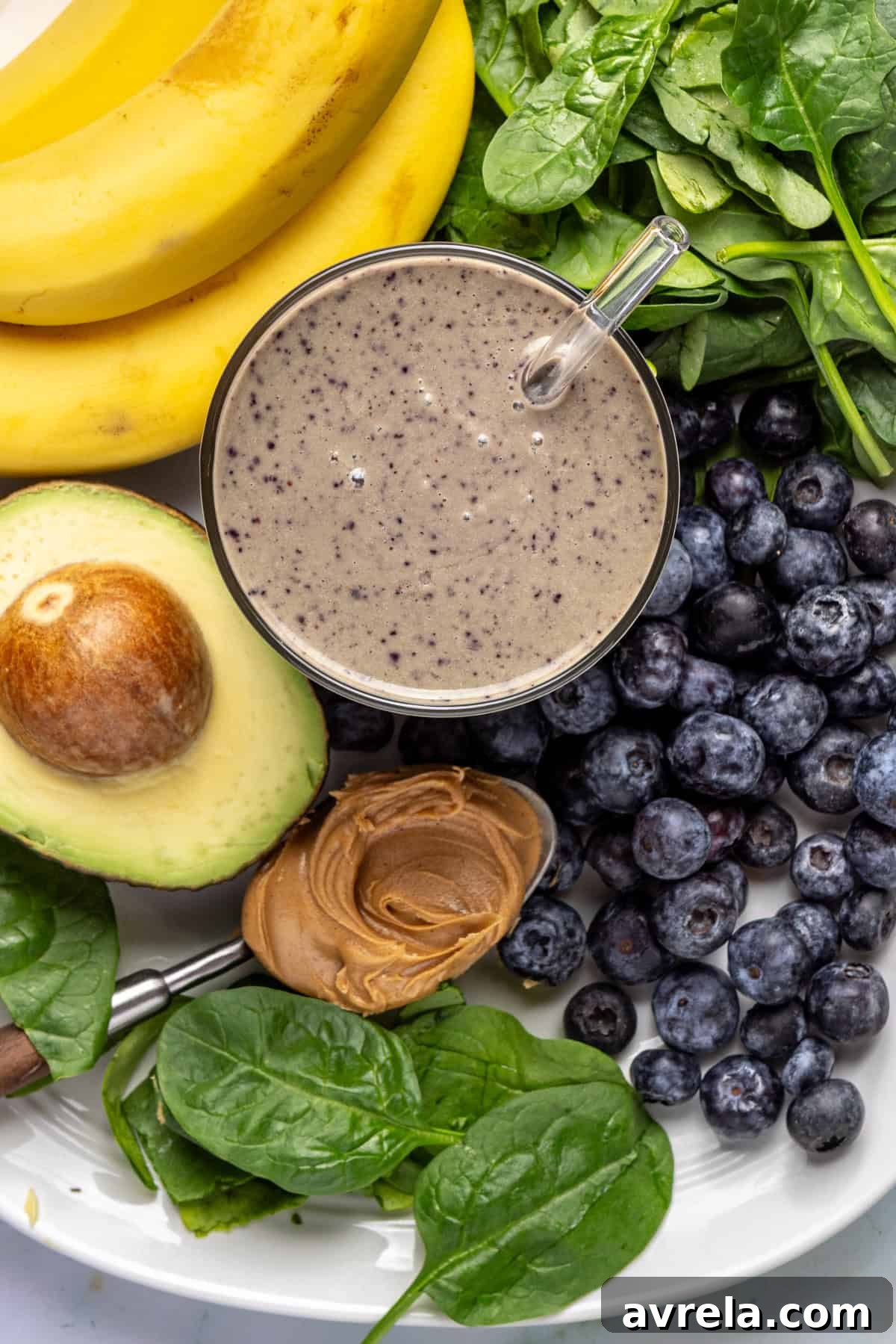
In a world often focused on complex diets and restrictive eating, the simple power of fiber is sometimes overlooked. Yet, if you’re looking to significantly boost your overall health, learning how to eat more fiber is one of the most impactful changes you can make. The good news? You don’t need a complete dietary overhaul or a daily diet consisting solely of salads. Instead, integrating fiber can be surprisingly simple, requiring just a few strategic, super easy tweaks to the meals you already know and love. These small additions can dramatically elevate your fiber intake, enhancing your nutrition without compromising on taste, protein content, or the convenience your busy life demands.
Fiber is an unsung hero in our diet, performing a wide array of vital functions. It’s crucial for optimal digestion, nurturing a thriving gut microbiome, stabilizing blood sugar levels, and promoting a lasting sense of satiety that keeps hunger at bay. Despite its profound benefits, a significant portion of the population falls short of the recommended daily fiber intake, typically between 25-38 grams for adults. This “fiber gap” contributes to various health issues, from digestive discomfort to energy fluctuations and even chronic diseases. But imagine if increasing your fiber intake was as effortless as enhancing your favorite foods – it truly can be. This guide will reveal straightforward, effective strategies to weave more fiber into your daily routine, transforming your health one delicious bite at a time, making healthy eating both easy and enjoyable.
The High-Protein + Fiber Duo: Your Ultimate Nutrition Powerhouse for Sustained Energy
While fiber is a nutritional superstar on its own, its benefits are profoundly amplified when paired with another essential macronutrient: high-quality protein. This powerful combination is at the very heart of my cookbook, The High-Protein Plate, which emphasizes building meals around robust protein sources for optimal health and satisfaction. The secret to maximizing both your satisfaction and your health lies in understanding how protein and fiber work in synergistic harmony. Together, they form an incredible duo that meticulously slows down the digestion process, expertly supports steady blood sugar levels, and ensures you feel profoundly full and genuinely satisfied for hours after your meal. This means fewer cravings, more sustained energy, and a greater sense of control over your eating habits.
Let’s delve deeper into this dynamic partnership. Protein provides the foundational building blocks your body desperately needs for critical functions like muscle repair and growth, the synthesis of hormones, and the maintenance of overall cellular health. It’s the nutrient responsible for keeping your body strong, functional, and metabolically active. Fiber, on the other hand, plays its unique role by adding bulk to your diet, nourishing your gut microbiome (the trillions of beneficial bacteria residing in your digestive system), promoting regular bowel movements, and assisting in the gradual regulation of nutrient absorption. It’s essential for a healthy digestive tract and contributes significantly to long-term well-being, including reducing the risk of heart disease and certain cancers.
When these two elements are intentionally combined, the result is more than just a nutritious meal; it’s a strategic approach to sustained energy and optimal health. Picture a breakfast of creamy Greek yogurt generously topped with vibrant berries – the high-quality protein from the yogurt and the rich fiber from the berries create a breakfast that fuels you efficiently without the typical post-meal crash or sudden hunger pangs. Consider a dinner of flaky salmon alongside a medley of colorful, roasted fibrous vegetables like broccoli and sweet potatoes, or a nutrient-dense smoothie packed with your favorite protein powder and a spoonful of chia seeds. These combinations make it effortlessly easier to meet your daily fiber goals while concurrently prioritizing the vital protein your body requires for muscle maintenance and repair. The outcome is consistently balanced, deeply satisfying meals that empower you with stable energy and mental clarity throughout your entire day, helping you avoid those mid-afternoon slumps and cravings that can derail healthy eating efforts.
1. Effortlessly Boost Fiber: Add Psyllium Husk to Your Daily Routine
If you’re looking for one of the absolute simplest and most effective ways to significantly increase your daily fiber intake, look no further than psyllium husk. This incredible ingredient can be seamlessly integrated into foods you’re likely already enjoying, turning everyday meals into fiber powerhouses. Psyllium husk is renowned as a highly beneficial soluble fiber, meaning it dissolves in water to form a viscous, gel-like substance. This property is what makes it so effective for promoting healthy digestion, softening stool, and supporting a robust gut microbiome. It’s virtually tasteless and blends remarkably easily into a variety of dishes, making it an ideal, discreet fiber enhancer that won’t alter the flavor profile of your favorite foods.
Beyond its direct digestive benefits, psyllium husk offers a valuable advantage for satiety and blood sugar management. When added to liquids or moist foods, it expands and slightly thickens them, creating a more substantial texture that helps you feel fuller for longer periods by slowing down gastric emptying. This makes it an excellent ally in managing appetite, reducing caloric intake, and supporting healthy weight management goals. Furthermore, its ability to slow digestion means glucose is absorbed more gradually into the bloodstream, helping to stabilize blood sugar levels and prevent sharp spikes. I personally use and highly recommend this brand of psyllium husk, which I consistently purchase from Amazon due to its quality, purity, and reliability. When first starting with psyllium husk, it’s generally best to begin with a small amount (e.g., half a teaspoon) and gradually increase as your body adjusts, always ensuring you drink plenty of water throughout the day to support its effectiveness and prevent constipation.
Incorporating psyllium husk into your diet couldn’t be easier. Here are some versatile and delicious ways to use it without even noticing it’s there:
- Supercharge Your Smoothies: Blend a teaspoon or two into your favorite high-protein smoothie. It will subtly thicken your smoothie, making it even more satisfying, rich in texture, and nutrient-dense without changing the flavor.
- Enhance Your Yogurt Bowls: Stir it directly into a creamy Greek yogurt bowl along with fresh fruit, nuts, and a drizzle of honey for an added fiber punch that helps sustain energy and keeps you full until your next meal.
- Boost Overnight Oats: Mix it into your overnight oats recipe before letting them chill. This will contribute to a wonderfully thick, creamy texture and a significant fiber increase, transforming your breakfast into an incredibly wholesome and satisfying meal.
- Baking Innovations: For the more adventurous home bakers, psyllium husk can even be used in some baking recipes, particularly gluten-free ones, to improve texture, act as a binder, and, of course, add a considerable amount of fiber. Always ensure you follow specific recipe instructions for baking applications, as the amounts can vary.
2. Power Up with Chia Seed Pudding: A Delicious Fiber & Nutrient Bomb for Any Time of Day
When it comes to effortlessly boosting your fiber intake, chia seeds stand out as a true nutritional powerhouse. These tiny seeds are incredibly versatile and exceptionally rich in dietary fiber, making them one of the most effective and convenient additions to a health-conscious diet. Just two tablespoons of chia seeds boast an impressive average of around 10 grams of fiber – that’s a significant portion of your daily recommended intake in a single, small serving! Beyond fiber, chia seeds are also packed with beneficial omega-3 fatty acids, quality plant-based protein, and essential minerals like calcium, magnesium, and phosphorus, making them a comprehensive superfood that supports everything from bone health to brain function.
One of the most delightful and easy ways to harness the benefits of chia seeds is by preparing chia seed pudding. This simple concoction transforms the seeds into a creamy, gel-like pudding when soaked in liquid, creating a satisfying and nutrient-dense meal or snack. Chia seed pudding is incredibly adaptable, serving as a perfect option for a quick and nutritious breakfast, a satisfying mid-day snack, or even a wholesome dessert that feels indulgent yet is genuinely good for you. Its mild flavor profile makes it an ideal canvas for various additions like fresh fruits, crunchy nuts or seeds, warm spices, or a drizzle of natural sweetener like maple syrup or honey.
Making chia seed pudding is remarkably straightforward, requiring minimal cooking skills and effort. Simply combine chia seeds with your choice of milk (dairy or plant-based options like almond, oat, or coconut milk work wonderfully), a touch of sweetener if desired, and any flavorings you prefer (vanilla extract, cocoa powder, cinnamon, or fruit puree). Stir the mixture well to prevent clumping, ensuring the seeds are fully submerged. Then, let it sit in the refrigerator for a few hours or, even better, overnight. You’ll wake up to a delicious, fiber-rich meal ready to enjoy, making busy mornings a breeze. A fantastic bonus for parents is that toddlers often adore chia pudding too, making it an excellent and fun way to introduce more fiber, healthy fats, and nutrients into young diets in an appealing format. Experiment with different liquid-to-seed ratios to achieve your preferred consistency, and don’t be afraid to get creative with toppings to make each bowl a unique culinary experience that keeps your taste buds excited.
3. Supercharge Your Meals: Sprinkle Nutrient-Dense Seeds for an Instant Fiber Boost
While chia seeds deserved their own spotlight as a fiber star, they are just one incredible example of the diverse family of seeds that can effortlessly transform your meals into fiber-rich powerhouses. Incorporating various seeds into your diet is arguably one of the simplest and most low-effort ways to significantly elevate your fiber intake, alongside a wealth of other essential nutrients. A mere tablespoon or two of these tiny gems can add a substantial amount of fiber, beneficial healthy fats (including essential omega fatty acids), vital vitamins, and minerals to virtually any dish you’re already preparing, without requiring any complex cooking or laborious preparation. They are a convenient way to boost your daily nutrition without even realizing it.
The beauty of seeds lies in their remarkable versatility and the sheer ease with which they can be integrated into almost any meal or snack. Their subtle crunch and mild, often nutty, flavors complement a wide range of foods, making them a fantastic textural and nutritional addition. Think about sprinkling them generously into your morning Greek yogurt or cottage cheese for a creamy, protein-packed, and fiber-rich start to your day. They are excellent additions to smoothies, providing a thicker consistency and an invisible nutrient boost. Elevate your salads, oatmeal bowls, and even warm soups with a generous scattering of seeds for added texture, a pop of flavor, and an instant nutrient upgrade. They can also be mixed into baked goods like muffins and breads, blended into homemade granola, or even used as a healthy, crunchy coating for chicken or fish to boost both nutrition and flavor profiles.
To ensure you always have quick and convenient fiber-boosting options on hand, here are some high-fiber seeds that are essential pantry staples, each offering unique benefits:
- Ground Flaxseed: Exceptionally rich in omega-3 fatty acids (specifically alpha-linolenic acid, or ALA) and lignans, which are powerful antioxidants. Always opt for ground flaxseed as the whole seeds can pass through your digestive system largely undigested, preventing you from absorbing their full nutritional benefits. It has a mild, slightly nutty flavor and blends seamlessly into many dishes, from smoothies to oatmeal.
- Hemp Seeds (Hemp Hearts): These small, soft seeds are known for being one of the few complete plant-based protein sources, meaning they contain all nine essential amino acids required by the body. They are also rich in omega-3 and omega-6 fatty acids in an optimal ratio, and provide vital minerals like magnesium and zinc. Their delicate, nutty flavor makes them perfect for sprinkling on almost anything, from salads to avocado toast.
- Pumpkin Seeds (Pepitas): A fantastic source of magnesium, zinc, and heart-healthy fats, pumpkin seeds offer a satisfying crunch and a boost of plant-based protein. They are particularly good in salads, roasted vegetable dishes, trail mixes, or as a standalone snack. Their slightly earthy flavor is distinct and adds a delicious dimension to meals.
Each of these seeds brings its unique nutritional profile to the table, making it beneficial to rotate and enjoy a variety. By simply making these seeds a regular part of your culinary routine, you’ll be effortlessly increasing your fiber, healthy fats, and micronutrient intake, contributing significantly to your overall well-being and making your meals more satisfying and nutritious.
4. Harness the Power of Pulses: Incorporate More Beans into Your Diet
When we talk about foods that are truly powerful and delicious for significantly increasing your fiber intake, beans (and other legumes like lentils and chickpeas) absolutely top the list. These humble plant-based powerhouses are not only incredibly rich in both soluble and insoluble fiber but also provide a substantial amount of plant-based protein, complex carbohydrates for sustained energy, and a wide array of essential vitamins and minerals, including iron, folate, potassium, and magnesium. Despite their incredible nutritional profile and affordability, many people underestimate just how easy it is to incorporate more beans into their everyday meals with very little extra effort – trust me, it’s far simpler than you think and can revolutionize your weekly meal planning!
One common concern people have about beans is potential digestive discomfort or bloating. To mitigate this, especially if you’re new to a high-bean diet, start with smaller portions and gradually increase your intake over time as your body adjusts. Rinsing canned beans thoroughly before use can also help reduce gas-producing compounds. Soaking and thoroughly cooking dried beans can have a similar effect. The culinary versatility of beans means there’s a type and a method for almost every taste and dish, making them an economical, nutrient-dense, and sustainable choice for boosting your diet while being kind to your wallet and the planet.
Here are some incredibly easy and practical ideas for adding various types of beans to your meals, effortlessly enhancing their nutritional value:
- White Beans for Creaminess and Fiber: Add a can of rinsed cannellini or navy beans to your favorite hearty soups (like a robust minestrone, kale and sausage soup, or a creamy vegetable medley) during the last 15 minutes of cooking. Their soft texture also means they blend beautifully into pasta sauces, creating a creamier, richer texture and boosting the nutritional content without relying on heavy cream. They can also be mashed and mixed with herbs for a quick spread.
- Lentils for Quick & Nutrient-Dense Meals: Lentils are fantastic because they cook quickly (often in 20-30 minutes) and don’t require pre-soaking, making them perfect for last-minute meal additions. Toss cooked brown or green lentils into grain bowls, alongside roasted vegetables, or mix them into salads for an immediate protein and fiber boost. Red lentils are excellent for thickening soups and stews, practically dissolving to create a rich, comforting base.
- Black Beans for Tex-Mex Favorites: Mix rinsed black beans directly into taco meat, burritos, quesadillas, or enchiladas for added volume, fiber, and nutrients. They are also incredibly delicious in vibrant salads, fresh salsas, and as a hearty side dish to grilled chicken or fish. For an exceptional convenience, the Siete refried beans are truly amazing and make an effortless, fiber-rich addition to any meal, saving you time without sacrificing flavor or nutrition.
- Chickpeas for Roasting and Beyond: Roast chickpeas with your favorite spices (paprika, cumin, garlic powder) for a crunchy, high-fiber snack or a delicious, protein-rich topping for salads and grain bowls. They’re also the star ingredient in homemade hummus, which can be a versatile dip or spread for sandwiches and wraps. Add them whole to roasted vegetable dishes for extra texture and nutritional heft, or simmer them in curries and stews.
By regularly incorporating a variety of these versatile legumes into your cooking, you’ll not only significantly boost your fiber intake but also enrich your meals with essential plant-based protein and a spectrum of micronutrients, contributing to a more balanced, satisfying, and health-supportive diet. Experiment with different types and preparation methods to discover your new favorite fiber heroes!
5. Sweet & Smart: Add Berries for a Delicious Fiber and Antioxidant Boost
For those who love a touch of natural sweetness in their diet, adding fruit – and especially vibrant berries – offers perhaps the most delicious, visually appealing, and enjoyable way to significantly increase your fiber intake. But berries are more than just tasty; they are also nutritional powerhouses, abundantly rich in antioxidants, essential vitamins (like Vitamin C and K), and vital minerals that contribute to overall health and tirelessly protect your cells from oxidative damage. Incorporating a generous serving of berries into your breakfast or simply grabbing a handful as a convenient snack can make a substantial difference in meeting your daily fiber goals with minimal effort and maximum enjoyment, adding a burst of flavor to your day.
The convenience of berries makes them an ideal choice for any busy lifestyle. Whether fresh or frozen, they are always ready to be enjoyed, requiring no peeling or extensive preparation. Frozen berries are particularly convenient for smoothies, as they add wonderful thickness and a refreshing chill, eliminating the need for ice. They also maintain their nutritional value remarkably well, making them a pantry staple year-round and ensuring you always have access to this healthy option. Beyond their impressive fiber content, the diverse array of colors in berries (from deep reds to vibrant purples) indicates a rich and varied profile of anthocyanins and other powerful plant compounds. Each of these contributes to different health benefits, from supporting cognitive function and memory to promoting heart health and reducing inflammation throughout the body.
To maximize your fiber and antioxidant intake through berries, consider these versatile and delightful applications throughout your day:
- Breakfast Bowls: Lavishly top your morning Greek yogurt, cottage cheese, oatmeal, or whole-grain cereal with a generous serving of mixed berries. The natural sweetness beautifully complements the creamy textures, creating a perfectly balanced and satisfying start to your day that keeps you full and energized.
- Smoothie Enhancers: Blend fresh or frozen berries into any smoothie recipe. They add natural sweetness, a beautiful color, and a significant fiber boost, making your drink both delicious, more filling, and packed with nutrients. Frozen berries are particularly excellent for creating a thick, ice-cream-like consistency.
- Effortless Snacks: Keep a bowl of fresh berries on hand in your refrigerator for an easy, refreshing, and guilt-free snack whenever hunger strikes. A handful of raspberries or blackberries can quickly curb cravings and provide a nutrient-dense treat that satisfies your sweet tooth.
- Dessert Upgrades: Pair berries with a dollop of whipped cream (or coconut cream for a dairy-free option), a sprinkle of chopped nuts, or a handful of dark chocolate chips for a healthier, fiber-rich dessert alternative that feels indulgent without being overly sugary.
While many fruits contain beneficial fiber, some berries truly stand out for their exceptional fiber content, making them fantastic choices to prioritize in your diet:
- Raspberries: Among the highest in fiber, offering an impressive approximately 8 grams per cup. They are also incredibly rich in Vitamin C, manganese, and powerful antioxidants.
- Blackberries: Provide around 8 grams of fiber per cup, along with a good dose of Vitamin C, Vitamin K, and anthocyanins.
- Blueberries: While slightly lower in fiber than raspberries and blackberries (about 4 grams per cup), they are renowned for being packed with antioxidants, particularly flavonoids, and remain an excellent choice for brain health and overall vitality.
Don’t limit yourself to just these; strawberries, cranberries, and even goji berries also offer valuable fiber and nutrients. By making berries a regular and delightful part of your diet, you’re not just adding fiber; you’re infusing your meals with vibrant flavors, essential vitamins, and powerful antioxidants, all contributing to a healthier, more energized, and more resilient you, making healthy eating a true pleasure.