
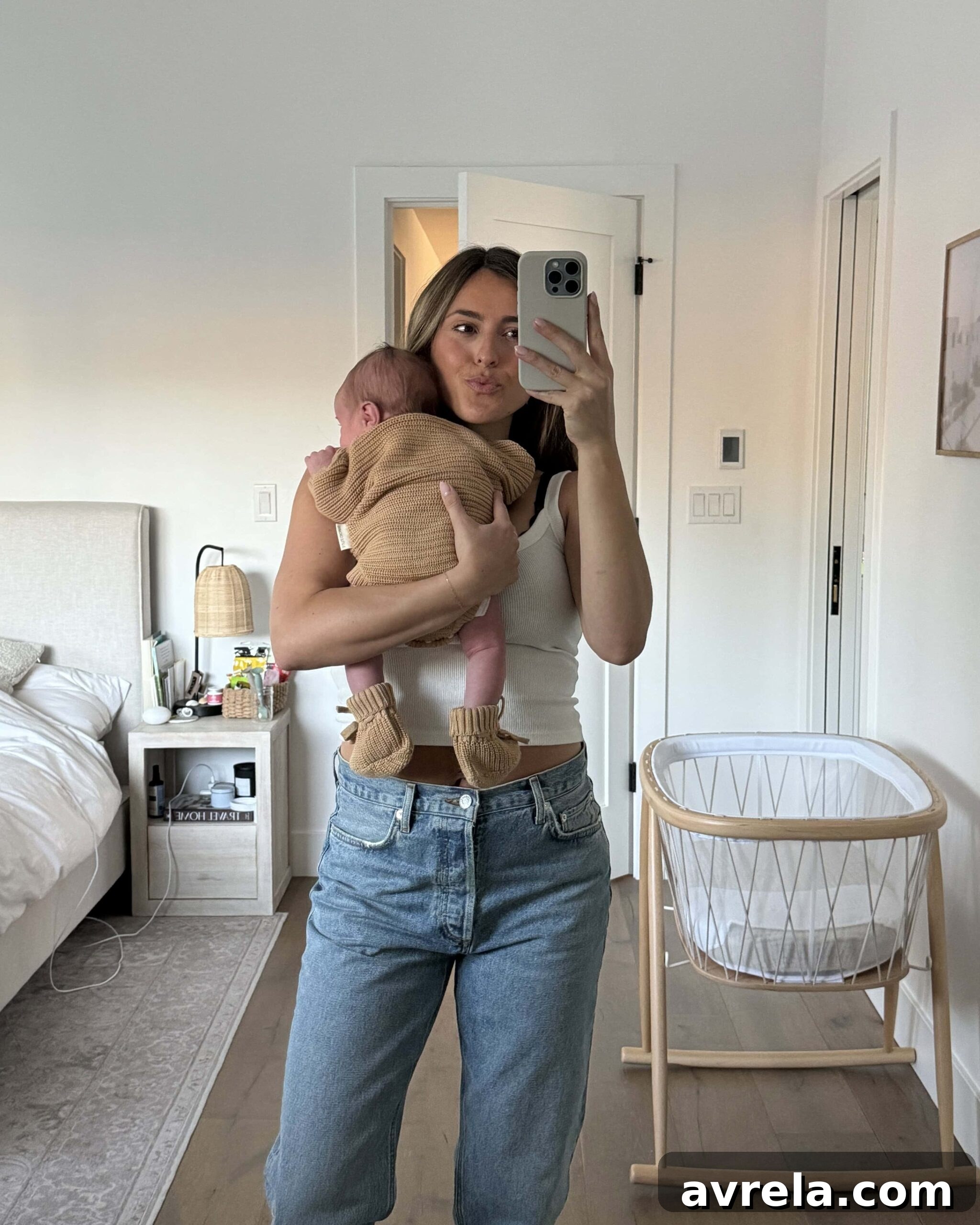
I finally stopped breastfeeding this month. Exclusively pumping is not for the faint of heart, and after nine months of doing it, I’m more than ready to retire my pump. Hayes is nine months and a couple of weeks old. It feels wild to celebrate being done, but mentally and physically I was so over it by the end. It almost feels rebellious to say it out loud, but it’s liberating to have my body — and my breasts — back to myself. I’m incredibly proud of myself for making it this far, especially since I’ve been exclusively pumping for the last few months.
Breastfeeding is an emotional rollercoaster, and if you’re in it, you know. Here’s my honest breastfeeding story after nine months: the messy moments, the wins, and the lessons I learned. I hope it helps other parents feel less alone through the ups and downs.
Starting My Breastfeeding Journey
When Hayes was born, I knew I wanted to breastfeed, but I didn’t set a firm end goal. I’d heard so many different stories about how long moms breastfeed for various reasons, and I didn’t want to set myself up for disappointment. Still, nothing fully prepares you for the mom guilt — it sneaks up on you and can be intense.

Building a Freezer Stash and Why Hayes Didn’t Exclusively Nurse
Hayes latched well from the beginning, and I was producing a lot of milk. I even started a freezer stash early and added an extra pump session at week five to keep building it. But Hayes had preferences. Some days he simply didn’t want to nurse — if he was too hungry or fussy, he sometimes refused. It was frustrating at first, and it took time to accept that every baby is different. Some babies need to nurse to fall asleep or for comfort, while others prefer bottles or other soothing methods. Eventually I adapted to what worked for him.
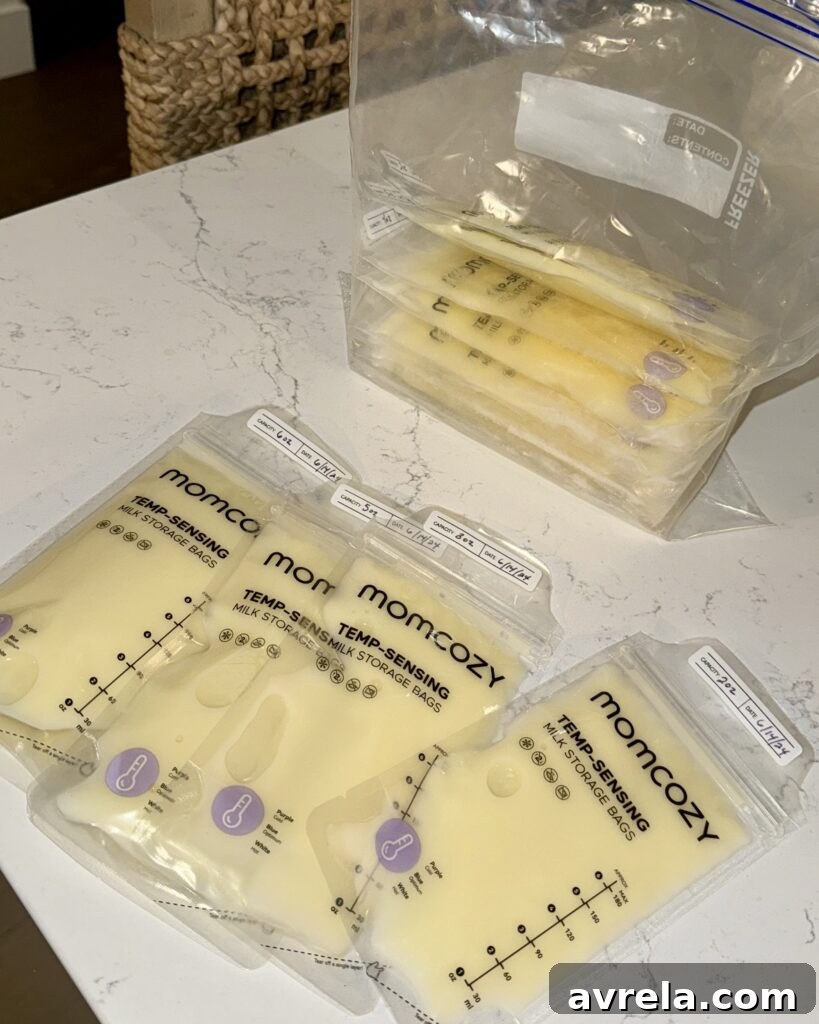
We introduced bottles early because we wanted partners and caregivers to help with feeding. That choice paid off: when Hayes was particular about nursing, I could offer pumped milk in a bottle without stress.
Challenges with Letdown and High-Lipase Milk
By weeks seven and eight I was pumping three times a day in addition to nursing. At week ten a lactation consultant told me I had a very fast letdown — basically a firehose — which helped explain why nursing wasn’t always comfortable or successful. She recommended hand-pumping before nursing to release some pressure.
Around the same time I learned I had high-lipase milk, which caused my frozen stash to develop an off, soapy or metallic taste. Hayes refused that milk, and honestly I don’t blame him. It was heartbreaking to discover after I had built up so much frozen supply. I eventually learned how to address high lipase, but finding out my stash had been affected was tough.
When Feeding Became a Full-Time Job
By month four, Hayes was eating so much my supply struggled to keep up. I pumped five to seven times a day, nursed a few times, and kept a small stash in the fridge for daytime bottles. I tracked everything in my phone — feedings, sleep, output — and that habit became invaluable. My top tip for new parents is to write things down: you’ll forget details quickly, and records help in so many ways.
Month five was especially challenging. Hayes got his first tooth and started biting while nursing. He bit hard multiple times, and nursing became unpredictable. I was pumping up to nine times a day and emotionally drained. I seriously considered adding formula because my body couldn’t sustain the 40 ounces a day he sometimes required. My partner was supportive, and the outpouring of messages from other moms when I shared my struggle made me feel seen. Many said introducing formula lifted a huge weight off their shoulders.
After many tears and internal debate, I introduced formula at the end of month five. It felt heavy at first, but once we added a few ounces of formula to his daily bottles and kept my breastmilk for most feeds, the relief was immediate. The added calories made a real difference, and my stress dropped considerably.
Choosing the Right Formula
Choosing formula can be overwhelming and sometimes requires trial and error. Some parents prioritize ingredients, tolerances, or preferences, and babies can be picky. We selected a formula that aligned with our priorities, and it worked for us. Be prepared: you might need to try a few options before finding the right fit.
The Gradual Weaning Process
Starting around month six, Hayes began to naturally wean himself. He went from nursing once each evening to every few days and then stopped. I followed his lead and also reduced pumping gradually: five to six pumps in month six, four to five in month seven, two to three in month eight, and down to a single nightly pump by month nine.
Gradual weaning helped my body adjust without painful engorgement or clogged ducts. For pumping, spacing sessions further apart signaled my body to produce less milk. Dropping one session every couple of weeks allowed my supply to taper naturally. Hormonal changes did affect my mood — I noticed the biggest shift when I went from three pumps to two — so expect emotional variation and give yourself grace.

Letting Go of Pumping
Eventually I knew it was time to stop. Each time I dropped a pump session I reclaimed a little more of my day and felt lighter. By the time I was down to one nightly pump, those sessions felt awful — uncomfortable, tedious, and something I dreaded. When that final session only gave me a single ounce, I knew my body was done.
The day after I stopped, the guilt hit hard. I felt a storm of emotions deciding to close this chapter. Still, the pride of having made it nine months outweighed the guilt. Exclusively pumping is hard, and sticking with it for as long as I did felt like a major achievement.
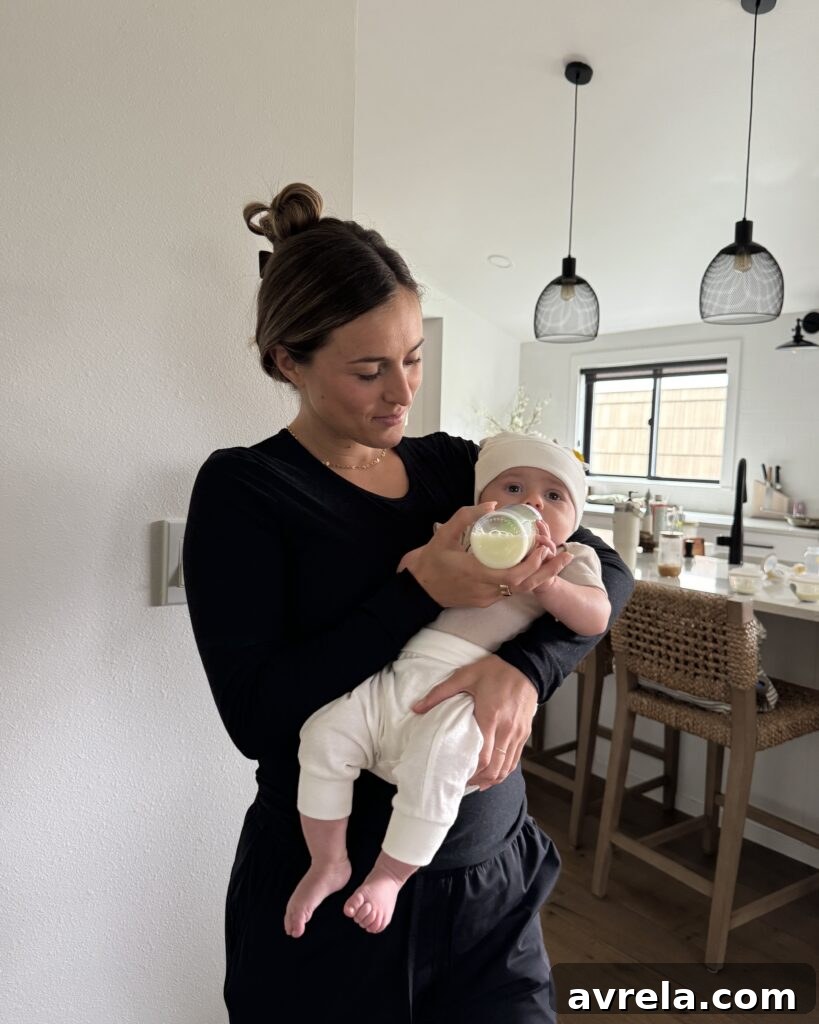
I’m now using my remaining freezer stash by mixing a few ounces into one bottle a day until it’s gone. Even small amounts of breastmilk contribute beneficial nutrients for a baby’s gut health. Hayes is eating more solids and continuing his bottle routine until his first birthday, at which point we’ll reassess.
9 Things I Learned After 9 Months of Breastfeeding
- You can’t fully prepare for the emotional ride. Every month brings new challenges. Some days you’ll feel invincible, and other days you’ll cry. Both are normal.
- Try not to pressure yourself (even though it’s tough). Mom guilt is real, but whether you breastfeed for a day or a year, you’re doing an amazing job.
- Find a reliable portable pump. A good pump that fits your lifestyle makes a huge difference when you’re balancing life, work, and parenting.
- Start a freezer stash early, but don’t obsess. Do a taste test of frozen milk after a few weeks to check for changes like high lipase, which can affect flavor.
- Track everything. Recording milk output, sleep, and milestones in your phone is invaluable. You’ll forget details quickly and appreciate the record later.
- Formula is not failure. Introducing formula can reduce stress and help your baby thrive. It’s a valid choice that doesn’t negate all the effort you put in.
- Be flexible with your plan. Plans change, and adapting to what works for your family is okay.
- Wean gradually. Slowly reducing sessions helped my body avoid pain and allowed hormones to shift more gently.
- You’ll know when you’re ready to stop. It’s a gut feeling. When the process feels more draining than rewarding, it’s okay to be done. Be proud of how far you went.
Breastfeeding was one of the hardest, messiest, and most rewarding things I’ve ever done. Some days I felt like a superhero; other days I wanted to toss my pump out the window. If you’re on this path, know you’re not alone — it’s exhausting and beautiful at the same time. Be proud of every ounce you give, and trust your instincts when decisions feel unclear.