
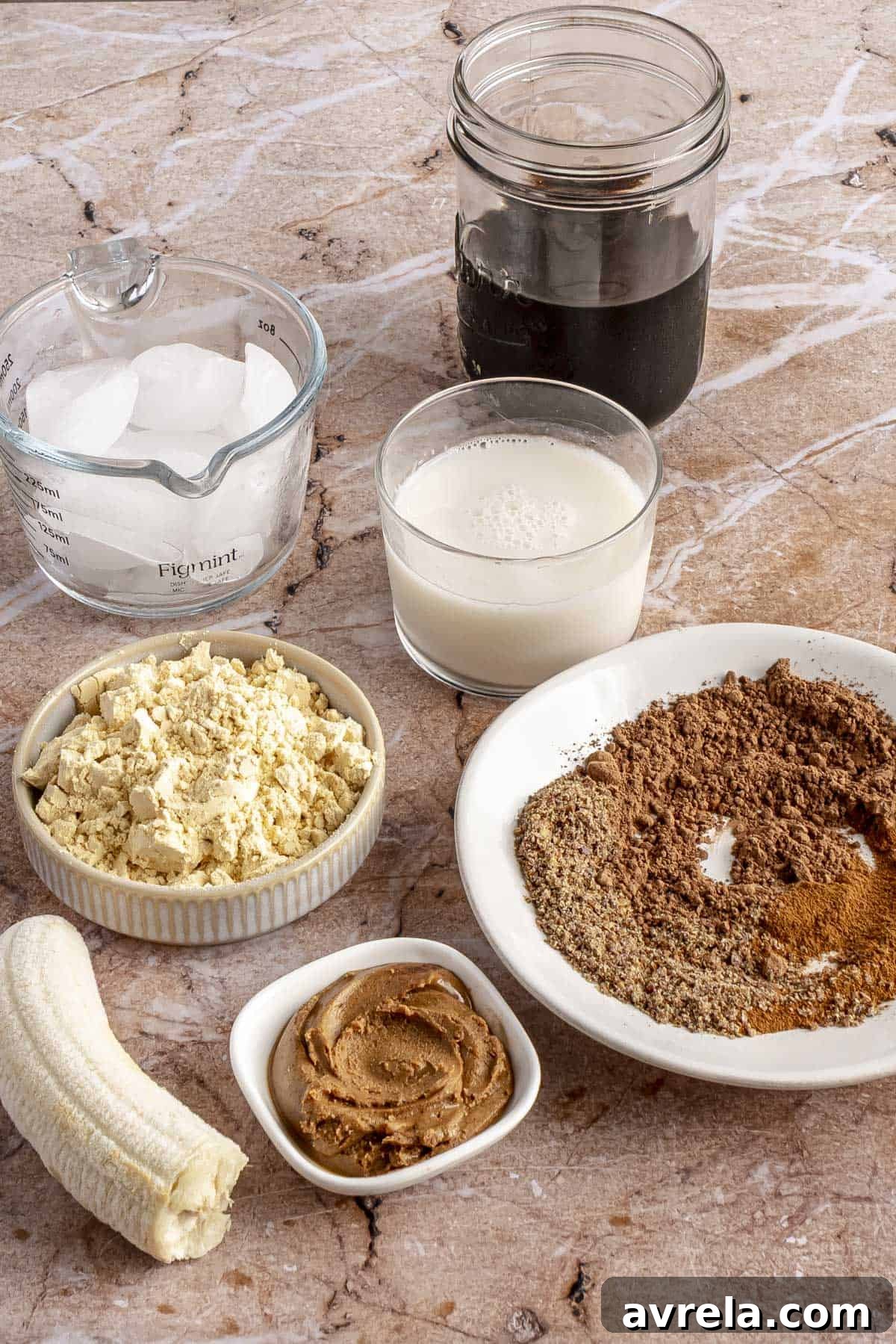
If you’re on a mission to optimize your nutrition, build lean muscle, or simply enhance your overall well-being, you’ve likely considered incorporating protein powder into your diet. This powerful supplement can be a game-changer, especially when aiming for a daily intake of 100+ grams of protein – a target many find challenging to meet through whole foods alone. For me, protein powder is an indispensable tool, helping consistently achieve my protein goals and fueling my body efficiently every single day. Whether your objective is to support muscle growth and repair, accelerate post-workout recovery, effectively manage your appetite, or significantly boost your daily protein intake, understanding the optimal times and methods for using protein powder is key to unlocking its full potential. This comprehensive guide will equip you with all the insights you need to determine when to take protein powder and how to seamlessly integrate it into your high-protein lifestyle for maximum benefit.
Before we delve into the specifics of timing and incorporation, it’s crucial to select a high-quality protein powder that aligns with your dietary needs and preferences. With a vast array of options available, navigating the choices can be daunting, particularly if you’re exploring dairy-free or plant-based alternatives. For an in-depth understanding of what to look for, be sure to consult my detailed guide on how to identify high-quality protein powder, ensuring you make an informed decision for your health.
Identifying Your Need: When It’s Time to Embrace Protein Powder
Many individuals unknowingly fall short of their optimal protein intake, even when they believe they are eating “enough” food. Our bodies send clear signals when they’re craving more protein, and recognizing these signs is the first step toward a more balanced and satisfying diet. It’s time to consider adding protein powder into your daily routine when you consistently experience any of the following:
- Persistent Hunger & Cravings: If you often find yourself feeling unsatisfied even after meals, or constantly battling a rumbling stomach, it’s a strong indicator that your diet might lack sufficient protein. Protein is renowned for its satiating properties, helping you feel fuller for longer and reducing the urge to overeat.
- The Mid-Meal Snack Trap: Needing to snack frequently between meals, especially on carb-heavy or sugary items, suggests an imbalance in your macronutrients. Adequate protein intake helps stabilize blood sugar levels, preventing the energy crashes that often lead to impulsive snacking.
- Uncontrolled Sweet Tooth: A constant battle with sweet cravings can often be traced back to insufficient protein. Protein helps regulate hunger hormones and stabilize blood glucose, effectively curbing those intense desires for sugary treats that can derail healthy eating habits.
- Stalled Progress in the Gym: If you’re consistently hitting the gym but not seeing the results you expect – whether it’s difficulty building muscle mass, feeling stronger over time, or increasing your lifting weights – your protein intake might be the missing link. Protein is fundamental for muscle protein synthesis (MPS), the process of repairing and building muscle tissue after exercise.
All these signals underscore a common underlying issue: even if your overall calorie intake seems sufficient, you are very likely under-eating protein. The appropriate balance of macronutrients – carbohydrates, fats, and proteins – plays a monumental role in your body’s functionality. This balance dictates your hunger levels, your cognitive ability to focus and maintain concentration throughout the day, and critically, your capacity to gain, maintain, and repair lean muscle mass. Consistently under-eating protein will invariably sabotage all three of these vital aspects of health and performance. For an even deeper dive into the importance of sufficient protein intake and a treasure trove of over 100 high-protein recipes, be sure to explore my new cookbook!
My favorite protein powders typically deliver a robust 20-30 grams of protein per serving. By making it a habit to add just one scoop (or more!) into my daily regimen, I effortlessly elevate my overall protein consumption to surpass 100 grams per day, aligning perfectly with my strategy of aiming for 30-40 grams of protein at each main meal. This strategic addition of a single serving of protein powder into your daily diet is highly effective in decreasing those persistent desires for unhealthy snacks and sugary indulgences. This isn’t merely a trick of willpower; it’s a direct result of achieving a more appropriately balanced macronutrient profile, which ensures your hunger is genuinely satisfied and your muscles receive the essential fuel they need to thrive.
Beyond the Gym: Why Protein is Crucial for Women’s Health
The misconception that protein is exclusively for bodybuilders or elite athletes couldn’t be further from the truth. Protein is an absolutely essential macronutrient for everyone, playing a foundational role in countless bodily functions. For women, in particular, adequate protein intake offers a myriad of benefits that extend far beyond muscle development, impacting various aspects of health, vitality, and longevity. Let’s explore why protein is such a powerhouse for women:
1. Fueling Muscle Health and Accelerating Recovery
Maintaining and building lean muscle mass is paramount for long-term health, especially as we age. Muscle tissue is metabolically active, meaning it burns more calories at rest compared to fat. Adequate protein intake is the primary driver of Muscle Protein Synthesis (MPS), the critical process through which our bodies repair damaged muscle fibers and build new ones. This process is stimulated not only by exercise but also simply by consuming sufficient protein. Dispelling common myths, a high-protein diet is not just for “gym bros”; it’s a cornerstone for anyone looking to support their metabolism, strength, and functional mobility. Incorporating a single serving of protein powder daily can significantly enhance muscle maintenance and facilitate more efficient recovery from daily activities and workouts, acting as a true game-changer for preserving and building strength.
2. A Strategic Ally in Weight Management
For those focused on maintaining a healthy weight or achieving weight loss goals, protein is an invaluable nutritional tool. Protein stands out as the most satiating macronutrient, significantly more so than carbohydrates or fats. By promoting a lasting feeling of fullness, protein helps curb appetite, naturally reducing overall calorie intake. Furthermore, it plays a vital role in regulating key hunger hormones like ghrelin and leptin, which dictate when we feel hungry and full. This regulatory effect, combined with its ability to stabilize blood sugar levels, minimizes drastic fluctuations that often lead to intense cravings and overeating. The result is a more controlled and sustainable approach to managing a healthy calorie balance, making protein a powerful asset in any weight management strategy.
3. Sustaining Energy and Harmonizing Hormones
The impact of consistent, steady energy levels on daily productivity and mood cannot be overstated. As someone with a demanding schedule, I constantly notice the profound difference in my energy when my body is consistently well-fed compared to when I’m experiencing energy dips between meals. Women often juggle busy careers, family responsibilities, social lives, and fitness routines, making steady energy levels absolutely critical. Protein helps achieve this by stabilizing blood sugar, preventing the notorious “sugar crash” that follows carb-heavy meals. This sustained energy translates into improved focus, enhanced productivity, and a more stable mood throughout the day. Beyond energy, protein also supplies the essential amino acids required for the synthesis of hormones, enzymes, and neurotransmitters, playing an indirect but significant role in promoting overall hormonal balance crucial for women’s health and well-being. A quick scoop of protein powder in a smoothie between meals can be the perfect solution to prevent those undesirable energy slumps.
4. Fortifying Bones, Boosting Skin Radiance, and Hair Vitality
Protein’s benefits extend to structural health, contributing significantly to the integrity of our bones, skin, and hair. As we age, maintaining bone strength becomes increasingly important for preventing osteoporosis and ensuring long-term mobility. Protein provides the building blocks for bone tissue, supporting its density and resilience. Furthermore, protein is indispensable for the production of collagen, the most abundant protein in the body, which forms the structural framework for healthy skin, hair, and nails. Collagen is responsible for skin elasticity, hydration, and a youthful appearance, while also contributing to the strength and luster of hair. Therefore, prioritizing protein intake is a fundamental strategy for promoting graceful aging, ensuring robust bone health, and maintaining that coveted healthy glow in your skin and hair.
5. Enhancing Immune Function and Overall Well-being
Protein is not just about muscles and aesthetics; it’s a critical component of a robust immune system. Antibodies, which are essential for fighting off infections and diseases, are made from protein. Enzymes, which drive thousands of biochemical reactions in the body, are also proteins. Adequate protein intake ensures your body has the raw materials it needs to produce these vital compounds, helping to keep you healthy and resilient. For women managing daily stressors and potential nutrient deficiencies, ensuring sufficient protein intake can provide a stronger defense against illness and contribute to an elevated sense of overall well-being and vitality.
Optimal Timing: Maximizing Your Protein Powder Benefits
While protein intake throughout the day is generally more important than strict timing, strategically incorporating protein powder can amplify its benefits depending on your individual goals. Here are some effective approaches to timing your protein powder consumption:
The Morning Boost: Kicking Off Your Day with Protein
If you’re new to integrating protein powder into your daily routine, starting with a mid-morning smoothie is an excellent and highly effective approach. Begin your day with a substantial high-protein breakfast, aiming for a robust 30-40 grams of protein to set a strong nutritional foundation. Then, approximately 2-3 hours later, or crucially, at the very first sign of emerging hunger, prepare a delicious and satiating high-protein smoothie, designed to deliver 20-30 grams of protein. This strategically timed smoothie acts as a powerful bridge, effectively holding your hunger at bay and providing sustained energy until your lunch meal. It’s a fantastic way to prevent mid-morning energy slumps and curb unnecessary snacking.
Post-Workout Power: Enhancing Recovery and Growth
The period immediately following a workout is often referred to as the “anabolic window,” a time when your muscles are primed to absorb nutrients for repair and growth. Consuming a protein shake within 30-60 minutes after exercise can significantly enhance muscle protein synthesis, reduce muscle soreness, and accelerate recovery. This is particularly beneficial for those engaged in strength training or intense physical activity. A rapid-digesting protein like whey is often favored during this window, though plant-based options are also highly effective.
Evening & Bedtime: Sustained Support for Overnight Recovery
Incorporating protein powder before bed can offer unique benefits, particularly for muscle repair and growth during sleep. A slow-digesting protein, such as casein (found in some dairy-based powders) or a blend of plant proteins, provides a steady release of amino acids to your muscles throughout the night. This sustained nourishment helps prevent muscle breakdown during prolonged periods without food, supporting overnight recovery and contributing to overall muscle maintenance and growth.
Between Meals: Smart Snacking for Lasting Fullness
Beyond the morning smoothie, a protein shake can be an excellent choice for a snack between any meals to maintain satiety and keep your energy stable. If you find yourself consistently hungry mid-afternoon or struggling with cravings before dinner, a protein-rich snack can be the perfect solution. It helps bridge the gap, preventing overeating at your next meal and ensuring you maintain a consistent protein intake throughout the day.
Beyond Smoothies: Creative Ways to Integrate Protein Powder
While smoothies are a popular and convenient method, protein powder is incredibly versatile. Don’t limit your imagination! Here are other delicious and easy ways to boost your protein intake:
In Your Breakfast Bowls: Oatmeal, Yogurt, and More
Elevate your morning staples! Stir a scoop of unflavored or vanilla protein powder into your oatmeal after it’s cooked, ensuring it’s not too hot to prevent clumping. Mix it into your Greek yogurt or cottage cheese for an extra protein punch. You can also blend it into pancake or waffle batter for a more satisfying breakfast that keeps you full longer.
Baking with Protein: Guilt-Free Treats
Yes, you can bake with protein powder! Incorporate it into recipes for muffins, energy bites, protein bars, or even cookies. This allows you to enjoy your favorite treats with an added nutritional benefit, helping you meet your protein goals without feeling deprived. Be mindful of the type of protein powder, as some can alter the texture of baked goods more than others (whey isolate often works well).
Choosing Your Perfect Protein Powder: A Quick Guide
Selecting the right protein powder is crucial for both taste and efficacy. Consider these factors:
Dairy-Based vs. Plant-Based Options: Whey and casein are popular dairy-derived proteins known for their complete amino acid profiles. For those with dairy sensitivities or following a vegan diet, plant-based options like pea, rice, hemp, or a blend of these can be excellent alternatives. Ensure plant-based options offer a complete amino acid profile or combine different sources to achieve it.
Ingredient Quality and Purity: Always check the ingredient list. Opt for powders with minimal added sugars, artificial sweeteners, fillers, or unnecessary additives. Look for third-party certifications (like NSF Certified for Sport) to ensure purity and absence of banned substances. Understanding how to identify high-quality protein powder is paramount for your health.
Flavor and Mixability: The best protein powder is one you’ll actually enjoy consuming regularly. Experiment with different flavors and brands to find one that mixes well and tastes good to you. Unflavored options are great for versatile use in cooking and baking.
Debunking Common Protein Myths
Many misconceptions surround protein intake. Let’s clarify a few:
- “Too much protein damages kidneys”: For healthy individuals, there is no scientific evidence that high protein intake (even up to 2.2g/kg body weight) negatively impacts kidney function. Consult a doctor if you have pre-existing kidney conditions.
- “Protein makes women bulky”: Building significant muscle mass requires intense training, specific caloric intake, and hormonal profiles that differ greatly in women compared to men. Protein supports lean muscle, not automatically “bulkiness.”
- “Protein powder is unnatural/processed”: Protein powders are concentrated forms of protein derived from whole food sources (like milk, soy, peas). They are a convenient supplement, not necessarily “unnatural.”
The Importance of Consistency: Making Protein a Daily Habit
The true power of protein powder, and indeed any dietary adjustment, lies in consistency. Making it a regular, enjoyable part of your daily routine is far more effective than sporadic high-protein days. By consistently hitting your protein targets, you empower your body to continuously repair, build, and maintain its vital functions. This sustained effort yields long-term benefits in energy, muscle health, weight management, and overall vitality, helping you feel your best every single day.
My new cookbook, The High-Protein Plate, is absolutely brimming with a multitude of incredible recipes that I couldn’t be more thrilled to share with you! It’s slated for release on March 3rd, 2025. You can pre-order your copy now and get ready to dive into a world of delicious, high-protein cooking come March. I genuinely cannot wait for you to experience these recipes and revolutionize your approach to nourishing your body!