
Deciding how much weight to lift can feel confusing, especially if you’re new to strength training or not following a structured program. When in doubt, start light and prioritize proper technique. Below are four practical tips to help you choose the right weight next time you’re in the gym.
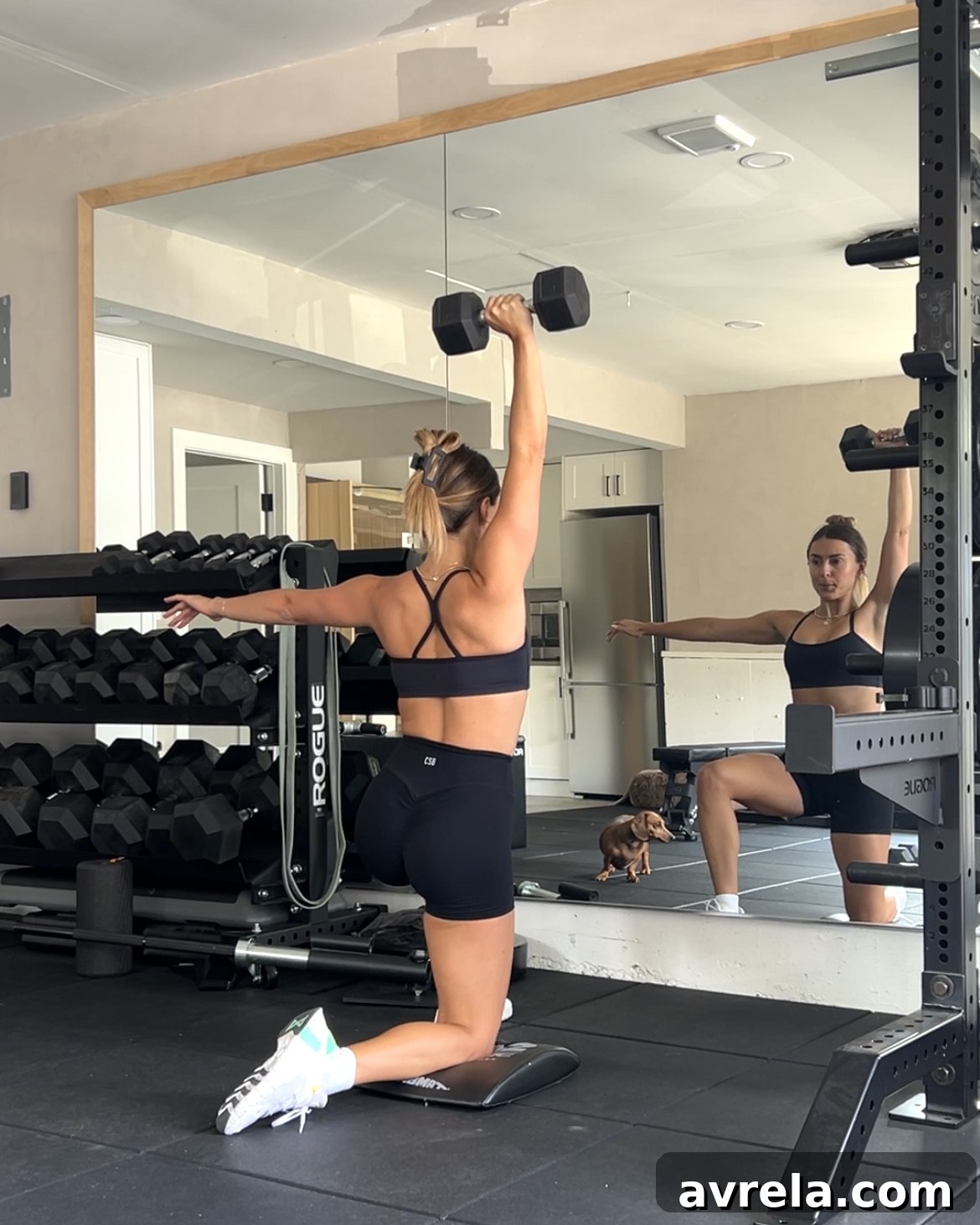
- Focus on form. Proper form is essential. If you find yourself sacrificing technique to lift more, that’s a clear sign the weight is too heavy. Use mirrors or record sets so you can review your movement over time. Consistently maintaining form as weights increase is a reliable way to build strength safely.
- Avoid early fatigue. Understand the difference between an appropriate challenge and excessive strain. For example, if a set calls for 12 reps and you feel exhausted within the first few reps (1–3), the weight is too heavy. Ideally you should feel fatigue toward the last few reps (8–12) while still completing the set with control.
- Increase weight incrementally. Progressing in small steps helps you improve without stalling. When possible, move to the next available weight rather than jumping to a much heavier option. For instance, if you’re using 10 lb dumbbells, try 12 lb next instead of 15 lb. Smaller increments may not always be available at the gym, so consider building a set of adjustable or additional dumbbells for home use. Gradual increases minimize plateaus and reduce injury risk.
- When in doubt, modify. If you can’t find a comfortable weight, adjust the exercise instead of forcing a lift that feels unsafe. Options include dropping to bodyweight-only, reducing the range of motion, or choosing an alternative movement that targets the same muscles. Preserving health and joint integrity should always take precedence over ego lifting.
Progressive overload—lifting slightly heavier or doing more reps over time—is the sustainable approach to building muscle and strength. A gym-based program that follows this principle will help you increase weights week to week while minimizing injury and plateaus. Look for programs that include clear guidance on equipment, rep ranges, and incremental progression so you can apply these tips effectively. Whether you’re a beginner or more advanced, focusing on form, pacing your fatigue, increasing weight in small steps, and modifying when needed will support long-term gains and safer training sessions.