
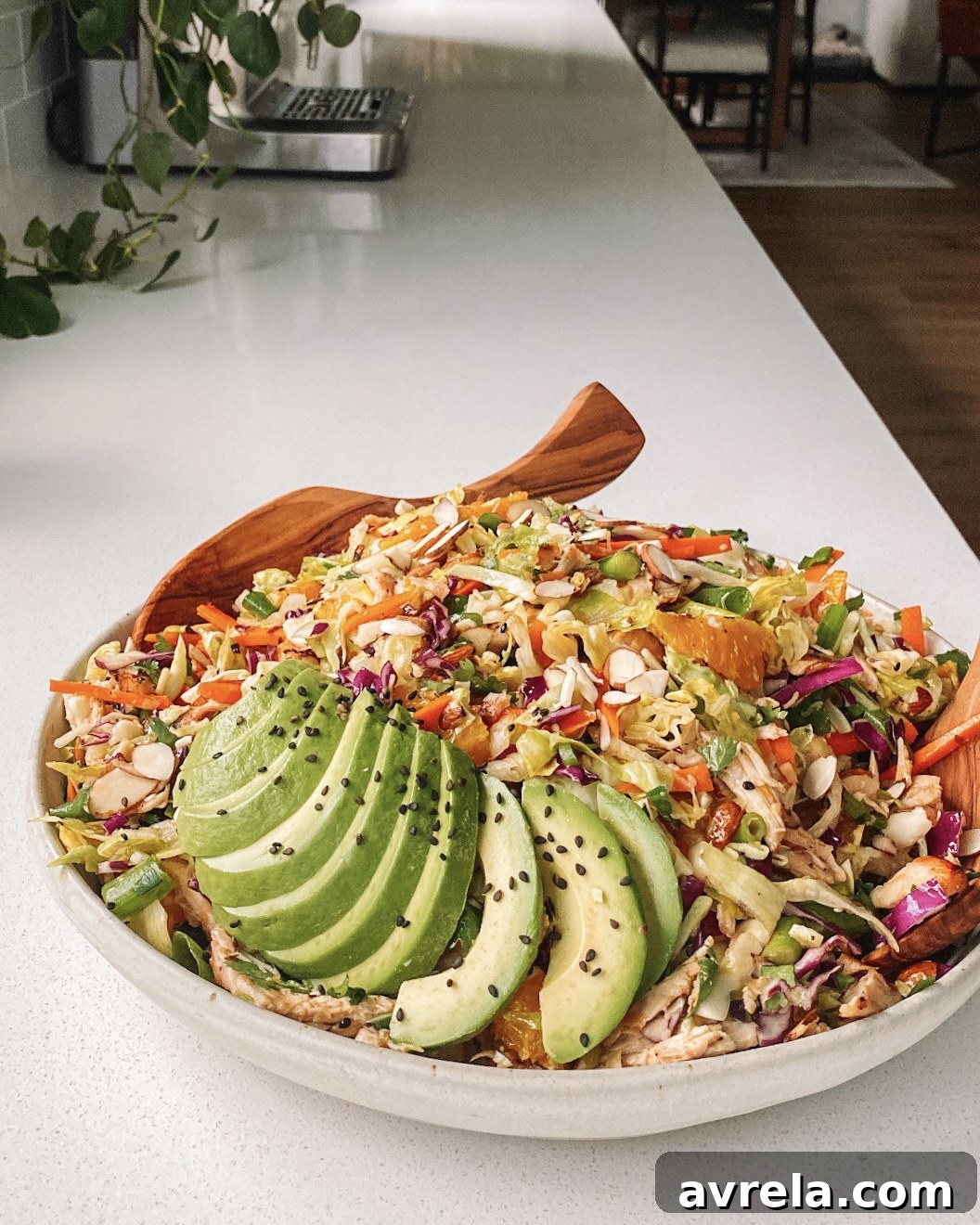
Transform Your Evening Meals: The Art of Creating a Satisfying Dinner Salad
For many, the humble salad is a quintessential lunchtime choice. It’s often seen as a light, refreshing option perfect for getting your daily dose of greens while artfully sidestepping the dreaded mid-afternoon slump that can sometimes follow a heavier, more substantial meal. And truly, there’s nothing wrong with a vibrant midday salad! However, I propose a compelling shift in perspective: embracing the bountiful, hearty salad as the star of your dinner plate, especially as we navigate the lingering warmth of late summer or even transition into cooler seasons. When the garden is still bursting with fresh produce, the evenings are pleasant enough to enjoy al fresco dining, and the culinary possibilities are genuinely limitless, a dinner salad truly shines. It’s an opportunity to create a meal that is both incredibly satisfying and profoundly nourishing, proving that salads can be far more than just a light side dish.
The concept of a “dinner salad” elevates this simple dish from a mere appetizer or side to a complete, standalone meal. It’s about intentional construction, ensuring every component contributes to a harmonious balance of flavor, texture, and most importantly, satiety. Forget limp lettuce and sparse toppings; we’re talking about robust creations designed to fuel you through the evening and leave you feeling content, not deprived.
Crafting the Perfect Dinner Salad: Essential Strategies for Satiety and Flavor
The secret to transforming a good salad into a truly great, dinner-worthy experience lies in a few key principles. These aren’t just about adding more ingredients; they’re about choosing the *right* ingredients and combining them thoughtfully to achieve a meal that is both nutritionally complete and incredibly delicious.
1. The Power of Protein: Building a Satiating Foundation
The single most crucial element for a truly satisfying dinner salad is a generous helping of protein. Protein is the macronutrient responsible for keeping you full, supporting muscle repair, and maintaining steady energy levels throughout the evening. Without adequate protein, even the largest salad can leave you feeling hungry an hour later. Aim for at least 25-30 grams of protein per meal to ensure sustained satiety and nutritional balance.
- Lean Animal Proteins:
- Grilled Chicken Breast or Thighs: Versatile and absorbs marinades beautifully.
- Flaky Salmon or Other Fish: Rich in omega-3 fatty acids, adds a delicate flavor.
- Succulent Steak (Flank, Sirloin, or Skirt): Offers a hearty, robust element.
- Shrimp: Quick-cooking and adds a lovely sweetness.
- Hard-Boiled Eggs: Simple, convenient, and packed with nutrients.
- Canned Tuna or Salmon: An excellent pantry staple for quick assembly.
- Plant-Based Proteins:
- Lentils and Chickpeas: Earthy, fiber-rich, and incredibly versatile.
- Black Beans or Kidney Beans: Hearty and pair well with various dressings and spices.
- Edamame: Adds a sweet crunch and vibrant green color.
- Tofu or Tempeh (Grilled, Baked, or Pan-Fried): Absorbs flavors wonderfully and provides a meaty texture.
- Quinoa: A complete protein and a fantastic grain base for salads.
- Nuts and Seeds: Almonds, walnuts, pecans, pumpkin seeds, sunflower seeds, chia seeds, and hemp seeds not only provide protein but also healthy fats and fiber.
Consider preparing your protein ahead of time as part of your meal prep. Grilling a few chicken breasts or roasting a batch of chickpeas on a Sunday can significantly cut down on evening cooking time, making dinner salads a convenient reality even on busy weeknights.
2. Embrace Healthy Fats: Flavor, Satiety, and Nutrient Absorption
While often feared, healthy fats are absolutely essential for a balanced diet and play a vital role in making a salad feel like a truly satisfying meal. Fats contribute to satiety by slowing digestion, aid in the absorption of fat-soluble vitamins (A, D, E, and K), support brain health, and add incredible richness and flavor to your dish.
- Creamy Avocado: Provides a luxurious texture and a wealth of monounsaturated fats.
- Nuts and Seeds: Beyond protein, they are powerhouses of healthy fats, fiber, and micronutrients. Think a sprinkle of walnuts, slivered almonds, or a handful of pumpkin seeds.
- Extra Virgin Olive Oil: This forms the perfect base for homemade dressings, offering heart-healthy monounsaturated fats and powerful antioxidants. A quality olive oil can elevate the entire flavor profile of your salad.
- Cheese (in moderation): Crumbled feta, tangy goat cheese, or shaved Parmesan can add a delightful salty tang and creamy texture, enhancing the overall experience.
Making your own dressing is a game-changer. A simple vinaigrette with extra virgin olive oil, a good quality vinegar (balsamic, red wine, or apple cider), a touch of Dijon mustard, and salt and pepper beats most store-bought options in terms of flavor and health benefits. You control the ingredients, avoiding unnecessary sugars and preservatives.
3. The Unsung Heroes: Complex Carbohydrates for Sustained Energy
While the focus is often on protein and fats, don’t underestimate the power of complex carbohydrates in a dinner salad. They provide sustained energy, replenish glycogen stores, and add another layer of texture and satisfaction without making the meal feel heavy.
- Roasted Sweet Potatoes or Butternut Squash: Adds natural sweetness and a hearty, grounding element.
- Quinoa, Farro, or Brown Rice: Excellent whole grains that provide fiber and a chewy texture.
- Whole Grain Pasta: A small amount of whole wheat or legume-based pasta can make a salad feel more substantial.
- Homemade Croutons: Made from whole-grain bread, toasted with a little olive oil and herbs, they add a delightful crunch.
4. Fiber Fiesta: Piling on the Produce for Volume and Nutrients
This is where the “salad” aspect truly shines! Go beyond just plain lettuce. A diverse array of vegetables provides essential vitamins, minerals, antioxidants, and crucial dietary fiber. Fiber is key for digestive health and contributes significantly to feelings of fullness.
- Dark Leafy Greens: Kale, spinach, arugula, romaine, mixed greens – choose a base that excites you.
- Cruciferous Crunch: Finely chopped broccoli, cauliflower, or shredded Brussels sprouts add texture and a nutritional punch.
- Colorful Bell Peppers: Red, yellow, orange – for sweetness and Vitamin C.
- Crisp Cucumbers and Juicy Tomatoes: Classic salad staples that add freshness and hydration.
- Shredded Carrots and Radishes: For a pleasant crunch and earthy flavors.
- Seasonal Delights: Corn, peas, asparagus, green beans, or beets – embrace what’s fresh and local.
Think about varying textures: crisp lettuce, crunchy nuts, soft avocado, chewy grains, and tender protein. This variety makes each bite more interesting and prevents palate fatigue.
5. A Burst of Flavor: Herbs, Spices, and Acid
Don’t let your salad be bland! Fresh herbs like parsley, cilantro, mint, and basil can utterly transform a dish with their vibrant aromas and flavors. Dried spices such as paprika, cumin, or oregano can add warmth and depth. A squeeze of fresh lemon or lime juice or a splash of quality vinegar can brighten all the flavors, balancing richness and acidity.
Making Dinner Salads Easy: Meal Prep and Smart Strategies
The idea of a substantial dinner salad can sometimes feel like a lot of work, but with a little planning, it can become one of the quickest and most enjoyable meals in your rotation.
- Pre-Chop Your Veggies: Dedicate 15-20 minutes once or twice a week to wash, chop, and store your non-leafy vegetables in airtight containers.
- Cook Protein in Batches: Grill extra chicken or roast a larger batch of lentils/chickpeas to last for a few meals.
- Prepare Dressings Ahead: Whip up a larger batch of your favorite homemade dressing and store it in the fridge. Shake well before use.
- Store Components Separately: Keep greens, wet ingredients, and crunchy toppings separate until just before serving to prevent sogginess.
- Build-Your-Own Salad Bar: Lay out all the prepped ingredients for your family to assemble their perfect salad.
Three Inspiring Dinner Salad Recipes to Fuel Your Week
To give you a head start, here are three fantastic dinner-worthy salad ideas that perfectly exemplify the principles we’ve discussed. These recipes combine protein, healthy fats, and a medley of fresh ingredients to create truly satisfying meals:
- Greek Chicken Salad With Feta Pesto: This salad is a celebration of Mediterranean flavors. Featuring lean grilled chicken as its protein cornerstone, it’s complemented by the salty tang of feta and the aromatic richness of pesto, which also brings in healthy fats from olive oil and nuts. Crisp cucumbers, juicy tomatoes, and briny olives round out this fresh and satisfying dish, making it a vibrant and complete meal.
- Asian-Inspired Chicken Salad: A delightful departure from traditional flavors, this salad typically features tender chicken breast, an abundance of crunchy vegetables like shredded cabbage, carrots, and bell peppers, and often includes a scattering of peanuts or sesame seeds for added protein, healthy fats, and texture. The dressing, usually a harmonious blend of soy sauce, ginger, garlic, and sesame oil, ties all the vibrant ingredients together for an exotic and incredibly flavorful dinner experience.
- Flank Steak & Avocado Chimichurri Salad: For those who crave a heartier option, this salad delivers. Slices of perfectly cooked flank steak provide a robust and iron-rich protein source. Creamy avocado offers healthy monounsaturated fats and a luxurious texture, while the vibrant chimichurri dressing—packed with fresh herbs, garlic, and extra virgin olive oil—provides a bright, zesty counterpoint. This combination creates a dynamic and utterly filling dinner that feels indulgent yet remains incredibly fresh.
Beyond the Bowl: Embracing a Healthy Lifestyle
Integrating substantial, well-constructed salads into your dinner routine is more than just a meal choice; it’s a step towards a more vibrant and healthful lifestyle. It encourages mindful eating, promotes greater consumption of nutrient-dense whole foods, and offers endless creative possibilities in the kitchen. Experiment with different proteins, vegetables, grains, and dressings to discover your favorite combinations. You might be surprised at how quickly dinner salads become a cherished part of your culinary repertoire.
For more innovative and delicious recipes like these, designed to nourish and satisfy, be sure to explore my New York Times Best Selling Cookbook, Rachael’s Good Eats. It’s packed with inspiration to help you make healthy eating both simple and exciting.
Conclusion: Reinvent Your Dinner with a Deliciously Satisfying Salad
So, next time you’re planning your evening meal, rethink the traditional heavy fare and instead consider the extraordinary potential of a well-crafted dinner salad. With the right balance of protein, healthy fats, complex carbohydrates, and an abundance of fresh vegetables, you can create a meal that is not only incredibly satisfying and flavorful but also wonderfully light and nourishing. Say goodbye to post-dinner sluggishness and hello to vibrant energy and culinary creativity. Embrace the dinner salad – your taste buds and your body will thank you!