
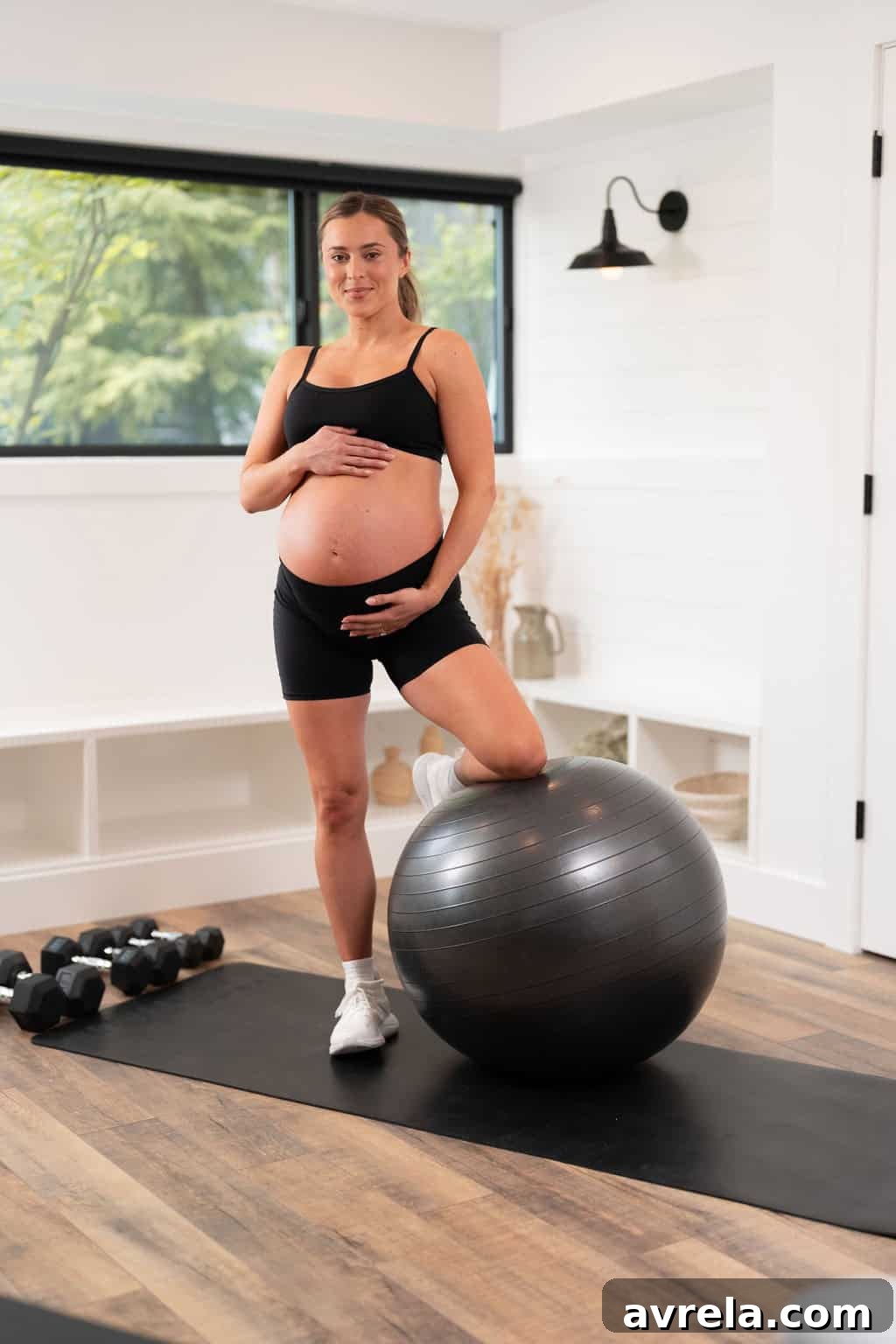
Pregnancy is an extraordinary journey, a testament to the incredible strength and adaptability of the human body. As you nurture new life, your body undergoes profound transformations, making smart, intentional movement more crucial than ever. As a certified personal trainer and a dedicated prenatal exercise specialist, I frequently encounter the same fundamental question: “When exactly should I start modifying my workouts during pregnancy?” The truth, as with many aspects of pregnancy, is beautifully individual. There isn’t a rigid, one-size-fits-all answer, but there are distinct signs, significant stages, and essential principles that guide when and how prenatal exercise modifications become absolutely vital for both your well-being and the healthy development of your baby.
Navigating the nuances of exercise modifications, understanding optimal pregnancy nutrition, and much more are topics I explore in comprehensive detail within my GOOD // SWEAT Pregnancy Guide. This extensive guide offers a meticulously crafted 26-week workout program, thoughtfully segmented to seamlessly support you through your second and third trimesters. While the guide delves deep into personalized routines, my aim here is to provide you with a robust, foundational overview, empowering you with the knowledge to move confidently and safely throughout your pregnancy journey.
Empowering Your Journey: Trimester-Specific Support for Safe Pregnancy Workouts
My overarching goal with this guide is to instill a profound sense of peace of mind. I want you to feel genuinely confident and informed as you approach exercising safely, regardless of which stage of pregnancy you find yourself in. This confidence stems from understanding your body, knowing when to adapt, and recognizing the immense benefits of maintaining an active lifestyle during this special time.
As always, I cannot stress enough the importance of trusting your gut instincts and meticulously listening to your body’s unique signals. Make adjustments proactively as needed, and critically, always consult with your healthcare provider—be it your OB/GYN or midwife—before embarking on or significantly altering any exercise routine during pregnancy. Furthermore, consider enriching your support system by working collaboratively with a qualified physical therapist, especially a specialized pelvic floor therapist, and/or a certified prenatal fitness specialist. These experts can provide invaluable, tailored guidance to craft an exercise routine that precisely meets your evolving needs and ensures maximum safety and effectiveness.
Understanding Your Body’s Dynamic Changes During Pregnancy
Pregnancy ushers in a cascade of physiological changes that profoundly influence your capacity for physical activity. These transformations begin remarkably early, often before you even realize you’re pregnant, and they continue to evolve throughout each trimester. Understanding these shifts is paramount to making informed decisions about your exercise routine.
As early as the first trimester, significant hormonal shifts commence, most notably an increase in relaxin. While essential for preparing your pelvis for birth, relaxin can also impact joint stability throughout your body, making you more susceptible to strains and sprains. Concurrently, rising fatigue, often debilitating nausea, and even breast tenderness can dramatically alter how your body responds to and tolerates physical activity. What felt easy pre-pregnancy might now feel incredibly challenging, signaling an immediate need for adjustment.
Exercise safety during pregnancy is an intensely individual experience. It’s not a generic blueprint but rather a personalized pathway dictated by how your unique body responds to various movements. Your pre-pregnancy activity level, the specific trimester you are in, and critically, how you *feel* moment-to-moment during exercise, are all interconnected and vital factors that must be continuously assessed. There is no shame in scaling back or taking a rest day; in fact, it’s a sign of profound self-awareness and care.
While listening to your body is undeniably crucial and forms the bedrock of safe prenatal exercise, it’s equally important to equip yourself with the knowledge of how to strategically adjust your routine. This requires professional, evidence-based guidance to ensure you’re not just listening, but responding effectively and safely to your body’s changing needs.
When to Proactively Modify Workouts During Pregnancy: A Trimester Guide
The ideal time to begin to modify workouts during pregnancy is not simply when discomfort strikes, but proactively, as soon as your body or healthcare provider gives you the signal that changes are on the horizon. Here’s a trimester-by-trimester breakdown of key considerations for safe and effective modifications:
- First Trimester (Weeks 1-13): Navigating New Sensations
- Scale Intensity and Listen to Energy: This trimester is often marked by profound fatigue and nausea. Don’t push through exhaustion. Reduce the intensity, duration, or frequency of your workouts as needed.
- Stay Cool and Hydrated: Avoiding overheating is crucial from conception onwards. Exercise in well-ventilated areas, wear breathable clothing, and drink plenty of water before, during, and after your workouts.
- Focus on Maintenance: This isn’t the time to aim for new personal bests. Focus on maintaining your current fitness level and establishing consistent, gentle movement patterns.
- Consider Low-Impact Options: If high-impact activities exacerbate nausea or fatigue, transition to gentler forms of exercise like walking, swimming, or prenatal yoga.
- Second Trimester (Weeks 14-27): The “Golden Period” of Pregnancy Fitness
- Avoid Lying Flat on Your Back (Supine Position): As your uterus grows, lying flat on your back can compress the vena cava, a major blood vessel, restricting blood flow to you and your baby. Begin to avoid exercises requiring you to lie supine for extended periods after the first trimester, opting for incline benches or side-lying positions instead.
- Incorporate More Core-Safe Movements: As your belly expands, the risk of diastasis recti (abdominal separation) increases. Avoid traditional crunches, sit-ups, and planks that put excessive pressure on the midline. Focus on gentle core engagement with exercises like pelvic tilts, bird-dogs, and side planks.
- Prioritize Balance and Stability: Your center of gravity is shifting. Exercises that challenge balance might need modification or additional support. Utilize walls, chairs, or partners for stability.
- Monitor Joint Stability: Relaxin is still at play, so be mindful of overstretching and hyperextension in joints. Focus on controlled movements within a comfortable range of motion.
- Third Trimester (Weeks 28-40): Preparing for Labor and Beyond
- Prioritize Mobility and Comfort: As your body prepares for birth, focus on movements that enhance hip mobility, open the pelvis, and alleviate common discomforts. Gentle squats, lunges, and pelvic tilts are excellent.
- Strength Maintenance, Not Gains: The goal shifts to maintaining existing strength, not building new muscle. Reduce heavy lifting, opt for lighter weights with higher repetitions, or use bodyweight exercises. Strength maintenance is key.
- Focus on Pelvic Floor-Friendly Movements: Integrate exercises that support and prepare your pelvic floor for labor and delivery, such as deep squats, cat-cow stretches, and specific yoga ball exercises. Breathing exercises that integrate pelvic floor relaxation are also beneficial.
- Shorten Workouts and Increase Rest: Your energy levels may fluctuate significantly. Opt for shorter, more frequent workouts, and prioritize rest and recovery.
- Watch for Warning Signs: Be extra vigilant for any signs of discomfort, pain, dizziness, or shortness of breath.
The main takeaway, applicable at any and all points of pregnancy, is simple yet profound: modify for comfort and safety. Always adjust the intensity, range of motion, and duration of exercises to precisely match your current energy levels, comfort, and the evolving needs of your pregnant body.
Essential Modifications for Safe and Effective Pregnancy Workouts
Every pregnancy journey is distinct, and some weeks you may simply not feel your best. It’s a common experience for many women to endure a challenging first trimester, often regaining significant energy only around Week 13 or later. Whether you’re battling nausea, experiencing low energy, or simply coping with sore muscles, these fluctuations are completely normal. The essence of prenatal fitness lies in staying active at a pace that genuinely feels good to you—never hesitate to switch things up, scale back, or take an unscheduled rest day as needed!
Thoughtful modifications for pregnancy workouts can encompass a wide range of adaptations, all designed to keep you safe, comfortable, and strong:
- Transition from High-Impact to Low-Impact Workouts:
- Activities like running, jumping, and high-impact aerobics can place undue stress on your joints and pelvic floor as pregnancy progresses. Instead, embrace the benefits of low-impact exercises.
- Think: brisk walking, swimming (which also offers buoyancy for joint relief), stationary cycling, prenatal yoga, and elliptical training. These options minimize jarring movements while effectively supporting cardiovascular health and strength.
- Adjust Intensity and Volume to Support Energy Levels:
- This isn’t the time to “push through.” If you feel fatigued, reduce the duration of your workout, lower the weights, or decrease the number of repetitions.
- Use the “talk test”: You should be able to carry on a conversation comfortably while exercising. If you’re breathless, you’re working too hard.
- Listen to your body’s energy signals and prioritize rest.
- Incorporate Core and Pelvic Floor Support Exercises:
- Understanding how to properly engage your deep core and pelvic floor is paramount. Avoid exercises that cause “coning” or “doming” of your abdomen, which can indicate excessive pressure and increase the risk of diastasis recti.
- Opt for core-safe movements like pelvic tilts, side-lying leg lifts, modified bird-dogs (on hands and knees), seated cable rows, and gentle abdominal compressions. Focus on exercises that engage your transverse abdominis and pelvic floor without placing undue strain on the rectus abdominis.
- Learning diaphragmatic breathing can also significantly enhance pelvic floor function and core stability.
- Avoid Movements that Feel Unstable, Cause Pain, or Lead to Abdominal Coning:
- If an exercise causes any discomfort, pain (especially in the pelvis, back, or joints), dizziness, or the visible protrusion/coning of your abdomen, stop immediately.
- Examples of movements to consider avoiding or modifying include traditional crunches, full sit-ups, twisting movements, deep backbends, and prolonged single-leg standing if balance is compromised.
- Always prioritize stability and control over range of motion or heavy lifting.
- Elevate Heart Rate Safely: While cardiovascular exercise is encouraged, avoid extreme exertion. Aim for a moderate intensity where you can still hold a conversation. Your heart rate is generally higher during pregnancy, so a specific target heart rate zone might not be accurate. Rely on the “talk test” and Rate of Perceived Exertion (RPE) scale (aim for 13-14 on a 6-20 scale).
- Proper Hydration and Temperature Regulation: Staying well-hydrated is non-negotiable. Carry a water bottle and sip frequently. Avoid exercising in excessively hot or humid conditions to prevent overheating, which can be dangerous for both you and your baby. Wear loose, breathable clothing.
Implementing these thoughtful adjustments ensures you’re engaging in safe pregnancy workouts that robustly support your strength, stamina, and crucial recovery both during and after pregnancy. Any time you experience acute discomfort, sharp pain, persistent dizziness, vaginal bleeding, fluid leakage, or shortness of breath, it’s critically important to stop exercising immediately, modify the movement, take breaks, and if symptoms persist or worsen, consult your healthcare provider without delay. And remember, the simple act of staying hydrated cannot be overstated!
Ready to Move Safely and Confidently Through Pregnancy?
Trust me, fellow mamas—I intimately understand the profound importance of having a clear, structured, and safe fitness routine throughout pregnancy. It’s a period of significant change, and we’re all doing our absolute best to navigate it with grace, strength, and confidence. The guesswork, however, can be overwhelming.
If you’re seeking a clear, trimester-by-trimester pregnancy workout guide, meticulously designed to support you from Week 13 onwards, then look no further. I poured my expertise and passion into creating this resource just for you: my GOOD // SWEAT Pregnancy Guide (click here to learn more!). It’s thoughtfully designed to eliminate the uncertainty and confusion surrounding fitness while pregnant, empowering you to move with profound confidence, informed choices, and unwavering support every single step of your remarkable journey.
Explore More: Related Pregnancy Fitness Blog Posts for Every Stage:
Prenatal Fitness: Exercises To Avoid While Pregnant
The 5 Stretches You Should Do Daily For Pregnancy
20-Minute Dumbbell-Only Workout (Pregnancy Friendly)
9 Reasons Why Strength Training Is Beneficial During Pregnancy
My Postpartum Fitness Routine