

Embarking on the incredible journey of pregnancy is a transformative experience, yet it often comes with a flood of information, much of which can feel overwhelming or even fear-inducing. When it comes to eating during pregnancy, it’s all too common to encounter daunting lists of foods to avoid, creating unnecessary anxiety. But pregnancy nutrition doesn’t have to be complicated or scary. Instead, it’s an empowering opportunity to nourish both your body and your growing baby with wholesome, delicious foods.
As a passionate advocate for approachable and educational content on pregnancy and postpartum nutrition, I believe in empowering expectant mothers with positive, actionable advice. The good news is that optimal pregnancy nutrition is far from restrictive or boring. It’s about focusing on abundance, flavor, and the incredible impact balanced eating has on your well-being and your baby’s development. This guide will demystify prenatal eating, focusing on key food categories that will cover most of your nutritional needs, making your pregnancy journey healthier and more enjoyable, from conception through postpartum.
Why Nutrient-Dense Foods Are Crucial for a Healthy Pregnancy
Eating well throughout your pregnancy is arguably the most impactful way to support both your evolving health and your baby’s remarkable development. Your body performs an extraordinary feat during these months, working tirelessly to grow a new life. This increased metabolic demand means your nutrient needs significantly rise, particularly for essential vitamins, minerals, and macronutrients. Every meal becomes an invaluable opportunity to replenish your nutrient stores and positively influence the health trajectory of both you and your growing baby. It’s truly a time when food acts as medicine and building blocks for an entirely new human.
Focusing on balanced, nourishing meals provides a steady supply of energy, helps manage healthy weight gain, and ensures critical nutrient intake. These nutrients are vital for everything from supporting early brain development and forming healthy bones to bolstering immune health for both mother and child. For the expectant mother, proper nutrition can significantly alleviate common pregnancy discomforts like fatigue, morning sickness, and constipation, while also reducing the risk of complications such as gestational diabetes and anemia. Adequately fueled, you’ll experience fewer energy dips, better mood stability, and a stronger foundation for a smooth pregnancy and postpartum recovery. It’s important to understand that it’s not about “eating for two” in terms of sheer quantity of calories, but rather “eating for two” in terms of nutrient quality and density to meet the unique demands of this special time.
To simplify this vital aspect of prenatal care, let’s dive into three daily essential food categories that will form the cornerstone of your optimal pregnancy nutrition plan, helping you make informed and delicious choices every day.
1. Eggs: The Ultimate Pregnancy Superfood You Shouldn’t Skip
When it comes to pregnancy nutrition, if there’s one food that deserves a spotlight, it’s the humble egg. Often hailed as nature’s perfect food, eggs are truly a pregnancy superfood, packing an impressive array of nutrients crucial for fetal development and maternal health. And yes, it bears repeating: don’t skip the yolks! The yolk is where the magic truly happens, holding a concentration of vital nutrients unmatched by most other foods.
According to nutritional expert Lily Nichols in her seminal work, Real Food for Pregnancy, eggs—and especially their yolks—are one of the richest dietary sources of choline. Choline is a vital nutrient for fetal brain and spinal cord development, playing a critical role in memory, cognitive function, and preventing neural tube defects. Studies suggest adequate choline intake during pregnancy can even lead to improved cognitive function and protection against certain stress-related conditions in offspring. Furthermore, egg yolks are one of the few non-seafood sources of DHA, a key omega-3 fatty acid linked to higher IQs and better visual development in infants. For mothers, choline supports liver function, energy levels, and can even help reduce the risk of preeclampsia. Most pregnant women do not get enough choline, making eggs an easy and effective solution to bridge this nutritional gap.
Beyond choline and DHA, egg yolks are also abundant in folate, a spectrum of B-vitamins (including B12, crucial for red blood cell formation, nerve function, and preventing anemia), powerful antioxidants like lutein and zeaxanthin (beneficial for maternal and fetal eye health), and essential trace minerals such as selenium (for thyroid health) and iodine (critical for brain development). All of these contribute significantly to a healthy pregnancy, supporting your energy, immunity, and ensuring your baby has the best possible start in life.
Eggs are not only an easily accessible and food-based source of these critical micronutrients but also a macronutrient powerhouse. High in complete protein, which provides all nine essential amino acids necessary for building and repairing tissues, and healthy fats, with virtually no carbohydrates, eggs contribute significantly to the increased daily caloric and protein intake required during pregnancy. This unique nutritional profile helps keep you feeling fuller for longer, stabilizes blood sugar levels, and can be instrumental in reducing those persistent pregnancy cravings throughout the day. Whether fried, scrambled, hard-boiled, poached, or baked into a frittata, eggs make for a versatile and perfect meal. Pair them with nutrient-rich carbohydrates like sourdough toast, a side of fruit, oatmeal, or blend them into a protein smoothie for a perfectly balanced and satisfying meal at any time of day.
Easy & Delicious Egg Recipes for Expectant Mothers
Incorporating more eggs into your diet is simple and delicious. Here are some inspiring recipes:
2. Colorful Vegetables: Nourishing Your Body & Shaping Future Preferences
The second essential food group to prioritize daily for pregnancy health is colorful vegetables, with a special emphasis on leafy greens. Let’s be honest, there will be days during pregnancy when cravings take over, or morning sickness makes the thought of vegetables unappealing. I certainly had those days! But the goal is balance and consistency over perfection. Some days you might crave a fresh and crunchy salad bursting with vibrant veggies, while on others, you might need to cleverly “hide” vegetables in more palatable foods – and that’s perfectly okay! Whatever it takes to get those vital nutrients in, remember that every effort contributes to your and your baby’s health.
Leafy greens like spinach, kale, and Swiss chard are particularly important to incorporate. They are among the most abundant natural sources of folate, a B-vitamin absolutely critical for fetal neural development and the prevention of neural tube defects. Beyond folate, leafy greens supply generous amounts of vitamin C (essential for immune function, collagen production, and iron absorption), beta-carotene (a precursor to vitamin A, vital for vision, immune health, and cellular growth), dietary fiber, other crucial B-vitamins, and a spectrum of trace minerals like iron and calcium. These nutrients work synergistically to support blood volume expansion, energy production, bone health, and healthy cellular development for both you and your baby.
The nutritional benefits of a diverse intake of vegetables are extensive, but here are a few crucial reasons why they are indispensable during pregnancy:
- Fiber Powerhouse: Vegetables are packed with dietary fiber, which plays a critical role in healthy digestion. It helps slow down glucose absorption, stabilizing blood sugar levels, and is incredibly effective at preventing and alleviating common pregnancy discomforts like constipation and hemorrhoids. Adequate fiber intake also supports a healthy weight gain pattern.
- Influencing Baby’s Future Preferences: This is one of the most fascinating aspects! You should aim for as much variety as possible in your vegetable intake, not only for your health but because your growing baby’s taste preferences for healthy foods are formed partly in utero. The flavors of the foods you eat pass into the amniotic fluid, exposing your baby to a diverse palate from early on. This early exposure can potentially lead to a less picky eater down the line and a greater acceptance of healthy foods – how cool is that?
- Gut Health Superstars: Vegetables are rich in prebiotics, which feed the beneficial bacteria in your gut. A healthy maternal gut microbiome during pregnancy is increasingly linked to a healthier infant microbiome, potentially influencing everything from immunity to digestive health, and even reducing the risk of allergies in your baby.
- Antioxidant & Phytochemical Boost: Different colored vegetables contain different antioxidants and phytochemicals, which protect your cells from damage, reduce inflammation, and support overall cellular health for both mother and baby. Think vibrant reds (tomatoes, bell peppers), deep purples (eggplant, red cabbage), bright oranges (carrots, sweet potatoes), and dark greens (broccoli, asparagus). Each color brings its own unique set of protective compounds.
To make it easier, try creative ways to include vegetables: blend spinach into smoothies, grate carrots or zucchini into pasta sauces or meatballs, add finely chopped bell peppers and onions to scrambled eggs, or roast a large batch of mixed vegetables for easy additions to meals throughout the week. Even pureed pumpkin or sweet potato can be added to oatmeal or baked goods for a nutritional boost.
Delicious Veggie-Forward Meal Ideas for Every Craving
Here are some creative ways to enjoy more vegetables, even on challenging days:
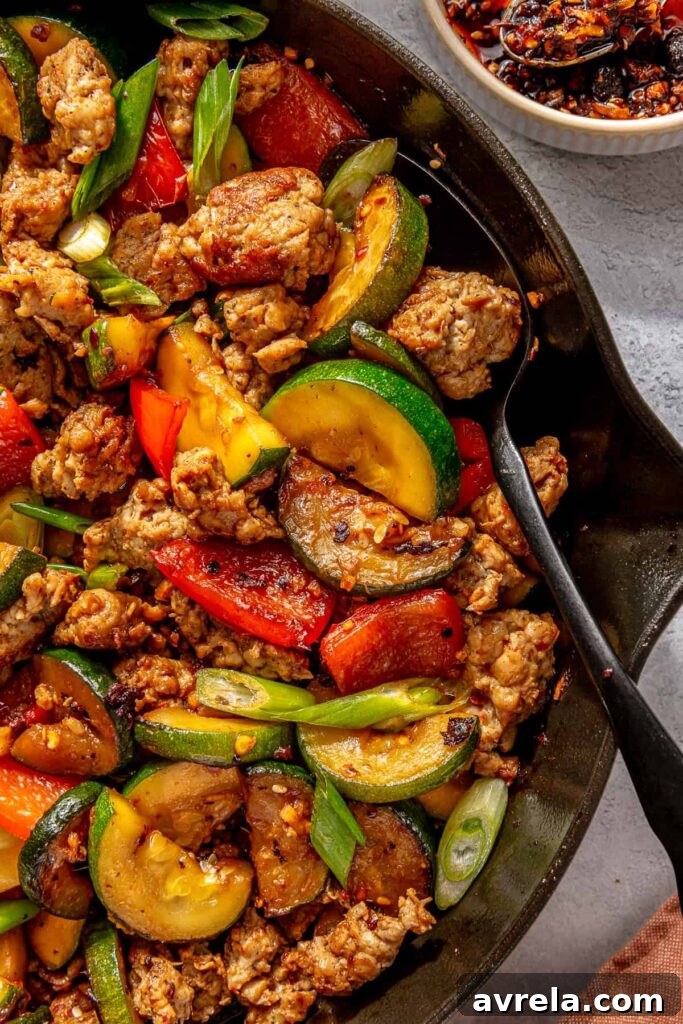
3. The Power of Protein: Aiming for 100+ Grams Daily During Pregnancy
It’s likely not a shocker to hear that protein is paramount during pregnancy. Indeed, the best advice I can offer for a truly nourishing pregnancy is to embrace a high-protein diet. Proteins are the fundamental building blocks of life, and considering you are quite literally building a new life from scratch, ensuring adequate protein intake is non-negotiable. Every cell in your baby’s body, from their developing brain to their tiny muscles and bones, relies on a steady supply of amino acids from protein. Furthermore, your own body’s needs escalate dramatically as it creates the placenta (a new organ!), expands blood volume (up to 50%), and grows uterine tissue and breast tissue to prepare for breastfeeding.
Beyond fetal development, high-protein foods offer immense benefits for the expectant mother. They are naturally filling and promote satiety, keeping you fuller for longer periods compared to carbohydrate- or fat-heavy meals. This sustained fullness helps stabilize blood sugar levels, preventing the dreaded “hangry” crashes, managing energy slumps, and reducing the likelihood of intense cravings, which can be particularly challenging during pregnancy. Importantly, consuming enough protein regularly can significantly help alleviate common pregnancy-related discomforts like nausea and fatigue. It provides a steady stream of amino acids, which are crucial for energy production, hormone balance, and even supporting muscle mass, which can be beneficial during labor and recovery.
The recommendation to aim for 100 grams of protein or more per day might initially seem like a significant leap, especially if your current intake is lower. Conventional nutrition guidelines have historically suggested around 60 grams of protein per day for an average-weight woman, often based on older, limited research. However, more contemporary research provides a clearer picture: protein needs dramatically increase throughout pregnancy. Requirements rise by approximately 39% in early pregnancy and can surge up to 73% by the third trimester when fetal growth is most rapid and the placenta is at its largest. For the average-weight woman, this means an optimal protein intake can indeed exceed 100 grams per day to meet both maternal and fetal demands without depleting the mother’s own reserves or impacting her muscle mass and energy.
Meeting this goal is more achievable than you might think when you integrate protein into every meal and snack. For example, two large eggs provide about 12 grams, a 4oz chicken breast around 35-40 grams, a cup of Greek yogurt about 20-25 grams, and a serving of lentils or beans about 15-20 grams. By strategically combining these throughout the day, hitting 100+ grams becomes a delicious reality. Start your day with protein-rich breakfast, add protein to your snacks, and ensure a substantial protein source at lunch and dinner. If you’re ready to confidently increase your daily protein consumption and understand the ‘how-to’, delve into these insightful posts: How I Eat 100 Grams of Protein Daily, What I Eat In A Day (110+ Grams of Protein), & The Truth About High Protein Diets.
Top Protein Sources for Optimal Pregnancy Nutrition
Achieving your daily protein goal involves more than just quantity; it’s also about consuming a variety of high-quality protein sources to ensure you receive an optimal balance of essential amino acids, along with a wide spectrum of complementary vitamins and minerals. While many foods contain protein, some stand out for their exceptional nutrient density, particularly animal proteins, which often provide a complete amino acid profile and highly bioavailable micronutrients:
- Beef: A powerhouse of nutrition, beef (especially grass-fed) provides high-quality, complete protein along with critical nutrients like highly bioavailable iron (essential for preventing anemia and supporting increased blood volume), zinc (crucial for immune function, cell division, and DNA synthesis), and B12 (vital for neurological development, red blood cell formation, and energy). Choose lean cuts to manage saturated fat intake.
- Chicken & Poultry: Lean, versatile, and easily digestible, chicken and other poultry offer excellent sources of complete protein without excessive saturated fat. They also provide essential B vitamins like niacin and B6, which are important for energy metabolism and baby’s brain development, along with selenium, an antioxidant mineral that supports thyroid health.
- Fish: Certain fish are invaluable for their protein content combined with omega-3 fatty acids, particularly DHA and EPA, which are critical for your baby’s brain and eye development. These fats also support maternal mood and may reduce the risk of preterm birth. It’s important to choose low-mercury options such as wild salmon, sardines, anchovies, mackerel (low-mercury varieties like Atlantic or Pacific), and trout. Aim for 2-3 servings per week.
- Dairy Products: Greek yogurt, cottage cheese, milk, and hard cheeses are excellent sources of protein, calcium (vital for your baby’s bone and tooth development, and preventing bone density loss in the mother), and vitamin D (for calcium absorption and immune support). Many dairy products are also rich in probiotics, which contribute to a healthy gut microbiome.
- Eggs: As highlighted earlier, eggs are a complete protein source, offering essential amino acids, choline, and healthy fats, making them an indispensable part of a prenatal diet.
For those seeking plant-based or supplementary protein, consider:
- Legumes: Beans (black beans, chickpeas, kidney beans), lentils, and peas are packed with protein, fiber, and folate. Combining them with grains like rice or quinoa can create a complete protein profile.
- Nuts & Seeds: Almonds, walnuts, chia seeds, flax seeds, hemp seeds, and pumpkin seeds offer protein, healthy fats (including some omega-3s), fiber, and various minerals like magnesium, iron, and zinc. They make excellent snacks or additions to meals.
- Tofu & Tempeh: Soy-based products are complete protein sources and can be incredibly versatile in meals, offering additional minerals like iron and calcium. Choose organic, non-GMO options.
- Quinoa: This ancient grain is unique in that it’s a complete protein, containing all nine essential amino acids, along with fiber and various micronutrients like magnesium and manganese.
By incorporating a diverse range of these protein sources into your daily diet, you ensure a comprehensive intake of the building blocks necessary for a thriving pregnancy, supporting both your health and your baby’s optimal development.
Unlock More Protein-Packed Meal Ideas
For even more innovative ways to integrate high-quality protein into your daily routine, consider exploring ‘The High Protein Plate’ for a wealth of ideas and recipes designed to make nourishing yourself delicious and easy during this special time.
Eating Well During Pregnancy: Practical Tips & Gentle Reminders for a Joyful Journey
Navigating pregnancy nutrition effectively means adopting sustainable habits and a mindset of flexibility and self-compassion. Remember, every little effort contributes significantly to your well-being and your baby’s development. Here are some practical tips and gentle reminders to guide you through your unique pregnancy journey:
- Eat Regularly: Aim to eat balanced meals or snacks every 3–4 hours. This consistent intake helps maintain stable energy levels, prevents drastic blood sugar fluctuations, and can significantly reduce common pregnancy discomforts like nausea, dizziness, and low blood sugar crashes. Regular eating ensures a continuous supply of essential nutrients to your baby, supporting their constant growth and development.
- Prioritize Real, Whole Foods: Focus on minimally processed, whole foods as the cornerstone of your diet. Think fresh fruits, a rainbow of vegetables, lean proteins, healthy fats (like avocados, nuts, seeds, olive oil), and whole grains. These foods are packed with the synergistic nutrients your body craves and are naturally free from unnecessary additives, artificial ingredients, and empty calories found in highly processed items. Planning ahead and preparing double batches of dinners ensures you always have nourishing leftovers on hand, making healthy choices easier on busy days or when fatigue strikes.
- No Need for Perfection: Understand that some days will be harder than others. Morning sickness, intense food aversions, and overwhelming fatigue are real challenges that can derail even the best intentions. The goal isn’t flawless eating every single day, but rather consistent good choices over time. Practice self-compassion. If you have a day where vegetables are out of the question, simply aim to make one good decision at your next meal – perhaps prioritizing protein or sneaking a handful of spinach into a smoothie. Every small, positive step counts, and a flexible approach reduces stress around food.
- Supplements Support, Don’t Replace, Food: While a well-rounded diet is your primary foundation for nutrient intake, certain supplements are crucial during pregnancy to fill potential nutritional gaps. Folic acid/folate (to prevent neural tube defects), iron (to support increased blood volume and prevent maternal anemia), DHA (for baby’s brain and eye development), and Vitamin D (for bone health, immune function, and reducing risks of preeclampsia) are often recommended by healthcare providers. However, remember that these are designed to support and fill nutritional gaps, not to replace the rich and diverse nutrients obtained from whole, real foods. For specific guidance on prenatal supplements, you can read more about my personal pregnancy supplement regimen here. Always consult with your doctor or a registered dietitian before starting any new supplements.
- Stay Hydrated: Drinking plenty of water is often overlooked but incredibly important during pregnancy. It aids digestion, helps carry vital nutrients to your baby, prevents constipation, and can reduce swelling and fatigue, which are common complaints. Aim for 8-12 glasses (64-96 ounces) of filtered water daily, and listen to your body’s thirst cues. Herbal teas approved for pregnancy can also contribute to your fluid intake.
- Listen to Your Body: Pregnancy can bring unique cravings and aversions that change throughout the trimesters. While it’s important to prioritize nutrient-dense foods, also listen to what your body tells you. Sometimes, a craving might signal a specific nutrient need (e.g., a craving for red meat due to iron deficiency). Other times, an aversion might be a temporary phase. Find what works for you and consult with your healthcare provider or a registered dietitian if you have persistent concerns or unusual cravings (like pica).
By focusing on these three essential food categories—eggs, colorful vegetables, and high-quality protein—and embracing a flexible, nutrient-first approach, you can confidently nourish yourself and your baby throughout this miraculous journey. Enjoy the process of eating well and celebrating the powerful connection between your plate and your baby’s incredible growth and development!
Sources:
Nichols, Lily. Real Food For Pregnancy. 2018.