
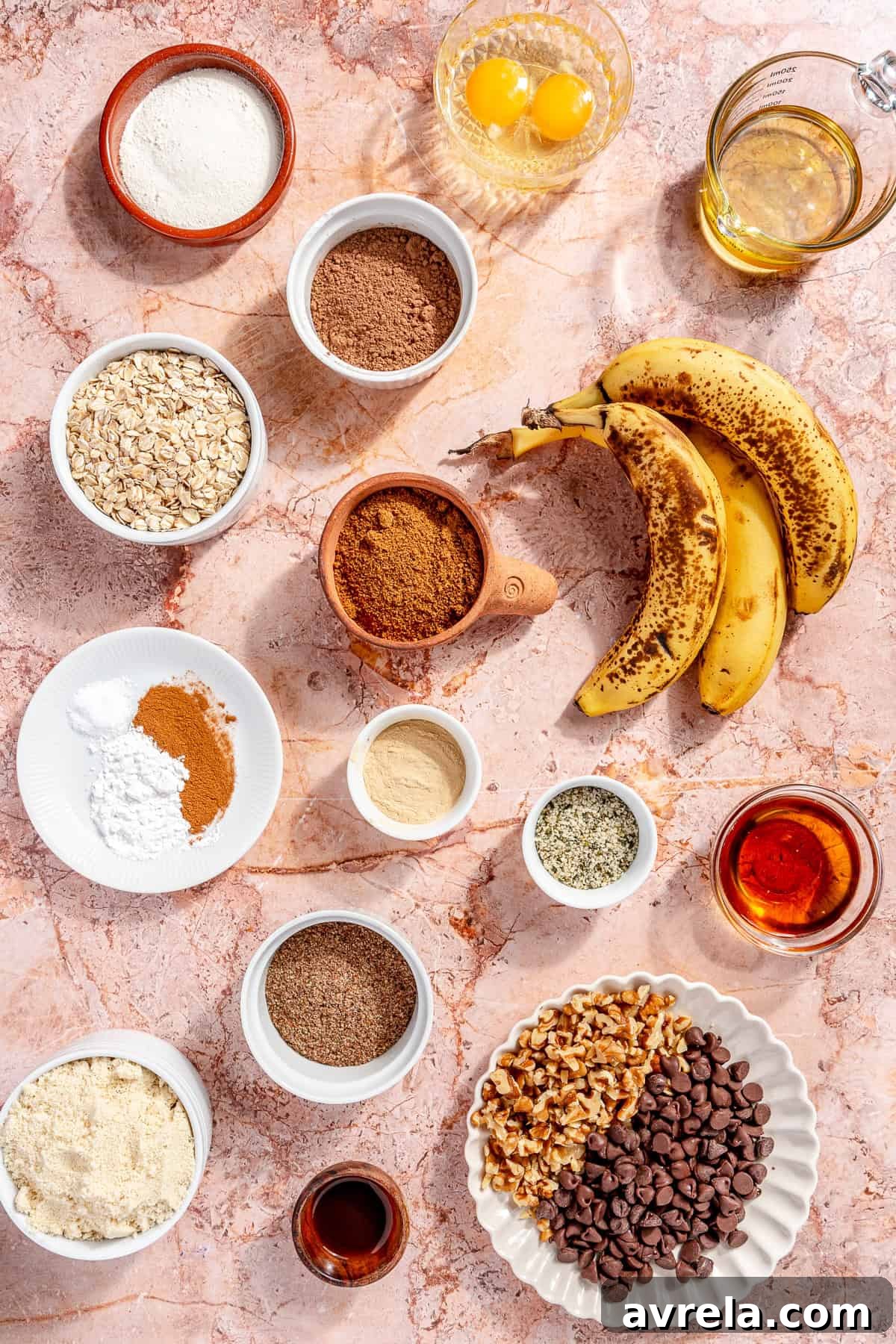
Whether you’re navigating a dietary restriction, managing an egg allergy, embracing a plant-based lifestyle, or simply found yourself fresh out of eggs in the middle of a recipe, the good news is that culinary creativity knows no bounds. Eggs, while often considered an essential ingredient in countless dishes, perform several vital functions: they bind ingredients, add moisture, act as a leavening agent for rise, and contribute to texture and flavor. Understanding these roles is the first step to successfully substituting them without compromising the integrity or deliciousness of your creations. With the right knowledge and a few clever swaps, you can achieve fantastic results in both your baking and cooking. This comprehensive guide will explore the best egg replacements available, detailing their uses, benefits, and how to incorporate them seamlessly into your favorite recipes.
The Indispensable Role of Eggs in Culinary Arts
Before diving into substitutes, it’s helpful to understand exactly what eggs bring to a recipe. Their versatility is why they’ve been a staple in kitchens worldwide for centuries, but also why choosing the right replacement is crucial.
- Binding: Eggs contain proteins that coagulate when heated, forming a structural network that holds ingredients together. This is essential in meatballs, veggie burgers, fritters, and many baked goods, preventing them from crumbling.
- Leavening: When whipped, egg whites trap air, which expands during baking to create light, airy textures in cakes, soufflés, and meringues. Whole eggs also contribute to the rise in muffins and quick breads.
- Moisture and Texture: The liquid content of eggs adds moisture, contributing to a tender crumb in baked goods. They also help create a smooth, rich texture in custards, puddings, and sauces.
- Emulsification: Egg yolks are natural emulsifiers, meaning they help blend ingredients that normally separate, like oil and water. This is vital in mayonnaise, hollandaise sauce, and certain batters.
- Flavor and Color: Eggs impart a subtle richness and contribute to the golden-brown crust of many baked items.
Recognizing which of these functions is most critical for your specific recipe will guide you toward the most effective egg substitute.
Your Ultimate Guide to Top Egg Replacements for Baking and Cooking
From plant-based binders to fruit-based moisturizers, here are some of the most reliable and readily available egg alternatives that will help you achieve your culinary goals.
1. Flax Egg – The Plant-Based Powerhouse
Often considered the gold standard in vegan baking, the flax egg is my number-one recommendation for anyone seeking a versatile, plant-based alternative. Ground flaxseeds, rich in soluble fiber and omega-3 fatty acids, form a gelatinous substance when mixed with water, perfectly mimicking the binding properties of an egg.
- How to make it: To replace one large egg, thoroughly mix 1 tablespoon of ground flaxseed meal with 3 tablespoons of water. Stir the mixture well and allow it to sit for 5 to 10 minutes. During this time, the flaxseed will absorb the water and thicken into a gooey, egg-like consistency. For best results, grind whole flaxseeds fresh for maximum potency and nutrient availability.
- Best for: Flax eggs excel as a binder in a wide array of recipes. They are particularly effective in pancakes, muffins, quick breads, cookies, and denser cakes where structure is key. Beyond baking, they are fantastic for holding together savory dishes like veggie burgers, meatballs, and even as a coating binder for chicken cutlets or breaded vegetables. While flax eggs are excellent binders, they offer minimal leavening, so consider pairing them with additional leavening agents like baking powder or soda for recipes requiring significant lift.
2. Chia Egg – A Versatile Vegan Binder
Much like flax seeds, chia seeds are tiny nutritional powerhouses that create a similar gel-like texture when hydrated. They are an excellent alternative for adding structure and moisture, especially in recipes where a subtle textural addition is welcome.
- How to make it: To replace one egg, combine 1 tablespoon of whole or ground chia seeds with 3 tablespoons of water. Stir thoroughly and let the mixture sit for 5 to 15 minutes. The chia seeds will expand and form a thick, mucilaginous gel. Ground chia seeds tend to create a smoother gel, which might be preferable for certain delicate baked goods, while whole chia seeds can add a slight textural crunch.
- Best for: Chia eggs are particularly well-suited for baked goods that require good structure, such as brownies, heavier cakes, and robust cookies. They also work wonderfully in savory applications like fritters, veggie patties, and as a binder in gluten-free recipes. The slight nutty flavor of chia seeds is generally mild but can be a delicious complement to many sweet and savory dishes. Like flax eggs, chia eggs primarily serve as a binder and moisturizer, offering little in terms of leavening.
3. Applesauce – Natural Sweetness and Moisture
Unsweetened applesauce is a fantastic, readily available option that excels at adding moisture and some binding to your baked goods. It’s particularly effective in recipes where you desire a tender, soft crumb.
- How to use it: Replace 1 egg with ¼ cup (approximately 60ml) of unsweetened applesauce. Using unsweetened applesauce is crucial to control the sugar content of your recipe, allowing you to adjust sweetness as desired.
- Best for: Applesauce performs exceptionally well in cakes, muffins, quick breads, and some cookie recipes. It adds a natural sweetness and significant moisture, which can be a double-edged sword: while it keeps baked goods from drying out, it can also make them denser if too much is used. Due to its inherent sweetness and fruit flavor, applesauce is best reserved for sweet recipes rather than savory dishes. It’s a good choice for replacing up to two eggs in a recipe, beyond which the texture might become too moist or heavy.
4. Mashed Banana – A Fruity Twist
For those who appreciate a hint of banana flavor, mashed banana is an excellent egg substitute that contributes both binding properties and natural sweetness, alongside a good dose of moisture.
- How to use it: To substitute for 1 egg, use ½ of a medium-sized ripe banana, thoroughly mashed until smooth. The riper the banana, the sweeter it will be and the easier it will be to mash into a consistent puree. Ensure there are no large chunks for an even texture in your final product.
- Best for: Mashed banana is perfect for pancakes, muffins, quick breads, and brownies. Its distinct flavor makes it a natural fit for sweet recipes, often enhancing the overall taste profile. However, this also means it’s generally not suitable for savory cooking unless a banana flavor is specifically desired. Like applesauce, mashed banana contributes moisture and can make baked goods denser, so it’s best for recipes that can accommodate this richer, slightly heavier texture. It’s generally recommended for replacing no more than one or two eggs.
5. Aquafaba – The Meringue Miracle
Aquafaba, the brine from canned chickpeas or other legumes, is perhaps one of the most surprising and versatile egg substitutes, especially for mimicking egg whites.
- How to use it: Three tablespoons of aquafaba can replace one whole egg, while two tablespoons can replace one egg white. For whipping, use the liquid from a can of unsalted chickpeas. Whip it with an electric mixer until it forms stiff peaks, much like egg whites.
- Best for: Aquafaba is a miracle worker for meringues, macarons, mousses, and even vegan mayonnaise. It can also be used as a binder in some savory dishes and baked goods where its neutral flavor is an advantage. It’s exceptional for adding lightness and airiness.
6. Silken Tofu – The Smooth Operator
Silken tofu, known for its smooth, creamy texture, is an excellent binding agent that adds protein without imparting a strong flavor, making it incredibly versatile.
- How to use it: For each egg, use ¼ cup (about 60g) of puréed silken tofu. Ensure it’s blended completely smooth to avoid any lumps in your recipe.
- Best for: Silken tofu shines in recipes that require a creamy, rich texture and strong binding, such as quiches, cheesecakes, creamy sauces, puddings, and dense cakes. It adds a lovely richness and can replace up to three eggs effectively without significantly altering the flavor profile. It’s particularly useful in savory applications where moisture and structure are needed.
Expert Tips for Mastering Egg-Free Recipes
Transitioning to egg-free cooking and baking can be a seamless experience with a few key considerations:
- Understand the Recipe’s Needs: Identify the primary role of the egg in your specific recipe. Is it for binding, leavening, moisture, or all three? This will help you select the most appropriate substitute.
- Start Small: If you’re new to egg replacements, begin with recipes that call for only one or two eggs. This allows you to experiment without risking a large batch of ingredients.
- Don’t Overmix: Egg-free batters can often become tough if overmixed. Mix just until ingredients are combined.
- Adjust Baking Times and Temperatures: Some egg-free baked goods may require slightly longer baking times or a slightly lower temperature to cook through evenly and prevent over-browning. Keep a close eye on your oven.
- Consider Texture Expectations: Be prepared that the final texture might be slightly different. For instance, flax eggs tend to create a denser, chewier texture, while fruit purées add more moisture.
- Embrace Experimentation: The world of egg substitutes is vast! Don’t be afraid to try different options and combinations to find what works best for your palate and preferred recipes.
Choosing the Right Egg Replacement for Every Culinary Adventure
Navigating the world of egg replacements is an empowering journey that opens up a realm of possibilities for those with dietary restrictions, allergies, or simply a desire to experiment. The best egg replacement for baking and cooking truly depends on the specific demands of your recipe. Flax and chia eggs stand out as incredibly versatile all-purpose binders, suitable for a wide range of applications from muffins to savory patties. Applesauce and mashed banana, on the other hand, bring not only binding qualities but also significant moisture and natural sweetness, making them ideal for delectable sweet treats. Aquafaba and silken tofu offer specialized functions, from creating airy meringues to rich, creamy quiches.
By keeping these fantastic substitutes in your culinary arsenal and understanding their unique properties, you’ll be well-equipped to tackle any recipe with confidence. No longer will running out of eggs, or adhering to dietary needs, stand in the way of creating delicious, satisfying meals and desserts. Embrace the flexibility and creativity that egg replacements offer, and you’ll discover that your kitchen will become an even more exciting place to explore new flavors and textures!
For my kitchen, cooking, and baking essentials (& more!), shop my Amazon Storefront.