
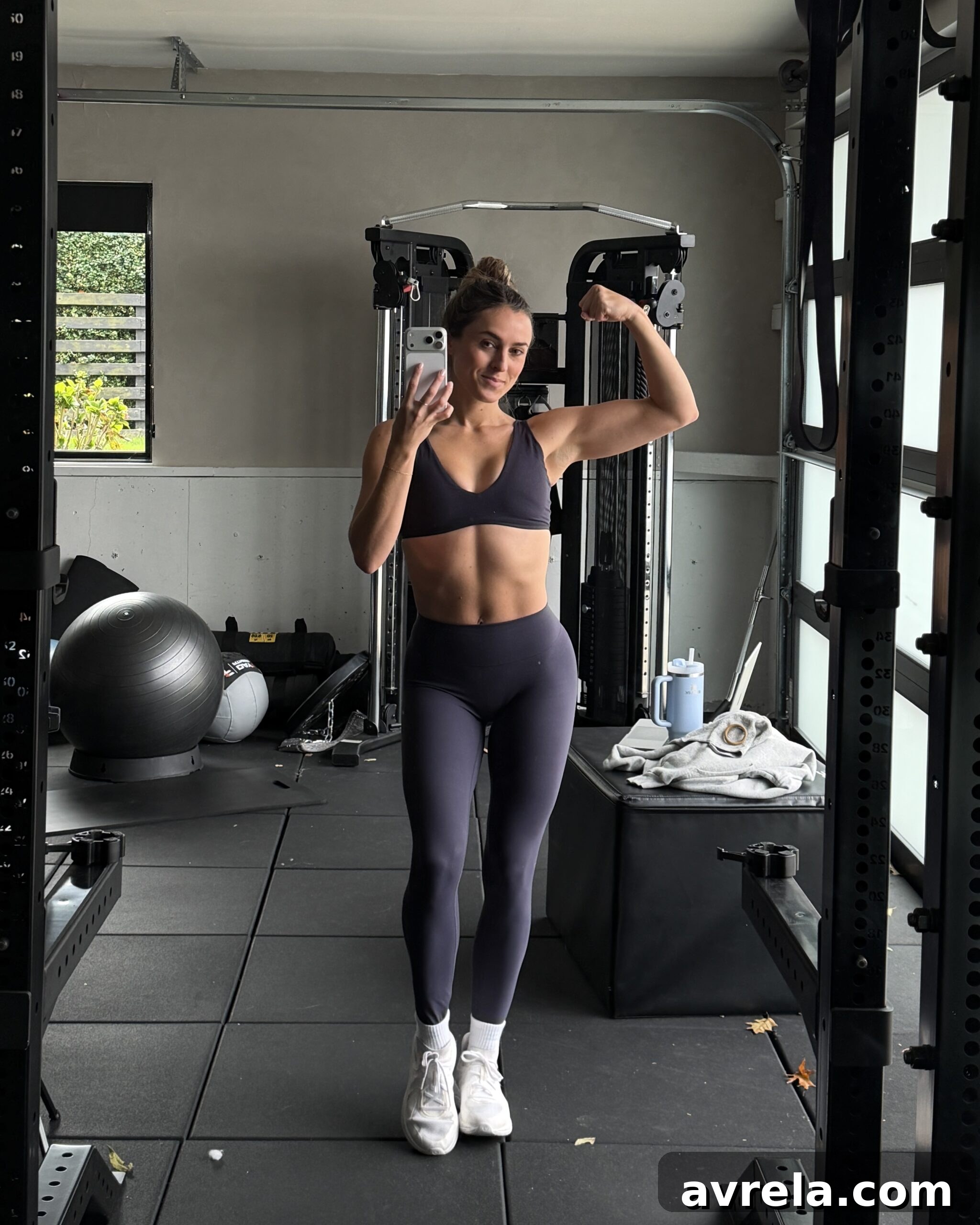
This blog post takes you on an intimate journey through my postpartum fitness transformation – a path where I meticulously rebuilt strength, passionately restored my confidence, and diligently found balance in life, all beginning 16 months after welcoming my baby into the world. It’s a story of patience, strategy, and self-compassion, designed to inspire and guide fellow mothers on their unique recovery paths.
Had anyone told me that I’d feel profoundly reconnected with myself just a few weeks after resuming my workout routine, I might have chuckled in disbelief. The journey of pregnancy itself was monumental, altering my body and my life in countless ways. Yet, by approximately eight months postpartum, I finally felt a deep-seated readiness to commit to a structured fitness plan. And by the time I completed the first round of my 8-Week Strength Guide – which concluded around June 2025 – I was genuinely surprised to feel stronger, more vibrant, and more confident than I had in a very long time. This wasn’t merely a physical shift; it was a profound mental and emotional rejuvenation.
Reaching this point, however, was far from an overnight success. It demanded time, understanding, and a gentle approach. I certainly didn’t immediately dive back into an intense exercise regimen right after receiving clearance from my doctor postpartum. Instead, I adopted a pace that was deliberately slow, allowing my body the grace and space it needed to heal. My initial movements were simple yet impactful: leisurely neighborhood strolls, mindful stretching sessions, and dedicated breathing exercises aimed at re-establishing a vital connection with my core and pelvic floor muscles. In fact, I found immense value in working through my GOOD // SWEAT Pregnancy Guide in reverse, starting from week 36 and moving backward. These specific workouts are intentionally slow, deeply intentional, and laser-focused on the precise needs of a postpartum body: enhancing stability, mastering breath work, and safely rebuilding foundational strength from the ground up.
Embracing Realism: Your Postpartum Exercise Recovery Journey
Let’s be unequivocally honest: the pervasive “bounce back” culture that permeates postpartum fitness narratives is not only unhelpful but genuinely harmful, and it needs to be dismantled. Personally, I never felt the crushing pressure to hastily resume workouts or strive to instantaneously reclaim my pre-baby physique. However, I am acutely aware that countless new mothers grapple with this burden, largely due to the often-unrealistic portrayals they encounter across social media platforms. My singular focus, from the moment Hayes arrived, was on profound healing – because the undeniable reality is that your body has just accomplished the most awe-inspiring, miraculous feat imaginable. It nurtured and brought forth new life, and such an extraordinary undertaking necessitates an equally extraordinary period of recovery.
Here’s an incredible biological fact to put things into perspective: your uterus expands by up to 500 times its normal size throughout pregnancy. This isn’t just about your belly visibly stretching; it’s a complex internal orchestration where your vital organs literally shift their positions, and your ligaments deliberately loosen to accommodate the relentless growth of your baby. Given this intricate remodeling, it becomes abundantly clear why a thorough and unhurried recovery process is not just recommended, but absolutely essential. Ignoring these profound physiological changes can have long-term implications for a mother’s health and well-being.
During the initial months following Hayes’ birth, my world revolved primarily around my bed or the comforting embrace of the couch – and I proclaim that with immense pride. I prioritized rest above all else, cherishing every moment of bonding with him, and consciously allowing my body the uninterrupted time it desperately needed to heal and recalibrate. I inherently understood that establishing a robust foundation of rest and recovery would render my eventual return to exercise immeasurably smoother and more effective down the line. This period of intentional stillness was not a setback, but a crucial investment in my future health and fitness.
Embracing the Unpredictability: Why Workout Consistency Arrived Later for Me
It’s important for me to share transparently that I didn’t truly establish a consistent, structured workout rhythm until approximately eight months postpartum – and I am entirely at peace with that reality. This delay wasn’t due to a lack of desire or motivation, but rather the overwhelming demands of navigating life as a first-time parent, which is an all-encompassing, full-time workout in itself. Simultaneously, I was juggling the relentless deadlines for my next cookbook, a project that required intense focus and energy. Between these two monumental life events, I often felt my resources stretched incredibly thin, leaving little room for a rigid fitness schedule.
Despite the lack of a formal routine, I remained committed to movement whenever and however I could integrate it into my day. This looked like invigorating stroller walks with Hayes, impromptu dumbbell circuits squeezed in during fleeting moments, or a few restorative squats and stretches performed during nap time in our home gym. It was far from perfect, often fragmented and unpredictable, but crucially, it maintained my vital connection to physical activity. The most liberating aspect of this period was the absence of any feeling of “falling behind.” I recognized that I was simply living real life, embracing the beautiful, chaotic reality that so many new mamas experience. This flexibility and self-compassion were fundamental to my mental well-being during those challenging months, demonstrating that movement, in any form, counts and contributes to overall health.
The Tipping Point: When My Postpartum Fitness Routine Finally Clicked into Place
A significant turning point arrived after I had wrapped up the demanding cookbook shoot in California. It was then that I told myself, with a renewed sense of purpose, “Okay, now it’s truly time to prioritize this.” We were finally done with extensive travel for a while, and crucially, I found myself with a greater surplus of free time after the intense period of testing and re-testing 100 recipes and meticulously writing The High-Protein Plate. This newfound space in my life created the ideal opportunity to commit to my own well-being.
I enthusiastically embarked on my 8-Week Strength Guide, and I am being completely truthful when I say that after just one week into the program, I felt an incredible sense of returning to my true self. The power of following a structured program was immense; it immediately provided me with clear direction, much-needed accountability, and a palpable sense of purpose that I had been unknowingly missing for many months. This structured approach eliminated the mental guesswork and decision fatigue that often derail inconsistent fitness efforts.
Even as a certified trainer myself, I can attest that I thrive on structure in my workouts approximately 90% of the time. One of the most significant reasons people struggle to maintain consistency with their fitness goals – and this includes me – is the absence of a clear, actionable plan. A well-designed program brilliantly removes that mental load. It explicitly tells you what exercises to perform, when to do them, and precisely how to progress over time. This foundational principle is exactly how I meticulously designed my Strength Guides: to be intuitive, effective, and empowering for everyone. It simplifies the entire process, allowing you to focus purely on the movement and the effort.
If you’re feeling ready and eager to safely reintroduce strength training into your life, you can access the very same guide I used to kickstart my transformation directly on shopgoodeats.com. This comprehensive program spans eight weeks, featuring four thoughtfully planned workouts per week, with essential rest days strategically built in to optimize recovery and growth. It’s meticulously designed to integrate seamlessly into real life, understanding the demands of busy schedules. Most workouts commence at around 30 minutes in duration, gradually increasing to approximately 45-55 minutes as you progress into the more advanced weeks 5-8. To give you a taste of what to expect, the first two days of the program are conveniently included in the photos on the product listing, allowing you to try them out and experience the structure firsthand before committing.
My Current Regimen: Understanding Progressive Overload in Postpartum Strength Training
In the grand timeline of my postpartum fitness evolution, this phase truly marked the moment I began to unequivocally feel like myself again, not just physically, but energetically and mentally. It was a revelation of capability and resilience. After successfully completing the initial cycle of Strength Guide 1.0, I intentionally allowed myself a brief period of active recovery. This involved plenty of walking, engaging in invigorating incline treadmill sessions, and embracing intuitive “move-how-I-feel” workouts, which allowed my body to recover without completely disengaging. Then, approximately two weeks later, I made the strategic decision to go right back and repeat the same guide. Repeating a program is, in my experience, always a game-changer and is something I wholeheartedly recommend to anyone embarking on this fitness journey.
There’s a fundamental reason why this repetition is so profoundly effective: it’s entirely centered around the principle of progressive overload. This isn’t just a fitness buzzword; it’s a scientifically proven mechanism for growth. Progressive overload refers to the gradual and systematic increase of stress placed upon the body during exercise training over time. This can manifest in various ways: each week, your objective might be to lift a slightly heavier weight, add an extra repetition to your sets, or intentionally slow down your tempo to enhance muscular control and time under tension. These seemingly tiny, incremental progressions are the true architects of significant, long-lasting results in strength, endurance, and muscle definition.
When I committed to going through the program for a second time, I possessed invaluable insight: I already knew my personal records (PRs) from Week 8 of my first round. This foreknowledge allowed for a highly strategic approach. Yes, I deliberately started back with bodyweight-only exercises and very light weights during Weeks 1-2, prioritizing perfect form and muscle activation. However, by Weeks 4-5, I could confidently push myself with a subtle yet impactful increase – perhaps an extra five pounds here, an additional rep there. By Week 7 or 8 of my second cycle, I was lifting my heaviest weights to date, and the tangible changes in my strength, muscle tone, and overall body composition were undeniable and incredibly motivating. The added benefit of knowing what to expect during this second pass significantly reduced any mental friction and allowed for a more focused and effective training experience.
Following this successful double-cycle of Strength Guide 1.0, I smoothly transitioned into Strength Guide 2.0. This advanced program thoughtfully elevates every aspect of training – introducing new strength splits to target muscle groups more efficiently, incorporating heavier compound lifts for maximum impact, and integrating more sophisticated progressions. It’s another meticulously designed eight-week program that, while challenging, remains entirely realistic and sustainable for busy individuals. You can explore and find it here, ready to take your strength journey to the next level.
My Go-To Fitness Accessories
Fueling the Foundation: My Nutrition Strategy for Sustained Strength
Here’s a critical truth often overlooked: your most dedicated workouts will only yield limited returns if you’re not adequately fueling your body. This principle becomes even more profoundly significant during the postpartum period, a time when your body is actively engaged in a monumental process of rebuilding and regenerating from the inside out. Proper nutrition isn’t just about weight management; it’s about providing the essential building blocks for repair, energy, and overall vitality.
Over the past several years, I’ve consciously made a substantial shift in my dietary approach, prioritizing high-protein, whole-food meals and ensuring that I consume enough calories to robustly support my training regimen. On days when my lifting sessions are more intense and demand greater physical exertion, I strategically increase my calorie and carbohydrate intake. This targeted fueling strategy is crucial for facilitating optimal muscle recovery, replenishing glycogen stores, and enabling efficient muscle rebuilding – all vital components of progressive strength gains.
Protein, in particular, stands as an indispensable macronutrient. It’s not solely about building and repairing muscle tissue; protein plays a multifaceted role in stabilizing hormones, maintaining a high and efficient metabolism, and promoting sustained satiety, which helps prevent overeating and maintains stable energy levels throughout the day. Muscle tissue is metabolically active, meaning that the more muscle you possess, the more calories your body naturally burns at rest. This fundamental biological fact underscores why prioritizing protein intake alongside consistent weightlifting is such a remarkably powerful combination for enhancing body composition, boosting energy levels, and supporting long-term health. Furthermore, I recently received the compelling results from my Function Health blood test, which indicated my biological age is an incredible 16.4 years old! This objective data provides immense validation for the healthy lifestyle I’ve cultivated over the past decade. It truly reinforces the profound difference that mindful nutrition and consistent movement can make in your body’s overall function and longevity.
A Day in the Life: My Typical Eating Regimen as a Dietitian, Trainer, and Mom
Understanding what a day of balanced eating looks like for me, balancing my roles as a dietitian, trainer, and busy mom, can offer practical insights. My approach is rooted in simplicity, maximizing nutrients, and ensuring sustained energy:
Pre-workout Fuel: For my strength training days, I typically opt for Purely Elizabeth blueberry oats, prepared with water for easy digestion. To boost the protein content, I stir in about half a scoop of this specific protein powder (remember to use code ‘rachaelsgoodeats’ for a discount), then finish with a light drizzle of almond milk. This combination provides quick-digesting carbohydrates for energy and protein for muscle support. If it’s a rest day or a lighter cardio day and I don’t require as much immediate fuel, an RXBAR serves as a convenient and nourishing option in the early morning.
Breakfast/Post-workout Recovery: My go-to post-workout meal is a nutrient-dense protein smoothie. It features 1.5 servings of Ritual protein powder, blended with almond milk, ice, half a frozen banana for natural sweetness and potassium, a quarter cup of frozen blueberries for antioxidants, one heaping tablespoon of peanut butter for healthy fats, one tablespoon of ground flaxseed for fiber and omega-3s, 5 grams of creatine for strength and recovery, and one tablespoon of psyllium husk for added fiber and digestive health.
Lunch: Lunch often consists of delicious leftovers from dinner the previous night, which is a fantastic time-saver and ensures I’m getting quality nutrition. When time is exceptionally tight, my quick 5-minute chicken salad is a lifesaver. I combine Wild Planet canned organic chicken breast with creamy avocado, a dollop of pesto for flavor, salt and pepper, hemp seeds for healthy fats, and a sprinkle of red chili flakes for a subtle kick. I enjoy this with crackers or piled high on toasted sourdough bread.
Afternoon Snack: To bridge the gap between lunch and dinner and keep my energy stable, I typically reach for a Chomps meat stick paired with a handful of nuts and seeds. This combination provides a balanced mix of protein and healthy fats to maintain satiety.
Dinner: My dinners are hearty and nourishing, often something akin to my Healthy Taco Turkey Chili With Butternut Squash. These meals are designed to be satisfying, packed with protein and vegetables, and deeply flavorful.
The beauty of this eating style is its sheer simplicity and lack of restriction. My core philosophy is to thoughtfully build every meal around a substantial protein source, then complement it with a variety of quality carbohydrates and healthy fats. It’s an intuitive approach that prioritizes nutrient density and empowers my body.
If you’re aspiring to increase your protein intake but feel unsure of where to begin, my forthcoming cookbook, The High-Protein Plate, was meticulously crafted with you in mind. It’s an invaluable resource brimming with 100 high-protein, gluten- and dairy-free recipes – spanning everything from invigorating breakfasts to delectable desserts – all designed to help you nourish your body in a way that profoundly supports your overall health, hormonal balance, and personal fitness goals. You can easily pre-order your copy here and embark on a delicious journey to a stronger, more energized you.
The Payoff: My Postpartum Fitness Results 16 Months Later
As I recently shared on Instagram, I genuinely believe my arms are the most toned and defined they have ever been in my life – and I must credit my energetic toddler for a significant portion of that. Constantly carrying Hayes, who feels like a lively, 25-pound kettlebell with very strong opinions, is an intense form of functional strength training in itself! Beyond that, it’s also truly remarkable to recognize the incredible strength and stability my core possesses right now. There’s an immense sense of satisfaction and pure excitement when you’ve dedicated so much hard work and can visibly and tangibly see the profound results of your efforts. It’s a powerful validation of consistency and smart training.
But beyond the delightful, personal “tiny toddler dumbbell,” the most impactful contributors to my current physique and strength are my consistent embrace of progressive overload-style training and a steadfast commitment to a high-protein, low-added-sugar lifestyle. My journey towards this nutritional philosophy began years ago with my 7-Day Added Sugar Detox, a program that fundamentally reshaped my entire approach to food, cravings, and mindful eating. Over time, I’ve learned that the most sustainable and effective results stem from a holistic approach: eating better, training smarter with purpose, and prioritizing adequate rest. This mindful combination invariably leads to superior outcomes, avoiding the pitfalls of restrictive diets or the debilitating effects of burnout from overtraining.
At 16 months postpartum, I stand proudly feeling stronger, healthier, and radiating more confidence than I did even before pregnancy. Crucially, I’ve achieved these results without resorting to any drastic, unsustainable habits like excessive overtraining or dangerously under-eating. My hope in sharing this journey is to offer a beacon of hope and practical guidance if you, too, are feeling stuck or overwhelmed on your own postpartum path. You absolutely do not need to overhaul your entire life in one go. Instead, I encourage you to simply start small, intentionally seek out structure that resonates with you, and commit to staying consistent, even through the inevitable ups and downs. Your journey is uniquely yours, and every step forward, no matter how small, is progress.
Empowering Wisdom: Essential Tips for Postpartum Moms on Their Fitness Journey
Navigating the postpartum period requires patience, self-compassion, and strategic planning. Here are some invaluable tips to guide you on your unique fitness journey:
- Embrace a Gradual Return: Don’t Rush Back. Your body has undergone profound changes during pregnancy and childbirth. Healing is not just a part of the process; it is the absolute foundation. Give yourself permission to recover thoroughly before pushing into intense exercise. Rushing can hinder long-term healing and potentially lead to injury.
- Prioritize Core and Pelvic Floor Reconnection. Before any traditional exercise, reconnect with your breath and pelvic floor. This critical first step helps restore foundational stability and prevent common postpartum issues. Not entirely sure what this entails? I highly recommend exploring my Pregnancy Program. While I don’t currently have a dedicated postpartum training guide (yet!), this pregnancy program offers a wealth of invaluable information and exercises, meticulously designed with the input of a pelvic floor physical therapist. Starting the program in reverse, from later weeks backward, is an excellent and safe entry point for postpartum recovery, focusing on the gentle, intentional movements your body needs.
- Adopt a Structured Plan When Ready. Once you’re medically cleared and mentally prepared, following a structured workout plan is a game-changer. It eliminates guesswork, provides clear progression, and significantly boosts consistency. It’s truly amazing how much time and mental energy it saves. I’ve personally observed that when I’m not adhering to a program, I spend more time scrolling through my phone, taking extra breaks, and trying to decide what to do next. The benefits of a well-designed workout program from a trusted source, both for efficiency and effectiveness, are immense.
- Fuel Your Body Adequately, Especially with Protein. This is non-negotiable. Restriction, particularly inadequate calorie or protein intake, actively slows down your body’s recovery process. It can impede muscle repair, drastically impact your energy levels, and for breastfeeding mothers, it can even negatively affect milk supply. Your body is a powerhouse that needs consistent, quality fuel – especially abundant protein and sufficient calories – to rebuild strength, rebalance hormones, and recover comprehensively after the monumental feat of pregnancy and childbirth.
- Treat Rest Days as Non-Negotiable Training. Seriously, take your rest days with the same dedication you approach your workouts. This is when your muscles repair, adapt, and grow stronger. I witnessed this firsthand during my college years; when I tried to train 6-7 times a week without adequate breaks, I struggled immensely to see real, tangible results in the gym. Years later, when I learned the crucial importance of slowing down slightly and incorporating more strategic recovery days between my lifting and workout sessions, the difference was like night and day. I became leaner, noticed more defined muscle development, and possessed significantly more energy to lift heavier and push harder in my active sessions.
- Embrace Your Unique Postpartum Fitness Journey. This is perhaps the most crucial tip: your postpartum fitness journey absolutely does not need to mirror anyone else’s. Period. Avoid comparisons, listen to your body, celebrate every small victory, and forge a path that truly aligns with your personal needs, timelines, and well-being.