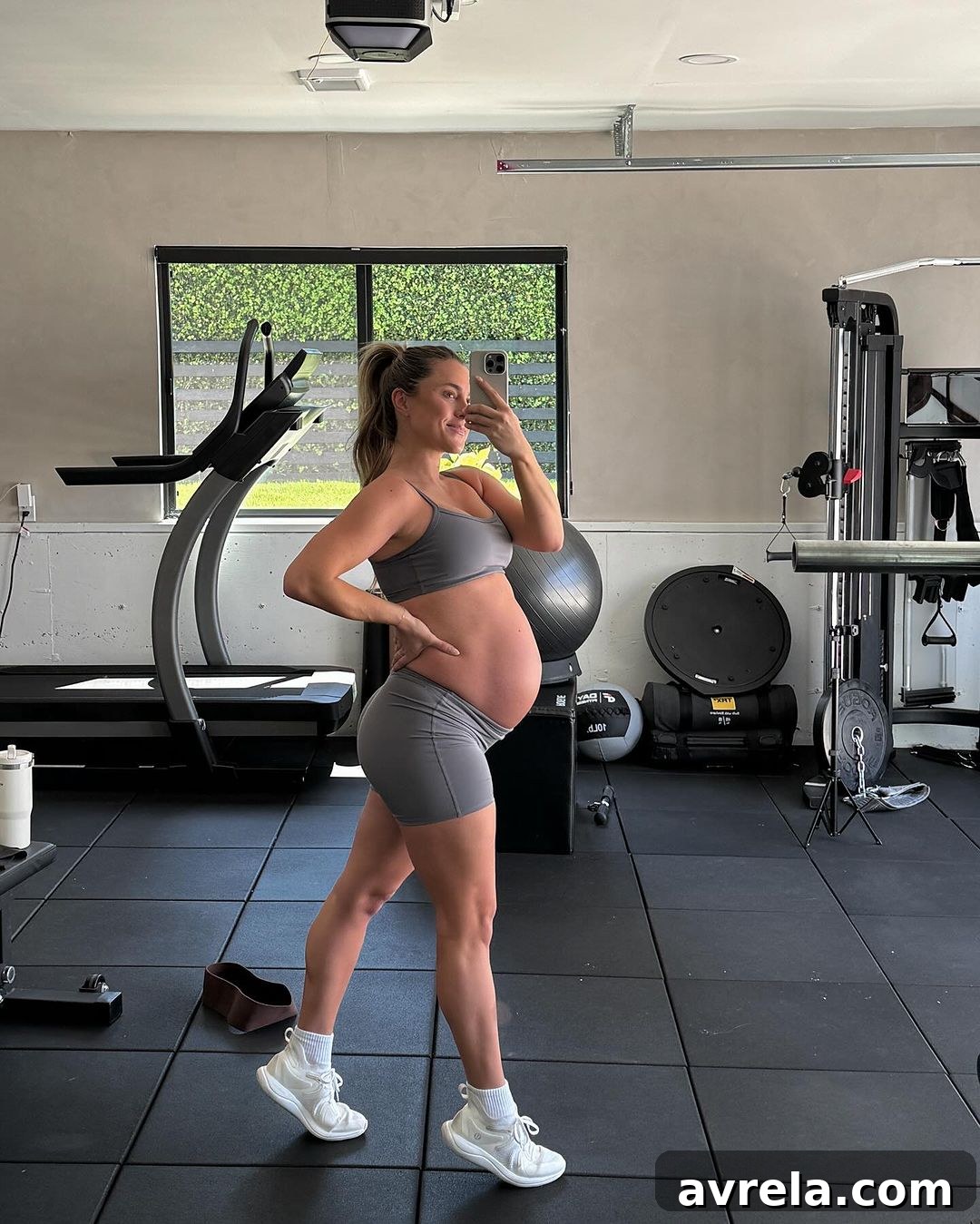
I hear from many women who worry about staying active during pregnancy. So much changes in those months, and feeling nervous about exercise is completely normal. When I discovered I was pregnant, I decided not only to become certified to train pregnant clients, but also to create a fitness guide for women at any stage of pregnancy. I wasn’t worried about abandoning my previous routine, but I knew I would adjust it across the 40 weeks as my body changed.
What I learned is that training during pregnancy is primarily about consistency, not intensity. I stopped stressing about adding weight to every squat and began prioritizing showing up for myself daily—regardless of how much I could give. Here’s why consistency beats intensity in pregnancy and practical ways to make it work for you.
Why Consistency Matters More Than Intensity
- Hormonal shifts and energy swings. Pregnancy brings ebbs and flows—energy can peak in the second trimester and dip during mornings or when you feel nauseous, sore, or tired. A realistic, approachable plan helps prevent burnout and reduces injury risk across every phase.
- Building sustainable habits. Twenty minutes of movement feels doable even on low-energy days. When energy is very low, a few minutes of stretching or a short walk can serve as your “workout,” helping you maintain momentum. Over time, daily movement—whether a full workout or a brief stretch—supports circulation, mood, and sleep.
- Protecting your body and baby. Gentle, regular exercise supports healthy weight gain and pelvic-floor health without overtaxing your joints or cardiovascular system.
How to Build Your Daily Movement Routine
- Know your limits.
- Learn to read your body and recognize days when you have less to give. Accepting those days is part of staying consistent long term. On higher‑energy days, enjoy a fuller workout; on lower‑energy days, opt for a gentle walk or stretching session.
- Plan a simple hierarchy: a few minutes of stretching for no‑energy days, a low‑impact workout or neighborhood walk for low‑energy days, and a fuller session plus a cool‑down when you feel strong.
- Schedule it into your day.
Identify the time when you feel best. Early in pregnancy you might prefer afternoons; later you may return to morning sessions. Block a 20–30 minute window and remove distractions so the time is truly for movement. - Adjust expectations and celebrate progress.
Pregnancy is unpredictable, so focus on showing up rather than performance. Be proud of consistent effort, not just load or volume. Use a simple journal or habit tracker to mark each day—checking the box builds momentum and reinforces the habit of daily movement.
Pro Tip: Keep resistance bands and a yoga mat by your bed or couch. When you wake up feeling sluggish, it’s easier to roll out and move a little.
How To Get Started
Staying active during pregnancy isn’t about chasing numbers or maxing out sessions. It’s about showing up in ways that feel good and sustainable. Over time, consistent short workouts become a powerful tool for maintaining energy, improving mood, and supporting a smoother pregnancy.
Ready to begin?
If you want a structured approach focused on consistency, a guided program with 20–30 minute pregnancy‑safe workouts can help. Look for plans that include low‑intensity and strength options, pelvic‑floor guidance, and nutrition basics to support healthy progress throughout pregnancy.