
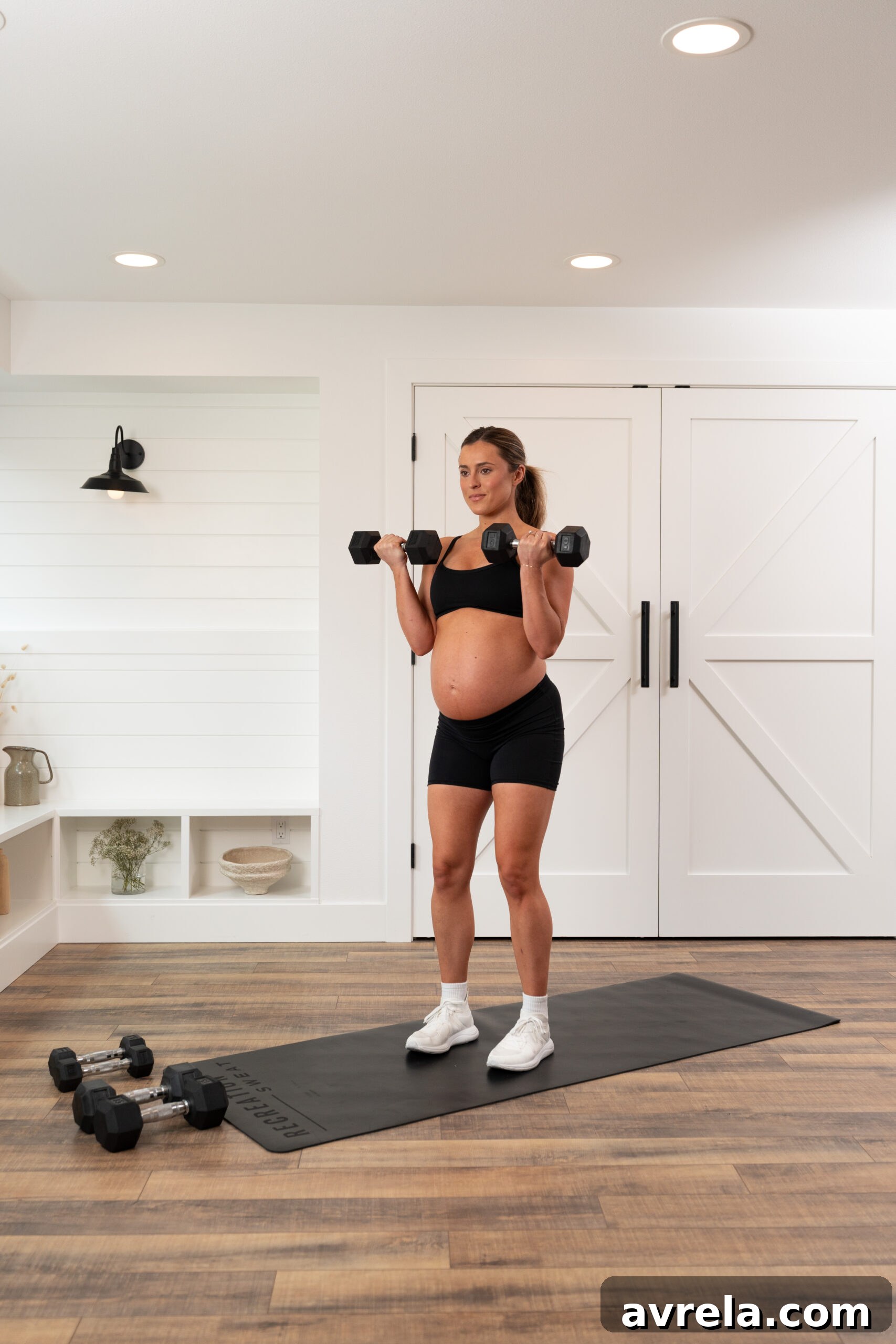
Embarking on the incredible journey of pregnancy brings with it a host of new considerations, especially when it comes to maintaining your fitness routine. One of the most common questions expectant mothers have revolves around what exercises are safe and, critically, what movements should be avoided to protect both themselves and their growing baby. Understanding the ‘dos and don’ts’ of prenatal fitness isn’t just about following rules; it’s about empowering yourself with knowledge to move confidently, reduce discomfort, and prepare your body for childbirth and postpartum recovery.
My upcoming GOOD // SWEAT Pregnancy guide is meticulously designed to be your comprehensive companion through this transformative period, offering educational, science-backed insights into prenatal fitness. My passion lies in helping you feel your most confident and capable, whether you’re stepping into the gym for the first time or adapting your established routine to accommodate your pregnancy. This guide is jam-packed with actionable advice to help you navigate exercise safely and effectively while nurturing your little one.
Essential Prenatal Fitness Guidelines for a Safe Workout
Before diving into specific exercises to avoid, it’s crucial to establish a foundational understanding of general guidelines that should govern all your prenatal fitness activities. These principles are designed to ensure your safety and comfort throughout every stage of your pregnancy.
- Prioritize Comfort and Modify Extensively: Your body is constantly changing, and what felt comfortable yesterday might not feel right today. Always adjust the intensity, range of motion, and duration of exercises to align with your current energy levels and physical sensations. Listen intently to your body; it’s your most reliable guide during pregnancy. This might mean fewer repetitions, lighter weights, or completely altering a movement.
- Maintain an Optimal Body Temperature and Stay Cool: Overheating is a significant concern during pregnancy, as it can potentially impact your baby. Avoid exercising in hot, humid conditions, especially outdoors during peak heat. Always wear breathable, loose-fitting clothing that allows for proper ventilation and moisture wicking. Ensure adequate airflow if exercising indoors, and consider lighter, less intense workouts on warmer days.
- Listen to Your Body’s Signals: This cannot be stressed enough. If you experience any discomfort, sharp pain, dizziness, light-headedness, shortness of breath disproportionate to your effort, vaginal bleeding, fluid leakage, or uterine contractions, stop exercising immediately. These are important warning signs that something might be amiss, and you should rest and consult your healthcare provider if symptoms persist.
- Stay Hydrated: Water is vital for regulating body temperature, preventing cramps, and supporting increased blood volume during pregnancy. Drink plenty of water before, during, and after your workouts. Keep a water bottle handy and sip regularly, even if you don’t feel thirsty.
- Focus on Proper Posture and Balance: As your belly grows, your center of gravity shifts, impacting your balance and posture. Be mindful of your movements, avoid sudden changes in direction, and choose exercises that allow for stable, controlled motions. Strengthening your core and back muscles can help counteract postural changes and reduce discomfort.
Key Exercises to Avoid While Pregnant + Safe Modifications
While exercise is highly encouraged during pregnancy, certain movements and activities pose specific risks. Understanding these and knowing how to modify them or choose safe alternatives is paramount for a healthy and confident fitness routine. Below is a comprehensive list of exercises commonly advised against during pregnancy, along with detailed explanations and effective modifications.
1. The Risks of Supine Positions: Why Lying Flat on Your Back is a No-Go
- Why to Avoid: After approximately 20 weeks of gestation (the second trimester), lying flat on your back (supine position) can compress the vena cava. This major vein carries deoxygenated blood from the lower body back to the heart. Compression can lead to a significant drop in blood pressure for the mother, causing dizziness, nausea, and shortness of breath. More critically, it can reduce blood flow and oxygen delivery to the baby, posing potential risks to fetal well-being. This condition is sometimes referred to as supine hypotensive syndrome.
- Modification: Transition away from exercises performed while lying flat on your back. Instead, opt for a slightly elevated position by propping yourself up with pillows or using an incline bench. Even a wedge or bolster placed under one side of your back can create a slight tilt, alleviating pressure on the vena cava. Many exercises can also be performed effectively in a side-lying, seated, or standing position. For example, instead of traditional bench presses, try incline presses or standing cable presses.
2. Avoiding Inversions: Staying Grounded for Safety
- Why to Avoid: Exercises like headstands, handstands, forearm stands, and other full inversions should generally be avoided throughout pregnancy. The primary concern is the increased risk of falling, which could lead to abdominal trauma. Additionally, rapid changes in blood pressure associated with inversions could cause dizziness or lightheadedness, further increasing the fall risk. The physiological changes during pregnancy, including hormonal shifts that loosen joints (relaxin), can also compromise stability in these positions.
- Modification: Opt for safer variations that keep your head above your heart or maintain significant ground contact. Gentle forward bends, such as a wide-legged forward fold (with support if needed) or a modified downward-facing dog, can offer similar benefits without the high risk. Always ensure you have stable footing and listen to your body; if you feel any discomfort or dizziness, immediately come out of the position. Focus on movements that promote balance and strength without compromising stability.
3. Preventing Overheating and Exhaustion: Keeping Your Core Temperature Stable
- Why to Avoid: High-intensity exercises that elevate your heart rate excessively, lead to profuse sweating, or cause overheating (like hot yoga, intense HIIT, or prolonged long-distance running in warm weather) should be avoided. An elevated core body temperature, particularly in the first trimester, has been linked to potential risks for fetal development. Furthermore, extreme exhaustion can deplete your energy reserves, which are already working harder to support your pregnancy, leading to increased fatigue and discomfort.
- Modification: Focus on moderate-intensity activities where you can maintain a conversation without gasping for breath (often referred to as the ‘talk test’). Excellent choices include brisk walking, swimming, prenatal yoga, cycling on a stationary bike, or low-impact aerobics. Always prioritize hydration, take frequent breaks as needed, and wear appropriate clothing to dissipate heat. Adjust your workout duration and intensity based on how you feel on any given day, rather than pushing through discomfort.
4. Recognizing and Managing Diastasis Recti: Protecting Your Core
- Why to Avoid: Exercises that cause a visible “coning” or “doming” of the abdomen along the midline are red flags. This coning is a sign of excessive intra-abdominal pressure pushing through weakened abdominal muscles and potentially exacerbating or causing diastasis recti (DR) – the separation of the rectus abdominis muscles. Traditional crunches, sit-ups, full planks (especially advanced variations), leg lifts where the back arches, and any movement that creates significant strain on the central abdominal wall should be avoided. Strengthening the core safely is crucial, but these movements can worsen DR, leading to back pain, pelvic floor dysfunction, and a persistent “pooch” postpartum.
- Modification: Replace these high-risk exercises with core-safe movements that support and strengthen the deep core muscles without causing coning. Excellent alternatives include pelvic tilts, cat-cow stretches, bird-dogs (performed with meticulous form to avoid back arching), side-lying leg lifts, modified planks on your knees or against a wall, and standing core engagement exercises. Focus on engaging your transverse abdominis (TVA) – your deepest core muscle – by drawing your belly button gently towards your spine without holding your breath. Work with a prenatal fitness specialist or physical therapist to learn proper core activation techniques.
5. High-Risk Activities: Prioritizing Stability and Injury Prevention
- Why to Avoid: Any activity that carries a significant risk of falling, abdominal trauma, or impact should be avoided. This includes contact sports (like basketball, soccer, hockey), downhill skiing, snowboarding, horseback riding, gymnastics, surfing, and activities involving rapid changes in direction, jumping, or jarring movements (e.g., intense tennis, squash). The risk of falling increases during pregnancy due to shifting balance and hormonal changes that loosen joints. Direct trauma to the abdomen can also be dangerous for both mother and baby.
- Modification: Switch to safer, low-impact activities that allow you to maintain your fitness without compromising safety. Walking is an excellent, accessible option. Swimming and water aerobics offer fantastic full-body workouts with minimal impact, providing buoyancy that can relieve pressure on joints. Gentle cycling on a stationary bike is another great choice. Consider prenatal specific fitness classes that focus on controlled movements, stability, and muscle strengthening in a safe environment. The goal is to stay active while minimizing any potential for injury.
The Undeniable Benefits of Safe Exercise During Pregnancy
While focusing on what to avoid is crucial, it’s equally important to remember the immense benefits of maintaining a safe and consistent exercise routine throughout pregnancy. Regular physical activity can significantly improve your overall well-being and prepare your body for the challenges of labor and recovery:
- Boosts Energy Levels and Mood: Counteract pregnancy fatigue and uplift your spirits with endorphin-boosting workouts.
- Reduces Pregnancy Discomforts: Alleviate common complaints like back pain, constipation, and swelling.
- Improves Sleep Quality: Regular exercise can help regulate sleep patterns, leading to more restful nights.
- Prepares for Childbirth: Strengthens muscles crucial for labor, enhancing stamina and potentially shortening labor duration.
- Facilitates Postpartum Recovery: Maintaining fitness during pregnancy can make bouncing back after delivery smoother and quicker.
- Manages Healthy Weight Gain: Helps in achieving healthy weight gain targets, which is beneficial for both mother and baby.
- Reduces Risk of Complications: Studies suggest exercise can lower the risk of gestational diabetes and preeclampsia.
Essential Reminders for Your Personalized Prenatal Fitness Journey
Every pregnancy is beautifully unique, and so too should be your fitness journey. The advice provided here serves as a general guide, but your individual circumstances, health history, and the progression of your pregnancy will dictate the most appropriate routine for you. Therefore, it is absolutely essential to consult with your healthcare provider before starting or significantly modifying any exercise regimen during pregnancy. They can offer personalized advice based on your specific health profile.
Additionally, consider working with a specialized physical therapist or a certified prenatal fitness specialist. These professionals possess in-depth knowledge of the physiological changes occurring during pregnancy and can tailor an exercise routine that addresses your unique needs, concerns, and goals, ensuring both your safety and effectiveness.
Continue Your Empowering Journey with GOOD // SWEAT Pregnancy
The GOOD // SWEAT Pregnancy guide is more than just a workout plan; it’s a holistic resource designed to empower you with confidence and knowledge every step of the way. It offers comprehensive, science-backed information and carefully crafted workouts to help you move safely, feel strong, and embrace the incredible changes happening in your body.
Explore More Resources for a Healthy and Informed Pregnancy
For more insights and helpful content to support your prenatal and postpartum journey, check out these related articles:
How I Maintained Muscle Mass While Pregnant
Postpartum Friendly Workout
The 5 Stretches You Should Do Daily For Pregnancy
9 Reasons Why Strength Training Is Beneficial During Pregnancy
The 5 Main Food Groups I’m Prioritizing While Pregnant