
First, a big disclaimer: I’m excited to share my tips for getting pregnant, but nothing I say can guarantee conception. Every body and every journey is different. Having experienced pregnancy and postpartum myself and planning for another baby someday, I believe there are practical ways to care for yourself physically and mentally that can help you feel supported, nourished, and prepared when the time comes.
Unconventional Tips to Get Pregnant
Preparing for pregnancy goes beyond a single cycle. It’s about taking a broad view of your overall health and well-being. Conception can take time, so it’s important to prioritize self-care during the months you spend trying to conceive.
Supporting your body with nourishing food, regular movement, adequate rest, and stress management while also tending to your mental and emotional health can make this season feel empowering. This is an opportunity to build habits that will support you through pregnancy, postpartum, and beyond.
1. Prioritize Wellness
Create a wellness routine that supports you rather than drains you. Before pregnancy, aim for a sustainable routine you can maintain through changing energy levels and symptoms like nausea or fatigue. Establishing habits now means you’ll have a foundation during the harder days of pregnancy.
I spent about six months preparing before trying to conceive. During that time I focused on strength training, incline walking, stretching, and taking at least two days off each week. Rest is a crucial part of wellness, and learning to prioritize it early can make a big difference.
I also started taking a prenatal supplement around three months before trying to conceive. Giving your body time to build folate, iron, and other nutrients can be a supportive step for overall health without drastic changes. The aim is not to do more, but to find sustainable, enjoyable routines that keep you grounded over time.

2. Focus on Nourishing Foods
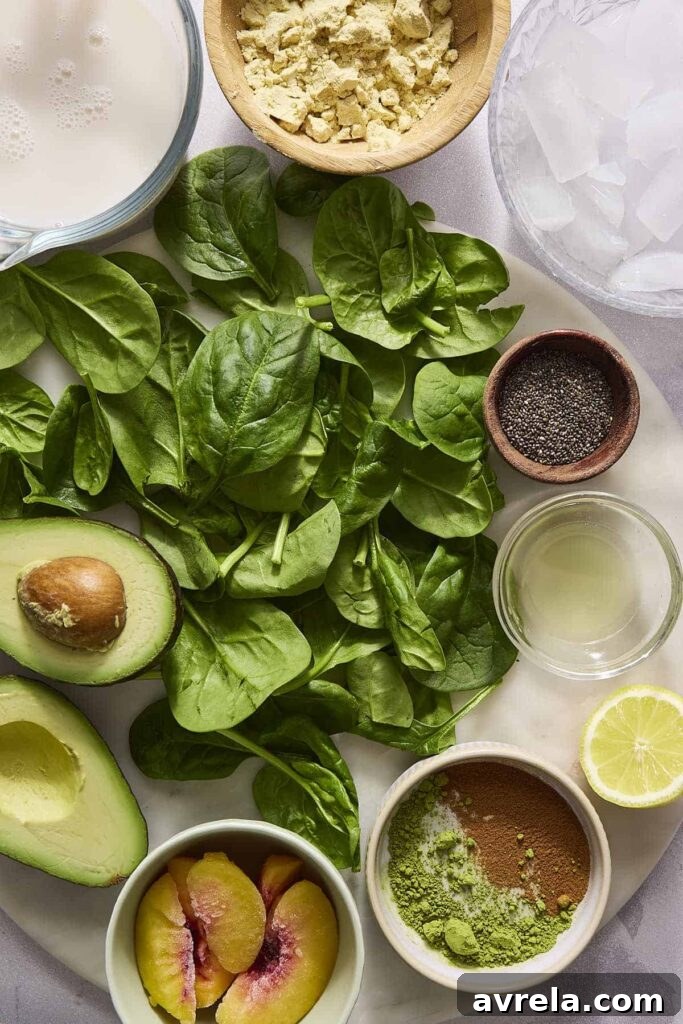
There are no magical foods that guarantee pregnancy, but nutrition plays a major role in overall health. In the months before conception I focused on nourishing meals and eating enough calories so my body felt stable and well-fueled rather than strained.
This isn’t the time for restrictive diets or shocking your system. Instead, prioritize foods you enjoy and add nourishment where it fits. Balanced meals, steady fuel, and flexibility around food support both physical health and a healthy relationship with eating during this season.
I emphasized a higher-protein approach to help preserve muscle mass, which is important before and during pregnancy and breastfeeding. Feeding yourself well and consistently is one of the most practical ways to support reproductive health.
3. Build Your Support System Early
Pregnancy and parenthood are much easier when you have trusted people to lean on. I leaned on my sister and close friends for advice and reassurance, and I intentionally developed a network of professionals to support me.
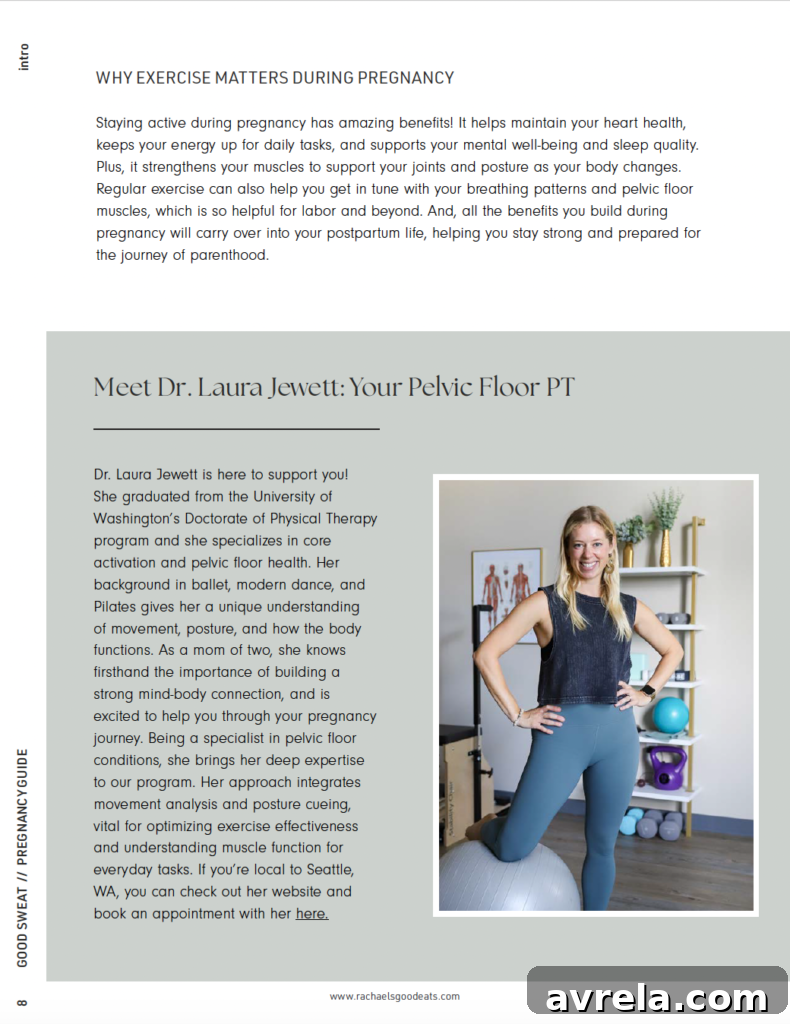
That network included a pelvic floor therapist, a chiropractor, a primary care provider or midwife team, and later a doula. Your support system may look different, and that’s okay. The important part is surrounding yourself with people you trust who make you feel safe and supported.
4. Learn and Prepare
Information about pregnancy is abundant and can be overwhelming. Rather than trying to learn everything at once, focus on a few topics where you feel less confident or especially curious: for me, that was sleep and nutrition.
Choosing one reliable book or resource per topic helped me feel prepared without information overload. Social media can also be a helpful source for practical tips and relatable stories when you follow evidence-based accounts and real parents sharing their experiences.
Keep in mind no amount of reading can fully prepare you for the experience, but gathering knowledge and hearing others’ stories can reduce anxiety and boost confidence as you begin this next step.
5. Prepare Your Home
Preparing your home can be one of the most joyful parts of getting ready. Building a baby registry, designing a nursery, and organizing your space made the process feel intentional and exciting for me. I organized the living room, bedroom, and nursery so essentials would be within easy reach postpartum.
I also made gradual swaps to more baby-friendly options for everyday products, such as non-toxic and unscented cleaning supplies and laundry detergent where it made sense. These changes don’t need to be perfect or completed all at once—small, thoughtful swaps can help you feel more aligned and prepared.