
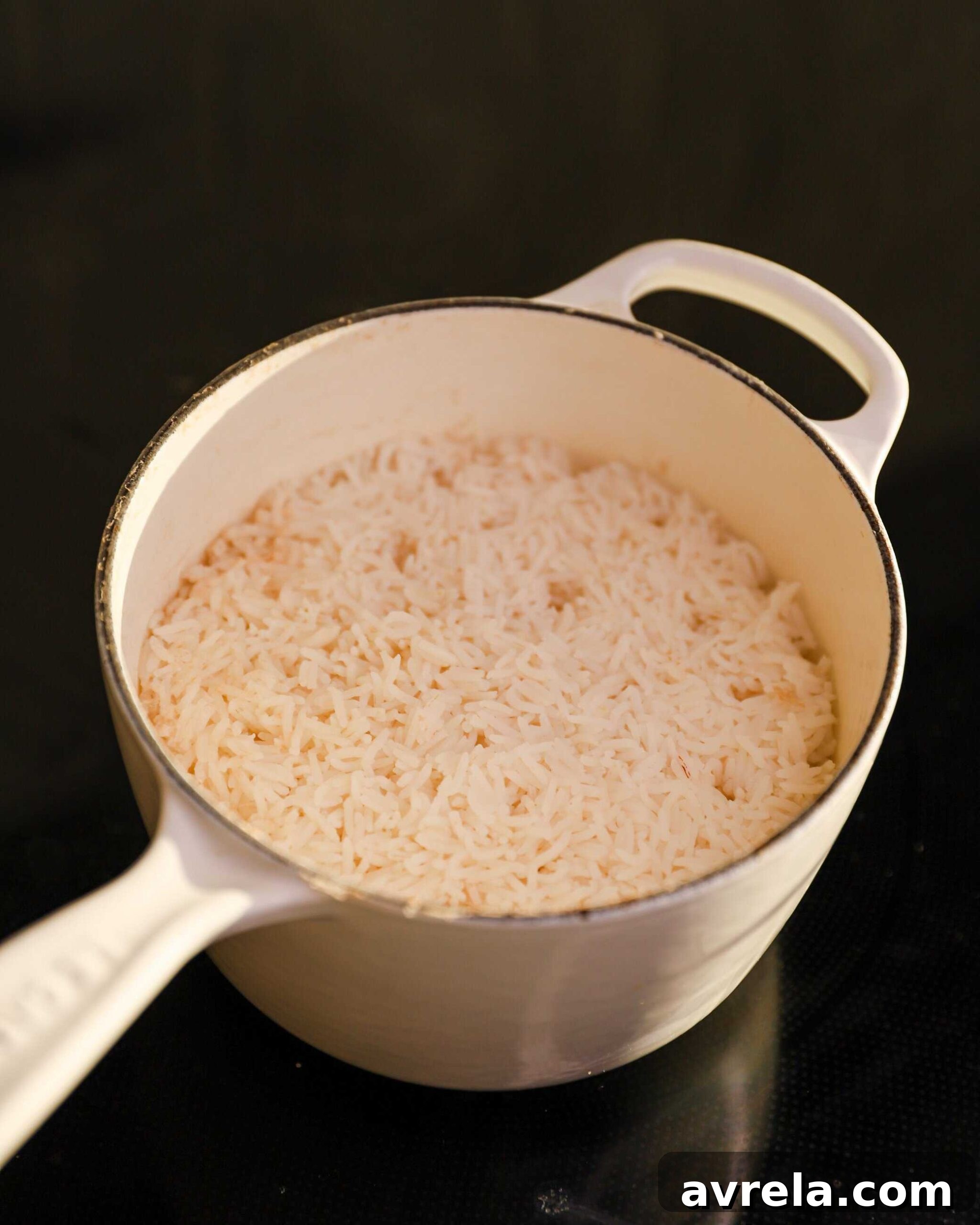
In countless kitchens across the globe, and certainly in mine, rice holds a cherished and indispensable place. It’s an ingredient that seamlessly integrates into almost any meal, offering unparalleled versatility, ease of preparation, and a satisfying foundation for a myriad of flavors. The simple pleasure of organic basmati rice, infused with the rich aroma of ghee, is a testament to its comforting appeal. Yet, despite its widespread consumption, rice, and carbohydrates in general, often fall victim to misconceptions and unnecessary dietary scrutiny. It’s time to re-evaluate our understanding, as these vital macronutrients perform crucial functions within our bodies, acting as the very essence of our daily energy.
The Essential Role of Carbohydrates: A Deep Dive into Our Body’s Fuel Source
Carbohydrates are unequivocally the body’s primary and most efficient source of energy, making them 100% necessary to properly fuel ourselves for optimal physical and cognitive performance. Far from being a dietary villain, they are the fundamental building blocks that power every cellular function, from basic metabolic processes to high-intensity physical exertion and complex brain activity. Since embracing a more serious approach to strength training and fitness—an endeavor that has significantly deepened my appreciation for nutritional science—I’ve learned to strategically utilize carbohydrates to enhance performance, accelerate recovery, and support muscle growth. Understanding the nuances between different types of carbs is key to unlocking their full potential.
Complex Carbohydrates: Sustained Energy and Holistic Health
Complex carbohydrates are characterized by their longer chains of sugar molecules, which take more time for the body to break down and digest. This slower digestion process translates into a gradual release of glucose into the bloodstream, providing sustained energy without the rapid spikes and subsequent crashes often associated with simpler sugars. This makes them an excellent choice for consistent energy throughout the day, particularly if you’re looking for lasting satiety or preparing for an extended period of activity. For instance, consuming complex carbs 2-3 hours before a strength training session provides your muscles with a steady supply of fuel, optimizing endurance and performance. Post-workout, they can also contribute to a slower, more deliberate recovery process, helping to replenish glycogen stores over time.
Beyond energy, complex carbohydrates are typically rich in fiber, which is paramount for digestive health. Fiber aids in regulating bowel movements, promoting a healthy gut microbiome, and can help manage cholesterol levels. It also contributes significantly to satiety, keeping you fuller for longer and potentially assisting with weight management. Examples of nutrient-dense complex carbohydrates include sweet potatoes, various legumes (beans, lentils), oats, quinoa, barley, and of course, brown rice. Incorporating a variety of these foods into your diet ensures a diverse intake of essential vitamins, minerals, and antioxidants.
Simple Carbohydrates: Quick Fuel for Specific Needs
In contrast, simple carbohydrates consist of shorter chains of sugar molecules, making them much quicker for the body to digest and absorb. This rapid breakdown leads to a faster spike in blood sugar levels. While this can sometimes be followed by an energy crash if consumed in isolation, especially for individuals with sedentary lifestyles, it’s precisely this rapid absorption that makes simple carbs incredibly valuable in specific scenarios. For instance, if you’re heading straight to the gym, simple carbs provide a fast-acting glucose supply, serving as immediate fuel for your workout, allowing you to maximize intensity and output. They are also highly effective for quickly replenishing glycogen stores immediately after strenuous exercise, aiding in rapid muscle recovery.
Common examples of simple carbohydrates include white bread, foods made with white flour, sugary beverages, honey, pastries, and fruit juices. While naturally occurring simple sugars found in whole fruits also provide quick energy, they often come packaged with beneficial fiber, vitamins, and antioxidants, which can mitigate the rapid blood sugar impact. The key with simple carbs lies in understanding their role and timing their consumption strategically, rather than demonizing them entirely. When integrated thoughtfully, they are a powerful tool in a balanced nutritional strategy.
Fueling Your Fitness Journey: Carbs for Performance and Recovery
For those committed to an active lifestyle, particularly involving strength training or endurance sports, carbohydrates are not just an energy source; they are a performance enhancer and a recovery essential. My own journey with strength training has profoundly emphasized the critical role of strategic carbohydrate intake. Before a demanding workout, a carefully timed portion of complex carbohydrates provides the sustained energy required to push through challenging sets and reps, ensuring optimal muscle function and preventing premature fatigue. Conversely, after intense physical exertion, especially strength training, the body’s glycogen stores are depleted and its muscles are primed for nutrient uptake. This is where simple carbohydrates, like white rice, can shine. Their quick digestion allows for rapid replenishment of muscle glycogen, kickstarting the recovery process and supporting muscle repair and growth. This isn’t just about refueling; it’s about optimizing the body’s anabolic window and accelerating adaptation to training.
It’s a nuanced approach that moves beyond generic “good” or “bad” food labels and instead focuses on how different foods interact with our bodies in various contexts. Understanding this allows for a truly personalized and effective nutritional strategy that supports your fitness goals and overall well-being. If you’re looking for a structured approach to integrate fitness and nutrition, exploring resources like an 8-week gym guide can provide invaluable insights into balancing your plate for peak performance and recovery.
Brown Rice vs. White Rice: Understanding the Key Differences and Their Nutritional Impact
The distinction between brown rice and white rice is fundamentally simple, yet it holds significant implications for their nutritional profiles and how our bodies process them. All rice varieties begin with a similar genetic makeup, but their final form is determined by different processing methods. Brown rice is considered a whole grain because it retains all three edible parts of the grain: the bran, the germ, and the endosperm. The bran is the fibrous outer layer, rich in antioxidants and B vitamins. The germ is the nutrient-packed core, containing healthy fats, vitamins, and minerals. The endosperm is the largest part, primarily composed of carbohydrates and some protein.
In contrast, white rice undergoes further processing where the bran and germ are removed, leaving behind only the starchy endosperm. This refining process gives white rice its distinct color, softer texture, and quicker cooking time. However, it also strips away a significant portion of its fiber, vitamins, and minerals. To compensate for some of these losses, white rice is often “fortified” with added nutrients like iron and B vitamins (folate, niacin, thiamine), though it still lacks the natural fiber of its brown counterpart.
Brown Rice: The Whole Grain Powerhouse
As a whole grain, brown rice stands out as a more complex carbohydrate compared to white rice. Its retained bran and germ make it significantly more nutritionally dense, typically offering more calories, substantially more fiber, a higher protein content, and a greater array of micronutrients per serving. This makes brown rice an excellent choice for scenarios where you need a sustained energy release and enhanced satiety. The higher fiber content ensures slower digestion, helping to regulate blood sugar levels, prevent sudden spikes, and keep you feeling fuller for a longer duration. Furthermore, brown rice is a good source of magnesium, selenium, manganese, and several B vitamins, all vital for various bodily functions, including energy metabolism and antioxidant defense. It’s an ideal choice for everyday meals when long-lasting energy and comprehensive nutrient intake are priorities.
White Rice: The Quick Energy Provider
Conversely, white rice digests as a simpler carbohydrate. With significantly less fiber, it provides a quicker surge of glucose to the body, making it an efficient source of rapid energy. This characteristic is particularly advantageous in specific contexts, such as immediately following a strenuous workout when your body needs to quickly replenish its glycogen stores to kickstart recovery. Its lighter texture and milder flavor are often preferred for certain cuisines and can be easier on sensitive digestive systems. While it lacks the fiber and many micronutrients of brown rice in its natural state, the key to incorporating white rice into a healthy diet lies in thoughtful pairing. When combined with ample protein, a variety of non-starchy vegetables, and high-quality fat sources (such as a vibrant salad, sautéed greens, broccolini, avocado, or a drizzle of olive oil), the overall digestion rate of the meal is slowed. This strategic combination helps to stabilize blood sugar levels, preventing the rapid spike and subsequent crash that might occur if white rice were consumed alone. Thus, white rice, far from being an inferior choice, can be a valuable component of a well-balanced and strategically constructed meal.
Debunking the Myth: Is Brown Rice Truly “Better” Than White Rice?
The culinary and nutritional landscape is rife with debates about “good” versus “bad” foods, and white rice often finds itself unfairly cast in a negative light. Due to its refined nature and its lack of the “whole grain” designation, it is frequently dismissed as the nutritionally inferior counterpart to brown rice. However, from my perspective as a practicing dietitian and based on a holistic understanding of nutrition, the true power lies not in a single ingredient’s isolated nutritional profile, but rather in the comprehensive pairing of foods and the overall balance of your plate. This approach is far more influential in determining a meal’s impact on your health than any singular food item, especially when we’re discussing a whole-food source like rice.
To give you the short answer first: no, brown rice is not inherently “better” than white rice. Both complex carbohydrates, like brown rice, and simple carbohydrates, such as white rice, have a legitimate and valuable place within a well-balanced diet. The notion that one is definitively superior overlooks the critical context of individual needs, dietary goals, and meal composition. For instance, my personal preference leans towards white rice. I find its taste more appealing and its texture more palatable than brown rice. Crucially, I also experience an easier time digesting white rice, which, for me, makes it the superior choice. If I were to sit down and eat a large bowl of plain rice by itself, my choice might be different. However, as an integral component of a complete meal—paired with protein, healthy fats, and a generous portion of vegetables—carbohydrates are a necessary part of providing my body with essential fuel and energy. By thoughtfully balancing my plate, I can effectively mitigate any rapid blood sugar spikes, transforming white rice into a perfectly healthy and functional energy source.
Therefore, when you find yourself choosing between brown and white rice, remember this empowering truth: both are excellent options as a carbohydrate source when incorporated as part of a carefully balanced plate. Your decision can, and should, be guided by your personal preferences, your current energy needs, and how you strategically combine them with other nutritious components. It’s about creating harmony on your plate, not about strictly adhering to rigid “good” or “bad” food labels. This contextual approach allows for greater dietary flexibility, enjoyment, and sustainable healthy eating habits.
Crafting Balanced Meals with White Rice: Practical Applications and Inspiration
Integrating white rice into a healthy, balanced diet is both simple and delicious, especially when you understand the art of mindful pairing. The key is to surround your rice with components that provide fiber, protein, and healthy fats, which together create a complete meal that offers sustained energy and prevents blood sugar fluctuations. Many of my go-to recipes beautifully illustrate this principle, demonstrating how white rice can be the foundation of a nutritious and satisfying dish. And remember, if brown rice aligns better with your preferences or dietary goals, you can easily swap it into any of these recipes without compromising flavor or balance.
Here are some of my favorite balanced meals that prominently feature white rice, showcasing how I build a plate that nourishes and satisfies:
- Grilled Honey Dijon Chicken With Veggies And Rice: This recipe is a perfect example of pairing lean protein, colorful vegetables, and white rice for a wholesome meal. The fiber from the veggies and protein from the chicken work in tandem to slow down digestion, making the white rice an efficient and gentle energy source.
- Spicy Southwest Chicken Skillet: A flavorful skillet meal often combines chicken with beans (for extra fiber and protein), corn, and peppers, serving it over a bed of white rice. The rich array of ingredients ensures a complex nutritional profile that leverages white rice effectively.
- 20-Min Honey Sesame Chicken: Quick and incredibly satisfying, this dish marries tender chicken with a savory sauce, often accompanied by steamed broccoli or snap peas and white rice. The balance of sweet, savory, protein, and fiber makes for a complete and enjoyable meal.
- Creamy Sesame Chicken Skewers: These skewers, when served alongside a refreshing cucumber salad and a side of white rice, offer a delightful textural and flavor contrast. The healthy fats from the creamy sauce and the protein from the chicken ensure the rice is digested steadily, providing lasting energy.
Each of these recipes emphasizes the versatility of white rice as a foundational element, proving that it can be a part of incredibly diverse, nutrient-rich, and delicious meals. They serve as a testament to the idea that thoughtful food combining is far more impactful than focusing on a single food item in isolation.
For those eager to explore more healthy and delectable recipes, my New York Times Best-Selling Cookbook, Rachael’s Good Eats, offers over 110 easy, laid-back, and nutrient-rich recipes designed to inspire and nourish. It’s packed with ideas for creating balanced plates that truly support your health and well-being, no matter your dietary preferences or goals.
Conclusion: Embrace the Power of Context and Balance in Your Rice Choices
Ultimately, the journey to a healthy and sustainable diet is about understanding the bigger picture, moving beyond rigid labels, and embracing the power of context. Whether you gravitate towards the nutty chew of brown rice or the delicate fluffiness of white rice, both can be exceptional components of a nutritious lifestyle. The decision between them doesn’t hinge on one being inherently “better” but rather on your individual preferences, specific dietary needs, and the overall composition of your meal.
By focusing on pairing your chosen rice with ample protein, healthy fats, and a generous array of fiber-rich vegetables, you transform any meal into a powerhouse of sustained energy and balanced nutrition. This intelligent approach allows you to enjoy the cultural significance, versatility, and comfort that rice offers, without any of the lingering guilt or misconception. So, go ahead and choose the rice that speaks to you, experiment with vibrant pairings, and savor every bite. Your body will thank you for the well-rounded fuel, and your palate will rejoice in the delicious possibilities.