
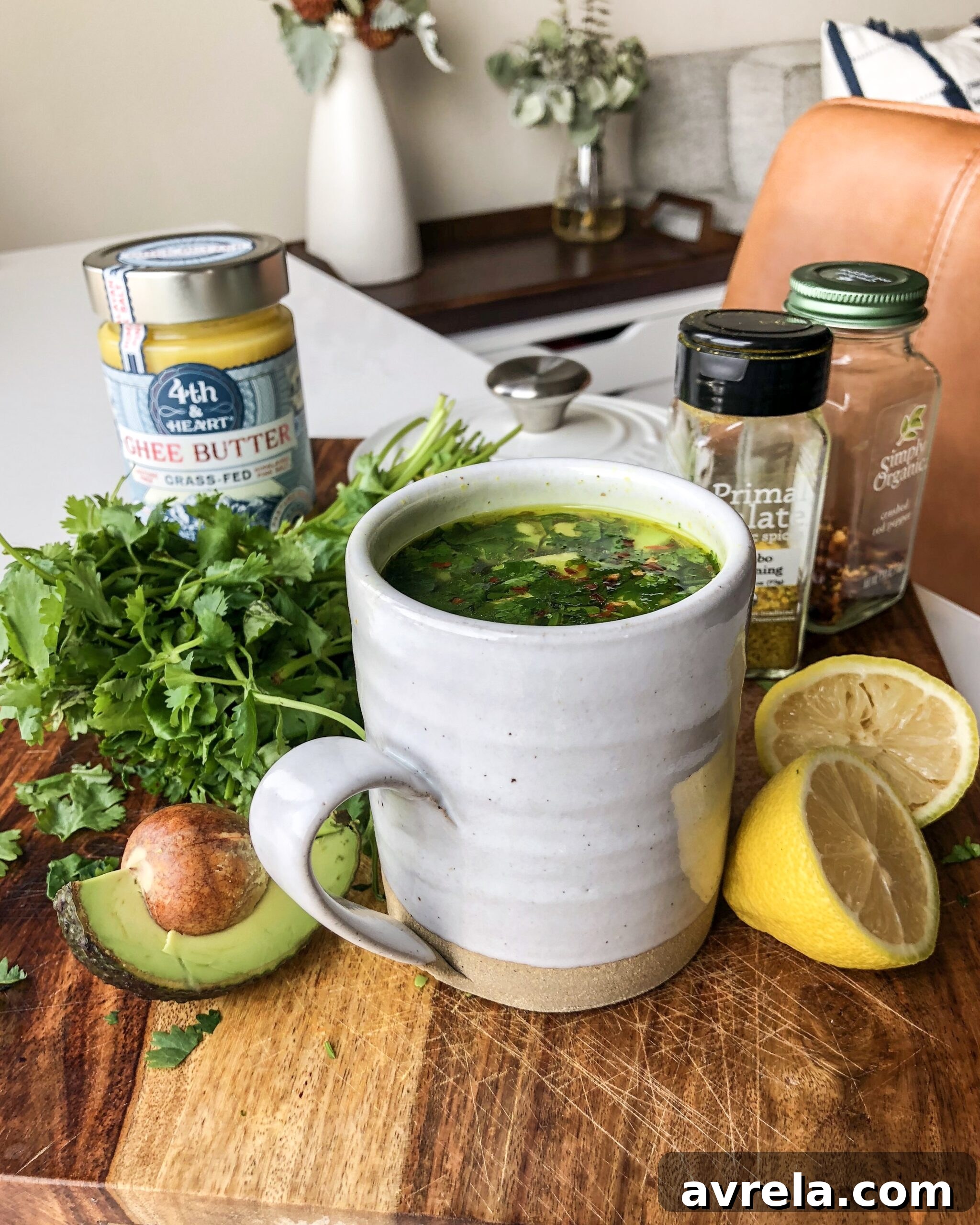
If you follow me, you know I’m a big fan of bone broth. It’s comforting, versatile, and packed with nutrients, so I use it in soups, for sautéing vegetables, and even as my everyday bone broth “tea.” With fall on the way, expect more cozy recipes featuring bone broth on my page.
Bone broth is also surprisingly filling, making it a satisfying snack or a simple addition to a light meal.
HEALTH BENEFITS:
- Traditionally used as a healing food for colds, flus, and conditions affecting connective tissues such as the gut, joints, skin, lungs, and muscles.
- May help repair the gut lining and support recovery from leaky gut and certain food sensitivities.
- Provides minerals and vitamins in easily absorbable forms, including calcium, magnesium, phosphorus, potassium, zinc, manganese, iron, and vitamins A, K, C, and D.
- An excellent source of collagen, which supports skin elasticity and a youthful appearance:
- Helps maintain healthy skin, hair, and nails
- Supports joint health
- Beneficial for gut health
- Contains gelatin, which supports the intestinal lining.
- Supports detoxification: potassium and glycine found in bone broth assist cellular and liver detox pathways.
- Supports immunity: bone broth is nutrient-dense and easy to digest, which can be soothing when you’re sick. Since a large portion of the immune system resides in the gut, nourishing foods like bone broth are especially helpful.
- Supports metabolism and muscle repair: bone broth contains amino acids such as L-glutamine that contribute to muscle repair, bone health, and mineral absorption.
- Can replace water when cooking grains, vegetables, or braising meats to add flavor and nutrition.
HOW I PREPARE MY BONE BROTH “TEA”
I keep frozen portions of bone broth in my freezer and thaw them as needed. For quick defrosting, I place a sealed bag in warm running water until it’s pourable; otherwise I transfer it to the fridge overnight. One bag usually yields 2–3 servings for soups, sautéing, sipping, or using to steam burgers.
Usually I drink it straight from a mug — it might seem odd if you haven’t tried it, but it’s comforting, nourishing, and a great way to get a nutrient boost.
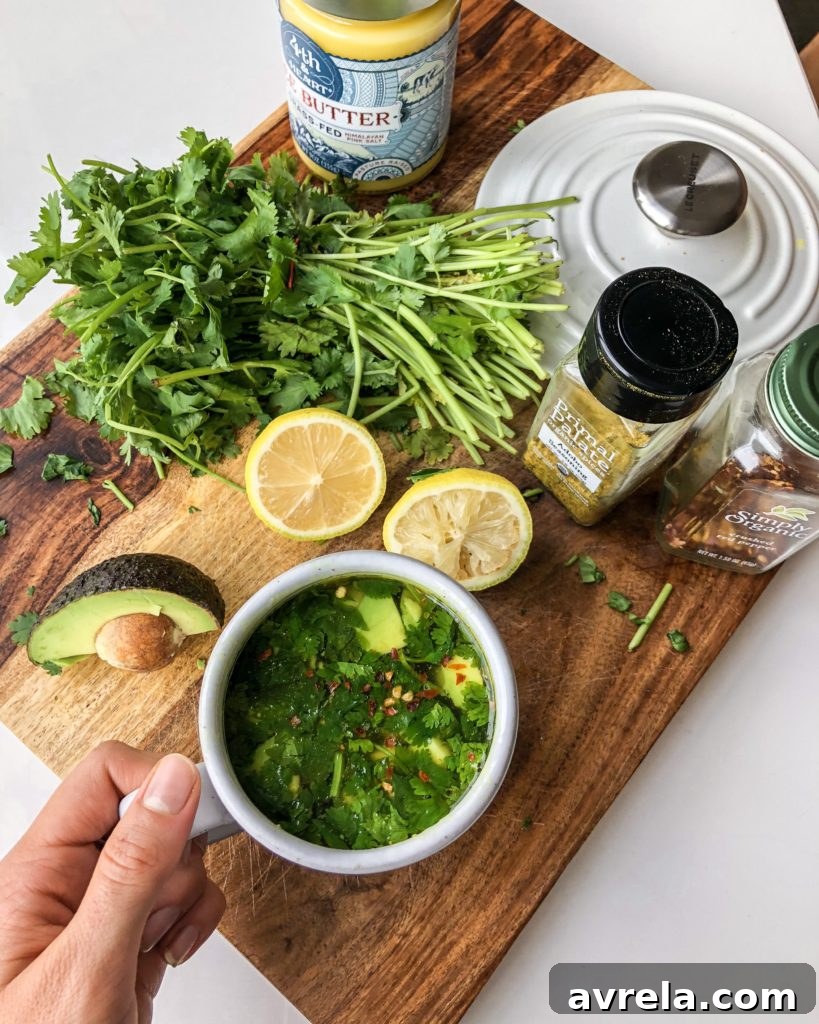
Try this simple bone broth “tea” and tell me what you think!
Ingredients:
1–2 cups bone broth
1/2 cup filtered water (optional — dilutes concentrated broth and stretches servings)
1 tsp ghee
1/4 tsp Adobo or other seasoning blend
A few shakes turmeric
Ground black pepper (enhances turmeric absorption)
Pink salt, to taste
Squeeze of lemon or lime
2–3 tbsp chopped cilantro
1/3 avocado, diced
Directions:
Pour bone broth and water (if using) into a small to medium pot. Add ghee, turmeric, pepper, and pink salt. Bring just to a simmer, then remove from heat and let cool a few minutes. Stir in cilantro and diced avocado, then pour into a mug and enjoy.
Other ways I use bone broth:
Try it in grain dishes like quinoa or rice, in stir-fries, or as a base for soups and braises.
ABOUT STORE-BOUGHT BONE BROTH
I haven’t made my own bone broth regularly because of limited kitchen space and because high-quality prepared broths are convenient and nutritious. Good retailers offer broths made from organic, grass-fed, pasture-raised bones with no fillers or preservatives. Frozen products help preserve nutrients and are often available in the frozen section of health food stores.
STORING BONE BROTH
If you can’t use all your broth within a few days, there are easy ways to store it for later use—freezing in portions is especially convenient. I also occasionally warm a few tablespoons and mix it into my dog Ellie’s food; she loves it.
SOURCES:
Reliable sources discuss bone broth benefits and gelatin’s role in gut health and healing. Look for reputable articles and peer-reviewed studies to learn more about specific compounds and their effects.