
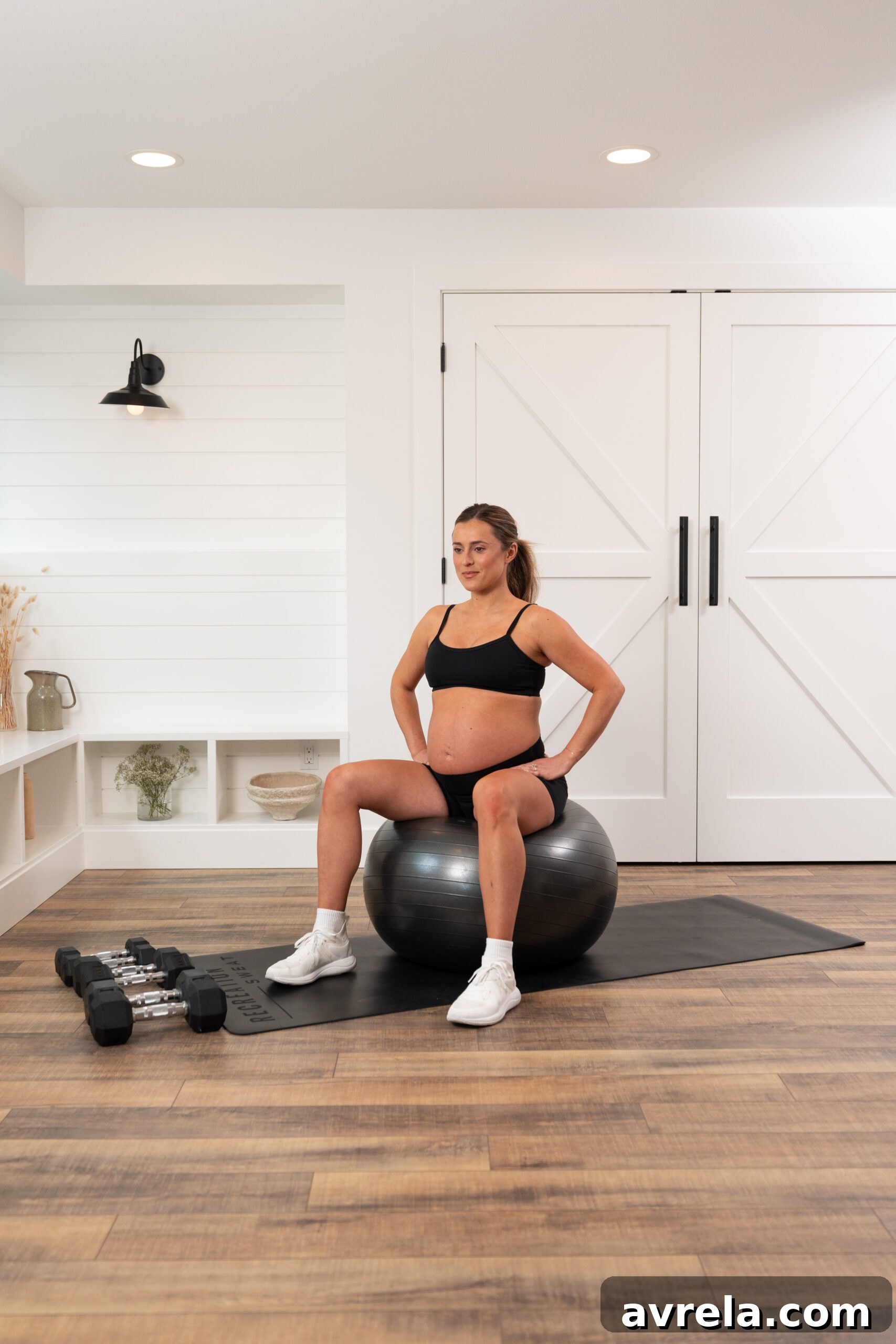
Pregnancy is full of constant change—physically, mentally, and emotionally. As your body adapts, some of the most important shifts happen out of sight, including changes to the pelvic floor. Supporting the pelvic floor through gentle mobility and strength work can improve balance, reduce discomfort, and help prepare the body for labor. A stability (yoga) ball is one of the most practical tools for this: it offers safe, supportive positions that gently challenge the core and pelvic floor while promoting comfort and mobility.
Below are seven effective yoga ball exercises designed to stretch, strengthen, and increase awareness of the pelvic floor during pregnancy. These movements emphasize controlled breathing, mindful alignment, and functional strength. Perform them at your own pace, breathe deeply throughout, and stop or modify any exercise that causes pain. If you have specific medical concerns, consult your healthcare provider before beginning a new routine.

1. Forward Roll: A Yoga Ball Exercise for Pelvic Floor and Spine
This movement promotes spinal mobility, relieves lower back tension, and encourages gentle pelvic floor activation.
- How to do it: Sit on the yoga ball with feet flat and hip-width apart. Slowly roll forward, allowing your arms and torso to drape over the ball. Keep your neck long and breathe slowly and deeply as you feel a gentle lengthening through the spine.
- Benefits: Improves spinal flexibility, eases low back tightness, and helps you sense and engage the pelvic floor in a relaxed position.
2. Hip Flexor Stretch on Ball for Pelvic Floor Relief
This stretch targets tight hip flexors, which commonly develop during pregnancy due to postural shifts, and promotes better pelvic alignment.
- How to do it: From a kneeling position, place one foot forward with the knee bent and the other knee down. Rest your hands or forearms on the ball for support and gently shift your hips forward until you feel a stretch across the front of the hips. Hold with steady breathing and switch sides.
- Benefits: Increases hip mobility, reduces lower back strain, and supports pelvic alignment.
3. Pelvic Clock For Pelvic Floor Mobility
The pelvic clock promotes awareness and controlled mobility of the pelvis while encouraging pelvic floor responsiveness.
- How to do it: Sit tall on the ball with feet hip-width apart. Visualize your pelvis as a clock face: tilt forward toward 12 o’clock, then tilt back toward 6 o’clock, then shift toward 3 and 9 o’clock. Move through each point slowly, then trace smooth circles with the pelvis.
- Benefits: Enhances pelvic range of motion and control—useful for comfort and labor positioning.
4. Seated Ball March for Core and Pelvic Floor Strength
This simple coordination exercise strengthens the deep core and engages the pelvic floor while improving balance.
- How to do it: Sit tall with feet on the floor. Lift one foot a few inches off the ground, then lower it and lift the other, alternating in a controlled “march” while maintaining an upright posture and steady breathing.
- Benefits: Builds deep core stability, enhances balance, and reinforces pelvic floor engagement in movement.
5. Seated Focused Breathing on Ball: Pelvic Floor Relaxation
Deliberate diaphragmatic breathing helps the pelvic floor relax and improves mind-body awareness.
- How to do it: Sit comfortably on the ball with hands resting on your belly. Inhale through the nose, allowing the belly to expand. Exhale slowly through the mouth while gently drawing the pelvic floor upward. Coordinate breath with gentle pelvic floor engagement and relaxation.
- Benefits: Reduces stress, promotes pelvic floor coordination, and improves breathing mechanics.
6. Sit-to-Stand Prep
This functional movement trains lower-body strength and pelvic floor stability in a pregnancy-safe range.
- How to do it: Sit on the ball with feet hip-width apart. Lean slightly forward, press through your heels, and lift your hips just off the ball—keeping the movement small and controlled—then lower back down. Focus on lengthening through the pelvic floor as you return to the seat.
- Benefits: Strengthens legs and glutes, improves pelvic floor endurance, and supports safe daily movements like standing up from a chair.
7. Trunk Sidebend Stretch: Enhance Pelvic Floor Flexiblity
This side-bend releases tension in the obliques and ribcage while encouraging lateral mobility through the trunk and pelvic area.
- How to do it: Sit on the ball with one hand resting on your thigh. Reach the opposite arm overhead and gently lean to the opposite side, keeping your hips steady. Hold for a few breaths and repeat on the other side.
- Benefits: Stretches the sides of the body, improves spinal mobility, and supports upright posture.
Why Pelvic Floor Health Is Important During Pregnancy
Maintaining pelvic floor health during pregnancy supports comfort, mobility, and function. These yoga ball exercises promote gentle strength, improved alignment, and increased body awareness—factors that can ease day-to-day aches and support labor and postpartum recovery. Always move within your comfort zone, modify as needed, and consult your healthcare provider with any questions or unusual symptoms.
For further reading and related routines, consider exploring postpartum fitness, pelvic floor guidance from qualified professionals, and tips for staying consistent with prenatal movement. These resources can help you transition through pregnancy and into postpartum with greater confidence and support.