
If you’ve been noticing bovine colostrum surfacing as a hot topic in health circles recently, you are certainly not alone. This remarkable natural supplement has captured significant attention within the wellness community, touted for its potential to support everything from robust gut health to a fortified immune system. But beyond the increasing buzz, what exactly is colostrum, and does it genuinely live up to the hype? As a registered dietitian committed to clear, evidence-based nutrition advice, I’m here to demystify colostrum for you. In this comprehensive guide, we’ll delve into the true nature of colostrum, explore its myriad benefits for adults, discuss who might find it particularly helpful, and outline essential considerations before incorporating it into your daily wellness regimen.
Bovine Colostrum: Unlocking the Benefits of Nature’s First Superfood
What Is Colostrum? Understanding Its Origins and Composition
At its core, colostrum is a unique and potent form of milk produced by all mammals, including humans and cows, immediately after giving birth but before regular milk production begins. Often referred to as “first milk,” it is distinguished by its incredibly rich composition, packed with a concentrated blend of vital antibodies, essential nutrients, and powerful growth factors. These components are specifically designed to provide a newborn with immediate immune support, kickstart healthy gut development, and promote overall growth and vitality during their earliest, most vulnerable days.
While human colostrum is invaluable for infants, the majority of colostrum supplements available on the market today are derived from bovine colostrum. This cow-derived colostrum is ethically sourced from dairy cows within the first 24-48 hours post-calving, a period when its beneficial compounds are at their peak concentration. It is then carefully processed, typically into a convenient powdered form, making it accessible for human consumption. The scientific community has extensively studied bovine colostrum, confirming its rich profile of bioactive compounds, many of which are strikingly similar to those found in human colostrum. This makes it an ideal, bioavailable supplement for adults seeking to leverage its diverse health advantages.
Historically recognized for its crucial role in neonatal health, colostrum has surprisingly garnered widespread interest among adults. This shift in perception is driven by a growing body of research highlighting its potential to address a range of adult health concerns, particularly in areas related to gut health, immune resilience, and enhanced physical recovery. Its unique biological makeup offers a natural, holistic approach to supporting various physiological systems, making it a compelling addition to a modern wellness routine.
Colostrum Benefits for Adults: A Deep Dive into Its Health Advantages
While the scientific investigation into colostrum’s full spectrum of benefits for adults is continually expanding, existing research and a wealth of anecdotal evidence strongly suggest several profound health advantages. Its multifaceted composition allows it to interact with various bodily systems, offering comprehensive support for overall well-being.
1. Optimizing and Supporting Gut Health
One of the most celebrated benefits of colostrum is its remarkable capacity to support and heal the gastrointestinal tract. Colostrum is uniquely rich in compounds such as lactoferrin, various immunoglobulins (like IgG, IgA, IgM), and powerful growth factors (including epidermal growth factor, IGF-1, and TGF-beta). These bioactive components work synergistically to provide comprehensive gut support. Lactoferrin, a potent antimicrobial protein, helps regulate the balance of beneficial bacteria within the gut microbiome, while immunoglobulins act as antibodies, neutralizing pathogens and toxins that can disrupt gut integrity. Crucially, the growth factors play a pivotal role in the repair and regeneration of the intestinal lining. This action helps to reduce intestinal permeability, a condition often referred to as “leaky gut,” where gaps in the gut barrier allow undigested food particles and toxins to enter the bloodstream. By fortifying the gut barrier and fostering a healthy microbiome, colostrum can alleviate occasional digestive discomfort, improve nutrient absorption, and contribute to a stronger foundation for overall health, given the gut’s central role in immunity and mood.
2. Enhancing and Boosting Immune Function
Colostrum is an immunological powerhouse, teeming with immune-supporting proteins and peptides. Its high concentration of immunoglobulins acts as a broad-spectrum defense mechanism, directly combating harmful bacteria, viruses, and other pathogens. Beyond these direct antimicrobial actions, colostrum contains praline-rich polypeptides (PRPs), which can modulate the immune system, helping it respond more effectively to threats without overreacting. This makes colostrum particularly beneficial during periods of increased vulnerability, such as seasonal changes when cold and flu viruses circulate, during stressful times that can suppress immune responses, or when traveling to new environments where exposure to novel pathogens is higher. By enhancing the body’s natural defense system, colostrum helps maintain immune resilience, potentially leading to fewer instances of illness and a quicker recovery when infections do occur. It acts as a preventative shield, bolstering your body’s innate ability to stay healthy.
3. Assisting in Physical Performance and Recovery
For athletes, fitness enthusiasts, and anyone leading an active lifestyle, colostrum offers promising benefits related to physical performance and post-exercise recovery. Emerging research indicates that colostrum may significantly help to improve muscle recovery and enhance athletic performance. This is attributed to its ability to reduce exercise-induced inflammation, a common culprit behind muscle soreness and fatigue, and its rich supply of growth factors that support tissue repair and regeneration. IGF-1, in particular, plays a role in protein synthesis and muscle growth, aiding in the rebuilding of muscle fibers damaged during intense workouts. By accelerating the repair process and mitigating inflammatory responses, colostrum can help individuals recover faster, experience less downtime between training sessions, and potentially achieve better performance outcomes. It provides a natural edge for those pushing their physical limits, ensuring their body can keep up with demanding routines.
4. Promoting Healthier Skin and Hair
While more extensive research is continually being conducted, preliminary studies and user experiences suggest that colostrum may also contribute to improved skin and hair health. The growth factors present in colostrum, such as EGF (Epidermal Growth Factor) and TGF (Transforming Growth Factor), are known to play crucial roles in cell regeneration and tissue repair. These factors can stimulate collagen production, which is essential for maintaining skin elasticity, firmness, and reducing the appearance of fine lines and wrinkles. Furthermore, colostrum may support a healthy skin barrier function, enhancing moisture retention and protecting against environmental damage. For hair, the rich nutrient profile and growth factors could potentially strengthen hair follicles, leading to stronger, healthier hair and potentially reducing breakage. By nourishing the body from within, colostrum offers a holistic approach to beauty, promoting a radiant complexion and lustrous hair as a reflection of internal vitality.
Is Colostrum Safe to Take? Important Considerations
For the vast majority of healthy individuals, bovine colostrum supplements are considered safe when consumed according to recommended dosages and guidelines. However, like with any dietary supplement, it’s crucial to be informed about potential contraindications and to exercise caution in certain circumstances. Ensuring safety involves understanding your own health profile and making informed choices about product quality.
- Dairy Allergy or Lactose Intolerance: If you have a confirmed dairy allergy, particularly to milk proteins, colostrum is generally not recommended as it contains various dairy proteins. While bovine colostrum typically contains minimal lactose, individuals with severe lactose intolerance should also approach it with caution or opt for lactose-free formulations if available. Always check the product label for specific allergen information and consult with a healthcare professional if unsure.
- Specific Health Conditions: Individuals who are pregnant, breastfeeding, or have a compromised immune system (e.g., due to an autoimmune disease, organ transplant, or certain medications) should always consult with their healthcare provider before introducing colostrum into their routine. This professional advice is vital to ensure that the supplement is appropriate for your unique health status and to avoid any potential interactions with existing conditions or medications. Your doctor can provide personalized guidance based on your medical history.
- Choosing a High-Quality Product: The efficacy and safety of colostrum heavily depend on the quality of the supplement. It is paramount to choose a high-quality product from a reputable and trusted brand. Look for brands that:
- Source colostrum ethically: This typically means sourcing from grass-fed, pasture-raised cows that are antibiotic and hormone-free, ensuring the calves receive their necessary colostrum first.
- Ensure purity and potency: Reputable brands will test their products for heavy metals, pesticides, antibiotics, and other contaminants. They will also verify the concentration of active ingredients, particularly immunoglobulins (IgG).
- Employ gentle processing: Low-heat processing methods are crucial to preserve the delicate bioactive compounds in colostrum.
- Offer third-party testing: Independent laboratory testing provides an unbiased verification of the product’s quality, purity, and stated ingredient content, adding an extra layer of assurance for consumers.
How to Start Taking Colostrum: Integration into Your Daily Routine
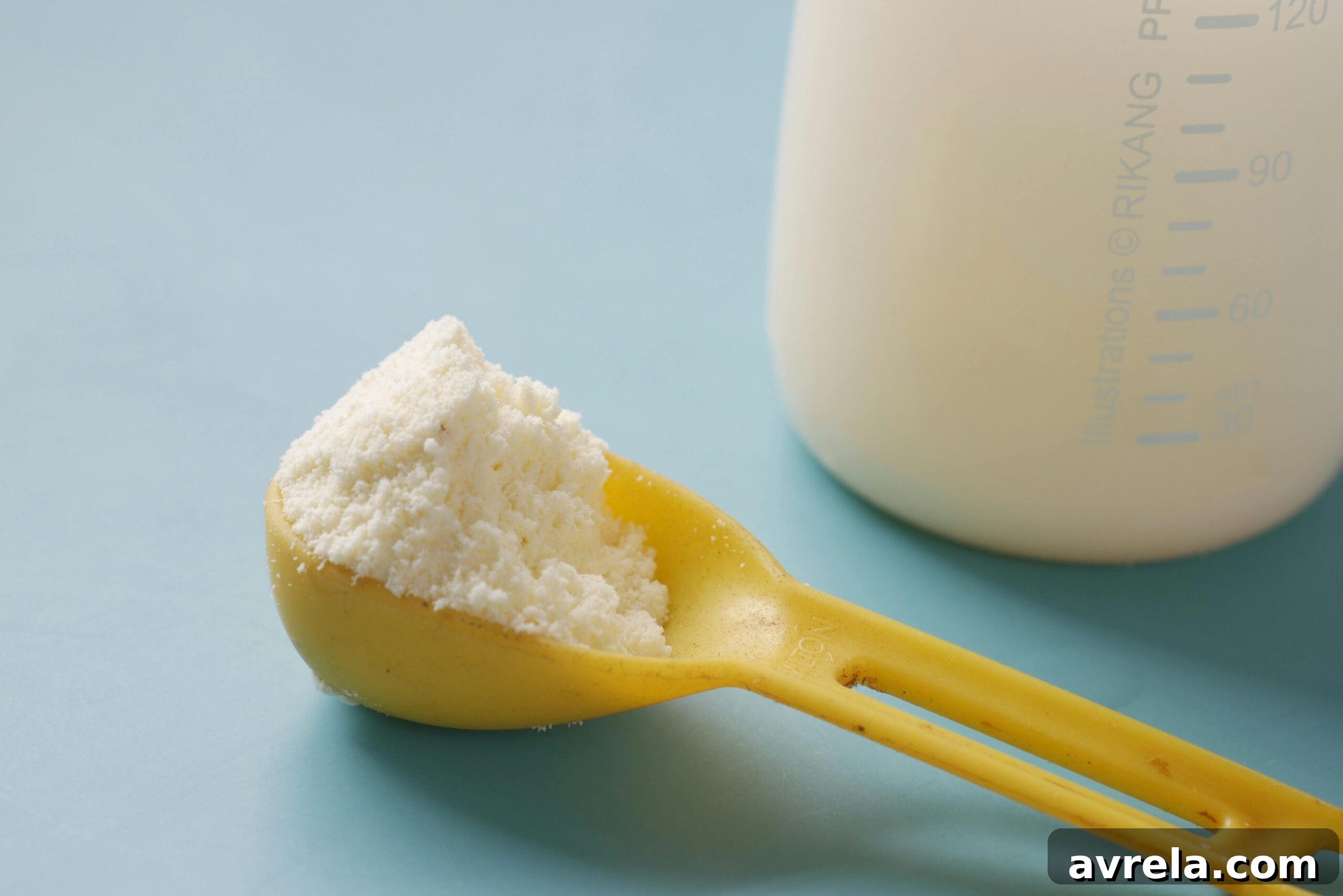
Incorporating colostrum into your daily wellness routine is surprisingly simple, thanks to its versatile forms. Most colostrum supplements are available in either a convenient powder or capsule form, allowing you to choose the option that best suits your lifestyle and preferences. The powdered form is particularly popular due to its ease of integration into various foods and beverages.
You can effortlessly mix colostrum powder into your morning smoothie, stir it into your coffee or tea (ensure the liquid isn’t scalding hot, as extreme heat can degrade some of its delicate bioactive compounds), or simply blend it into plain water. Many users find that colostrum powder has a mild, subtly creamy taste that blends seamlessly without altering the flavor of their favorite drinks. Beyond beverages, it can also be mixed into yogurt, oatmeal, or even sprinkled over granola, making it a flexible addition to your breakfast or snack. Capsules, on the other hand, offer a taste-free, precise dosage option for those who prefer not to mix powders.
When starting, always adhere to the serving size recommended by the specific brand you choose. A typical starting dose is usually 1–2 teaspoons (or the equivalent capsules) per day. It’s often advisable to start with a lower dose and gradually increase it as your body adjusts, carefully monitoring how you feel and noting any changes or improvements. As with any dietary supplement, consistency is absolutely key to experiencing the full range of colostrum benefits. Don’t expect immediate results; cellular regeneration and gut healing are gradual processes. Give it at least a few weeks, ideally 4-8 weeks, of consistent daily use before evaluating its effects and deciding whether you notice significant improvements in your gut health, immune function, or recovery.
Is Colostrum Right for You? Making an Informed Decision
In a world brimming with wellness trends, colostrum might initially appear to be just another fleeting fad. However, once you delve into its unique biological makeup and understand the profound mechanisms by which it supports various bodily systems, it becomes clear why this powerful “first milk” is gaining such significant and sustained attention. Its rich concentration of immunoglobulins, growth factors, and essential nutrients offers a comprehensive approach to fostering internal balance and resilience.
Whether your primary goal is to support a thriving gut microbiome, bolster your natural immune defenses against daily challenges, or enhance your physical recovery from exercise, colostrum may indeed be a valuable and effective addition to your holistic wellness routine. It represents a natural, science-backed approach to proactively managing your health.
As always, the most important step on your health journey is to listen attentively to your own body. Pay attention to how you feel, conduct thorough personal research on any supplement you consider, and crucially, always consult with your healthcare provider or a registered dietitian if you have any underlying health conditions, are taking medications, or are simply unsure about whether colostrum is the right choice for your individual needs. They can provide personalized advice to help you make the best, most informed decision for your health and well-being.
Explore my hand-picked selection of go-to supplements, including high-quality colostrum options, in the Supplements folder of my dedicated Amazon Storefront.
For more valuable insights and practical nutrition advice, dive into my extensive collection of Nutrition Tips HERE on the blog.