
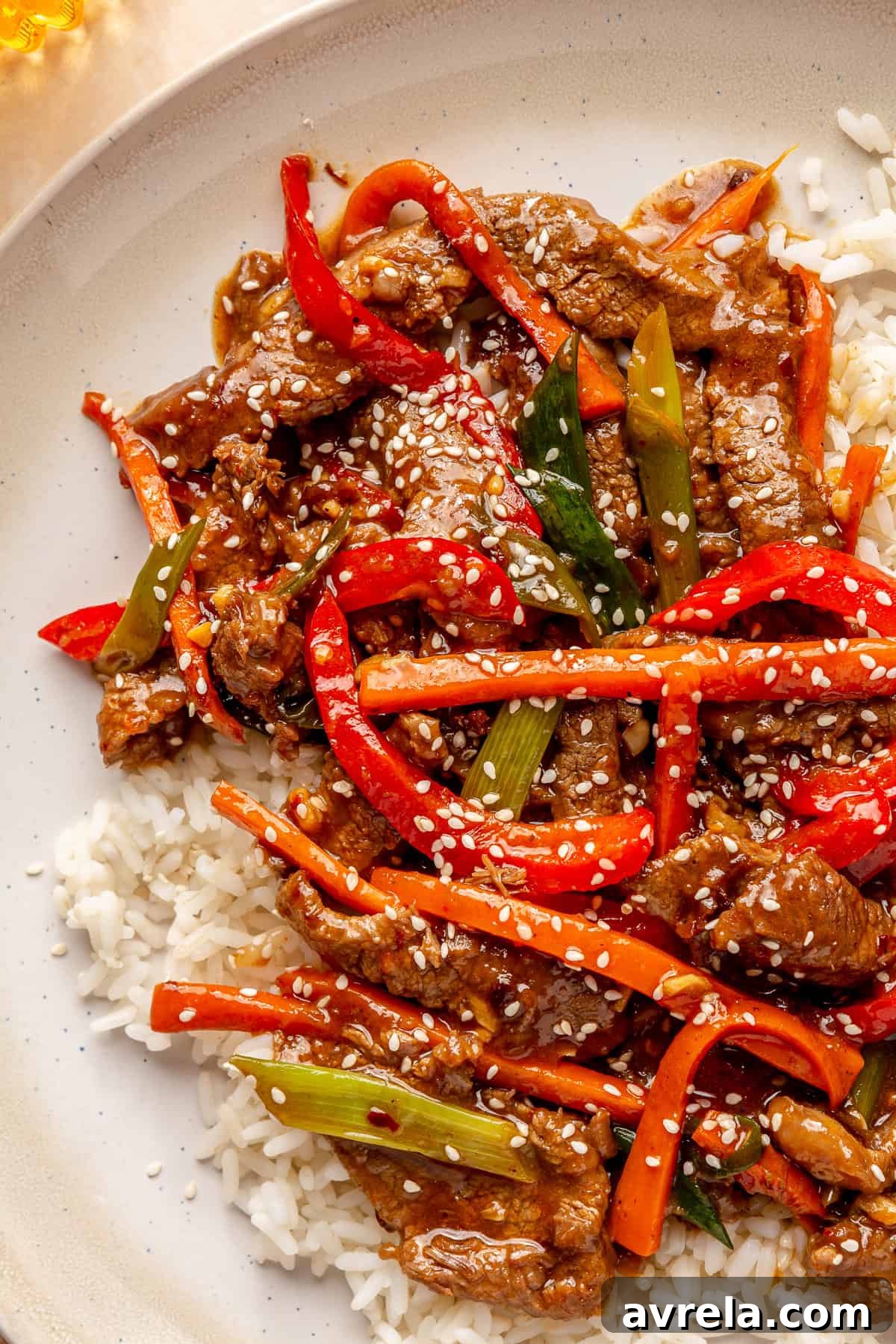
I am absolutely thrilled to share with you my perfected recipe for **Healthy Mongolian Beef**. This dish has become a staple in my kitchen, a true testament to how quick, easy, and incredibly flavorful healthy eating can be. After countless trials and even a recent flavor update in August 2025 to ensure peak deliciousness, I genuinely believe this recipe rivals—and surpasses—any takeout version you’ve ever had.
If you’re already familiar with my approach to transforming classic dishes into healthier, more wholesome options, then you know this is right up my alley. My goal is always to deliver incredible taste without compromising on nutrition, and this Mongolian Beef is no exception. The enthusiastic comments I received when I first shared a reel of it last year confirmed what I already knew: you’re going to love this! Your feedback truly brightens my day, so I encourage you to make this one soon and let me know what you think. Just thinking about it now makes my mouth water!
The Undeniable Charm of Healthy Mongolian Beef: A Family Favorite
Life as a new mom has certainly amplified my appreciation for meals that are not only delicious but also quick, easy, and genuinely healthy. This Healthy Mongolian Beef checks every single box, making it a regular feature in our dinner rotation. It’s the kind of dish that simplifies busy weeknights while still delivering a gourmet experience.
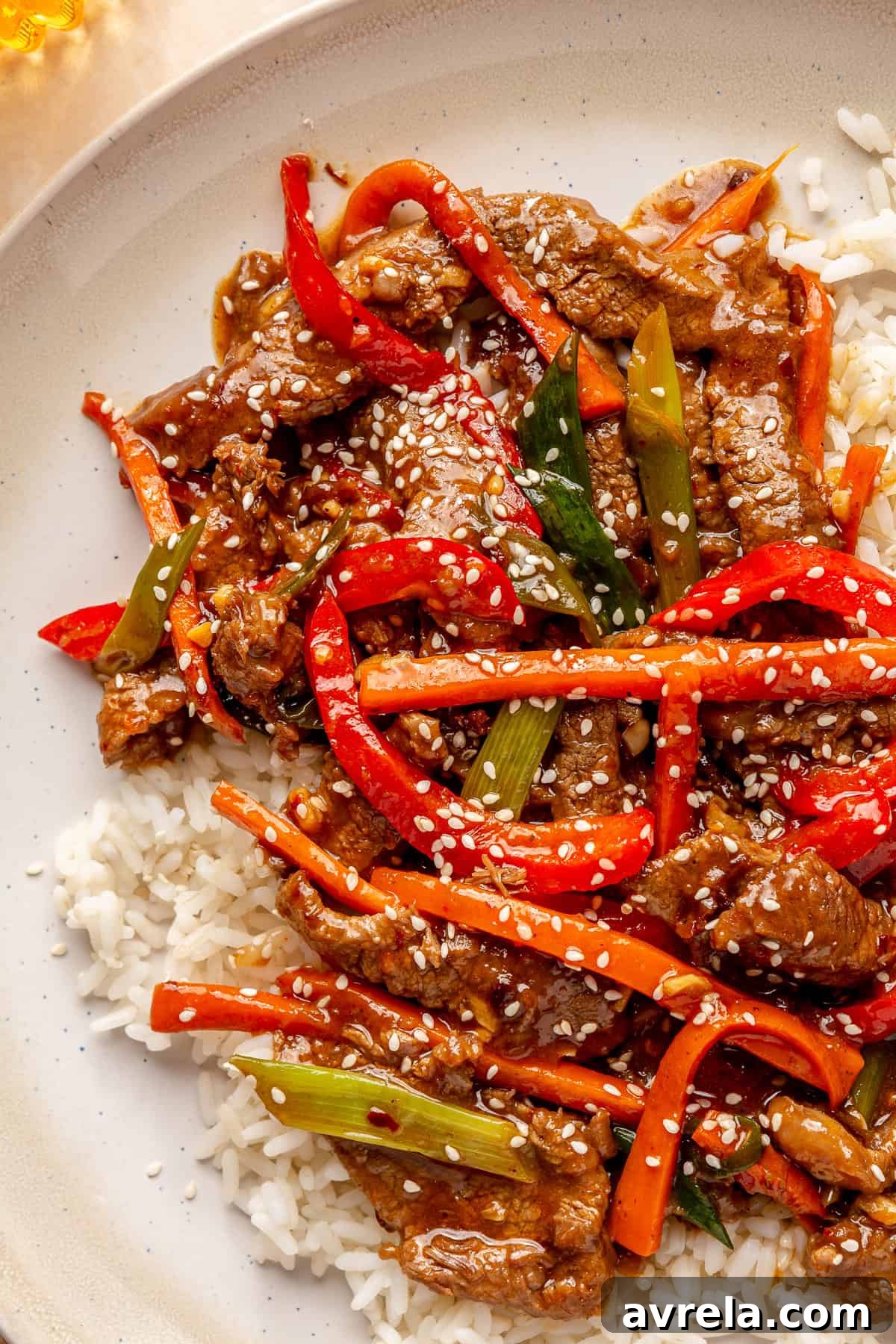
The beauty of this recipe lies in its straightforward preparation. You begin by whisking together a vibrant sauce, packed with digestive-friendly fresh ginger, savory coconut aminos, gluten-free tamari, and a hint of warmth from chili crisp. This sauce forms the heart of the dish, infusing every bite with unparalleled flavor. Next, vitamin-rich carrots and crisp bell peppers are quickly sautéed until tender, then set aside. The star of the show, tender flank steak, is then lightly coated in arrowroot starch and browned to perfection. Finally, the cooked vegetables are reunited with the beef, and the exquisite sauce is added, simmering gently until it coats everything in a glossy, irresistible glaze. It’s truly that simple!
To finish, I love to garnish this magnificent meal with a sprinkle of sesame seeds, serving it alongside fluffy rice for a complete and satisfying experience. My husband, Bridger, and I are completely obsessed, and I have no doubt that it will quickly become a cherished household favorite for you and your family too. Seriously, try it once, and I challenge you not to add it to your permanent weekly meal plan!
Why This Healthy Mongolian Beef is Better Than Any Takeout
When I say this Healthy Mongolian Beef is ridiculously delicious, I truly mean it. The combination of perfectly tender beef, vibrant and crisp vegetables, and that phenomenal, glossy sauce creates a symphony of flavors and textures that will tantalize your taste buds. The aroma alone, as it fills your kitchen, is utterly intoxicating – preparing you for the incredible meal to come.
Why bother with greasy, often overly salty takeout when you can effortlessly whip up a fresh, flavor-packed, and significantly better-for-you version right in the comfort of your own home? This recipe empowers you to control the quality of ingredients and the amount of sodium and sugar, ensuring a wholesome meal without sacrificing any of the authentic taste you crave.
Furthermore, let’s not overlook the nutritional powerhouse that is beef. While it may not be labeled a ‘superfood’ in the same vein as blueberries or kale, beef offers a remarkable profile of essential nutrients that are vital for our health. Rich in iron, zinc, and B vitamins, pasture-raised flank steak provides sustained energy and supports various bodily functions. Paired with fiber-rich carrots and bell peppers, bursting with vitamins A and C, this dish is a balanced meal that nourishes from within. You can learn more about beef’s surprising nutritional benefits HERE.
This recipe is perfect for those busy evenings when you need a healthy, scrumptious dinner on the table in under 30 minutes. It’s also fantastic for meal prepping or making a double batch to easily feed a crowd. The leftovers are just as delightful for lunch the next day, if not more so! I genuinely can’t wait to hear your thoughts in the comment section below. Enjoy every last bite!
Essential Ingredients for Your Healthy Mongolian Beef
Creating this irresistible Healthy Mongolian Beef starts with selecting quality ingredients. Here’s a comprehensive list of what you’ll need, thoughtfully chosen for flavor and health benefits:
For the Zesty Sauce:
- Water: The base for our flavorful sauce.
- Tamari: My preferred gluten-free alternative to soy sauce, offering a rich, umami depth. Opt for low-sodium.
- Coconut Aminos: A fantastic soy-free, gluten-free option with a slightly sweeter and milder flavor profile.
- Sesame Oil: Essential for that signature nutty, aromatic Asian flavor.
- Rice Vinegar: Adds a crucial tang and brightness to balance the richness.
- Freshly Grated Ginger: Provides a pungent, warming flavor and aids digestion.
- Minced Garlic: The aromatic foundation, offering robust flavor.
- Chili Crisp: For a delightful kick and textural interest. I highly recommend Momofuku Goods. Adjust to your spice preference!
- Maple Syrup or Coconut Sugar: A touch of natural sweetness to perfectly balance the savory and salty notes of the sauce.
For the Mongolian Beef Stir-Fry:
- Pasture-Raised Flank Steak: The ideal cut for its lean texture and ability to become wonderfully tender when sliced correctly.
- Carrots: Peeled and cut into matchsticks, they add vibrant color, sweetness, and a wealth of vitamins.
- Red Bell Pepper: Thinly sliced, these provide a sweet, crisp counterpoint and a boost of Vitamin C.
- Green Onion Stalks: Both white and green parts, chopped diagonally, for a fresh, pungent garnish and flavor.
- Arrowroot Starch: My gluten-free choice for tenderizing the beef and thickening the sauce to a perfect, glossy consistency.
- Avocado Oil: A high smoke point oil, perfect for searing at higher temperatures without breaking down.
- Sesame Seeds: For topping, adding a delicate crunch and visual appeal.
- Fresh Cilantro or Thai Basil: An optional but highly recommended fresh herb finish for an extra layer of aroma.
- Lime Wedges: Optional, for a bright, zesty squeeze at the end.
Crafting My Healthy Mongolian Beef: A Step-by-Step Guide
Follow these simple instructions to create a truly unforgettable Healthy Mongolian Beef:
- Prepare All Ingredients: Start by getting all your ingredients prepped. Mince garlic, grate ginger, slice vegetables, and cut your flank steak. Whisk together all the sauce ingredients in a small bowl and set it aside to allow the flavors to meld.
- Slice the Flank Steak: This step is crucial for tender beef! Using a sharp, serrated knife, slice the flank steak very thinly against the grain, at an angle. Aim for slices as thin as possible to ensure maximum tenderness.
- Coat the Beef: Place the thinly sliced steak in a bowl with the arrowroot starch. Toss thoroughly until each piece of beef is evenly and completely coated. This coating is key for tenderizing the meat and later thickening the sauce.
- Sauté the Vegetables: Heat a large skillet or wok over medium heat, then add about 2 tablespoons of avocado oil. Add the sliced carrots and bell peppers, cover with a lid, and let them steam-sauté for 3-5 minutes, or until they are just tender-crisp. Remove them from the pan and set aside.
- Sear the Beef: Add the remaining 1-2 tablespoons of avocado oil to the hot skillet. Increase the heat to medium-high. Add the coated beef in batches, being careful not to overcrowd the pan. Cook for 1-2 minutes per side, just until beautifully browned. Avoid overcooking, as this can make the beef tough. Remove the cooked beef from the pan and join it with the sautéed vegetables.
- Simmer the Sauce: Pour the prepared sauce into the skillet. Bring it to a gentle simmer, stirring continuously, for 2-3 minutes until it slightly thickens and achieves a lovely glossy finish. For an extra silky sauce, you can whisk a teaspoon of arrowroot starch with two teaspoons of water and stir this slurry into the simmering sauce.
- Combine and Finish: Return the seared beef, cooked vegetables, and the white parts of the green onions to the skillet with the sauce. Toss everything together until the beef and veggies are thoroughly coated in the rich sauce. Reduce the heat, cover, and let it cook for another 4-5 minutes, allowing the sauce to thicken further and the flavors to meld beautifully.
- Serve: Remove from heat and transfer to serving bowls. Garnish generously with sesame seeds and the green tops of the green onions. I typically serve this vibrant dish with perfectly cooked organic basmati rice, but it pairs wonderfully with any rice, noodles, a crisp side salad, or additional steamed vegetables. A squeeze of fresh lime juice just before serving adds an invigorating lift. Enjoy your culinary masterpiece!
Storage Tips:
Any delicious leftovers can be stored in an airtight container in the fridge for up to 3-4 days, making it perfect for healthy meal prep throughout the week.
Recipe Customizations & Frequently Asked Questions
One of the best aspects of this Healthy Mongolian Beef recipe is its flexibility. Feel free to customize it to suit your specific dietary needs or personal taste preferences. Don’t be afraid to experiment!
- Soy Sauce Alternatives: While I prefer tamari for its gluten-free properties and coconut aminos for a soy-free option, you can certainly use regular low-sodium soy sauce if it suits your diet. Just be mindful of the sodium content and adjust the maple syrup or coconut sugar accordingly, as soy sauce is generally saltier.
- Spice Level: The amount of chili crisp can be easily adjusted. For a milder flavor, use just half a teaspoon or omit it entirely. For those who love a fiery kick, feel free to add more!
- Beef Cuts: Flank steak is traditionally used for Mongolian beef due to its lean nature and ability to tenderize beautifully when sliced against the grain. However, other quick-cooking beef cuts such as New York strip, hanger steak, or sirloin can also be excellent choices.
- Protein Swap: Not a fan of beef? This recipe works wonderfully with chicken! Simply slice chicken breast or thigh into thin strips and follow the same cooking method.
- Starch Options: I use arrowroot starch as a gluten-free thickener. If gluten isn’t a concern, cornstarch is a common alternative. Tapioca starch is another excellent gluten-free option that provides a similar thickening and tenderizing effect.
- Vegetable Variations: Carrots and red bell peppers offer a fantastic combination of color, crunch, and nutrients. However, feel free to get creative with your vegetables. Broccoli florets, broccolini, snap peas, or mushrooms would all be delicious additions or substitutions. You can also swap the red bell pepper for green, yellow, or orange bell peppers for a different visual appeal.
- Serving Suggestions: Beyond organic white basmati rice, which I love for its delicate flavor and texture, this dish is incredibly versatile. Serve it over brown rice, quinoa, cauliflower rice for a low-carb option, or toss it with your favorite noodles (rice noodles or ramen would be delicious!).
Why Coat Beef in Starch Before Cooking?
Coating your beef or steak in a starch like arrowroot (or cornstarch/tapioca starch) before cooking is a technique commonly used in Asian cuisine for several important reasons. Firstly, it acts as a tenderizer, creating a delicate crust that helps seal in the meat’s juices, preventing it from drying out and ensuring each bite is melt-in-your-mouth tender. Secondly, the starch contributes to a beautiful, flavorful sear on the outside of the beef. Most importantly for a saucy dish like Mongolian Beef, the starch plays a crucial role in thickening the sauce. As the starch-coated beef cooks with the sauce, it helps create that signature glossy, rich consistency that clings perfectly to every piece of meat and vegetable, delivering an explosion of flavor in every mouthful. It ensures your sauce isn’t watery but rather coats everything beautifully.
How Do You Keep the Steak Tender?
Achieving truly tender steak, free from any toughness or chewiness, comes down to a few key techniques:
- Slice Against the Grain: This is arguably the most critical step. To do this, identify the parallel lines (muscle fibers) running through the steak. You want to cut perpendicular to these lines. This shortens the muscle fibers, making the meat much easier to chew and giving it that desirable tender texture.
- Slice Very Thinly: The thinner the slices, the more tender the beef will feel. Aim for slices that are as delicate as possible, ideally around ¼ inch thick.
- Partially Freeze for Easier Slicing: A clever trick to make slicing thin and uniform pieces much easier is to partially freeze the flank steak for about 20-30 minutes before cutting. This firms up the meat, allowing for cleaner, more precise slices.
- Use a Sharp Knife: A sharp knife is indispensable for clean cuts and will prevent tearing the meat, contributing to both texture and presentation.
- Don’t Overcook: Flank steak cooks quickly, especially when sliced thinly. Sear it quickly over medium-high heat until just browned, removing it from the pan before it becomes tough. It will finish cooking briefly in the sauce.
Discover More Asian-Inspired Dishes You’ll Love:
If you’ve enjoyed this Healthy Mongolian Beef, I’m confident you’ll adore these other Asian-inspired recipes from my kitchen:
Cashew Chicken Stir-Fry: A delightful and crunchy weeknight meal packed with protein and fresh vegetables, featuring a savory cashew sauce.
One-Pan Beef and Broccoli: A classic combination made incredibly simple with minimal cleanup, perfect for a balanced and quick dinner.
Creamy Crockpot Sesame Chicken: Effortlessly tender chicken in a rich, creamy sesame sauce, ideal for hands-off cooking.
Thai Basil Beef Lettuce Wraps: Light, fresh, and bursting with vibrant Thai flavors, these wraps are a fantastic low-carb option.
Beef Fried Rice: A satisfying and customizable fried rice recipe that’s far better than any restaurant version, perfect for using up leftover rice.
Click here to watch the inspiring reel I created for this recipe and see it come to life!
Healthy Mongolian Beef
Ingredients
Sauce:
- 1/2 cup water
- 1/4 cup tamari, (gluten-free soy sauce; low-sodium preferred)
- 1/4 cup coconut aminos
- 1 tablespoon sesame oil
- 1 tablespoon rice vinegar
- 2 teaspoons freshly grated ginger
- 1 tablespoon minced garlic, (about 4 garlic cloves)
- 1 tablespoon chili crisp, (use ½–1 tsp for mild)
- 1-2 tablespoons maple syrup or coconut sugar, (balances the saltiness)
Mongolian Beef:
- 1.75 pounds pasture-raised flank steak, thinly sliced against the grain
- 2 carrots, peeled and cut into matchsticks
- 1 large red bell pepper, thinly sliced
- 3-5 green onion stalks, chopped diagonally, (white and green parts)
- 1/4 cup arrowroot starch
- 3-4 tablespoons avocado oil
- Sesame seeds, for topping
- Fresh cilantro or Thai basil (optional)
- Lime wedges, for serving (optional)
Instructions
-
Make the Sauce: In a small bowl, whisk together water, tamari, coconut aminos, sesame oil, rice vinegar, ginger, garlic, chili crisp, and maple syrup. Set aside.
-
Prep the Beef: Slice flank steak very thin against the grain. Toss in a bowl with arrowroot starch until fully coated.
-
Cook the Vegetables: Heat a large skillet or wok over medium heat and add 2 tbsp avocado oil. Sauté carrots and bell pepper for 3–5 minutes, until just tender. Remove from pan and set aside.
-
Sear the Beef in Batches: Add 1 tbsp avocado oil to the pan and increase to medium-high heat. Cook the beef in two batches for about 1–2 minutes per side, just until browned (avoid overcrowding to keep a nice sear). Remove beef from the pan and set aside with the veggies.
-
Simmer the Sauce: Pour the prepared sauce into the skillet. Simmer 2–3 minutes, stirring, until slightly thickened and glossy. Optional: For an even silkier sauce, stir in a quick slurry of 1 tsp arrowroot + 2 tsp water at this stage.
-
Combine and Finish: Return the beef, vegetables, and the white parts of the green onions to the skillet. Toss to coat in the sauce and cook 1–2 minutes. Remove from heat and top with the green onion tops, sesame seeds, and fresh cilantro or Thai basil. Serve with lime wedges if desired.
Notes
- Soy Sauce vs. Coconut Aminos: This recipe is balanced for tamari + coconut aminos. If using regular soy sauce, reduce to 3 tbsp and skip the maple syrup unless you want extra sweetness.
- Make It Kid-Friendly: Reduce chili crisp to ½ tsp and serve extra on the side.
- Storage: Keeps in an airtight container in the fridge for 3–4 days.