One often overlooked benefit of a higher-protein eating pattern is improved hormone health. If you’ve been trying to balance hormones naturally, increasing protein intake can be an effective and simple place to start.
Symptoms such as energy crashes, intense cravings, mood swings, and persistent hunger can all signal that your hormones need more stable support. Because insulin is a hormone, the foods you choose directly influence your hormonal balance. Keeping blood sugar steady throughout the day is one of the most foundational ways to support overall hormone health.
A diet higher in protein can help stabilize blood sugar, reduce cortisol spikes related to stress, boost satiety, and support more consistent energy. These changes all contribute to healthier hormone patterns and can make daily life feel more manageable.

Why Protein Matters for Hormone Balance
Protein plays a central role in stabilizing blood sugar. Meals that are low in protein and high in refined carbohydrates tend to produce rapid rises in blood glucose followed by quick drops. Those spike-and-crash cycles drive extra insulin release, intensify cravings, and create energy slumps that prompt reaching for coffee or sweets.
Including adequate protein at meals slows digestion, helps glucose enter the bloodstream more gradually, and supports steadier blood sugar levels. Stable blood sugar helps regulate several key hormones, including:
- insulin
- cortisol
- hunger-regulating hormones like ghrelin and leptin
How a High-Protein Diet Supports Stable Blood Sugar
One of the most direct ways protein supports hormones is by limiting blood sugar spikes. Starting meals with a good protein source can:
- keep you feeling full longer
- reduce cravings later in the day
- prevent common afternoon energy crashes
- support more consistent energy throughout the day
- help maintain focus and a more even mood
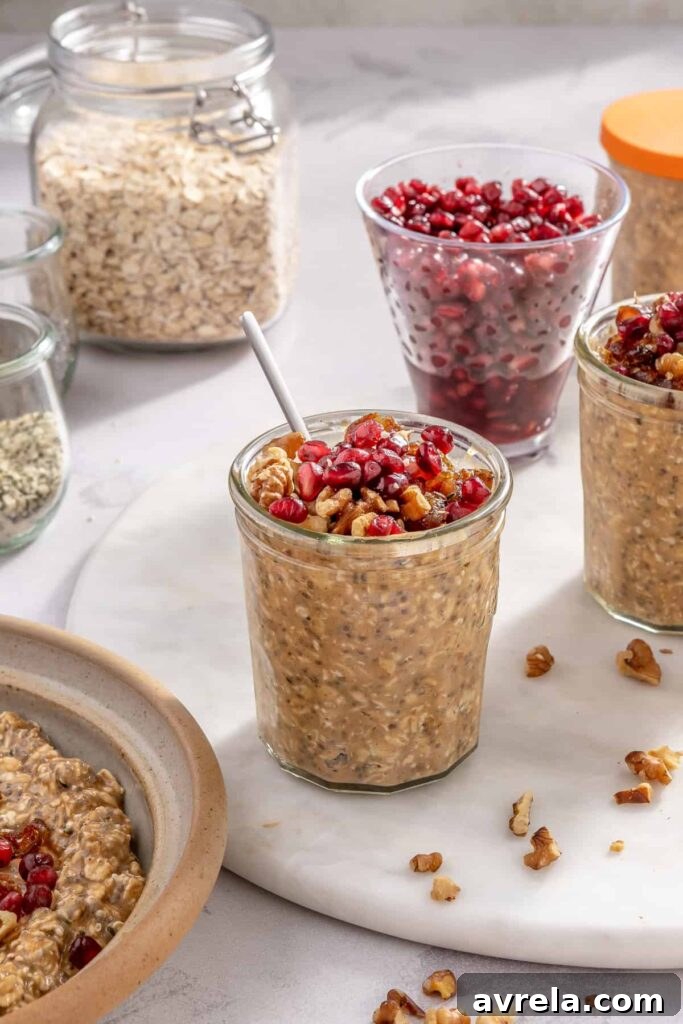
A practical target is roughly 25–30 grams of protein per meal. Prioritizing breakfast is especially helpful for hormone balance—aiming for 30–40 grams of protein at your first meal can be particularly effective.


The Hormone Benefits of Stable Blood Sugar
When blood sugar stays steady, the body reduces the need for frequent insulin surges and stress hormone responses. That stability supports a range of benefits, such as:
- improved mood
- better sleep quality
- fewer cravings
- reduced PMS-related irritability
- more consistent appetite signals
- more even energy across the day
For many people, symptoms that feel like “hormone imbalance” are connected to irregular eating patterns, skipped meals, or insufficient protein at meals. Addressing those habits often brings clear improvements.
My Best Tips for a High-Protein Diet to Balance Hormones
Practical habits that make a difference:
- prioritize protein at breakfast (sometimes called front-loading)
- avoid skipping meals and include protein in snacks
- pair carbohydrates with protein and healthy fats to slow absorption
If you want a wide variety of ideas, there are many recipes designed to be quick, easy, and high in protein to help you build consistent habits. Consistency—rather than perfection—is what ultimately supports hormone stability and lasting results.