
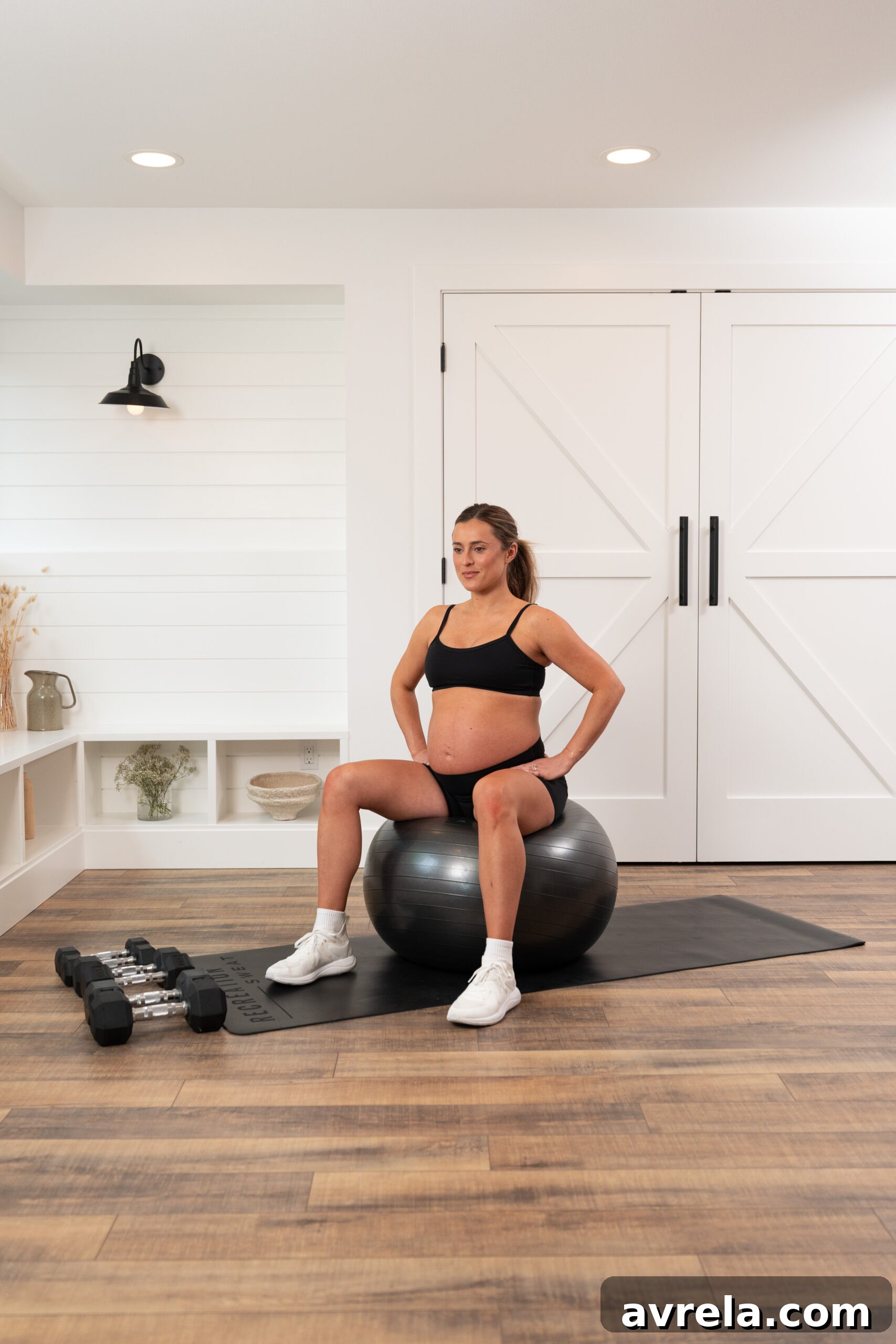
Yoga Ball Exercises for a Strong and Flexible Pelvic Floor During Pregnancy
Pregnancy is an extraordinary journey marked by constant transformation, both physically and emotionally. Your body undergoes remarkable changes, some visibly apparent, and others, like the intricate workings of your pelvic floor, requiring focused attention and care. The health of your pelvic floor is paramount during pregnancy, influencing everything from balance and comfort to your preparation for a smoother labor and delivery. And no, nurturing your pelvic floor isn’t just about endless Kegels; it’s about fostering both strength and flexibility. This is where the simple yet incredibly versatile yoga ball becomes your best friend, offering a convenient and effective way to support your body’s evolving needs.
A yoga ball, also known as an exercise ball or stability ball, is an invaluable tool for pregnant individuals seeking gentle yet profoundly effective stretches and exercises. It provides cushioned support, reduces impact, and helps facilitate movements that might otherwise be challenging as your belly grows. From alleviating common pregnancy discomforts like back pain and hip tightness to actively preparing your body for childbirth, the benefits are extensive. Imagine the relief of comfortably tying your shoes in your third trimester – that’s the kind of support a yoga ball can offer! Below, we delve into seven expertly curated yoga ball exercises specifically designed to stretch, strengthen, and enhance the flexibility of your pelvic floor throughout your pregnancy journey.
These exercises are inspired by comprehensive prenatal fitness programs, ensuring they are safe and beneficial. If you are navigating early pregnancy, well into your second or third trimester, or even planning for conception, integrating mindful movement into your routine is key. Prioritizing consistency, understanding the educational insights behind each movement, and connecting with your body will empower you throughout this special time. Always consult with your healthcare provider before starting any new exercise regimen during pregnancy.
Why Pelvic Floor Health is Crucial During Pregnancy
The pelvic floor is a hammock-like group of muscles, ligaments, and connective tissues located at the base of your pelvis. It plays a vital role in supporting your bladder, bowel, and uterus, controlling continence, and providing stability for your core. During pregnancy, these muscles undergo significant stress and changes. Hormonal shifts can soften connective tissues, while the increasing weight of the growing uterus and baby places immense pressure on the pelvic floor. Without proper care, this can lead to issues like urinary incontinence, pelvic pain, backaches, and difficulties during labor and postpartum recovery.
Engaging in targeted pelvic floor exercises during pregnancy helps in multiple ways:
- Support and Stability: It strengthens the muscles that support your organs, mitigating the risk of prolapse and improving overall core stability.
- Pain Reduction: A strong and flexible pelvic floor can alleviate common pregnancy discomforts such as lower back pain and hip tension.
- Improved Circulation: Gentle movement in the pelvic area can enhance blood flow, which is beneficial for both mother and baby.
- Preparation for Labor: Learning to effectively relax and lengthen your pelvic floor muscles is just as important as strengthening them, aiding in the birthing process. Flexible pelvic floor muscles can facilitate a smoother passage for the baby, potentially reducing the risk of tearing and the need for medical interventions.
- Faster Postpartum Recovery: Prepared and toned pelvic floor muscles tend to recover more efficiently after childbirth, helping to restore function and reduce postpartum complications.
Why Choose a Yoga Ball for Pelvic Floor Exercises During Pregnancy?
The yoga ball isn’t just a trendy fitness accessory; it’s a pregnancy essential, especially for pelvic floor health. Its unique properties make it an ideal tool for expecting mothers:
- Gentle Support: The inflatable surface of the ball offers a soft, supportive cushion, distributing your weight evenly and reducing pressure on your joints and spine. This is particularly beneficial as your body changes and ligaments loosen.
- Enhanced Mobility: Sitting or leaning on a yoga ball allows for subtle, fluid movements that gently mobilize your pelvis and hips, which can be restricted during pregnancy. This natural movement encourages pelvic floor flexibility and blood flow.
- Improved Posture: Using a yoga ball for seated exercises or even as an alternative chair encourages active sitting, engaging your core and promoting better spinal alignment, which counteracts the postural shifts common in pregnancy.
- Versatility: From gentle stretches and strengthening moves to helping relieve labor pains, the yoga ball is incredibly versatile. It can be used for deep relaxation, active exercises, and even as a comfortable support during various activities.
- Safe and Accessible: It provides a safe environment for movement, minimizing the risk of falls and allowing for controlled, low-impact exercises that are suitable for all trimesters. It’s also an affordable and easy-to-store piece of equipment.
Now, let’s explore seven fantastic yoga ball exercises to keep your pelvic floor happy and healthy throughout your pregnancy.
1. Forward Roll: A Yoga Ball Exercise for Pelvic Floor and Spine
This exercise is a wonderful way to improve spinal mobility, release tension in the lower back, and gently activate and stretch the pelvic floor muscles. It provides a full-body stretch that can feel incredibly relieving, especially as your pregnancy progresses and your center of gravity shifts.
- How to do it: Begin by sitting comfortably on your yoga ball with your feet flat on the floor, hip-width apart, ensuring your knees are bent at a 90-degree angle. Slowly roll forward, allowing your arms to reach towards the floor and your torso to extend gently over the ball. Keep your core engaged to protect your lower back, but allow for a natural stretch. Breathe deeply into your belly and ribs as you stretch, feeling the expansion and gentle release in your spine and pelvic area. Hold for a few breaths, then slowly roll back up to a seated position. Repeat 5-8 times.
- Benefits: This movement significantly enhances spinal flexibility, which is crucial for accommodating a growing belly. It’s excellent for reducing lower back pain, a common pregnancy complaint. Furthermore, the gentle forward tilt and stretch encourage passive engagement and lengthening of the pelvic floor muscles, promoting relaxation and blood flow to the area.
2. Hip Flexor Stretch on Ball for Pelvic Floor Relief
Tight hip flexors are a frequent issue during pregnancy due to changes in posture and prolonged sitting. This stretch effectively opens the hip flexors, providing immense relief and improving pelvic alignment, which directly benefits the pelvic floor.
- How to do it: Kneel on one knee, placing a cushion or folded mat underneath for comfort, with your other foot forward and flat on the floor, forming a lunge position. Place the yoga ball in front of you for stability and gentle support, resting your hands on it. Gently press your hips forward, feeling the stretch in the front of the hip of the kneeling leg. Ensure your front knee stays over your ankle. Focus on a deep, expansive breath. Hold the stretch for 20-30 seconds, then release and switch sides. Perform 2-3 repetitions per side.
- Benefits: This exercise dramatically improves hip mobility and flexibility, counteracting the tightness that can contribute to lower back pain and discomfort. By releasing tension in the hip flexors, it allows the pelvis to align more naturally, reducing strain on the pelvic floor and promoting better muscle function.
3. Pelvic Clock For Pelvic Floor Mobility
The Pelvic Clock is a fundamental exercise for enhancing pelvic floor mobility and body awareness. It’s a gentle, rhythmic movement that helps you understand how to control and articulate your pelvis, which is invaluable for both comfort during pregnancy and preparedness for labor.
- How to do it: Sit tall on the yoga ball with your feet flat on the floor, hip-width apart. Imagine your pelvis is the face of a clock. Gently tilt your pelvis forward as if moving towards 12 o’clock, then backward towards 6 o’clock. Next, tilt it side to side, moving towards 3 o’clock and then 9 o’clock. After mastering the cardinal directions, combine these movements into smooth, continuous circles, both clockwise and counter-clockwise. Perform 10-15 repetitions in each direction (forward/backward, side-to-side, circles).
- Benefits: This exercise dramatically increases pelvic flexibility and control, improving the ability of your pelvic floor muscles to both contract and relax. This increased awareness and mobility are critical for navigating the changes of pregnancy and can significantly aid in labor and delivery by allowing the pelvis to open and adjust more readily.
4. Seated Ball March for Core and Pelvic Floor Strength
The Seated Ball March is an excellent way to build dynamic core stability and improve the coordination between your deep abdominal muscles and your pelvic floor. It’s a subtle but powerful exercise that challenges your balance and engages stabilizing muscles without putting excessive strain on your body.
- How to do it: Sit tall and centered on the yoga ball with your feet firmly planted on the floor, hip-width apart. Engage your core gently, imagining pulling your belly button towards your spine without holding your breath. Slowly lift one foot a few inches off the ground, maintaining your balance on the ball. Hold for a moment, then gently lower it. Switch sides, lifting the other foot. Continue alternating, as if marching in place. Aim for 10-15 marches on each leg.
- Benefits: This exercise directly strengthens the deep core muscles, including the transversus abdominis, which are vital for supporting your growing uterus and preventing diastasis recti. It significantly improves balance and proprioception, both of which are challenged during pregnancy. Crucially, it engages the pelvic floor muscles in a functional, dynamic way, enhancing their strength and responsiveness.
5. Seated Focused Breathing on Ball: Pelvic Floor Relaxation
Deep, diaphragmatic breathing is incredibly powerful, not just for stress reduction but also for enhancing pelvic floor awareness and promoting relaxation. The yoga ball provides the perfect platform to facilitate this connection, allowing you to feel the subtle movements of your pelvic floor with each breath.
- How to do it: Sit comfortably and upright on the yoga ball with your feet flat on the floor. Place one hand on your belly and the other on your chest. Inhale deeply and slowly through your nose, allowing your belly to expand outwards, feeling your diaphragm descend and gently push on your pelvic floor. Exhale slowly and smoothly through your mouth, imagining your pelvic floor gently lifting and softening back to its resting position. Focus on feeling the connection between your breath and your pelvic floor. Repeat for 5-10 deep breaths, or as long as desired.
- Benefits: This practice not only promotes deep relaxation and reduces stress, which is beneficial for overall well-being during pregnancy, but it also significantly enhances pelvic floor awareness. By consciously connecting your breath to the movement of your pelvic floor, you train these muscles to relax and lengthen, a crucial skill for labor and birth. It also improves oxygenation throughout your body.
6. Sit-to-Stand Prep
The Sit-to-Stand Prep is a highly functional movement that builds essential lower body strength, glute engagement, and pelvic floor stability. Using the yoga ball ensures you perform the movement safely and within a comfortable range of motion, providing support as you strengthen key muscles required for daily activities and labor.
- How to do it: Sit on the yoga ball with your feet firmly on the floor, hip-width apart, knees over ankles. Lean slightly forward from your hips, engaging your core, and press through your heels to lift your hips just off the ball, as if you’re about to stand up but stopping short. As you stand, gently lift your pelvic floor. Then, slowly lower back down to the ball, lengthening and relaxing your pelvic floor as you sit. Maintain control throughout the movement. Repeat 10-12 times.
- Benefits: This exercise effectively strengthens the quadriceps, hamstrings, and gluteal muscles, which are vital for supporting your increasing body weight and for the physical demands of labor. It also enhances pelvic floor endurance and coordination, as you learn to engage and relax these muscles in conjunction with functional movement, improving overall mobility and reducing fatigue.
7. Trunk Sidebend Stretch: Enhance Pelvic Floor Flexibility
The Trunk Sidebend Stretch is a wonderful way to release tension along the sides of your body, including the intercostal muscles (between your ribs) and obliques. This stretch not only improves spinal mobility but also subtly influences the flexibility and release of the pelvic floor by decompressing the torso and creating space.
- How to do it: Sit comfortably and tall on the yoga ball with both feet flat on the floor. Rest your left hand gently on your left thigh for stability. Inhale deeply, then as you exhale, slowly reach your right arm overhead, curving your body gently to the left side. Feel the stretch along your right side, from your hip all the way to your fingertips. Avoid collapsing forward or backward. Hold the stretch for 15-20 seconds, breathing into the expansion of your ribs. Slowly return to the center and repeat on the other side. Perform 2-3 repetitions per side.
- Benefits: This stretch effectively targets the obliques and muscles along the ribcage and spine, improving overall trunk flexibility. By creating more space in the torso, it indirectly helps to reduce pressure on the pelvic floor and allows for more expansive breathing, promoting relaxation and better posture. Improved spinal mobility is key for comfort as your body adapts to pregnancy.
General Tips for Exercising with a Yoga Ball During Pregnancy
While yoga ball exercises are generally safe and beneficial during pregnancy, keeping a few key considerations in mind will ensure you get the most out of your routine:
- Listen to Your Body: Pregnancy is not the time to push through pain. If any exercise causes discomfort, stop immediately. Your body’s signals are your best guide.
- Maintain Proper Hydration: Drink plenty of water before, during, and after your workouts to prevent overheating and support overall bodily functions.
- Consult Your Healthcare Provider: Always get clearance from your doctor or midwife before starting any new exercise program, especially if you have any pre-existing conditions or pregnancy complications.
- Focus on Breath: Deep, diaphragmatic breathing is crucial for oxygenation and connecting with your pelvic floor. Avoid holding your breath.
- Ensure Proper Ball Size: When sitting on the ball, your hips should be slightly higher than your knees, and your feet should be flat on the floor. This provides optimal support and alignment.
- Start Slowly and Be Consistent: Begin with fewer repetitions and gradually increase as your strength and comfort allow. Consistency, even for short durations, is more effective than sporadic intense workouts.
- Use Good Posture: Always aim to sit tall on the ball, engaging your core gently to support your spine and pelvis.
Embrace Your Pregnancy Journey with a Yoga Ball
Incorporating these yoga ball exercises for pelvic floor health into your prenatal routine can profoundly enhance your physical comfort, prepare your body for childbirth, and support a smoother recovery. By focusing on both strengthening and stretching these vital muscles, you’re investing in your well-being throughout pregnancy and beyond. Remember, the goal is not intense training, but gentle, consistent movement that nurtures your body as it undergoes incredible transformations. Embrace this time, listen to your body, and enjoy the many benefits a simple yoga ball can bring to your pregnancy journey.
For more insights into maintaining fitness and wellness during and after pregnancy, explore these additional resources: